
Monterey and Big Sur make one of the best coastal road trips from San Francisco, especially if you’re craving dramatic scenery, wildlife, and ocean views. I spent two nights in Monterey/Big Sur, driving down from the Bay Area during the middle of the week. To avoid traffic, I left mid-morning, which meant I had about a day and a half to explore — not a ton of time, but just enough to hit the highlights.
On this trip, I focused more on nature, coastal viewpoints, and wildlife, but there’s no shortage of things to do beyond that. Monterey is also home to incredible restaurants, world-class golf courses, and the famous Monterey Bay Aquarium, making it a well-rounded destination for all types of travelers.


2 day Monterey and Big Sur itinerary:
P.S. This post contains affiliate links. If you use my links to make a purchase, I’ll get a small commission at no extra cost to you. Thanks for your support!
Why Visit Monterey & Big Sur
Monterey is a charming coastal town and a perfect escape from big cities like San Francisco and Los Angeles. It’s one of the more polished and commercialized towns along the California coast and gained major recognition after being featured in Big Little Lies. The area definitely leans upscale — with iconic spots like Pebble Beach and its famous 17-Mile Drive — but it’s balanced by stunning natural beauty, abundant marine life, and easy access to outdoor adventures.
Monterey also serves as the gateway to Big Sur, one of the most iconic stretches of coastline in California. Big Sur is known for its rugged cliffs, turquoise water, and winding Highway 1 views. Due to frequent landslides, the road doesn’t always connect all the way through — currently, you’ll need to explore Big Sur from Monterey heading south and from San Simeon heading north.
P.S. This post contains affiliate links. If you use my links to make a purchase, I’ll get a small commission at no extra cost to you. Thanks for your support!
Quick Overview: Monterey & Big Sur
Trip Length: 2 days / 2 nights
Starting Point: San Francisco
Best For: Coastal scenery, wildlife, scenic drives, photography
Best Time to Go: Spring (March–May) or Fall (September–October)
Day 1 – Monterey Bay
- Drive from San Francisco to Monterey
- Point Lobos State Natural Reserve (hikes + wildlife)
- Lovers Point Park
- Cannery Row + Coast Guard Pier
- Optional: Monterey Bay Aquarium or whale watching tour
- 17-Mile Drive at Pebble Beach
- Overnight in Monterey
Day 2 – Big Sur Coastline
- Highway 1 scenic drive
- Garrapata State Park (bluff views + seasonal calla lilies)
- Bixby Creek Bridge
- Pfeiffer Beach (purple sand + Keyhole Arch in winter)
- Julia Pfeiffer Burns State Park & McWay Falls
- Henry Miller Memorial Library
- Hawthorne Gallery
- Return to Monterey for a second overnight stay
Where to Stay Note:
Monterey offers the widest variety of accommodations in the area — from budget-friendly inns to luxury beachfront hotels — making it the most convenient and affordable home base for exploring Big Sur.
Driving Note:
Highway 1 is prone to closures due to landslides, so always check current road conditions before your trip.
Things to Do in Monterey Bay
Point Lobos State Natural Reserve
Point Lobos is one of the most beautiful state parks in California and an absolute must-visit when exploring Monterey and Big Sur. With miles of coastal hiking trails, dramatic cliffs, and incredible wildlife, it’s the perfect first stop on a road trip down Highway 1.
- Entry fee: $10 per vehicle (payable at the entrance)
- Best for: Hiking, coastal views, wildlife spotting, photography
My favorite spot:
From the southernmost parking lot, take the short Bird Island Trail to a coastal overlook and down to China Cove, a small white-sand beach tucked between eroding cliffs. The water here glows a stunning emerald green, and it’s one of the most picturesque spots in the park.
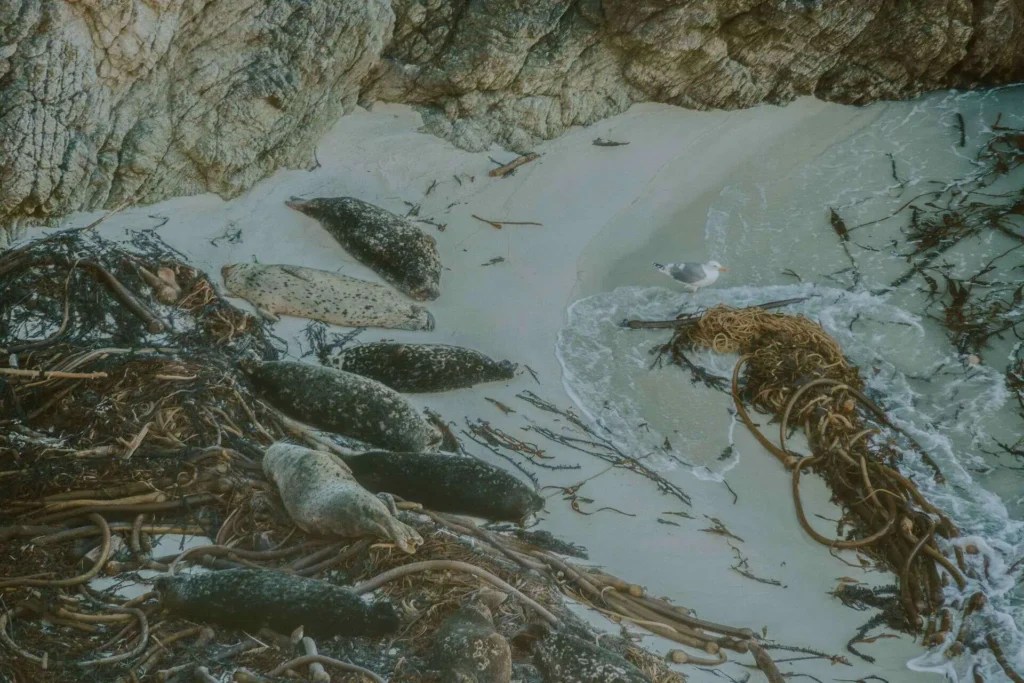
Keep an eye out for harbor seals, sea lions, sea otters, pelicans, cormorants, gulls, and herons — Point Lobos is one of the best places in Monterey Bay to see wildlife up close.


17-Mile Drive (Pebble Beach)
One of the most scenic drives in the world, 17-Mile Drive winds through Pebble Beach and showcases dramatic coastal cliffs, white-sand beaches, misty forests, and legendary golf courses.
Highlights along the drive include:
- The Lone Cypress (one of the most photographed trees in the world)
- Fanshell Beach
- Crocker Grove
- Point Joe
- Spanish Bay
- The Restless Sea
The Lone Cypress has withstood over 200 years of Pacific storms, standing perched above the rocky coastline — and it’s worth the stop.
Admission details:
- $12.25 per vehicle
- Fee is reimbursed with a $35+ purchase at Pebble Beach Resorts restaurants (excluding Pebble Beach Market)
- Free for overnight guests at Pebble Beach resorts
- Open from sunrise to sunset
- Motorcycles are prohibited


Monterey Bay Aquarium
I didn’t have time to visit on this trip, but I grew up going to the Monterey Bay Aquarium and highly recommend it — especially if you’re interested in marine biology or traveling with kids.
The aquarium is world-renowned and consistently ranks among the best aquariums in the U.S. and the world. It focuses on local marine life and features iconic exhibits like the Kelp Forest and deep-sea displays.
- Nearly 200 exhibits
- Over 81,000 animals and plants
- 771 species, with 80% native to California waters
- Uses an open seawater system, so exhibits constantly change
Lovers Point Park
Located in nearby Pacific Grove, Lovers Point Park offers beautiful ocean views, a small beach, and paved walking paths along the water. It has a calm, relaxed atmosphere that’s perfect for a picnic or an easy stroll.
You’ll often see squirrels, sea otters, sea lions, and even dolphins offshore. There are also several great restaurants and cafés nearby, making it an easy stop to pair with lunch or sunset.
Cannery Row
Cannery Row is a historic waterfront street that has transformed from a sardine-canning hub into a lively tourist area filled with hotels, shops, restaurants, and tasting rooms. Named after John Steinbeck’s novel, it still carries hints of its industrial past while offering beautiful ocean views and easy access to the Monterey Bay Coastal Recreation Trail.
It’s also home to the Monterey Bay Aquarium and makes a great area to wander, shop, or grab dinner by the water.


Old Fisherman’s Wharf
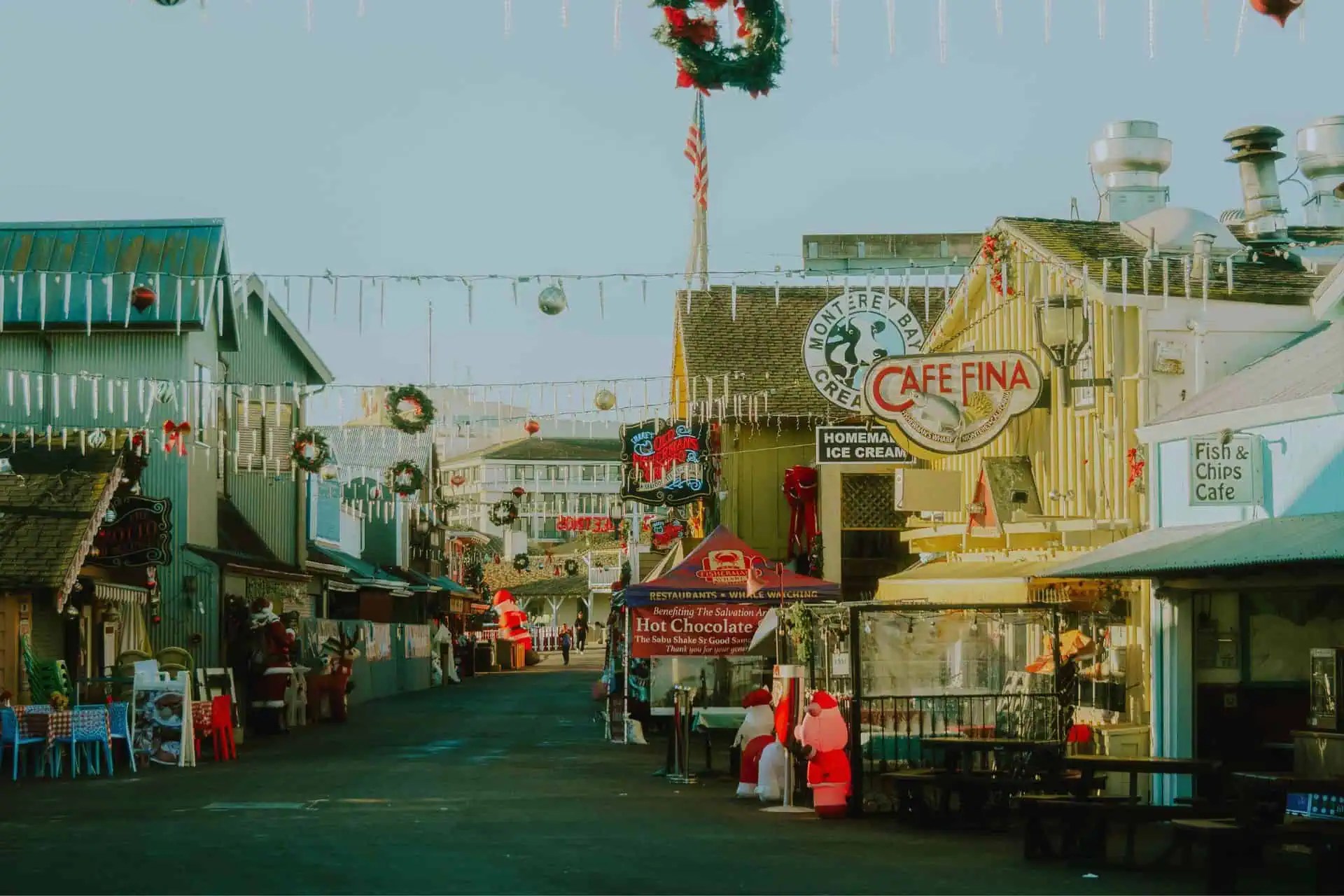
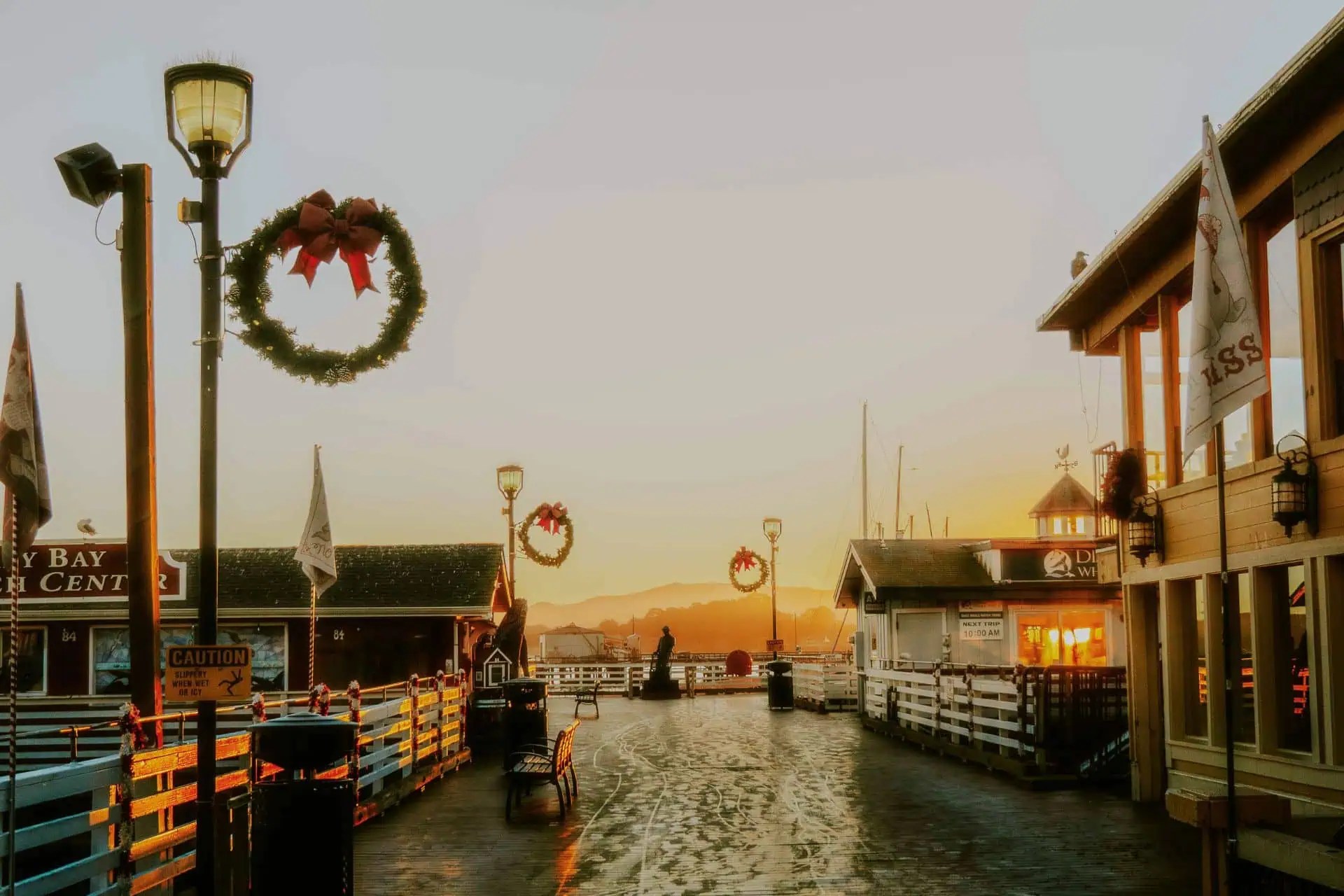
Old Fisherman’s Wharf is a cute, lively pier packed with seafood restaurants, souvenir shops, and boat tours. Whale watching and bay cruises depart from here regularly.
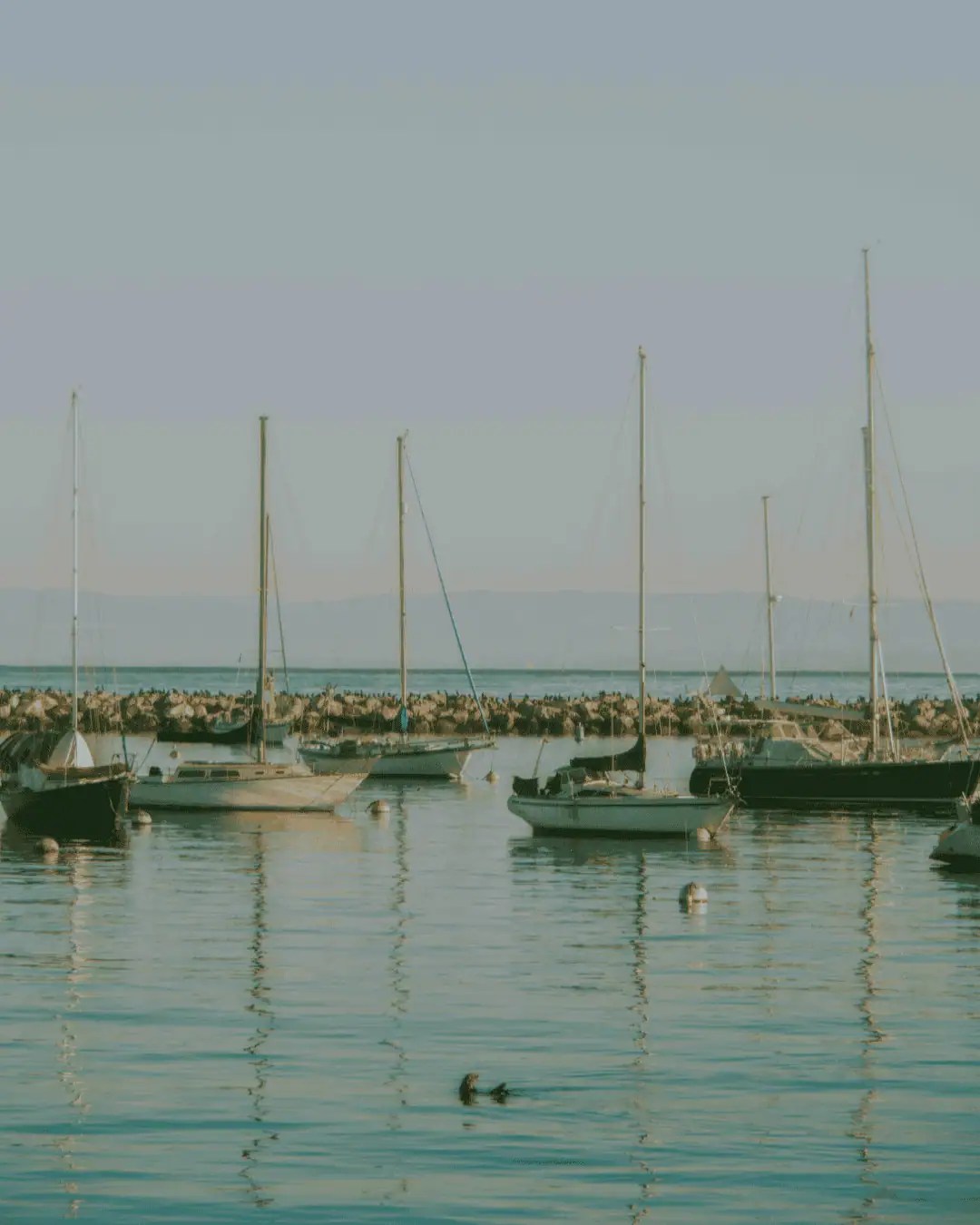
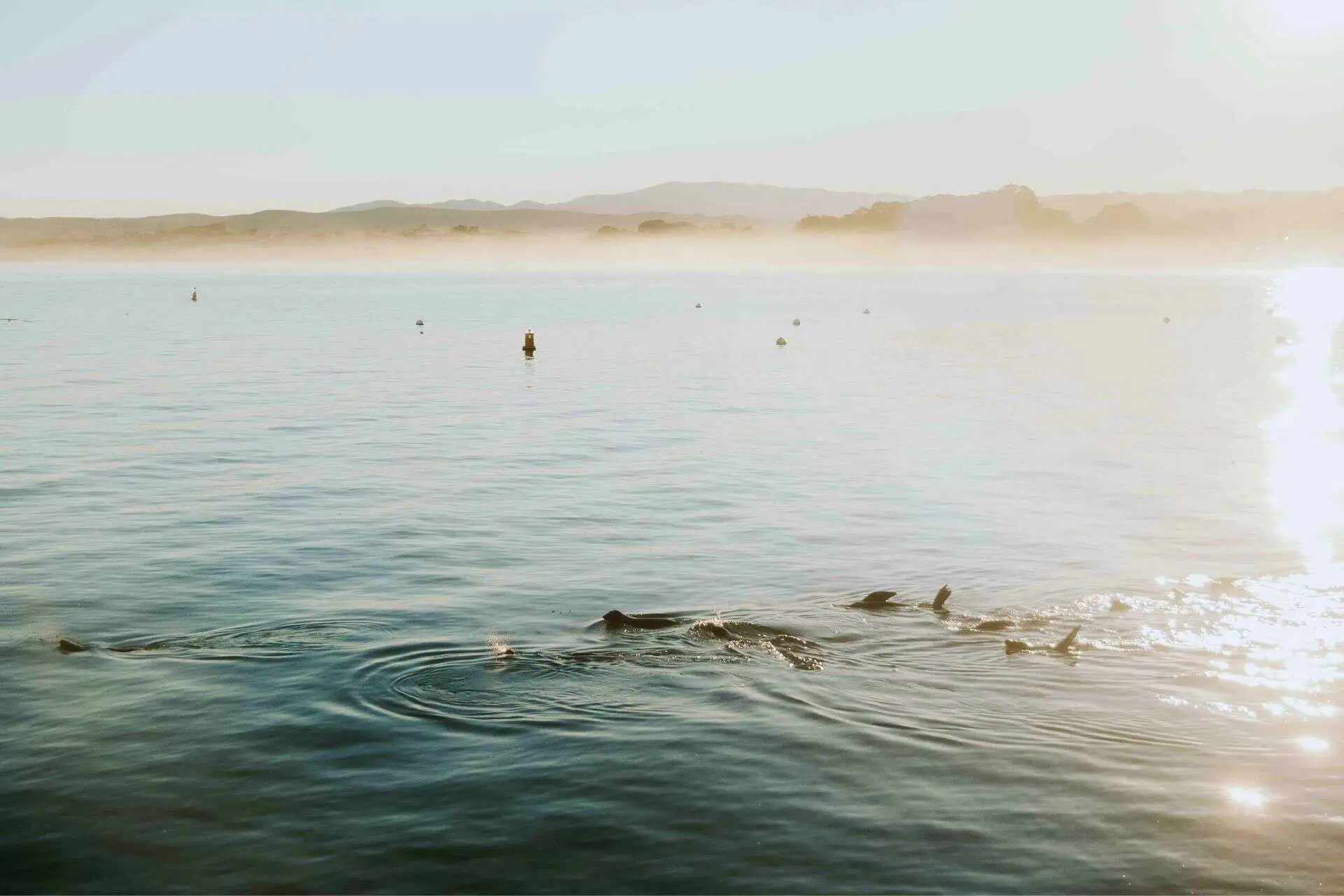
Early mornings are my favorite time to visit — watching sea lions and sea otters swimming around the bay as the town slowly wakes up is something special.
Just across from it, the Municipal Wharf is home to a fish market and large groups of sea lions. One morning, I caught an entire group swimming around the wharf and a fishing boat that was docked and getting ready for the day — easily one of my favorite moments from the trip.
Coast Guard Pier & Marine Life Viewing
The Coast Guard Pier is one of the best (and most underrated) places in Monterey to see marine life up close — no tour required. Located near Cannery Row, this working pier is often crowded with sea lions lounging on the docks, barking loudly and completely unbothered by visitors. It’s also common to spot sea otters floating in the kelp, along with pelicans and other seabirds.
Because it’s an active pier, access is sometimes limited, but even viewing from nearby walkways offers great photo opportunities. Early mornings are especially peaceful here, with calm water and fewer people around.


Whale Watching in Monterey Bay
Monterey Bay is considered one of the best places in the world for whale watching, thanks to its deep underwater canyon just offshore. This unique geography brings nutrient-rich water close to the coast, attracting whales year-round.
Depending on the season, you can spot:
- Humpback whales (spring through fall)
- Gray whales (winter migration)
- Blue whales (summer and early fall)
- Orcas, dolphins, and porpoises
Whale watching tours depart daily from Old Fisherman’s Wharf and typically last 3–4 hours. Even outside of a tour, it’s not uncommon to spot spouts from shore along the coastal trail or near Lovers Point.
If you have the time, this top rated tour from Get your guide – Monterey Bay: Whale Watching Tour absolutely worth adding to your Monterey itinerary — few places in California offer this level of consistent marine life viewing.
Best Time to Visit Monterey
Monterey is a year-round destination, but the best time to visit depends on what you want to see and do.
- Spring (March–May):
One of the best times to visit Monterey. Wildflowers bloom along the coast, crowds are lighter, and this is peak season for gray whale migration. Temperatures are mild, and the landscapes feel especially lush after winter rains. - Summer (June–August):
Summer brings longer days and great conditions for road trips, hiking, and whale watching (especially humpback and blue whales). However, Monterey is known for its marine layer, meaning mornings can be foggy before clearing in the afternoon. This is also the busiest time of year. - Fall (September–October):
Often considered the sweet spot. The fog tends to lift, crowds thin out, and the weather is warmer and more consistent. Wildlife is still active, and the coastline looks incredible in golden fall light. - Winter (November–February):
Quieter and moodier, winter brings dramatic waves, fewer visitors, and opportunities to see gray whales offshore. Some trails and roads may close after storms, but it’s a beautiful time if you don’t mind cooler temps and occasional rain.
Day 2: Driving the Big Sur Coastline
The next day was all about driving the iconic Big Sur coastline. Take your time here — this stretch of Highway 1 is meant to be savored. Roll the windows down, stop often, and soak in the dramatic cliffs, crashing waves, and laid-back Big Sur energy.
- As of 1/14/2026 the entire road has reopened and its possible to drive through the whole coastline – before this, the road had been closed for 3 years due to mudslides*
Garrapata State Park
Continue south along Highway 1 to Garrapata State Park, an incredible coastal park tucked into the base of the Santa Lucia Mountains. The park has multiple pull-offs and access points to the Bluff Trail, but my favorite stop is Garrapata State Park Vista Point , which offers sweeping ocean views and is an amazing place to watch the sunset.
Garrapata is also home to the famous Big Sur Calla Lilies , which typically bloom from mid-February through mid-March. They’re accessible via a short walk along the Garrapata Trail and make for a stunning (and very seasonal) sight.


Bixby Creek Bridge
One of Big Sur’s most iconic landmarks, Bixby Creek Bridge is a 279-foot-tall concrete bridge spanning a deep coastal canyon. With the Pacific Ocean stretching endlessly to the west, this is one of the most photographed spots along Highway 1.
Sunset is especially beautiful here, but it’s also one of the busiest stops in Big Sur, so plan accordingly. Parking is limited, and it’s best to visit early in the morning or closer to golden hour for fewer crowds.
Pfeiffer Beach
The highlight of Pfeiffer Big Sur State Park is without a doubt Pfeiffer Beach. This rugged stretch of coastline is beautiful any time of day, but sunset is pure magic.
For a few weeks each winter, a natural phenomenon aligns the setting sun perfectly through Keyhole Arch, creating a glowing light show that photographers dream about. Pfeiffer Beach is also known for its purple-tinted sand, which appears most vibrant in certain lighting conditions.
- Parking: Very limited
- Entrance fee: $15 per vehicle
Julia Pfeiffer Burns State Park & McWay Falls
About halfway down the Big Sur coast lies Julia Pfeiffer Burns State Park, home to another iconic Big Sur landmark: McWay Falls. This 80-foot waterfall cascades directly onto the beach below, making it one of only two waterfalls in California that flow straight into the ocean (the other being Alamere Falls in Point Reyes National Seashore).
McWay Falls is stunning year-round, offering a dramatic viewpoint of the waterfall, white sand, and turquoise water. The park has a $10 entry fee, but if you’re lucky, you can park in one of the roadside pullouts near the entrance and walk in.
Travel note: When I visited in December 2025, the trail leading closer to McWay Falls was closed. The best viewpoint was from a pullout just north of the park entrance along Highway 1.
McWay Falls is also one of the last major stops in Big Sur before road closures, as Highway 1 does not continue much farther south from here.


Stops Along the Way
I packed my own lunch so I could maximize time exploring the coastline, but there are several cafés and restaurants scattered along Highway 1 that make wonderful places to slow down, eat, and soak in the views.
Henry Miller Memorial Library
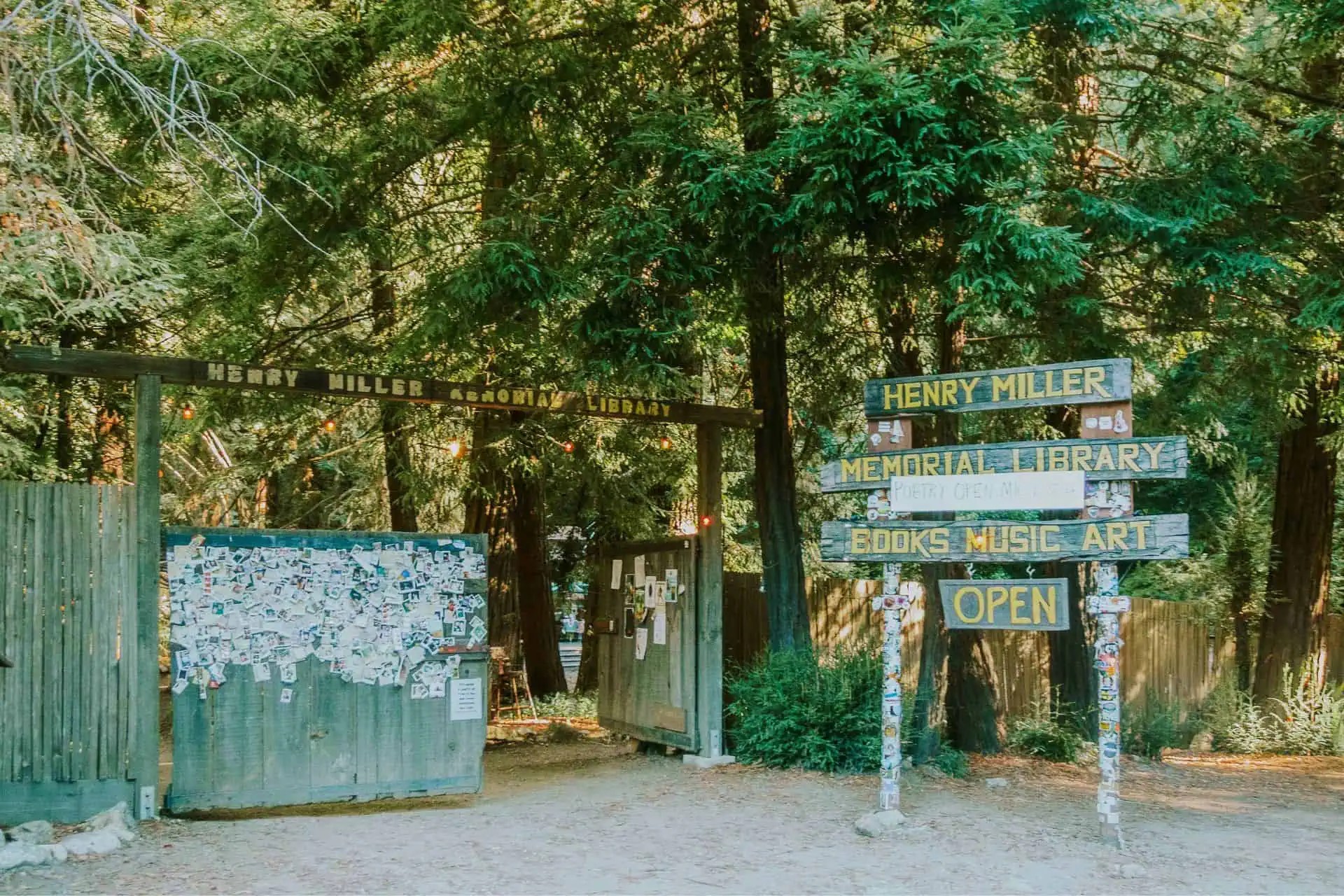
One of Big Sur’s most soulful landmarks, the Henry Miller Memorial Library is part bookstore, part gallery, and part community gathering space. Tucked beneath towering redwoods, it celebrates art, literature, and the untamed creative spirit that defined Miller’s life. Visitors can browse rare books, wander among sculptures, or relax under the trees. The library often hosts live music, readings, and open mic nights, making it a true hub for the local creative community.


Hawthorne Gallery
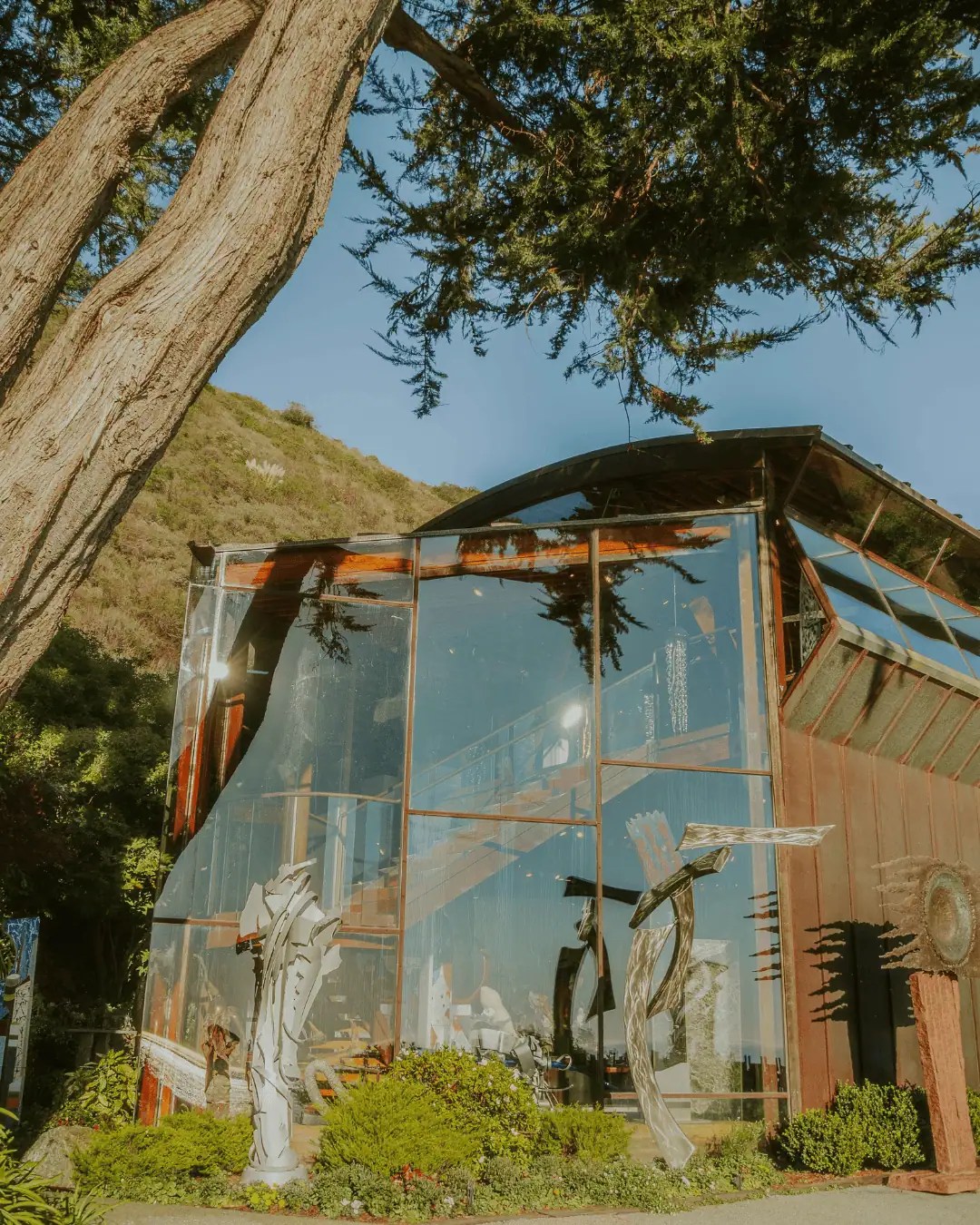
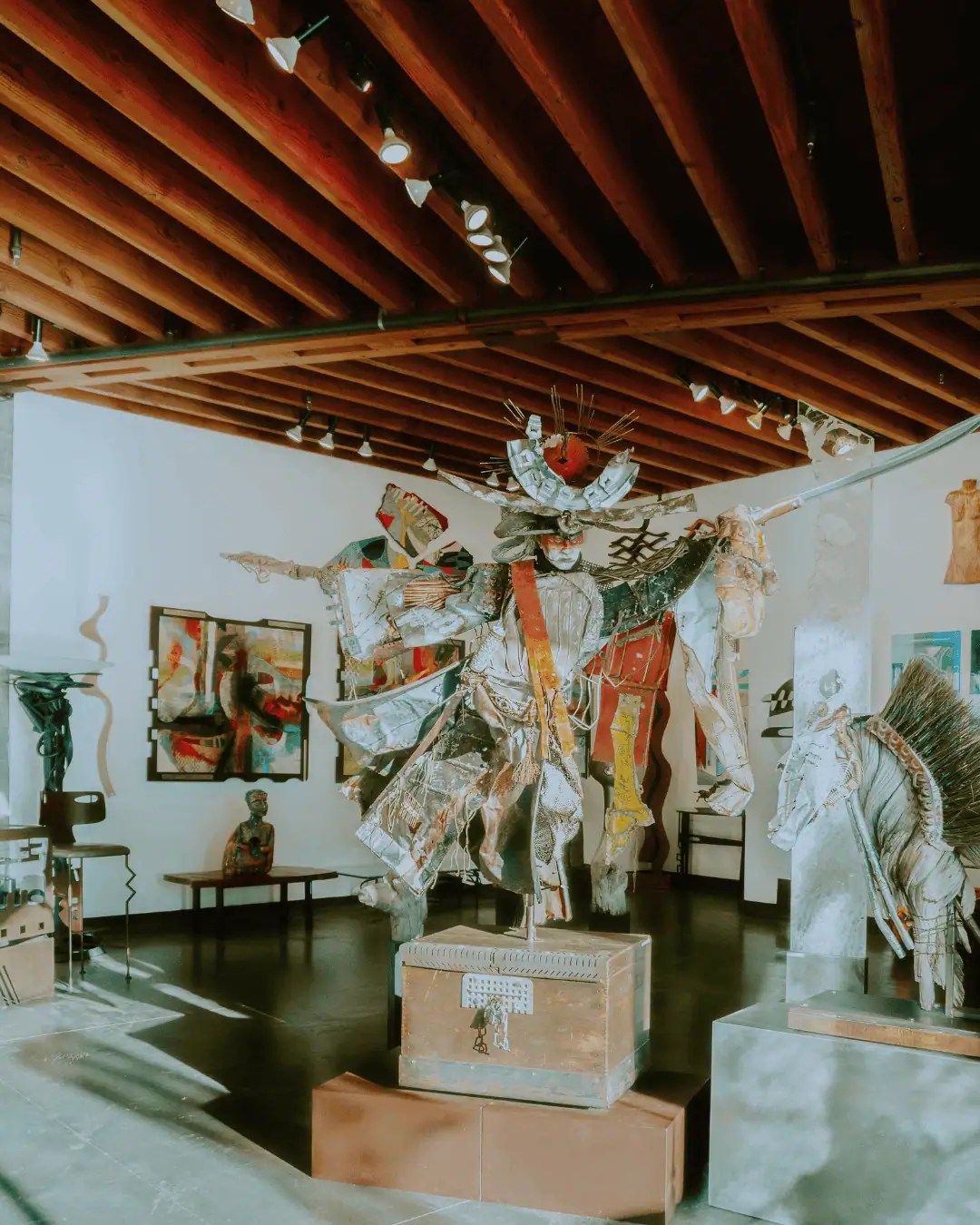
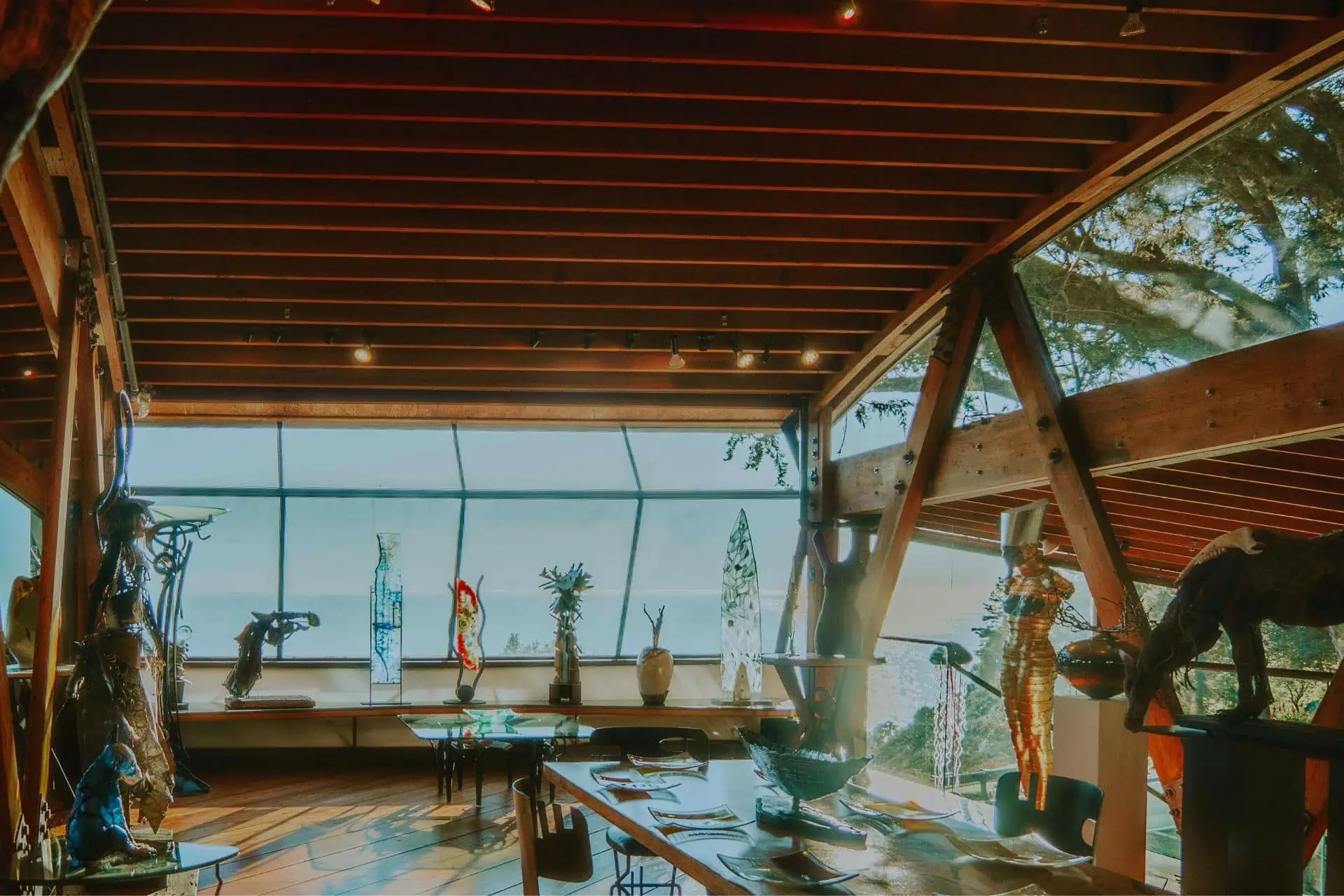
A beautiful, family-owned modern art gallery with striking architecture and the Pacific Ocean as its backdrop. Across the street, you’ll find a restaurant with stunning coastal views — a perfect place to stop for a break.
Where to Stay in Monterey
Where I Stayed:
- Arbor Inn Monterey – A basic, clean inn with reasonable prices and a convenient location.
Other Great Options:
- Victorian Inn– Classic Victorian charm in the heart of Cannery Row, within walking distance to Monterey Bay attractions.
- Monterey Plaza Hotel & Spa– – A luxury option with stunning bay views, a full-service spa, and a private beach, just steps from Cannery Row and the Monterey Bay Aquarium.
- Spindrift Inn – Another luxury option located directly on the beach, offers elegant accommodations in the heart of Monterey
Final Thoughts: Monterey & Big Sur Road Trip
The Monterey and Big Sur coastline is truly one of the most stunning stretches of coastline in the world. From dramatic cliffs and turquoise coves to towering redwoods and abundant marine life, this iconic California road trip offers a little bit of everything — and it never gets old, no matter how many times you return.
Whether you’re hiking along the cliffs at Point Lobos, spotting whales in Monterey Bay, or cruising Highway 1 with the windows down, this trip captures the wild, rugged beauty that makes the California coast so special. It’s an essential road trip for anyone visiting the state and a perfect reminder of why this coastline is famous worldwide.
If you’re planning more adventures, be sure to check out my other California travel guides, including coastal road trips, national parks, and scenic day trips. And if you loved the dramatic landscapes here, you’ll definitely want to explore my guide to Point Reyes National Seashore in Northern California — another incredible stretch of coastline filled with windswept cliffs, wildlife, and unforgettable views.
Here’s to chasing ocean views, slow drives, and golden-hour moments along the California coast 🤍


