
San Cristóbal was our first stop in the Galápagos—and within minutes of landing, we were dodging sea lions sprawled across sidewalks, benches, and even the middle of the road. It didn’t take long to realize this island is just as wild as you imagine.
If you’re planning a San Cristóbal Galápagos itinerary, this guide covers everything you need to know—from the best tours and snorkeling spots (including Kicker Rock) to travel tips, costs, and how to explore the islands without booking a cruise.
We spent 4 days on San Cristóbal, and it ended up being one of our favorite islands for wildlife, ease, and overall vibe. Here’s how to plan your time there:
4 Day San Cristóbal Galápagos Itinerary:


Flying into San Cristóbal vs. Santa Cruz
There are two main airports in the Galápagos Islands: San Cristóbal and Santa Cruz (Baltra). If you’re deciding where to fly into, San Cristóbal is by far the easier option.
From San Cristóbal Airport, you can walk to town in about 10–20 minutes depending on your hotel, or grab a taxi for just a few dollars.
Santa Cruz, on the other hand, is a bit of a journey:
- $5 bus
- $1 ferry
- $25–30 taxi
- Total travel time: ~1.5 to 2 hours depending on wait times
We ended up flying into San Cristóbal and out of Santa Cruz, which worked really well.
If you’re planning to do a cruise, though, Santa Cruz has way more departure options—something to keep in mind.
Land-Based vs. Cruise Travel in the Galápago
We originally planned to book a last-minute cruise to try and score a deal. But after doing more research and talking to locals in Quito, we pivoted to a land-based itinerary—hopping between the three main islands and doing day tours instead.
Hot take: I think this is the better option for most travelers.
It’s significantly more budget-friendly and gives you more time to actually enjoy each island. Unless you’re doing a dedicated diving cruise, you can see a huge amount of wildlife through day tours and snorkeling.
Cruises do take you to more remote areas, but for general wildlife experiences, the difference isn’t as big as you might expect.
If you are set on a last-minute cruise:
- Fly into Santa Cruz
- Research routes and pricing in advance
- Visit multiple agencies (there are 50+ in town)
- Always compare prices and read reviews
We ran into both great and not-so-great agencies—so definitely look for ones that provide clear receipts and detailed pickup instructions.
Cost of Visiting the Galápagos
Let’s be real—this is one of the most expensive destinations in South America.
For us (coming from California), prices felt similar to home. But compared to mainland Ecuador, it’s very expensive.
Entry costs:
- $200 cash (Galápagos National Park fee)
- $20 transit control card (must be purchased at the airport before your flight—QR code required for boarding)
Cash is king here:
- Most places only accept cash
- ATMs are limited and can run out of money
- Withdrawal limits: $100–300 per transaction (often $300/day max)
- Fees: around $4–5 per withdrawal
- Some hotels accept cards but charge ~10% extra
Come prepared with enough cash—it’ll save you a lot of stress.
Booking Hotels & Saving Money
We visited during shoulder season (mid-March to early April), and one of the biggest money-saving tips we discovered was booking accommodations in person.
Hotels often charge less directly since they avoid third-party platform fees.
Examples:
- Santa Cruz hotel: $106 online → $82 in person
- Isabela lodge: $134 online → $95 in person
You can also try messaging hotels directly via WhatsApp or email to negotiate better rates.
But if you are visiting in busier seasons or want to book a few nights first this is where we stayed at in San Cristobal: Eco Hotel Katarma. Its a beautifully tiled hotel with a pool and walkable from the airport!


Weather in San Cristóbal Galapagos
One thing we were not prepared for: the heat.
The Galápagos sits right on the equator, and the sun is intense all day long. It’s hot, humid, and there’s very little shade.
We quickly adjusted our schedule:
- Early mornings: activities
- Midday: rest (cafes, hotel, shade)
- Late afternoon: explore again
You really only get a few “comfortable” hours of activity time unless you’re on a boat or in the water.
Things to Do in San Cristóbal
We had about 2.5 full days of activities, and here’s what we did:
Half-Day Land Tour (~$40 in person)
This is one of the best-value tours on the island and perfect if you want to see a variety of landscapes in just half a day. It typically includes three stops:


- El Junco Lagoon – A crater lake inside an extinct volcano and one of the only freshwater lagoons in the Galápagos. It’s a key spot for frigatebirds, which come here to rinse the salt from their feathers. There’s about a 2 km hike up to the crater, but the views are worth it.
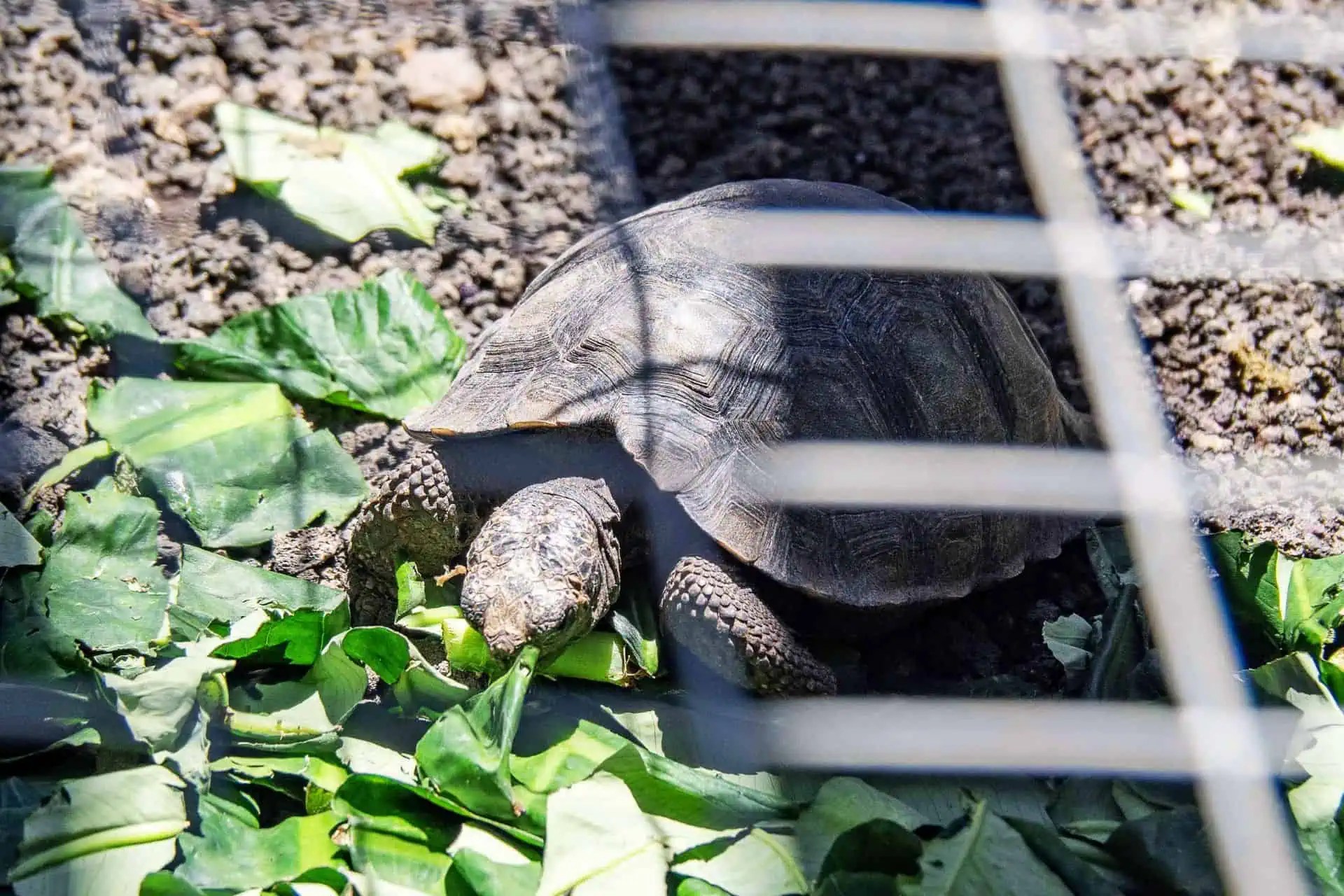
- Galápagos Tortoise Breeding Center – A chance to see giant tortoises at every stage of life, from tiny hatchlings to 100+ year-old giants.
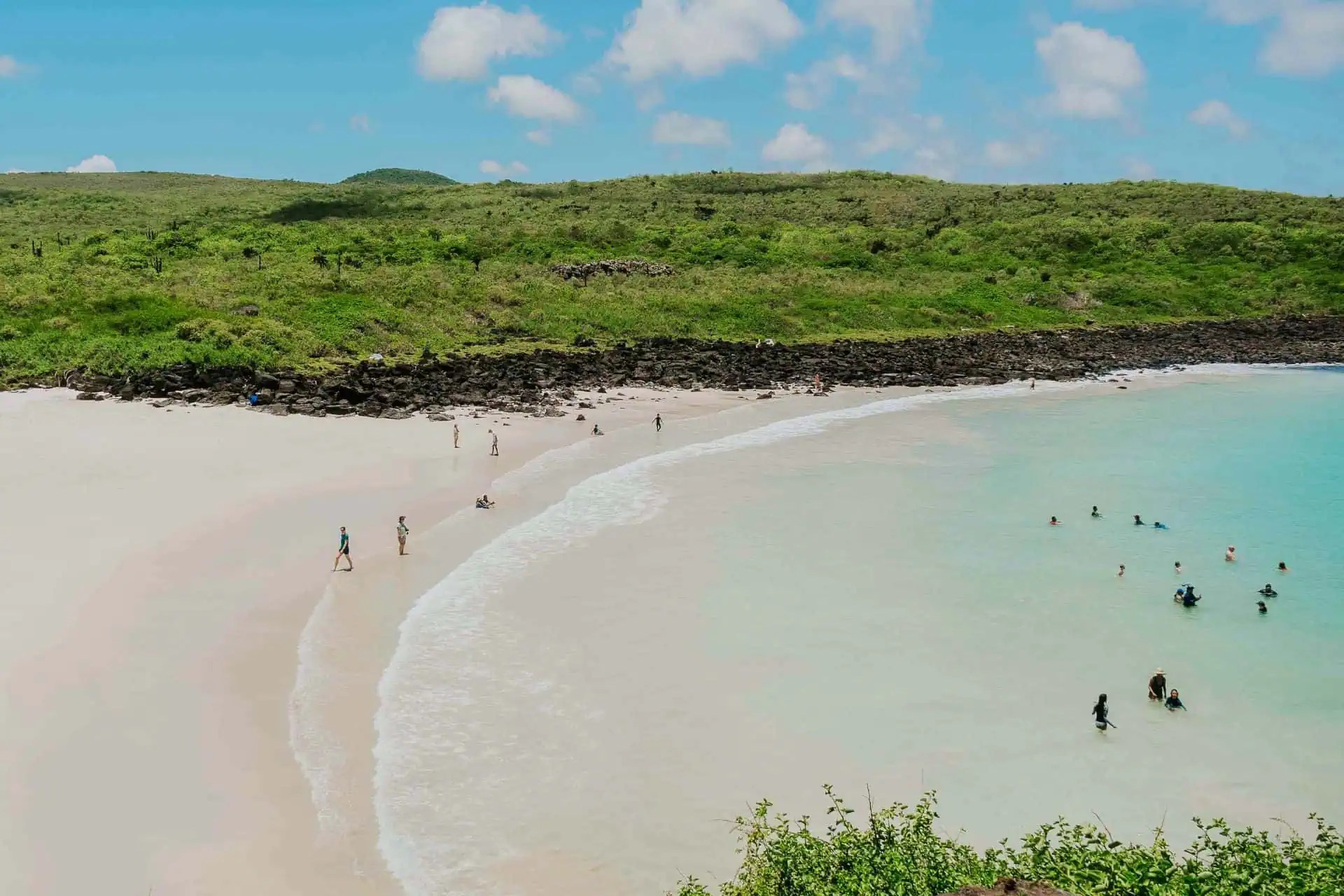
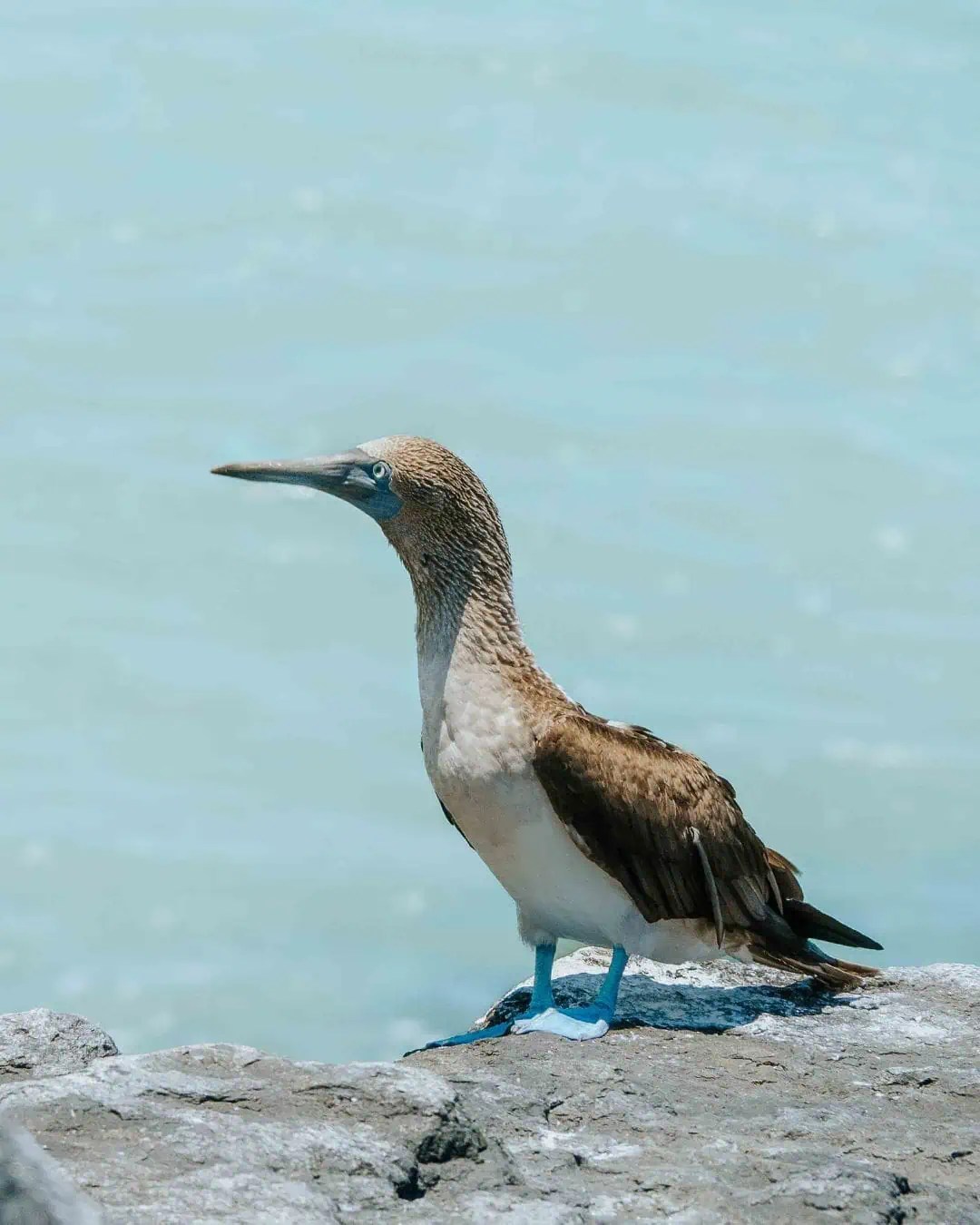
- Puerto Chino Beach – A stunning white sand beach with bright turquoise water. If you’re lucky, you might even spot blue-footed boobies nearby.
If you want to preview what the itinerary looks like, you can check out this example tour: San Cristobal Land Tour
That said, you don’t need to book this in advance. Tours run daily, and you’ll almost always get a better price booking in person once you arrive—plus there’s no real risk of it selling out.
San Cristóbal 360 Tour ($120–180 in person)


This was one of the highlights of the trip—and absolutely worth it.
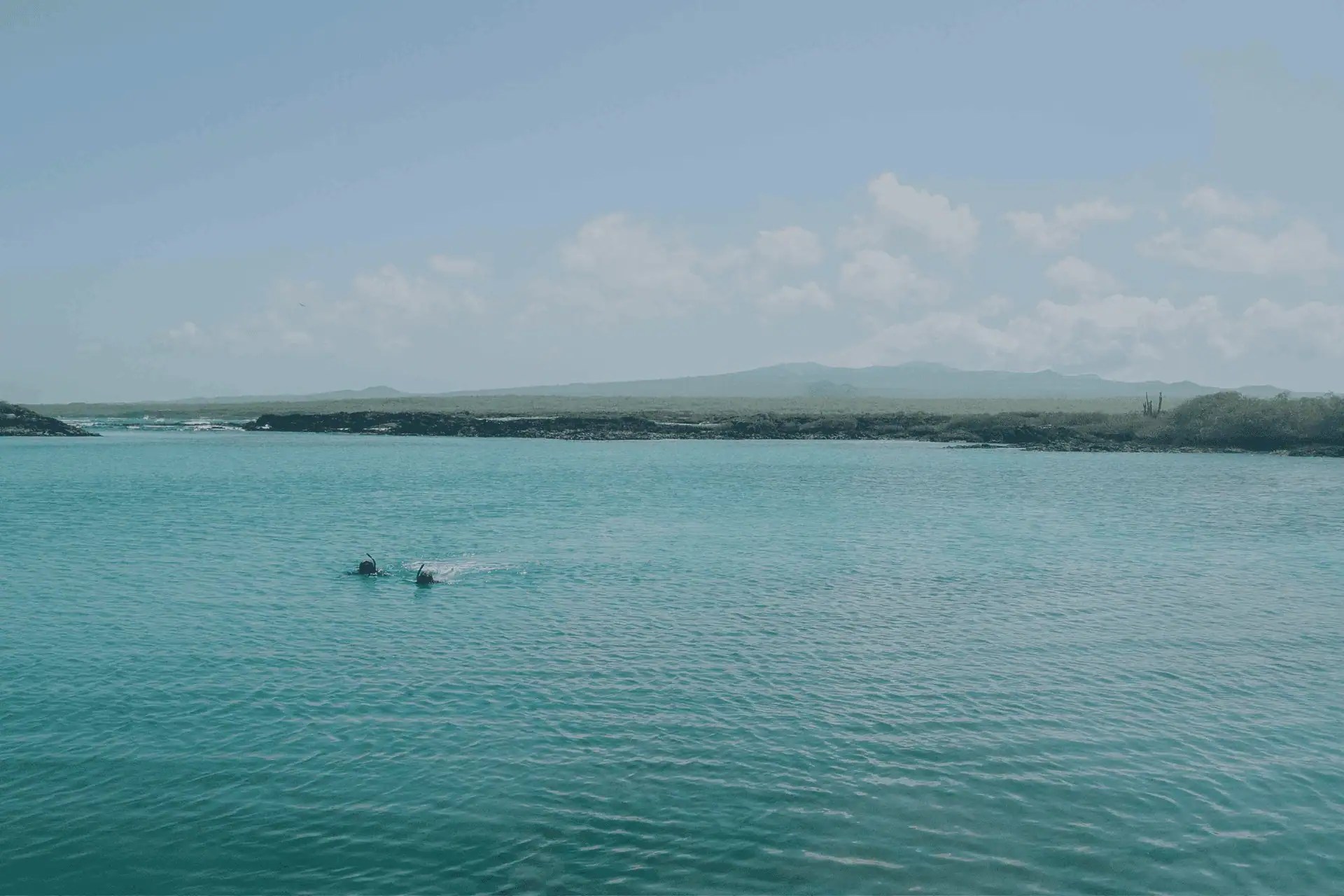
You’ll circle the entire island by boat and stop at multiple snorkeling spots:
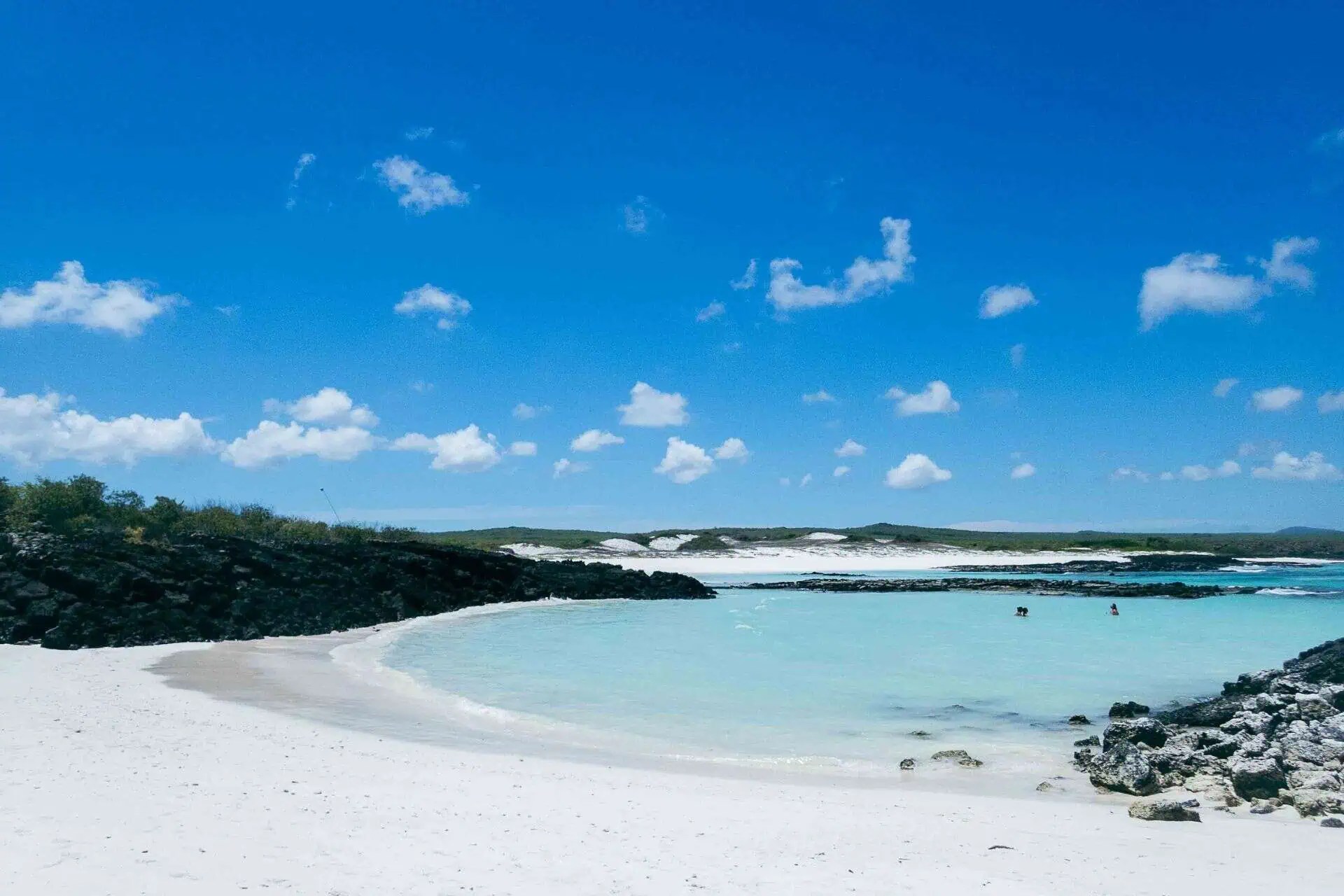
- Rosa Blanca – White sand dunes, turquoise water, and incredible snorkeling with reef sharks, sea turtles, and rays
- Bahía Sardina – Calm, crystal-clear water perfect for swimming
- Kicker Rock (León Dormido) – The iconic volcanic formation where you snorkel between towering rock walls
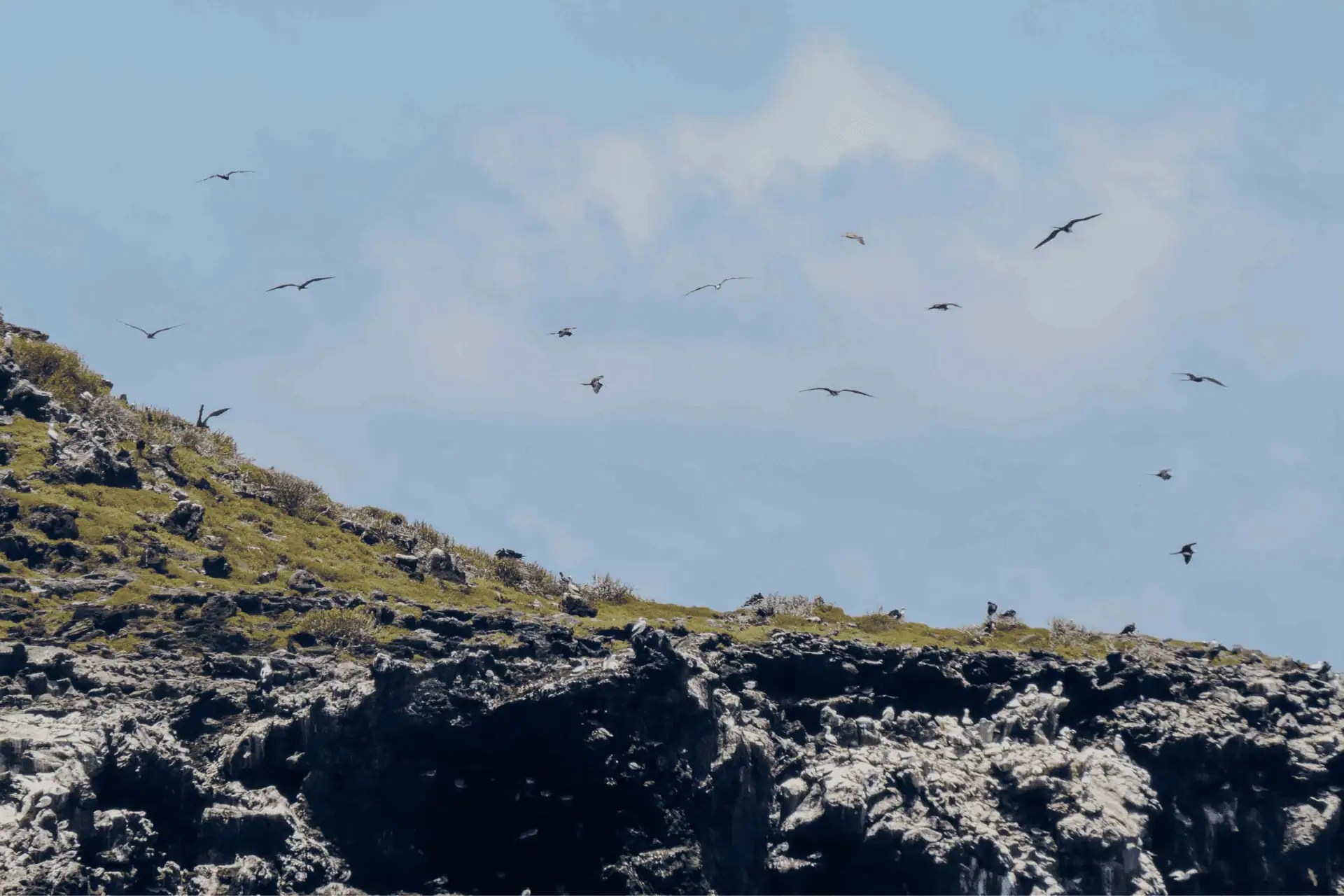
- Wildlife here is next level—sharks, rays, turtles, and tons of fish.
- Depending on ocean conditions, some tours also pass by Punta Pitt for a scenic and birding views (no landing).
- We saw 2 pods of dolphins on the trip!
If you want to secure a spot ahead of time, you can check availability here on Get your Guide: *Unfortunately it is usually more expensive online. You can also check online for local tour agencies and reach out directly in advance!
This is one tour that can sell out—especially during peak and even shoulder seasons. We were able to book it in person because we had flexible dates, but we met several travelers who missed out because they waited too long.
Booking Tips for Tours
- Booking locally is almost always cheaper than booking 3rd party
- Check Google reviews/tripadvisor for reputable agencies
- There are plenty of agencies on the island, so it’s easy to shop around
- For popular tours like the 360, consider booking in advance
- International booking platforms tend to have higher prices due to added fees and up charging
If you’re trying to stick to a budget, your best bet is to walk into a few agencies when you arrive and compare prices.
Free Activities in San Cristobal
Some of our favorite experiences didn’t cost anything:
- Area around the Main Dock – Tons of wildlife sightings here, sea lions, crabs, marine iguanas and more
- Playa Mann – A beautiful beach full of sea lions, marine iguanas, and crabs
- Muelle de Pescadores (Fish Market Pier) – Pelicans, frigatebirds, and sea lions gather here when fishermen return—it’s chaotic and fun to watch
- Interpretation Center – A free museum with history of the islands, plus trails leading to viewpoints and snorkeling spots
- Muelle Tijeretas (Frigatebird Hill) – A short hike to one of the best free snorkeling spots on the island


Diving vs. Snorkeling in Galapagos
Snorkeling in San Cristóbal is incredible—but if you’re a certified diver, this island takes things to a whole different level.
One of the top dive sites here is Kicker Rock (León Dormido), known for its dramatic underwater terrain and the chance to see larger marine life up close. It’s especially famous for:
- Schools of hammerhead sharks
- Strong currents (making it better suited for experienced divers)
- Deep-water species you won’t typically see while snorkeling
We personally only snorkeled, and while we did spot sharks, they were mostly deeper below us—more like blurry silhouettes than clear sightings. It was still amazing, but it definitely made us realize how much more you can experience on a dive.
If diving is on your list, there are several local dive shops in town offering trips to Kicker Rock and other nearby sites. Similar to other tours in the Galápagos, you’ll usually get the best prices by reaching out or booking directly with local agencies rather than going through international platforms.
One important thing to know: these tours are in high demand and can book out quickly. If diving is a priority for your trip, it’s worth doing a bit of research ahead of time and reaching out to a few operators directly early to secure your spot.


Final Thoughts on San Cristóbal
San Cristóbal is the perfect introduction to the Galápagos Islands—easy to navigate, full of wildlife, and packed with incredible experiences both on land and in the water.
Between the sea lions taking over the town, the world-class snorkeling, and the laid-back island vibe, it’s a place that’s hard not to love.
After San Cristóbal, we took the ferry to Santa Cruz to continue exploring the islands.
Getting Between Islands: Galápagos Inter-Island Ferries
If you’re doing a land-based Galápagos itinerary, inter-island ferries are the main way to get around—and something you’ll definitely want to plan for in advance.


Galapagos Ferry Routes & Schedule
There are two main ferry routes connecting the three populated islands:
- San Cristóbal → Santa Cruz (~1.5 hours)
- Santa Cruz → Isabela (~2 hours)
Ferries typically run twice per day:
- Morning departure: ~7:00 AM (6:00 AM from Isabela)
- Afternoon departure: ~3:00 PM
The morning ferry is usually the better choice. The ocean tends to be calmer earlier in the day, and you’ll arrive with plenty of time to explore your next island.
Cost & What to Expect
Ferry tickets generally cost $30–$38 per person, depending on the operator and boat quality.
Not all ferries are created equal—some of the slightly higher-priced options offer:
- More comfortable seating
- A larger top deck
- Occasionally even Wi-Fi
That said, all ferries are speedboats, so expect a bit of a bumpy ride no matter which one you choose.
Check-In & Boarding Process
Plan to arrive about 1 hour before departure. Each island has its own inspection process before boarding:
- San Cristóbal: Bags are checked by a sniffer dog
- Santa Cruz: Luggage goes through a screening machine
- Isabela: Manual bag inspections
After check-in, you’ll also need to take a short water taxi (small boat) from the dock to your ferry.
💵 Cost: $1 per person, per ride
👉 That’s an extra $2 total per ferry trip (departure + arrival)
All docks are “wet landings,” so be prepared to step in and out of small boats.
Tips for a Smoother Ride
- Sit on the top deck (if available): Better views and fresh air make a big difference
- Bring motion sickness medication: We used Bonine for every ferry and boat tour
- Took one the night before
- And another about an hour before departure
- Pack light and waterproof anything important—you might get splashed
Alternative: Inter-Island Flights
If you’re short on time, prone to seasickness, or just want a more comfortable option, you can also fly between islands.
- Cost: ~$150–$180 one way
- Much faster than ferries
- Limited schedules and smaller planes
For us, the ferries were totally doable—but if you know you get seasick, the flights could be well worth the upgrade.
This is one of those parts of the Galápagos experience that’s a little rugged—but also part of the adventure. Once you know what to expect, it’s easy to plan around it and make the most of your time island hopping.
If you found this guide helpful, be sure to check out my other travel blogs for more itineraries, tips, and destination guides. I’ll also be sharing more from Ecuador soon—including Santa Cruz, Isabela, and beyond—so stay tuned for more Galápagos and South America adventures!
P.S. Like the vibe of these photos?
I’ve turned some of my favorite travel shots into art prints over on my Etsy shop! Not every place I write about makes it into the shop, but if you’re into dreamy landscapes, vintage surfers, or just love a cute puffin, come take a look: Night Star Studio on Etsy


