
I took the ferry from San Cristóbal Island to Santa Cruz Island and immediately felt the shift.
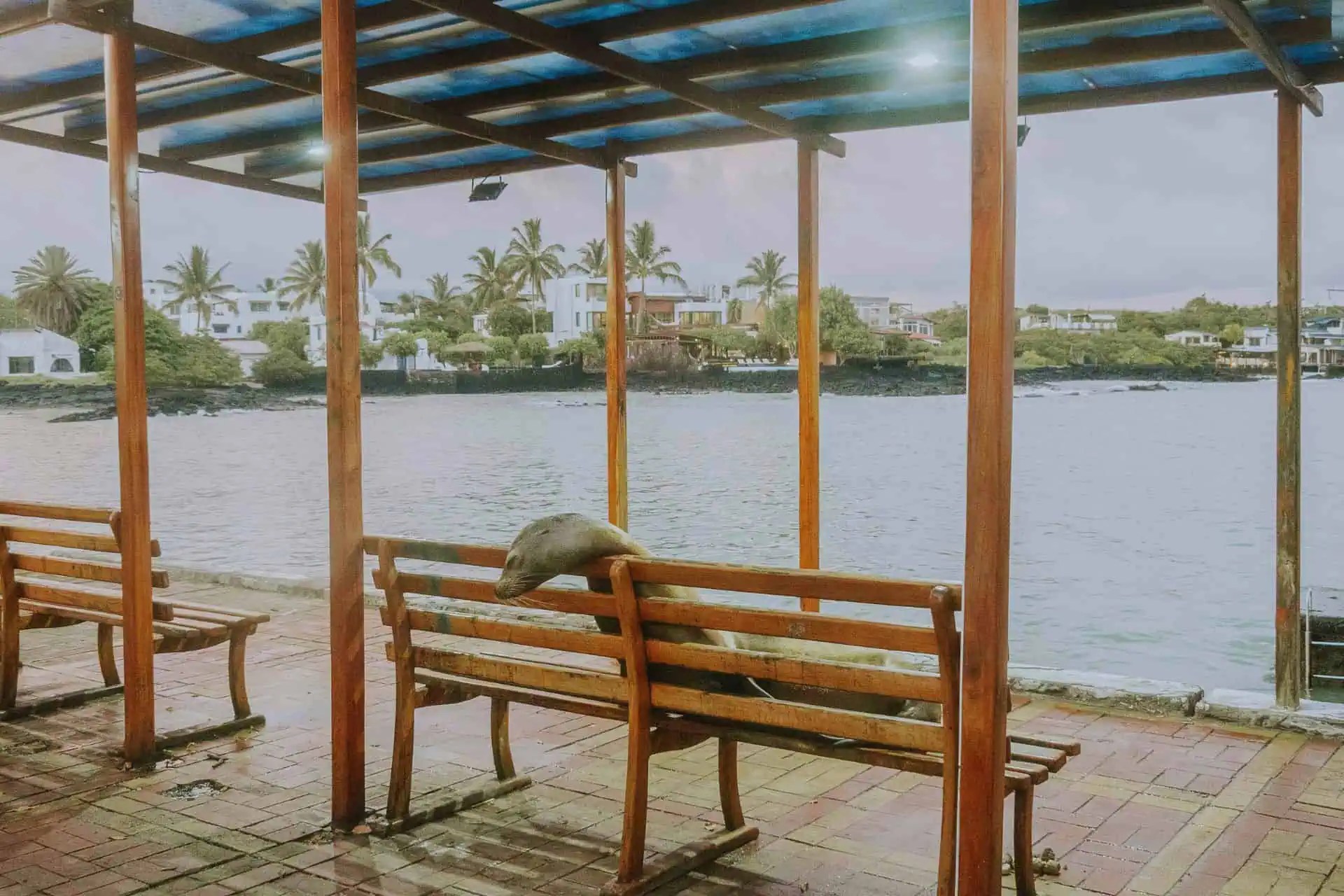
San Cristóbal felt slower, more local, with sea lions everywhere. Arriving in Puerto Ayora was the opposite—busier, more developed, and noticeably more commercial.
There are far more restaurants, tour agencies, and souvenir shops here. After spending time on the quieter islands, it almost feels like a small city.
That comes with some upsides.
If you’re planning to shop, Santa Cruz is the best place to do it. The other islands can be cheaper, but this is where you’ll find the most variety, including more polished boutiques and higher-end options.
One thing I noticed right away—far fewer sea lions than San Cristóbal. I missed that a bit at first.
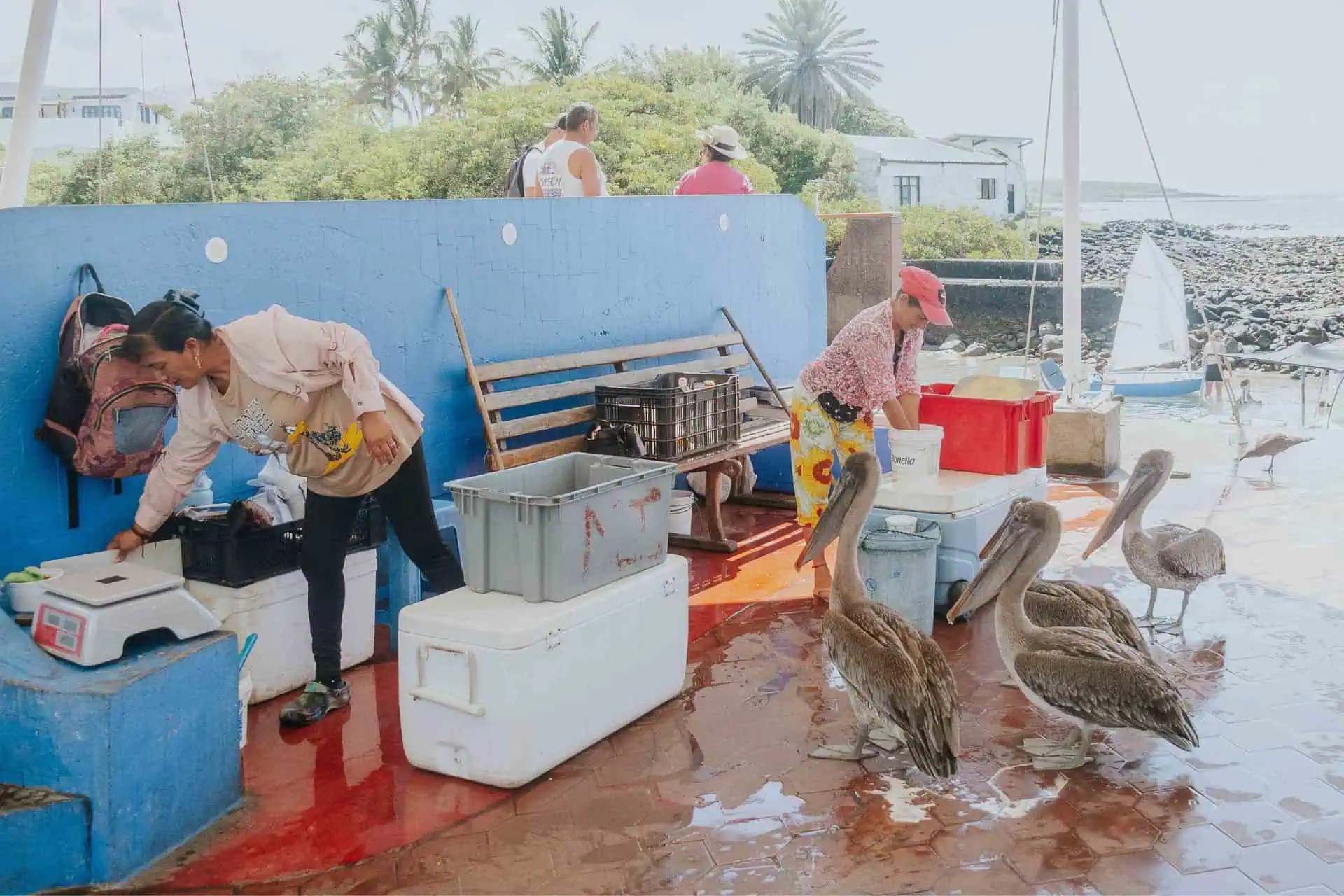
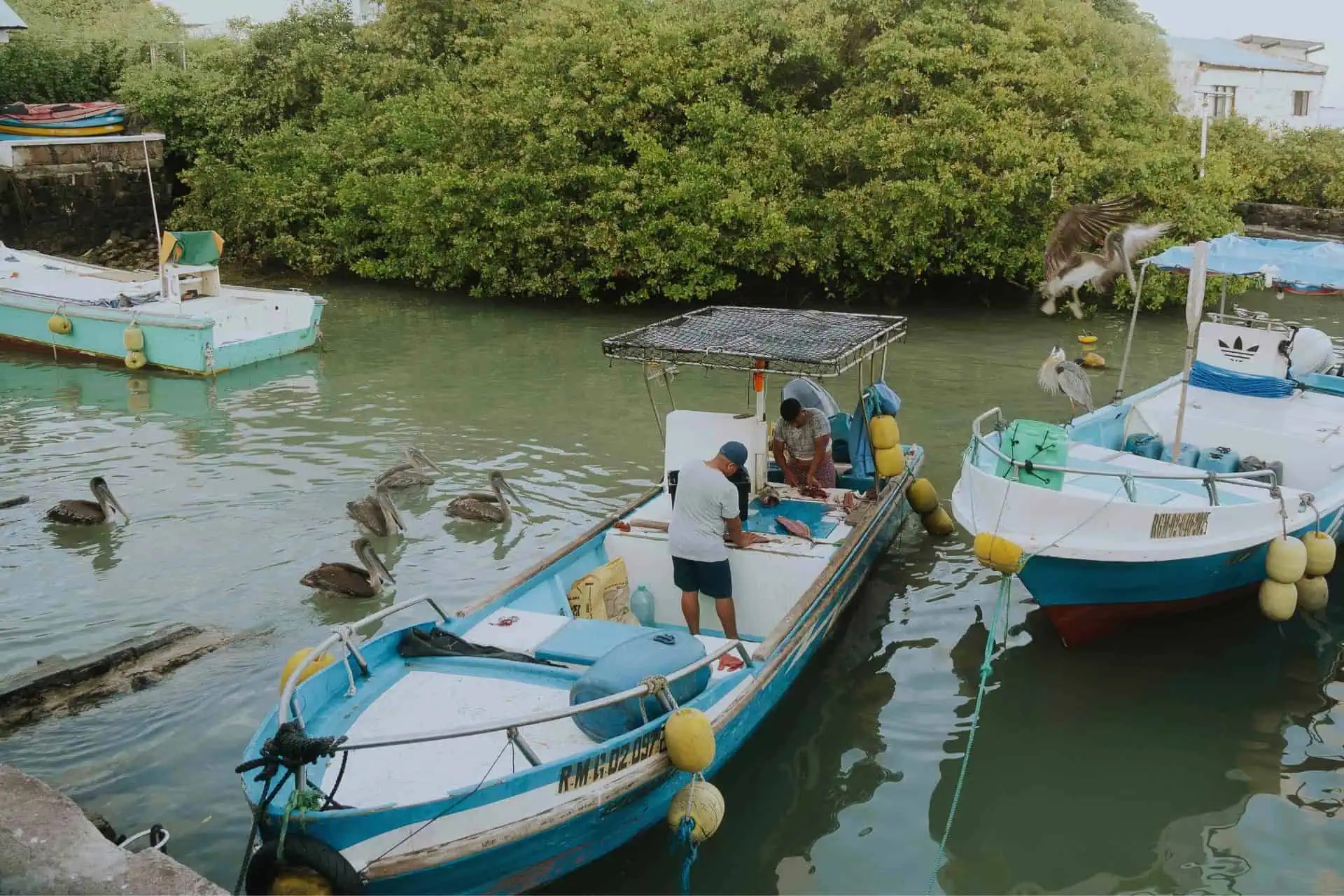
But there’s still plenty of wildlife around. The pier area stays active, and the fish market turns into a scene with pelicans, frigate birds, herons, and marine iguanas all waiting for scraps. It’s chaotic, but fun to watch.
We personally prefer quieter, less crowded destinations, so we only spent about 2 days in Santa Cruz Galapagos before heading to Isabela Island for a longer stay—but the island still has plenty worth experiencing!


2 Days in Santa Cruz Galápagos
P.S. This post contains affiliate links. If you use my links to make a purchase, I’ll get a small commission at no extra cost to you. Thanks for your support!
Getting to Santa Cruz Island
We took the afternoon ferry from San Cristóbal Island to Santa Cruz. If you’re traveling during peak season, book your ferry tickets ahead of time—morning ferries especially can sell out.
Pro tip: Ferry prices usually range from $30–$38 depending on the company and boat quality.
You can also fly into Santa Cruz Airport. The trip from the airport to town is a bit of a journey though:
- $5 short bus ride
- $1 short ferry ride
- $25–30 taxi to town (50 mins)
- Total travel time: ~1.5 to 2 hours depending on wait times


How We Structured Our Time
We split our time in Santa Cruz into two short stays:
- First visit: 2 nights (arrived in the evening, 1 full day, then left early for Isabela)
- Second visit: 1 day and night (returned the morning before flying out)
This worked really well and gave us about 2.5 days total to explore without feeling rushed.
Why Stay in Santa Cruz?
Santa Cruz (specifically Puerto Ayora) is the main hub for:
- Day tours to nearby islands
- Budget-friendly day trips to remote islands (instead of cruises)
- Restaurants, shops, and tour operators
If you’re trying to do the Galápagos on a budget or trying to catch a last minute cruise deal, this is one of the best places to base yourself.
Things to Do in Santa Cruz
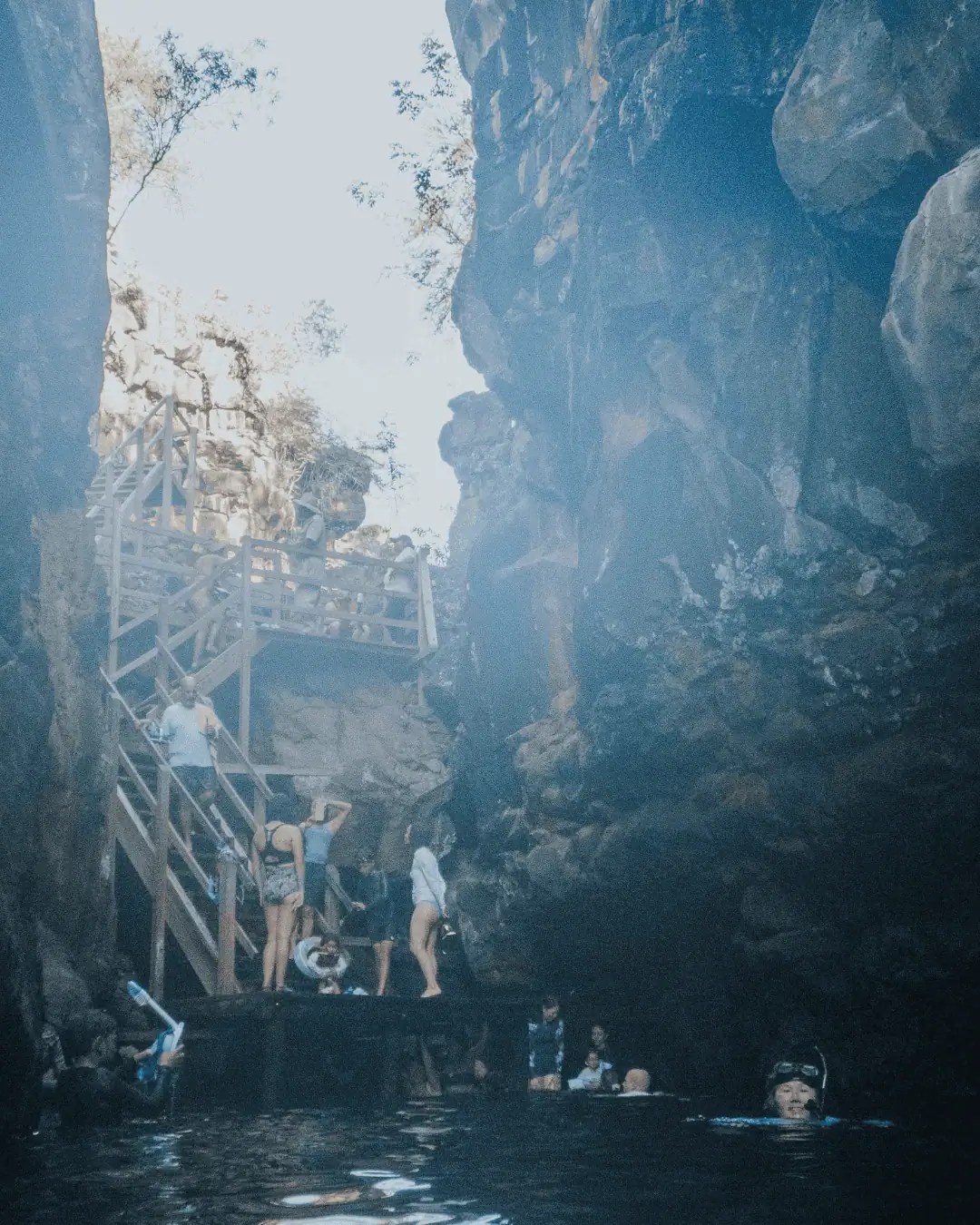
Las Grietas
Located near Las Grietas
- Cost: ~$10 per person
- Take a short water taxi, then walk to the site
- Entry is now guided only (tours leave hourly)
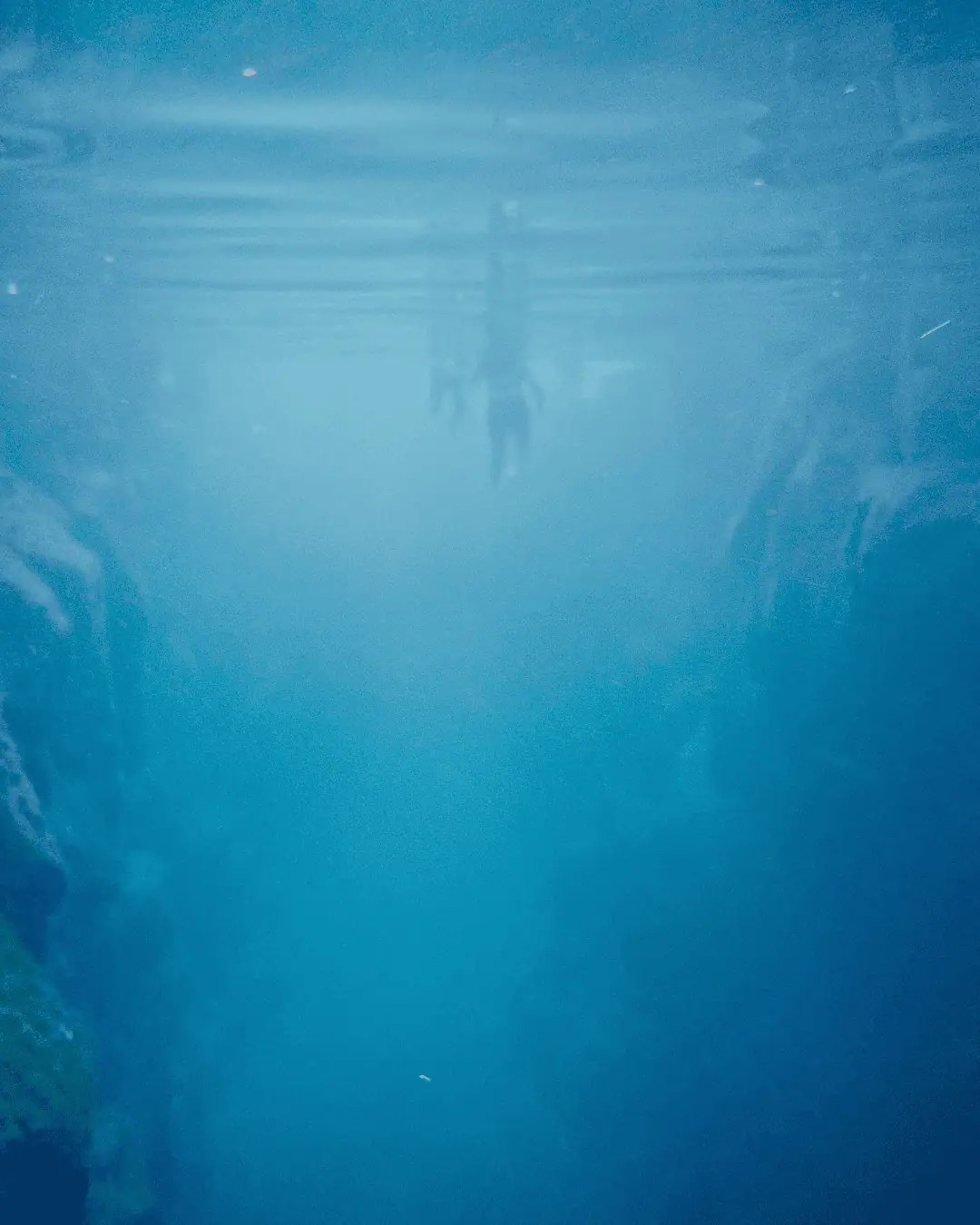
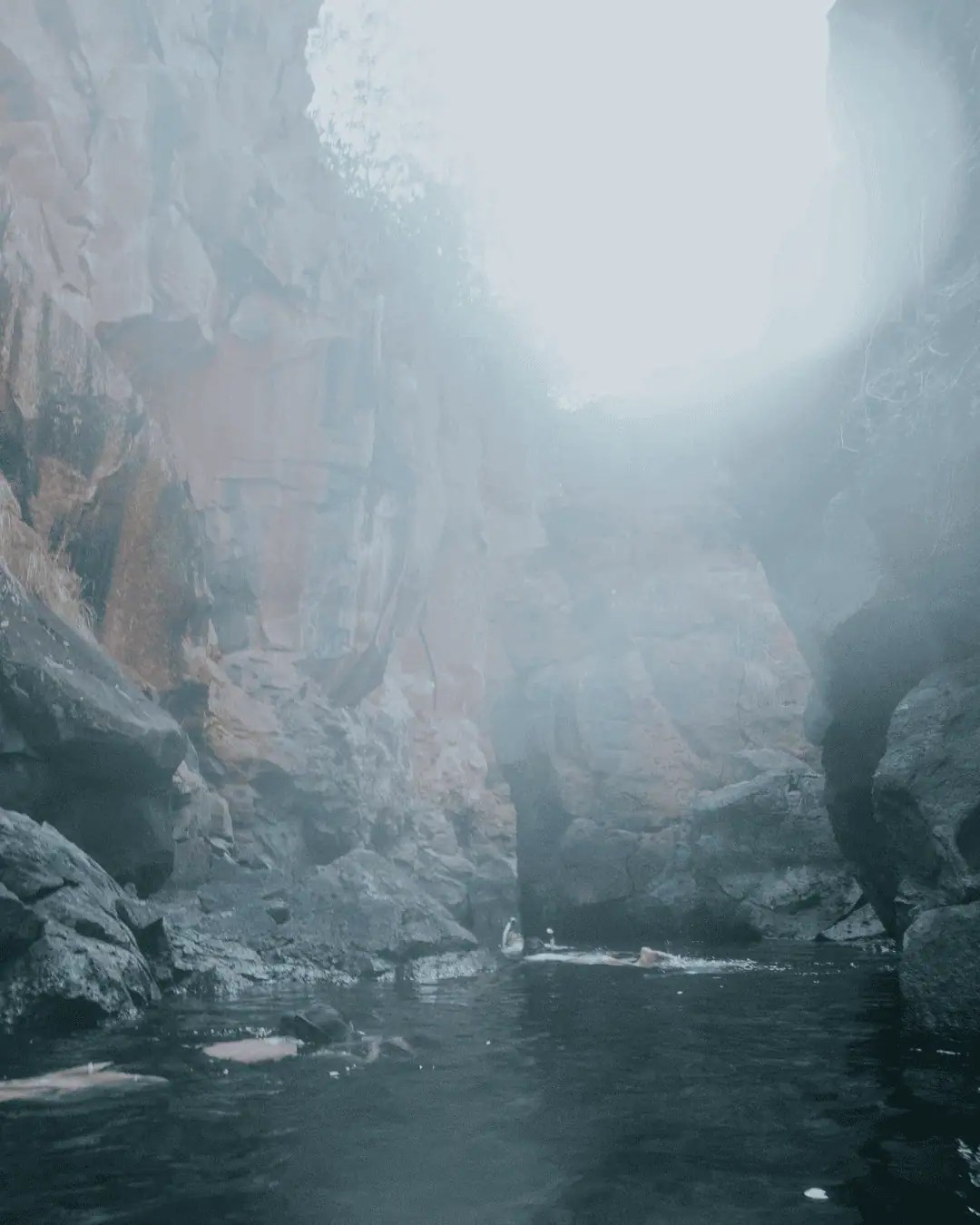
This is a narrow volcanic fissure filled with turquoise water—definitely unique. That said, it felt a bit overcrowded and overhyped when we went. There weren’t many fish, and it got loud quickly.
Cool to see once, but not a must-do in our opinion.
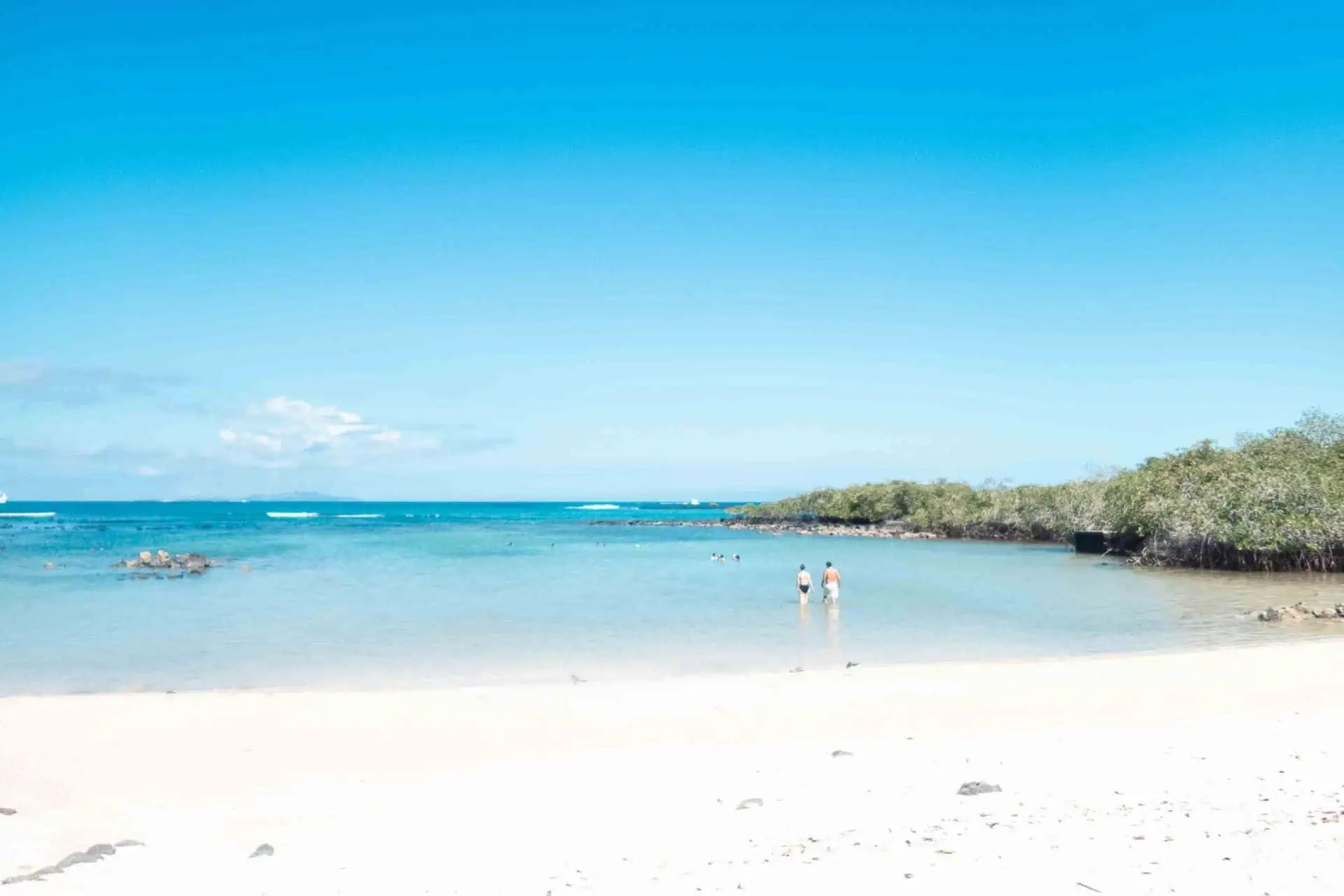
Playa Tortuga Bay
Tortuga Bay
- About a 45–60 minute walk from town
- Stunning white sand, mangroves, and dunes
- Good for wildlife spotting and sometimes surfing
This beach is beautiful and feels much more wild and untouched. Just be prepared:
- Very little shade
- Intense heat
I literally had to sit under the entrance sign for shade while eating snacks 😅


Charles Darwin Research Station
- Free entry
- Learn about conservation, history, and wildlife
This is a great educational stop to understand the bigger picture of the Galápagos—especially the conservation challenges.


Fish Market in Santa Cruz
A few minutes walk away from the main dock in Puerto Ayora
This ended up being one of our favorite unexpected experiences.
- Fresh fish sold at super low prices
- Fishermen return in the morning & afternoon
- Wildlife everywhere: pelicans, frigate birds, herons, and marine iguanas
Every time we went, it was a completely different (and chaotic) show.
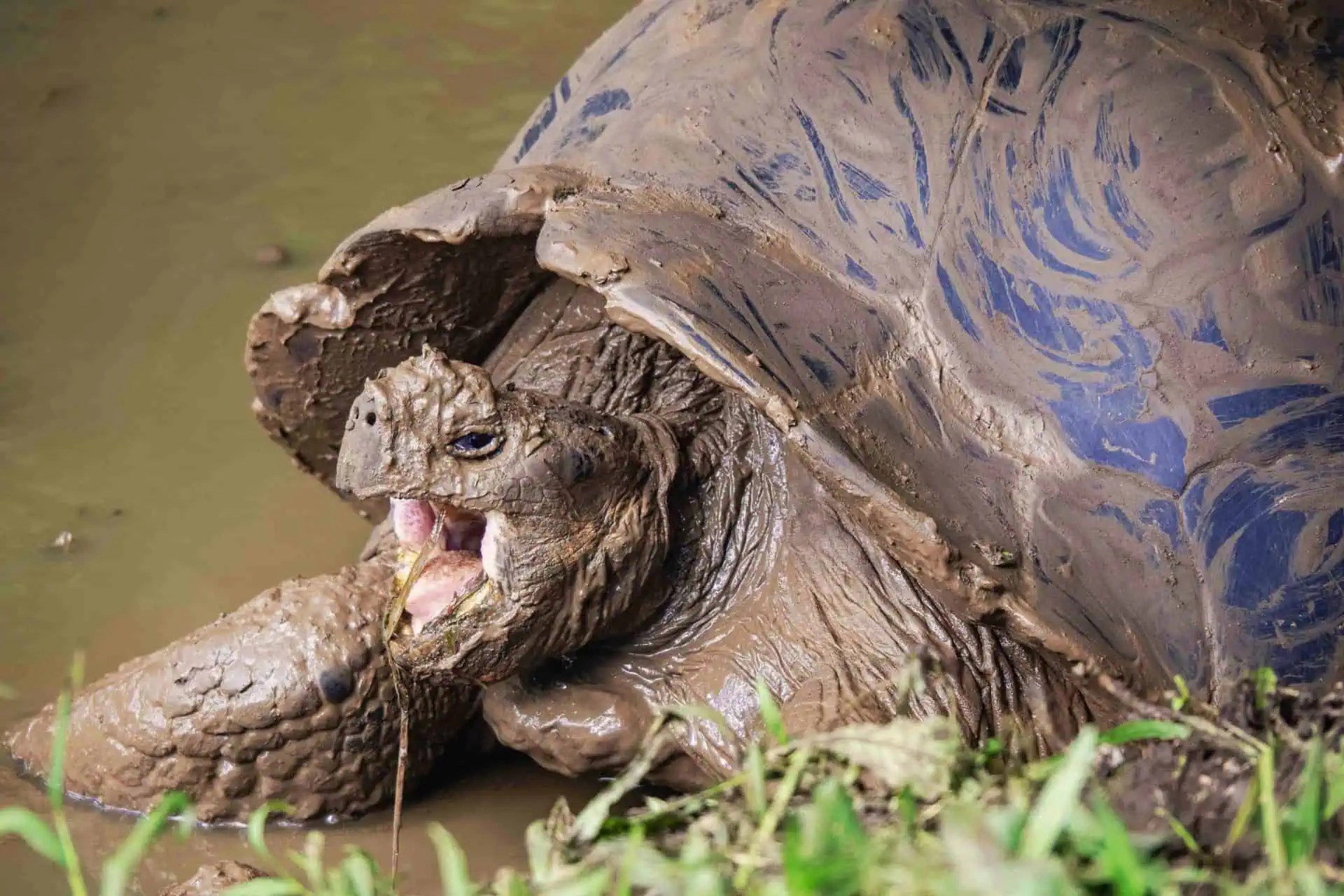
Visit a Giant Tortoise Ranch
We visited Rancho Primicias, but there several options in the island. Each ranch has its own set of lava tunnels to explore. Here are the 3 main ranches:
- El Chato Reserve (most popular, best lava tunnels)
- Rancho Primicias (most accessible)
- Rancho Terramar (newest and has the longest lava tunnel)
The tortoises roam freely between these ranches, so you’ll see them at any.
Cost comparison (estimation):
- Taxi + entry on your own: ~$50 taxi + ~$8.50 entry
- Tour: ~$40 per person
👉 If you’re solo, a tour is cheaper. If you’re with a group, splitting a taxi is more cost-effective.


Best Day Trips from Santa Cruz
Instead of doing a full cruise, you could also stay on land and book day tours to nearby islands:
- Pinzón Island – Crystal-clear snorkeling, fishing, and beach time at Playa Las Palmitas
- Bartolomé Island – Iconic Pinnacle Rock views, penguins, and snorkeling at Sullivan Bay
- Santa Fe Island – Secluded beaches, sea lions, and calm snorkeling waters
- Isabela Island – Wildlife like flamingos and giant tortoises
- Floreana Island – Flamingos, history, and snorkeling
- Española Island – Albatross, blowholes, and incredible marine life
These tours are a great alternative to cruises and can be paired with hostels to keep costs down.
Where We Stayed in Santa Cruz
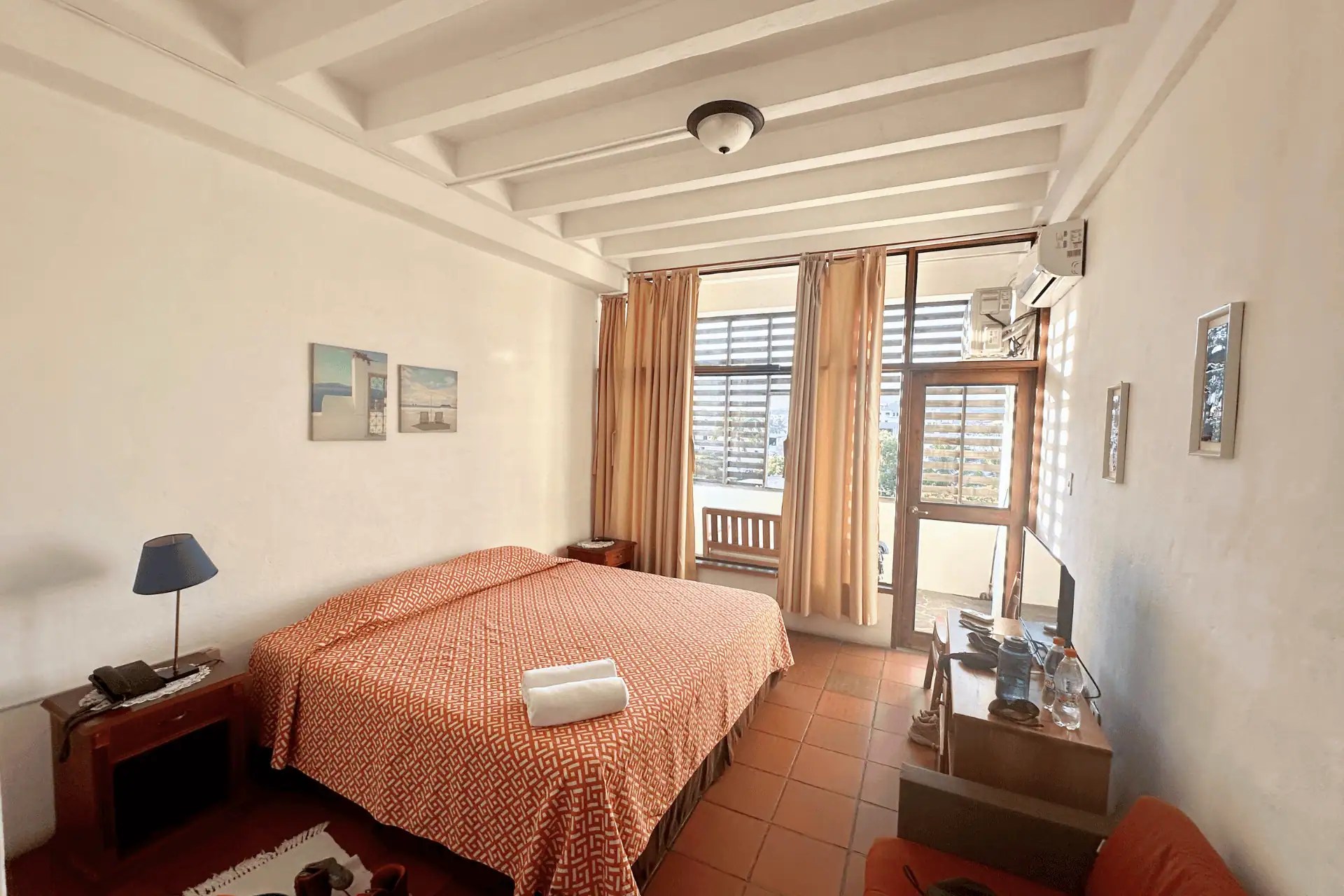
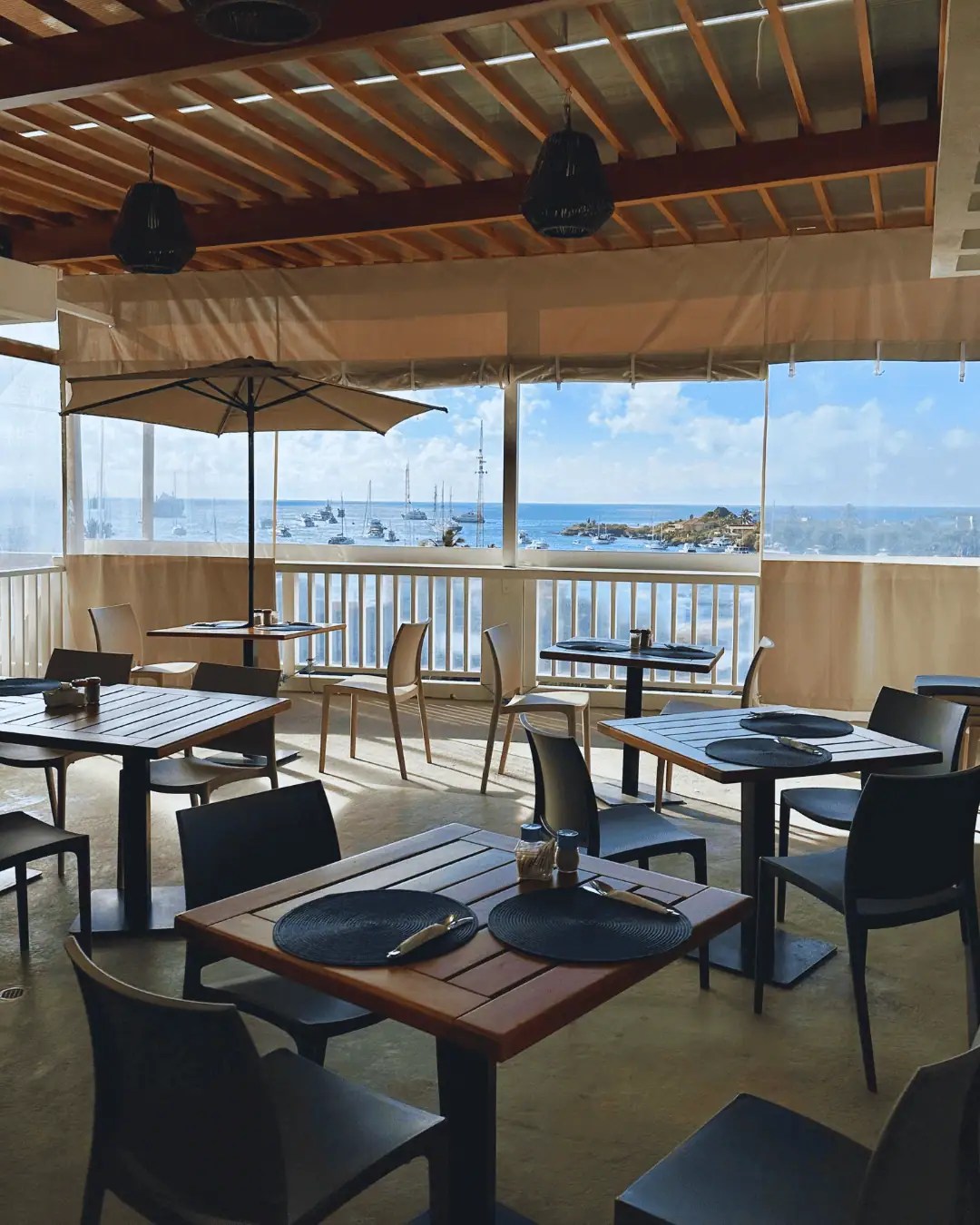
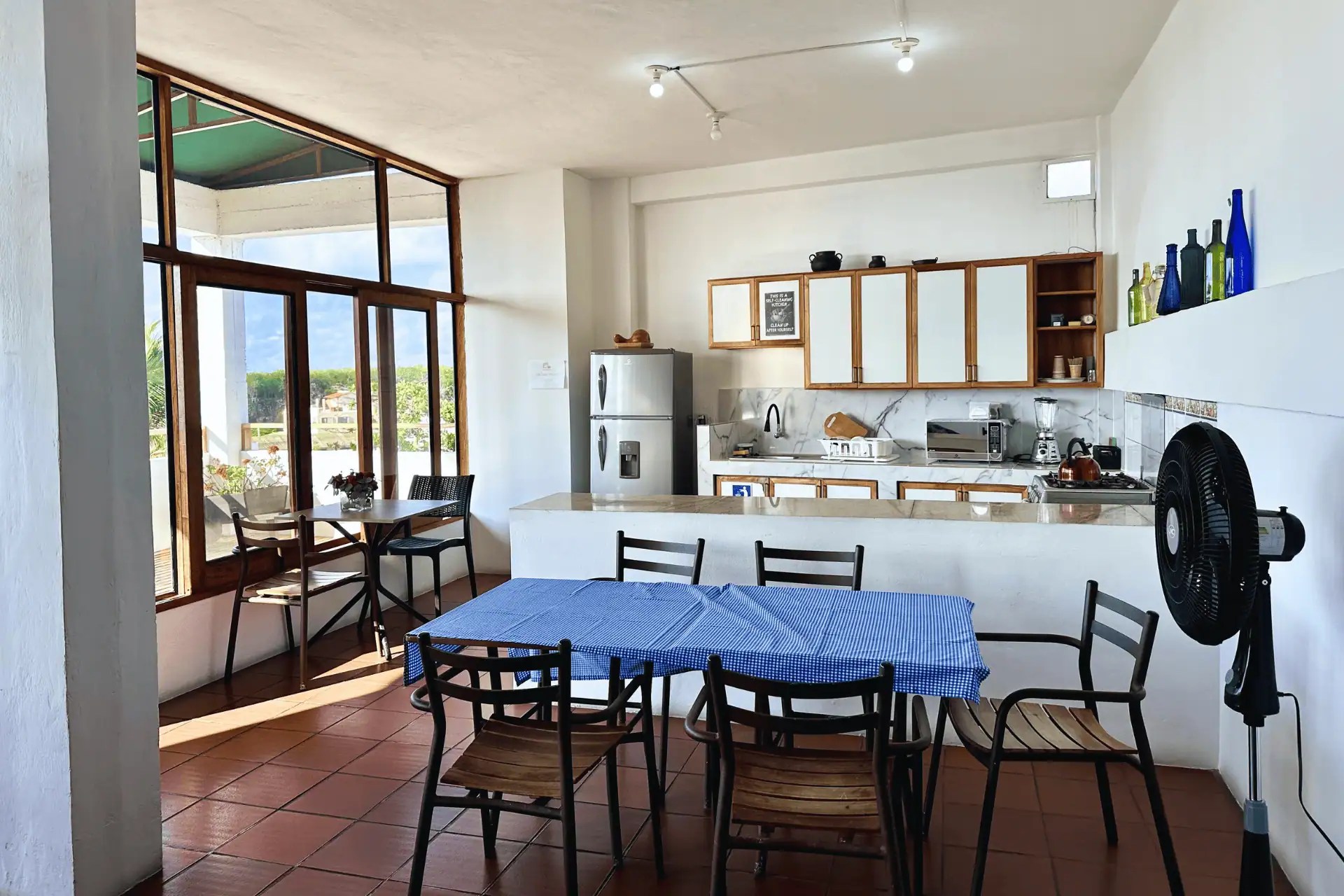
We stayed at Posada del Mar Galápagos
- Great location near the pier, beautiful views and common areas
- Friendly staff (Carlos at the front desk was amazing)
- Solid breakfast included
- Let them know if you’re taking a morning ferry and they’ll provide a snack for the ride
Money-Saving Tips for the Galápagos
We visited during shoulder season (mid-March to early April), and one of the biggest money-saving tips we discovered was booking accommodations in person.
Hotels often charge less directly since they avoid third-party platform fees.
2 Days in Santa Cruz Island, Galápagos Itinerary
Here’s exactly how we spent our ~2.5 days on Santa Cruz Island:
Day 1: Arrival + Waterfront Walk
- Arrived in the afternoon and checked into our hotel
- Walked along the waterfront in Puerto Ayora
We ended up at the fishing market near the pier, which turned into one of the most memorable spots. Fishermen were cleaning their afternoon catch right on the boats while pelicans crowded around hoping for scraps. Frigate birds circled overhead, and groups of egrets kept flying by.
It’s a bit chaotic, but fun to watch and an easy first activity after arriving.
Day 2: Tortoises, Darwin & Las Grietas
- Breakfast at the hotel, slow start
- Around 9am, took a taxi to a tortoise ranch
We visited a ranch in the highlands to see giant tortoises roaming freely and walked through lava tunnels. It’s a pretty easy and worthwhile half-day activity.
After, we asked the taxi to drop us at the
Charles Darwin Research Station (free entry).
Quick tip:
Taxis may drop you near a small office that tries to sell $10 tickets for the research center and a “tortoise breeding center.” It’s not necessary. Just politely and firmly say no and continue to the actual research station, which is free.
- Grabbed lunch on the way back into town
- Rested at the hotel during the heat
Later in the afternoon:
- Headed to Las Grietas
- Stopped by nearby beaches
Then wrapped up the day with dinner in town.
Day 3: Ferry to Isabela
- Took the morning ferry to Isabela Island
Return Day: Beach + Slow Afternoon
When we came back to Santa Cruz:
- Dropped our bags at the hotel
- Went straight to the fishing market again and grabbed brunch nearby
- Checked in properly
- Walked to Tortuga Bay and watched surfers
- Headed back to the hotel to relax
- Dinner in town
Departure Day
- Easy morning → flight out
Final Thoughts on Santa Cruz Island
Santa Cruz might not be the most peaceful island in the Galápagos, but it’s incredibly useful—and still full of unique experiences.
It’s the perfect place to:
- Start or end your trip
- Take day tours without committing to a cruise
- See wildlife up close with minimal effort
We’re glad we didn’t skip it—but we were also very ready to head somewhere quieter afterward.
Coming from San Cristóbal?
If you’re island hopping through the Galápagos, there’s a good chance you’ll be heading here from San Cristóbal Island—that’s exactly what we did.
Santa Cruz has a completely different feel, so it’s worth experiencing both.
If you’re still planning your time on San Cristóbal, I put together a full guide with everything we did, where we stayed, and tips for getting around:
👉 San Cristóbal Galápagos Itinerary 4 Days: Best Tours, Snorkeling & Travel Tips
Weather & When to Explore
One thing we definitely underestimated: the heat.
The Galápagos sits right on the equator, so expect:
- Intense sun
- High humidity
- Very little shade
We quickly adapted our schedule:
- Early morning: activities
- Midday: rest (hotel, cafes, shade)
- Late afternoon: explore again
You really only get a few comfortable hours each day unless you’re in the water.
Land-Based vs. Cruise Travel in the Galápago
We originally planned to book a last-minute cruise to try and score a deal. But after doing more research and talking to locals in Quito, we pivoted to a land-based itinerary—hopping between the three main islands and doing day tours instead.
Hot take: I think this is the better option for most travelers.
It’s significantly more budget-friendly and gives you more time to actually enjoy each island. Unless you’re doing a dedicated diving cruise, you can see a huge amount of wildlife through day tours and snorkeling.
Cruises do take you to more remote areas, but for general wildlife experiences, the difference isn’t as big as you might expect.
If you are set on a last-minute cruise:
- Fly into Santa Cruz
- Research routes and pricing in advance
- Visit multiple agencies (there are 50+ in town)
- Always compare prices and read reviews
We ran into both great and not-so-great agencies—so definitely look for ones that provide clear receipts and detailed pickup instructions.
Cost of Visiting the Galápagos
Let’s be honest—this is not a budget destination.
For us (coming from California), prices felt similar to home—but compared to mainland Ecuador, it’s expensive.
Required fees:
- $200 Galápagos National Park fee (cash only)
- $20 Transit Control Card (buy at airport before your flight)
Cash tips:
- Most places are cash-only
- ATMs are limited and sometimes run out
- Withdrawal limits: $100–$300
- Fees: ~$4–5 per withdrawal
- Cards often have a ~10% surcharge
👉 Bring enough cash—it’ll save you a lot of stress.
Galapagos Ferry Routes & Schedule
There are two main ferry routes connecting the three populated islands:
- San Cristóbal → Santa Cruz (~1.5 hours)
- Santa Cruz → Isabela (~2 hours)
Ferries typically run twice per day:
- Morning departure: ~7:00 AM (6:00 AM from Isabela)
- Afternoon departure: ~3:00 PM
The morning ferry is usually the better choice. The ocean tends to be calmer earlier in the day, and you’ll arrive with plenty of time to explore your next island.
Cost & What to Expect
Ferry tickets generally cost $30–$38 per person, depending on the operator and boat quality.
Not all ferries are created equal—some of the slightly higher-priced options offer:
- More comfortable seating
- A larger top deck
- Occasionally even Wi-Fi
That said, all ferries are speedboats, so expect a bit of a bumpy ride no matter which one you choose.
Check-In & Boarding Process
Plan to arrive about 1 hour before departure. Each island has its own inspection process before boarding:
- San Cristóbal: Bags are checked by a sniffer dog
- Santa Cruz: Luggage goes through a screening machine
- Isabela: Manual bag inspections
After check-in, you’ll also need to take a short water taxi (small boat) from the dock to your ferry.
💵 Cost: $1 per person, per ride
👉 That’s an extra $2 total per ferry trip (departure + arrival)
All docks are “wet landings,” so be prepared to step in and out of small boats.
Tips for a Smoother Ride
- Sit on the top deck (if available): Better views and fresh air make a big difference
- Bring motion sickness medication: We used Bonine for every ferry and boat tour
- Took one the night before
- And another about an hour before departure
- Pack light and waterproof anything important—you might get splashed
Alternative: Inter-Island Flights
If you’re short on time, prone to seasickness, or just want a more comfortable option, you can also fly between islands.
- Cost: ~$150–$180 one way
- Much faster than ferries
- Limited schedules and smaller planes
For us, the ferries were totally doable—but if you know you get seasick, the flights could be well worth the upgrade.
This is one of those parts of the Galápagos experience that’s a little rugged—but also part of the adventure. Once you know what to expect, it’s easy to plan around it and make the most of your time island hopping.
If you found this guide helpful, be sure to check out my other travel blogs for more itineraries, tips, and destination guides. I’ll also be sharing more from Ecuador soon—including Santa Cruz, Isabela, and beyond—so stay tuned for more Galápagos and South America adventures!
P.S. Like the vibe of these photos?
I’ve turned some of my favorite travel shots into art prints over on my Etsy shop! Not every place I write about makes it into the shop, but if you’re into dreamy landscapes, vintage surfers, or just love a cute puffin, come take a look: Night Star Studio on Etsy


