
Seeing giant pandas was at the top of my list when I arrived in Chengdu. These lovable giants are a national treasure, and Chengdu is the best place in the world to see them. But there’s a little more to planning a panda visit than simply heading to “the panda base.”
There are several panda facilities scattered around Chengdu, and each offers a slightly different experience depending on how much time you have, how far you’re willing to travel, and how much you’d like to avoid the crowds.
I’ve visited Dujiangyan Panda Garden, a long time ago, but this time it was closed.
Instead I visited Panda Valley in Dujiangyan, known for its red pandas and more relaxed atmosphere, and Wolong Panda Center, which has plenty of giant pandas, noticeably fewer crowds, and even offers paid volunteer experiences.
In this guide, I’ll break down the five main panda facilities around Chengdu, share what each one is like, and help you decide which is worth visiting during your trip.
P.S. This post contains affiliate links. If you use my links to make a purchase, I’ll get a small commission at no extra cost to you. Thanks for your support!
Where to see Giant Pandas in Chengdu
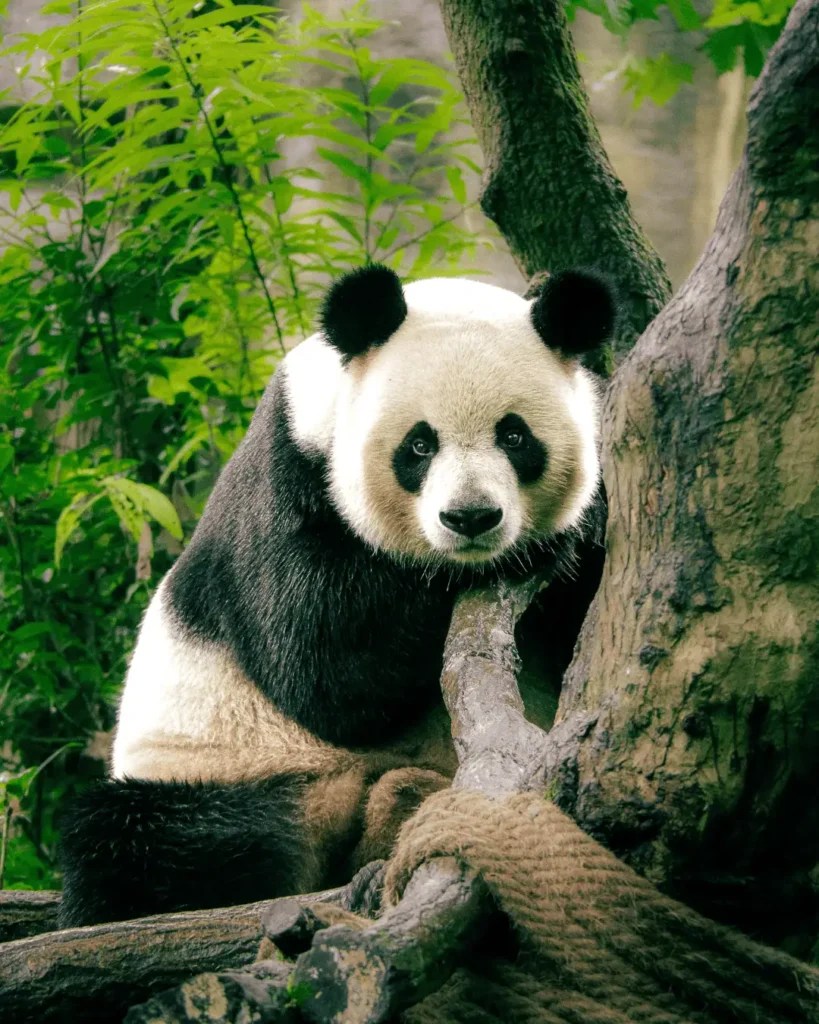

The 5 Main Panda Bases Near Chengdu
There are five main panda facilities in Chengdu. While they all offer the chance to see giant pandas, they differ quite a bit in size, location, and how crowded they get.
Here’s a quick comparison, ranked from most crowded to least crowded based on my experience:
- Chengdu Research Base of Giant Panda Breeding – The famous city panda base and the most popular option. (1 – Most crowded)
- Dujiangyan Panda Garden – A separate panda facility near Dujiangyan, currently closed due to flood damage. (2)
- Panda Valley – A smaller, greener facility near Dujiangyan with a more relaxed atmosphere. (3)
- Wolong Panda Center – A large mountain panda facility about two hours from Chengdu, with plenty of pandas and noticeably fewer visitors. (4 – Least crowded)
- Bifengxia Panda Base – A mountain panda facility near Ya’an, set within the beautiful Bifeng Gorge Scenic Area. A great option if you want to combine seeing pandas with hiking, waterfalls, and exploring a scenic canyon. (Most likely a 4)
Important tip: Panda Valley and Dujiangyan Panda Garden are NOT the same place. There are two separate panda facilities in the Dujiangyan area, which can make searching for information and planning your visit a little confusing.
The Dujiangyan Panda Garden, also known as the China Conservation and Research Center for the Giant Panda Dujiangyan Base, has been closed since April 23, 2026, due to flood damage. It was undergoing repairs as of my latest check, with no confirmed reopening date.
Panda Valley is a separate facility and remains open.
1. Chengdu Research Base of Giant Panda Breeding
Best for: First-time visitors, short trips, baby pandas, and convenience
This is the famous Chengdu panda base you’ll see in every travel guide, and for good reason.
Located roughly 30–40 minutes from central Chengdu by car, it’s the closest major panda facility to the city. It’s also the largest and most popular, with extensive visitor facilities and a large number of giant pandas.
It’s popular with visitors hoping to see baby pandas. While you’ll find younger pandas at the other facilities too, this is the best-known place to see newborn and very young cubs, thanks to its breeding and research facilities.
When Is the Best Time to See Baby Pandas?
If seeing baby pandas is high on your list, timing your visit can make a difference. Giant pandas typically give birth during the summer, with most births taking place between July and September. Depending on when you visit, you may get to see anything from tiny newborn cubs to older, playful pandas exploring their enclosures.
Here’s a general idea of what to expect throughout the year:
- July–August (Newborn Season): Panda birthing season begins, and the tiniest newborn cubs may be on display in the nursery, sometimes in incubators. Keep in mind that newborns aren’t always available for public viewing.
- September–November (Growing Cubs): This is a particularly fun time to see young pandas. The cubs are growing, getting fluffier, and becoming more active as they start exploring their surroundings.
- December–February (Older Cubs): The cubs are more mobile by this point and can often be seen climbing, playing, and exploring their enclosures. Winter can also be a nice time to visit for cooler weather and potentially smaller crowds.
- March–May (Young Juveniles): The cubs born the previous summer are now older and much more independent. You may see them playing, climbing, and interacting with other pandas, although the youngest newborns won’t be around yet.
Be Prepared for Crowds
The downside? Everyone else knows how about this place is too.
You’ll find yourself surrounded by tour groups and large crowds gathered around the most popular panda enclosures. The popular pandas attract large crowds, and getting a good view isn’t always easy.
If you decide to visit, I’d arrive as early as possible, ideally even before the park opens. The pandas are usually more active in the morning anyway, so you’ll have a better chance of seeing them moving around before they settle down for their afternoon naps.
Who Should Visit Chengdu Panda Base?
If you’re short on time, or seeing baby pandas is your biggest priority, I wouldn’t rule this one out. It’s the easiest option to reach from the city and offers a great chance to see pandas of different ages.
However, if you have more time and would rather trade convenience for fewer crowds, I’d definitely consider visiting one of the other panda bases outside Chengdu!
My take: Great for convenience, first-time visitors, and seeing very young panda cubs, but not my favorite panda base because of the crowds.
2. Panda Valley in Dujiangyan
Best for: Fewer crowds, a more natural setting, and red pandas
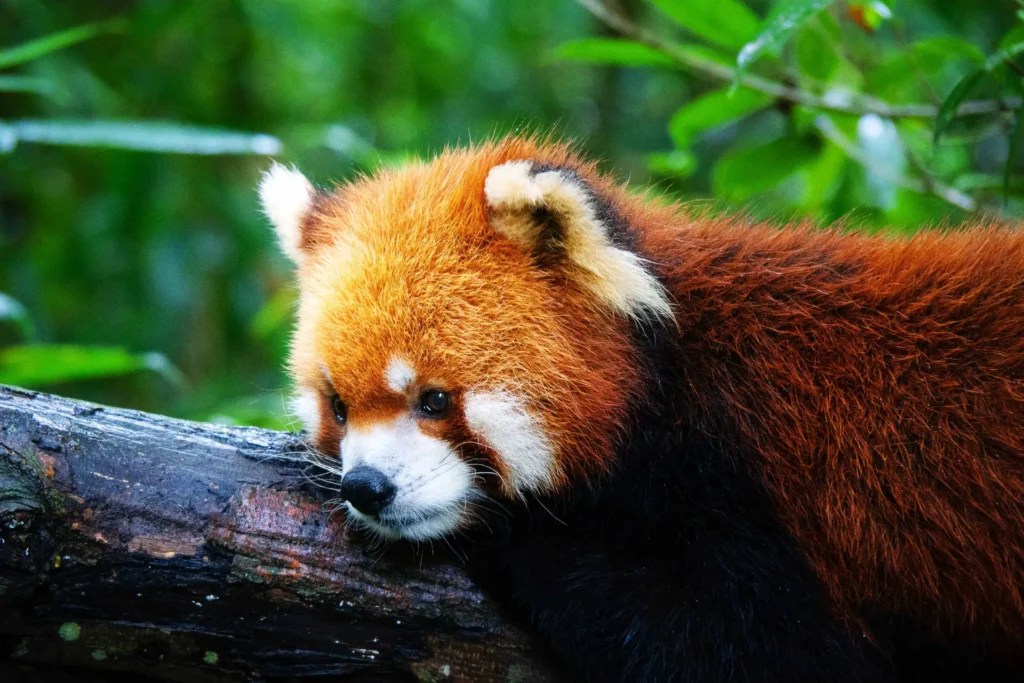
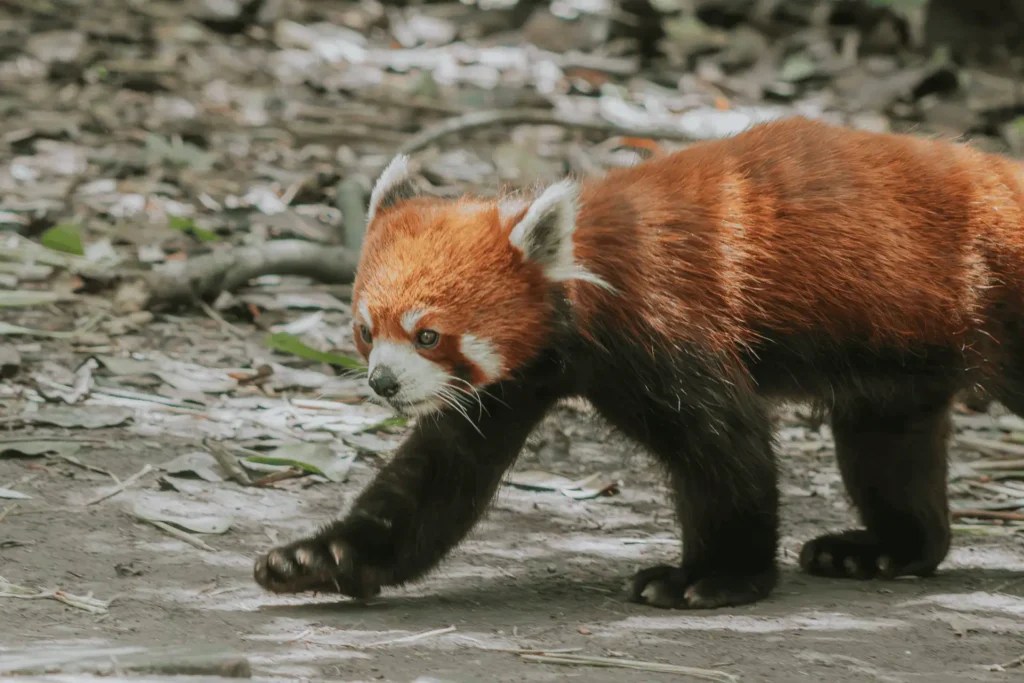
Panda Valley was the panda base I visited in Dujiangyan and I loved it for the Red Pandas.
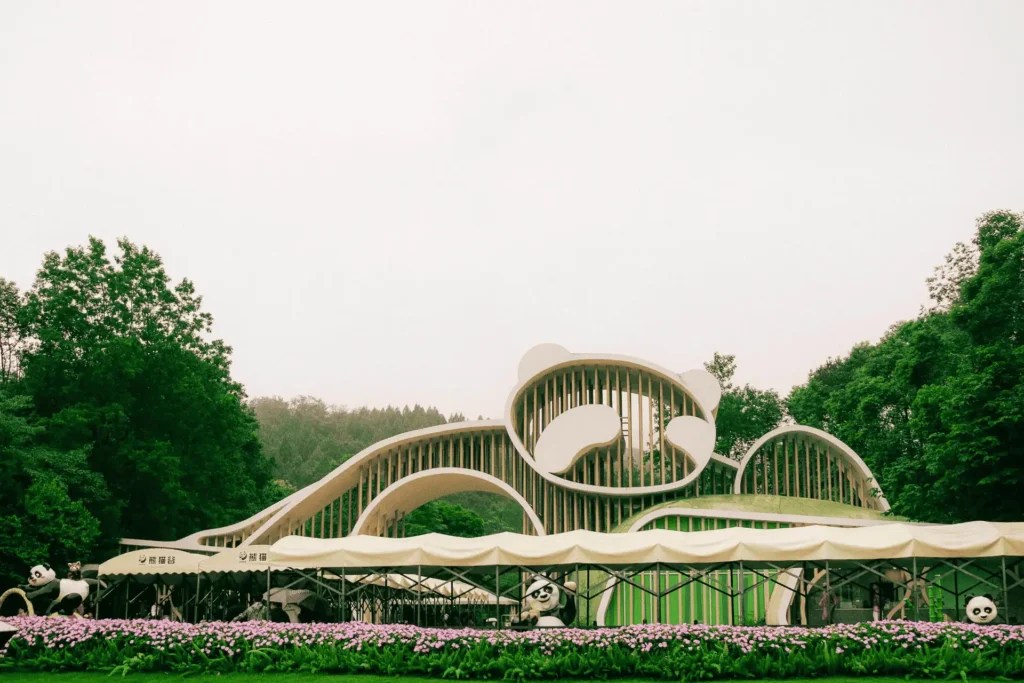
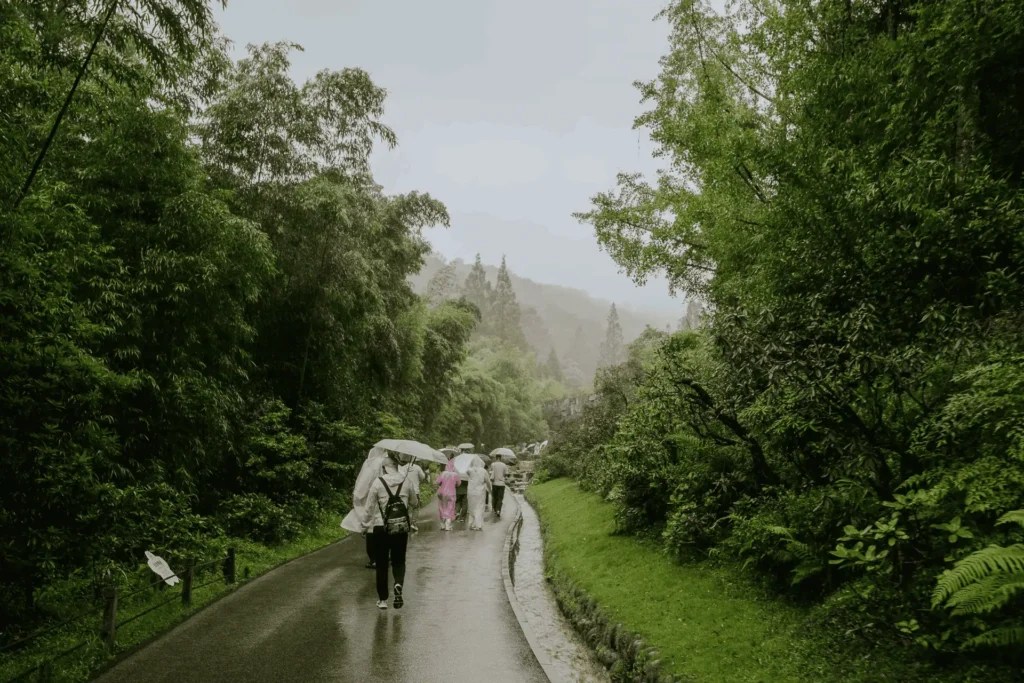
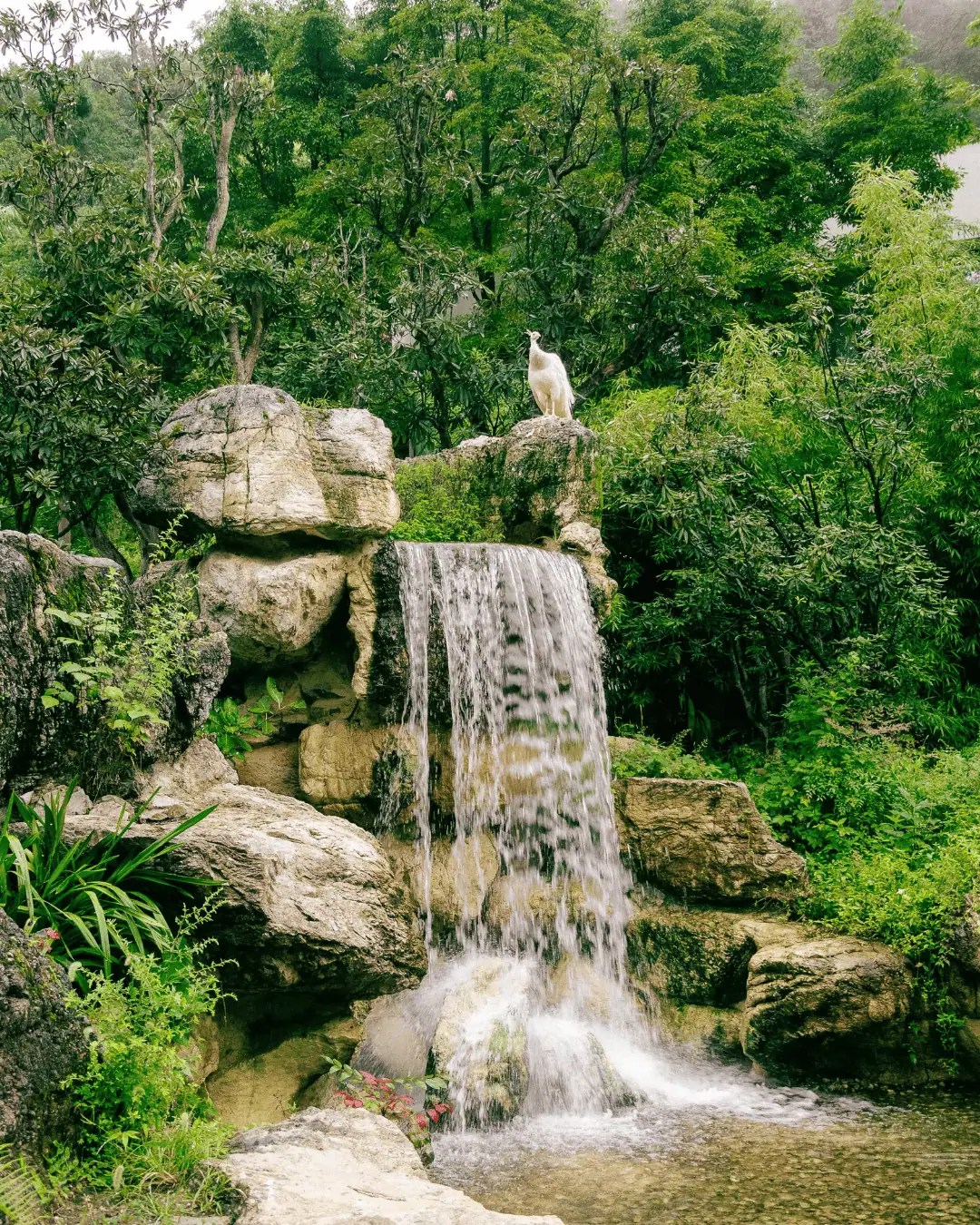
Part of the Chengdu Research Base’s conservation and research system, Panda Valley focuses on panda conservation, wild training, reintroduction research, and ecological education. It’s surrounded by lush greenery and feels much more like a nature reserve than a major tourist attraction.
It’s also the smallest of the three panda facilities I visited, but that was actually a big plus for me. There were noticeably fewer visitors than at the main Chengdu base, although the popular panda enclosures still started getting busier as the morning went on. We arrived shortly after opening, around 8:15 AM, which made a big difference.
A Tip About Senior Tickets
If you’re visiting with someone over 60, it’s worth knowing that seniors can enter Panda Valley for free. However, there’s a bit of a catch: you still need to reserve a senior ticket online before entering.
We ran into some trouble trying to do this because the booking system required WeChat, and we had difficulty getting it to work with our American phone numbers. I went inside first while my mom stayed at the ticket booth to figure out what to do. Eventually, the staff helped her by using their own phone number to complete the reservation.
It worked out in the end, but it took some extra time and communication. If you don’t speak Chinese and aren’t traveling with a guide who can help, it might be easier to just purchase a regular adult ticket instead. When we visited in September 2026, admission was only around $9 USD, so for us, the savings probably weren’t worth the extra hassle.
The Red Panda Boardwalk Is a Highlight
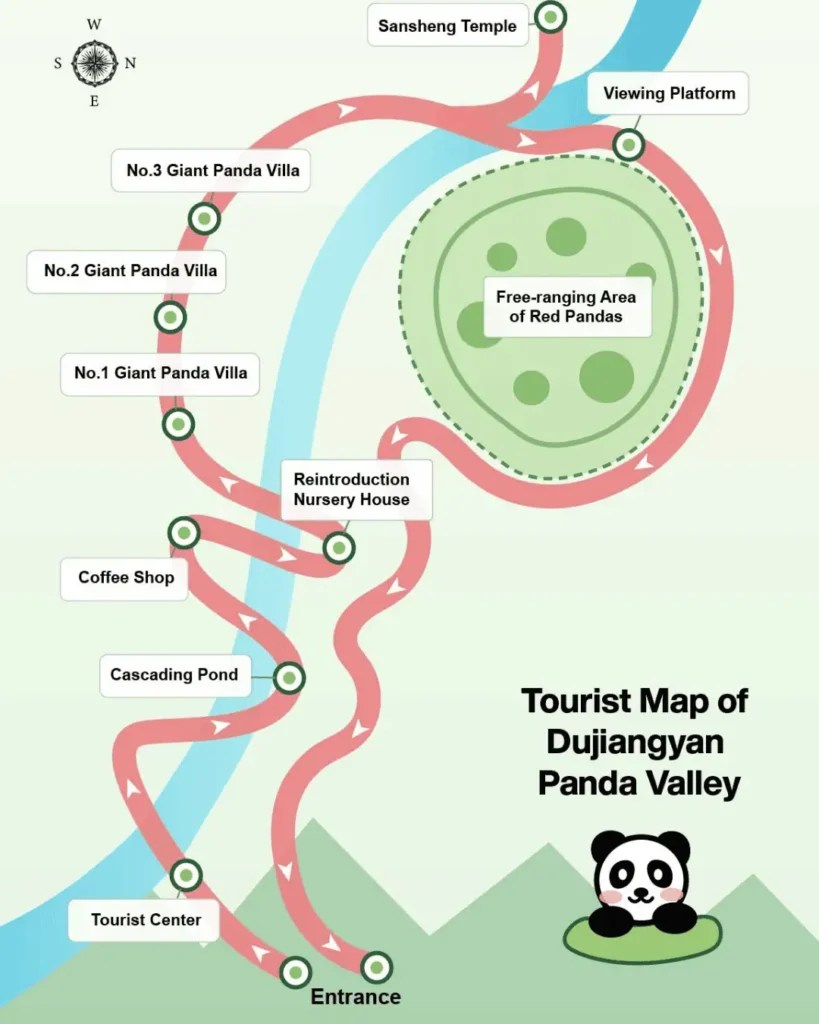
One of my favorite parts of Panda Valley was the red panda boardwalk near the end of the park.
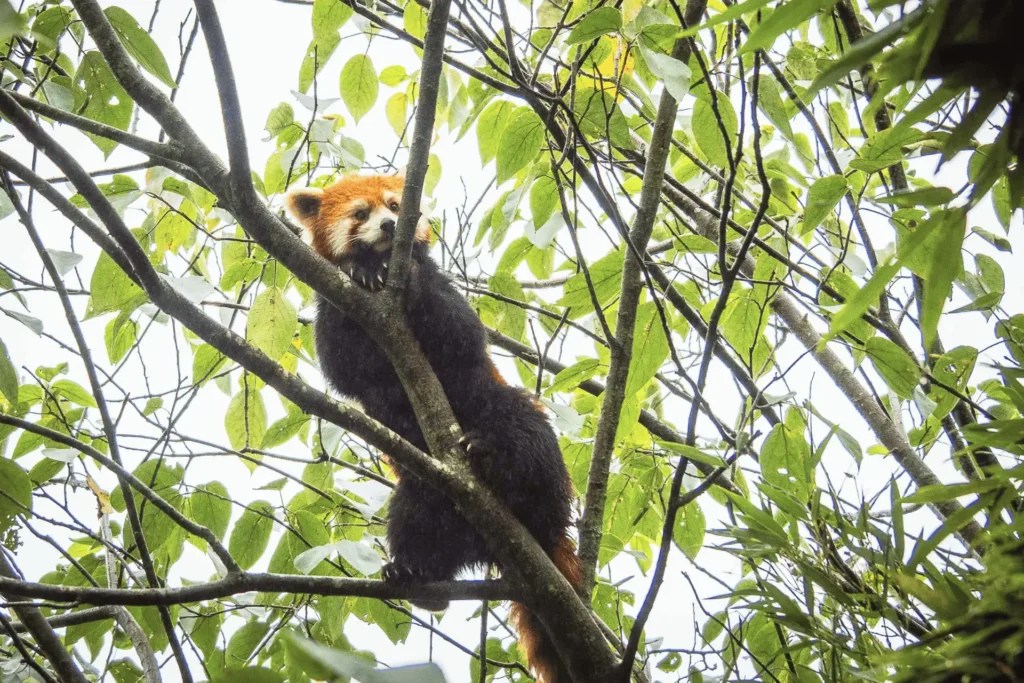
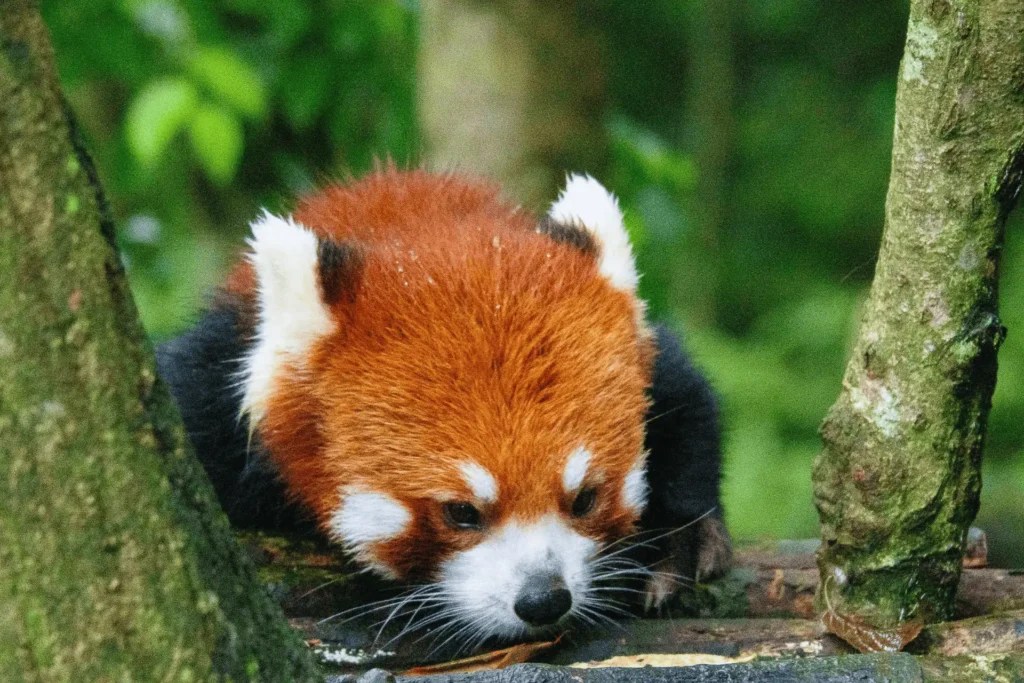
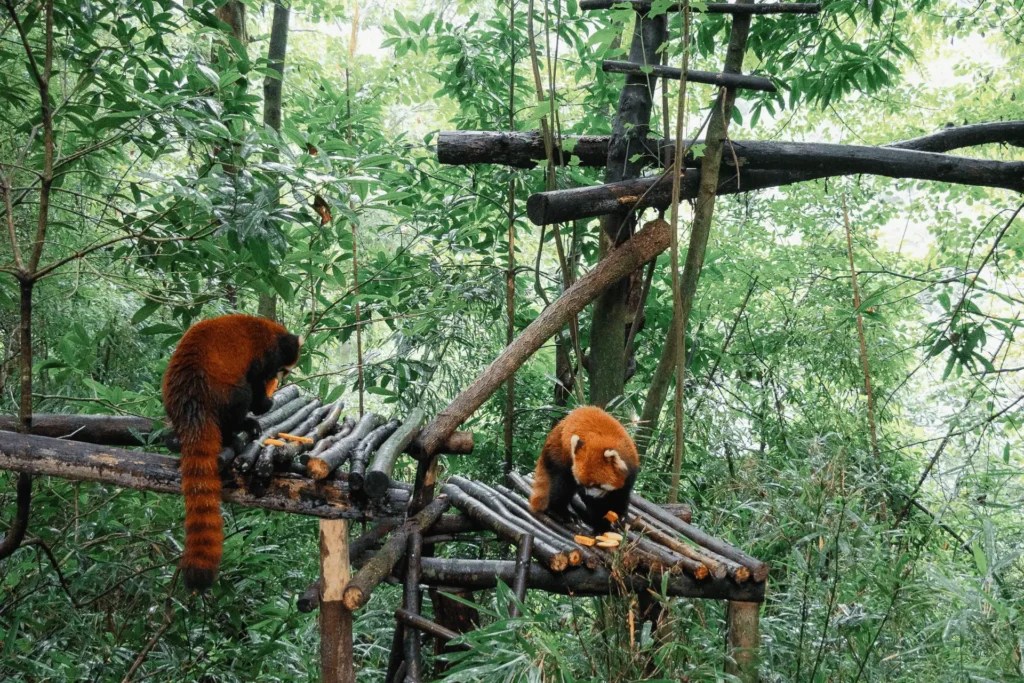
Unlike traditional zoo exhibits where animals are kept behind glass, this area has a forested boardwalk where red pandas can move around their surroundings. You can sometimes see them surprisingly close, whether they’re hanging out on the wooden platforms, climbing through the trees, or wandering around in the bushes below.
If you’re visiting in the morning, try to catch their feeding time around 9:30 AM. The red pandas are fed shortly after the giant pandas, and this is when they’re generally most active.
Keep your eyes peeled, though! They’re not always sitting out on the viewing platforms. Some might be wandering around on the ground or climbing high up into the tree canopy, so it’s worth taking your time and looking around.
Honestly, the red pandas alone made the trip worthwhile for me.
How Long Do You Need at Panda Valley?
I spent around two hours exploring Panda Valley, which I thought was plenty of time.
The visitor route is essentially a one-way loop, so you can’t easily bounce back and forth between different enclosures. You can technically repeat sections if you really want to, and there are a few connecting paths that let you head back without walking the entire loop again.
We spent most of our time watching the pandas and enjoying the red panda boardwalk. By the time we made our way back past the giant panda enclosures, most of them were already curled up taking their morning naps, so we decided to call it a day.
If you’re particularly interested in spending more time with the red pandas or waiting around for the pandas to become active again, you could easily stay longer.
Go Early!
This is probably the most important tip I can give you for visiting Panda Valley.
Arrive as early as possible, ideally right when the park opens.
We got there around 8:15 AM, and the timing worked out really well. Giant pandas are generally most active during their morning feeding, which is around 8 AM, especially when the weather is cooler.
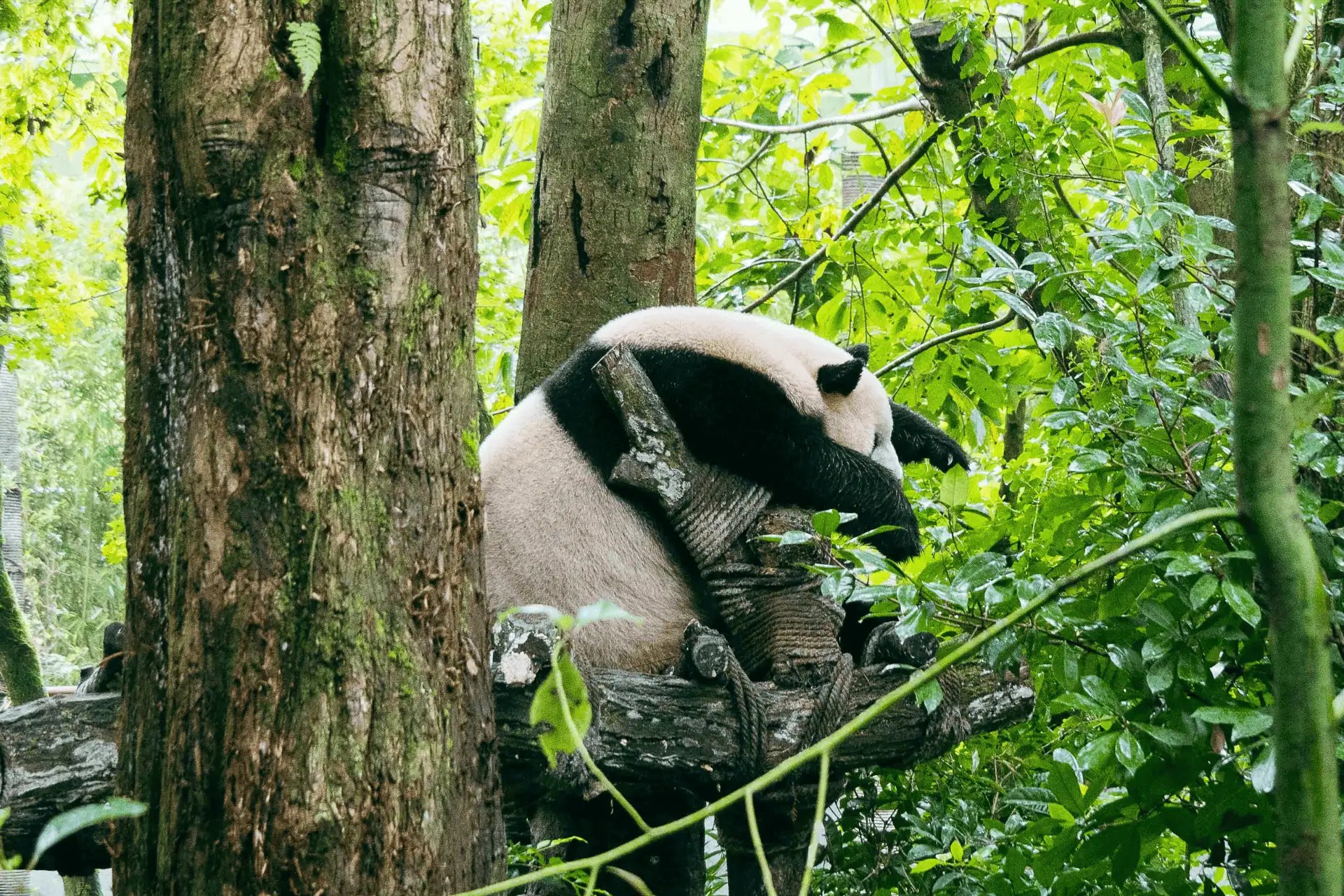
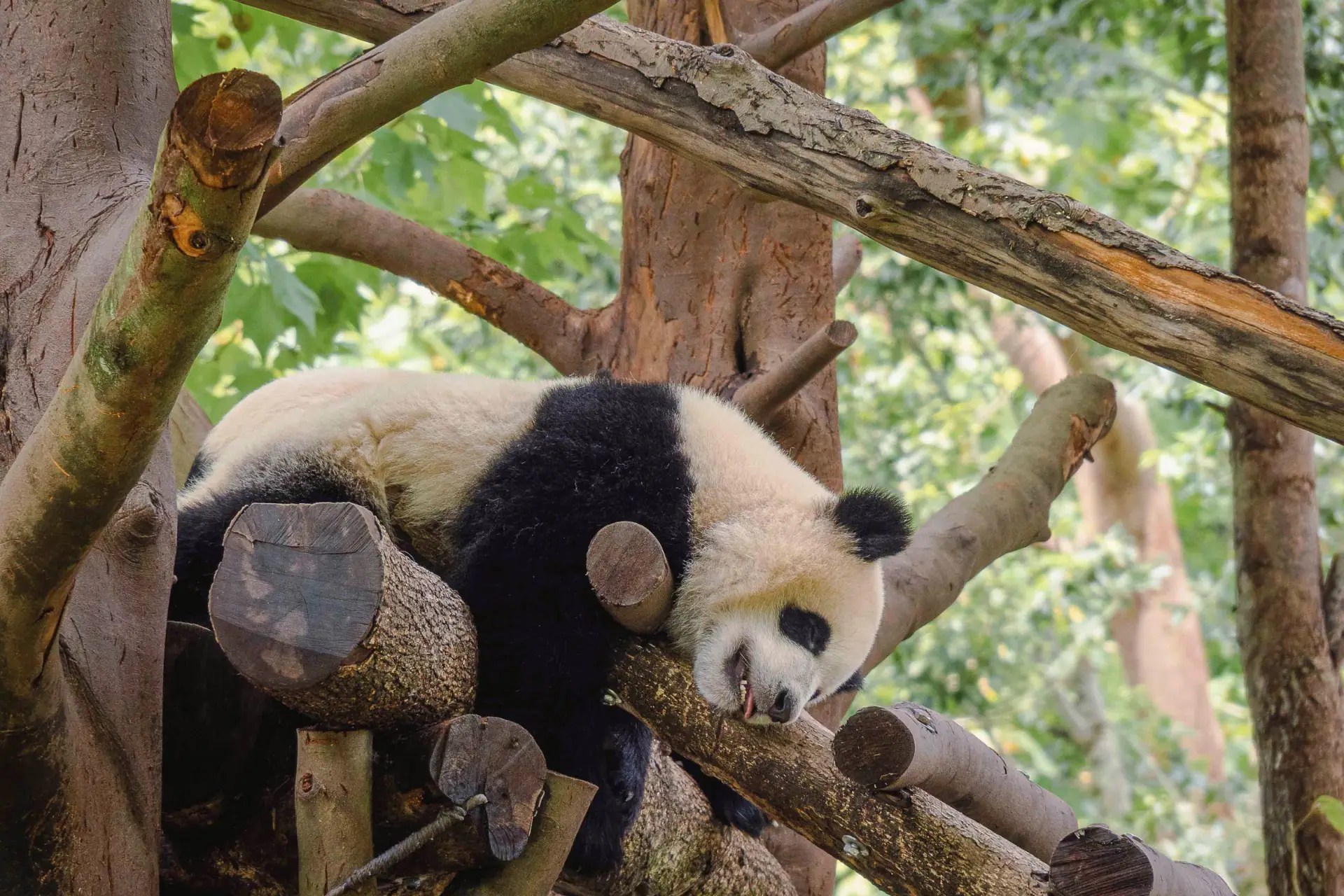
Once they’ve finished eating, they tend to settle down for a very long nap. By around 10 AM, many of the pandas are already sleeping, and you’ll find quite a few of them spending most of the day that way.
If you’re hoping to see them playing, climbing, and moving around, the earlier you arrive, the better. You can always spend more time exploring the park and watching the red pandas afterward.
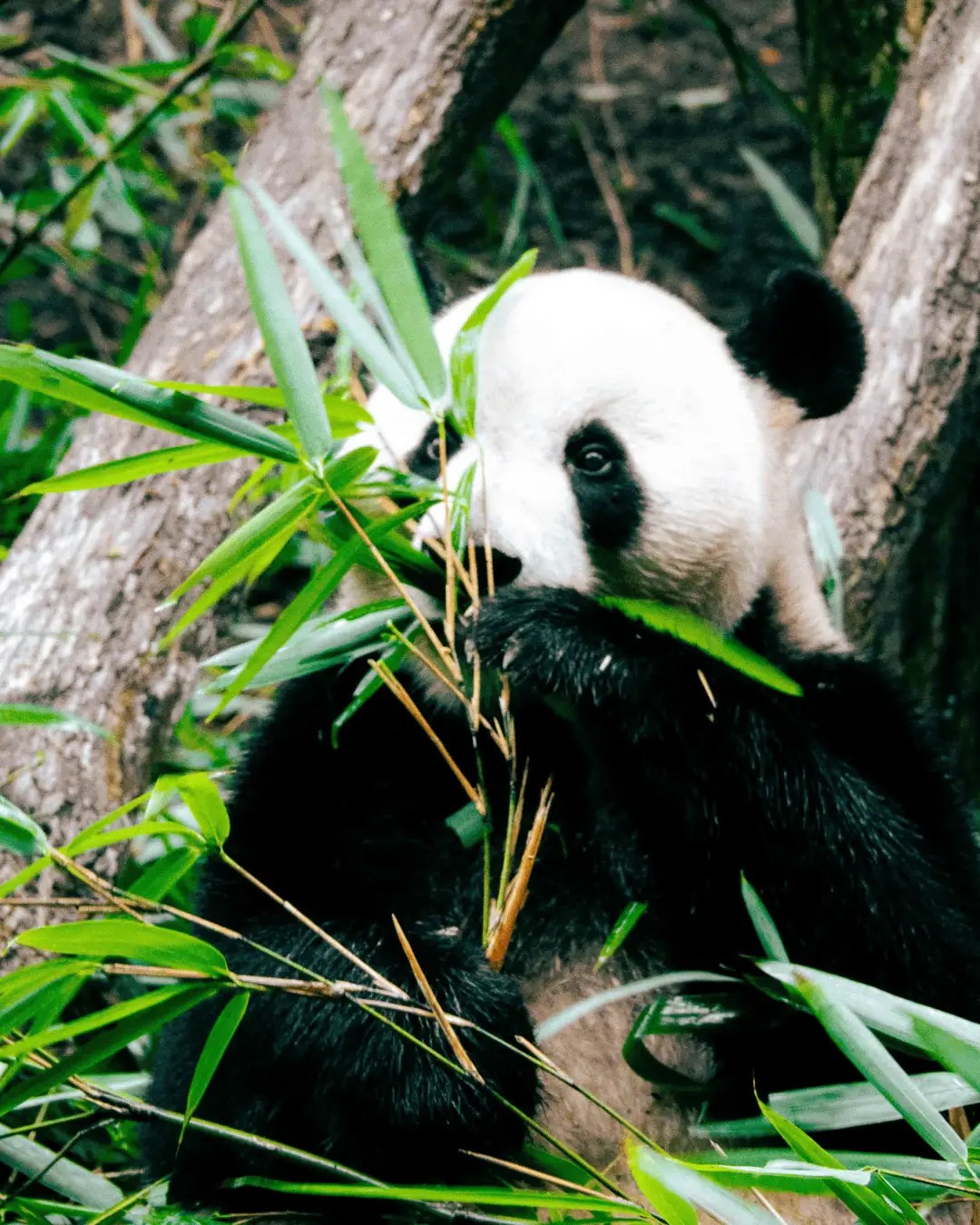
How to Get to Panda Valley from Chengdu
Getting to Panda Valley using public transportation is fairly straightforward, but it does take a little planning.
We took Metro Line 2 to Xipu Railway Station, then transferred to a train heading to Dujiangyan. The train journey takes roughly 45 minutes, followed by another 20-minute taxi ride to Panda Valley.
My biggest recommendation is to book your train tickets in advance!
We decided to wait until we got to the station to purchase our tickets because we wanted to avoid the online booking fee. At the time, the booking fee was actually almost as much as the train ticket itself (around ¥1.50 in fees compared to roughly ¥2 for the ticket).
Unfortunately, the trains sold out, and we ended up having to purchase standing tickets for both directions.
It made the morning much more rushed and stressful than it needed to be. While the train ride isn’t particularly long, standing in a crowded train carriage isn’t exactly how you want to start a morning of sightseeing.
I’d happily spend the extra few yuan to book a seat in advance next time!
Once you arrive in Dujiangyan, you have two options for getting to Panda Valley:
- Taxi: Around 20 minutes from the train station. We negotiated with a driver to take us for ¥20 total.
- Local bus: Around ¥10 per person. Just keep in mind that the bus may wait until it’s nearly full before departing, so you might have to wait a little while.
We ended up taking a taxi since it was the same price as the bus for the two of us, and it saved us some time.
Make It a Full Day
If you finish at Panda Valley around 10 AM, you can easily spend the rest of the day exploring the area. Dujiangyan is best known for its 2,000-year-old irrigation system, an impressive engineering project that is still in use today.
You can also explore the area’s historic temples, bridges, and ancient towns before heading back to Chengdu. It’s an easy way to turn your morning at Panda Valley into a full day of sightseeing.
My Verdict on Panda Valley
If you’re willing to make the trip outside Chengdu, Panda Valley would be my choice for a quieter, more relaxed panda experience.
You won’t see the same sheer number of pandas as at the main Chengdu base, but the smaller crowds, lush surroundings, and red panda boardwalk make it a really enjoyable visit.
I’d especially recommend it if you’re interested in seeing red pandas up close, which was one of the highlights of my visit. Just remember to book your train tickets ahead of time and get there early while the pandas are still active!
3. Dujiangyan Panda Garden
Best for: A quieter alternative, rescued and elderly pandas, and nursing.
This is where I went before, and while it’s less crowded than Chengdu Research Base of Giant Panda Breeding, its still a very popular spot!
The confusing part is that you’ll often see this place referred to as the Dujiangyan Panda Base, Dujiangyan Panda Park, or China Giant Panda Garden, which can make it easy to confuse it with Panda Valley.
They are two separate facilities, run by different organizations and with different purposes.
While Panda Valley focuses heavily on wild-release training and reintroduction research, Dujiangyan Panda Garden has historically focused more on panda rescue, rehabilitation, disease prevention, quarantine, and caring for elderly pandas. It’s also been an important stop for pandas returning to China after spending time in zoos overseas.
That gives it a somewhat different feel from the other panda facilities around Chengdu. Instead of primarily being a breeding and visitor attraction, the facility has played an important role in caring for pandas that need specialized treatment, rehabilitation, or long-term care.
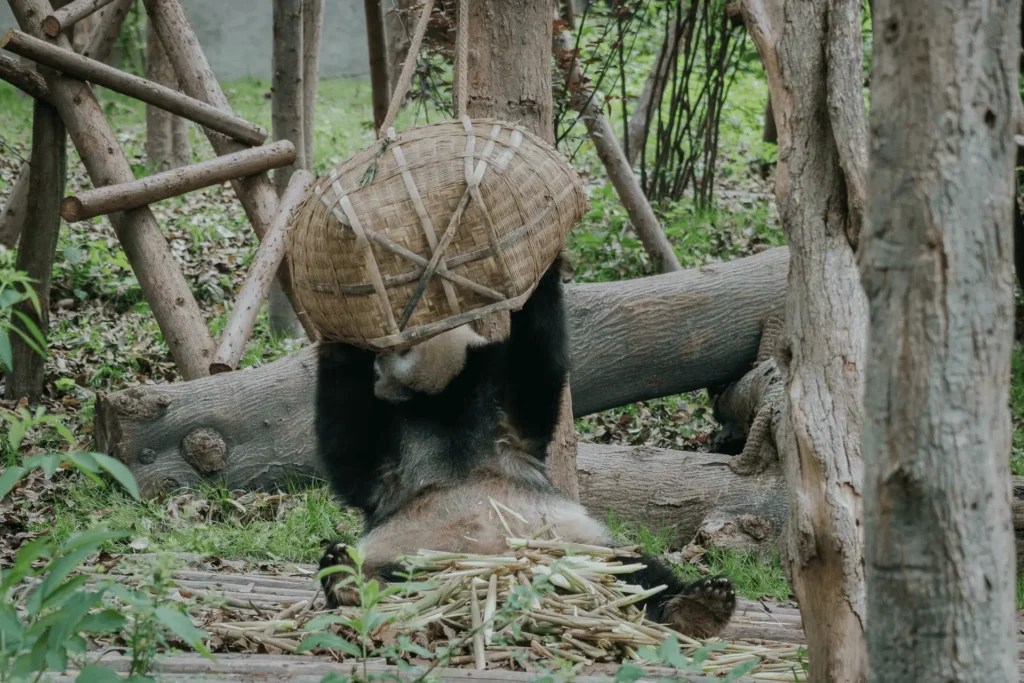
Currently Closed
The Dujiangyan Panda Garden closed on April 23, 2026, for renovation and facility upgrades following flooding and damage, and there is still no confirmed public reopening date as of my latest check.
So if you’re planning a Chengdu trip, definitely check the current status before building your itinerary around this one.
If it has reopened by the time you’re reading this, I’d consider it if you’re interested in seeing a different side of panda conservation, especially rescued, rehabilitating, or older pandas. It’s bigger than the Panda Valley and there is a chance to see Panda Cubs here!
4. Wolong Panda Center
Best for: Serious panda lovers, seeing lots of pandas, and avoiding crowds
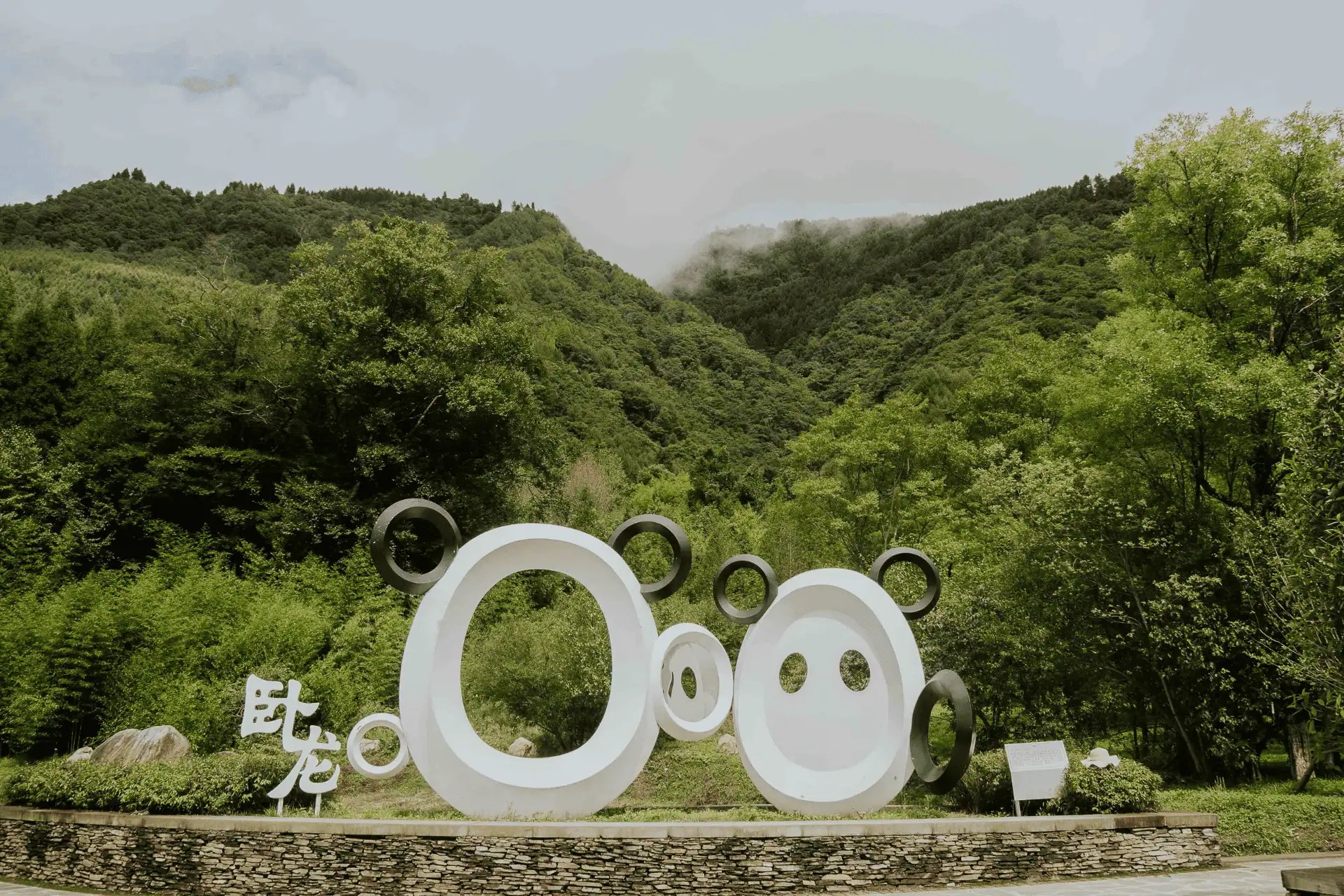
If you’re willing to spend most of a day getting out of Chengdu, Wolong Panda Center is a fantastic option.
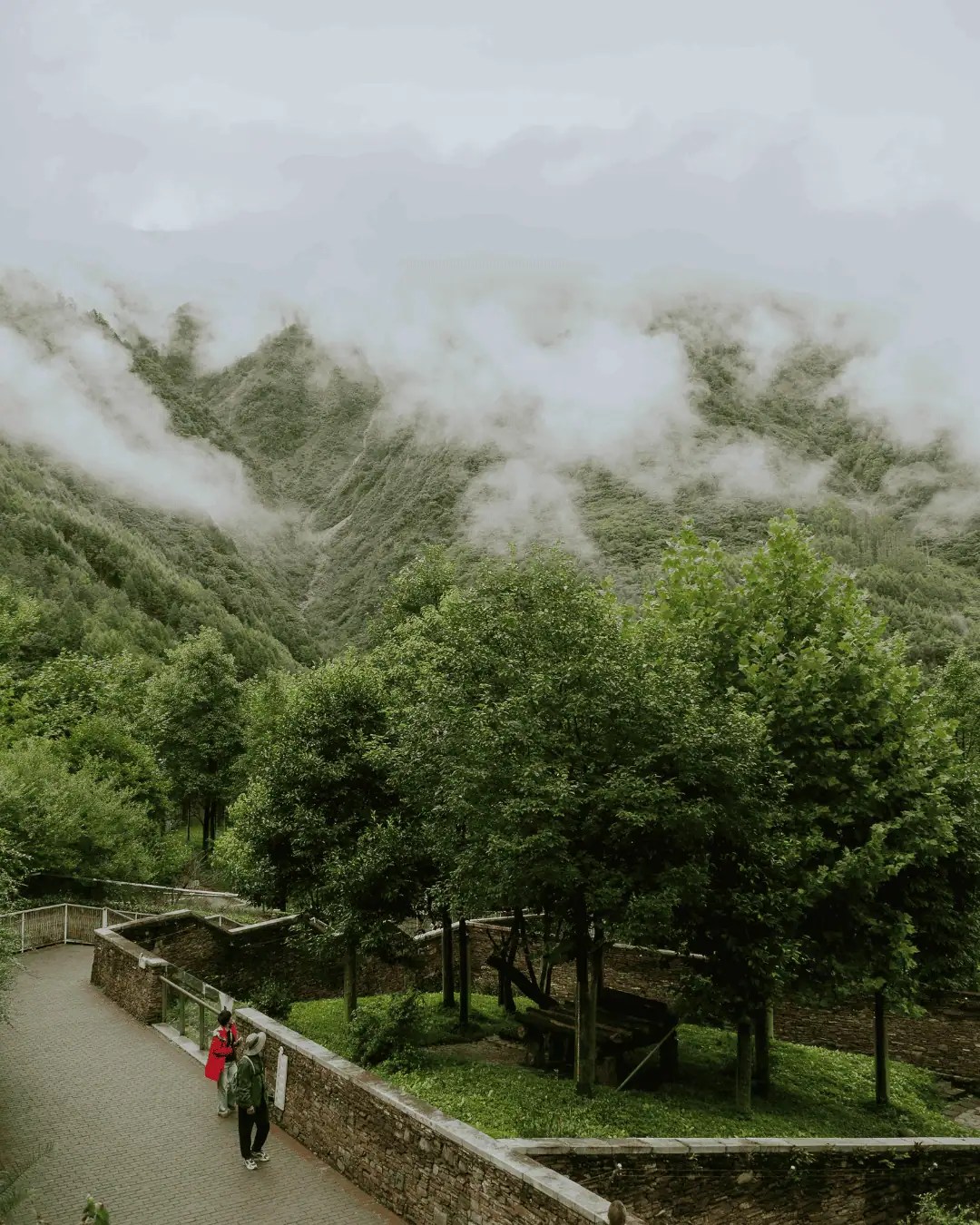
It’s roughly two hours north of Chengdu, depending on traffic and your transportation, and the setting is much more mountainous than the other panda facilities.
This was probably the biggest surprise of all my panda visits. There was barely anyone here!
The park is spread out across a large, hilly area, so even though there are plenty of pandas, visitors naturally spread out between the different enclosures. It never felt like we were competing with a crowd for a good view.
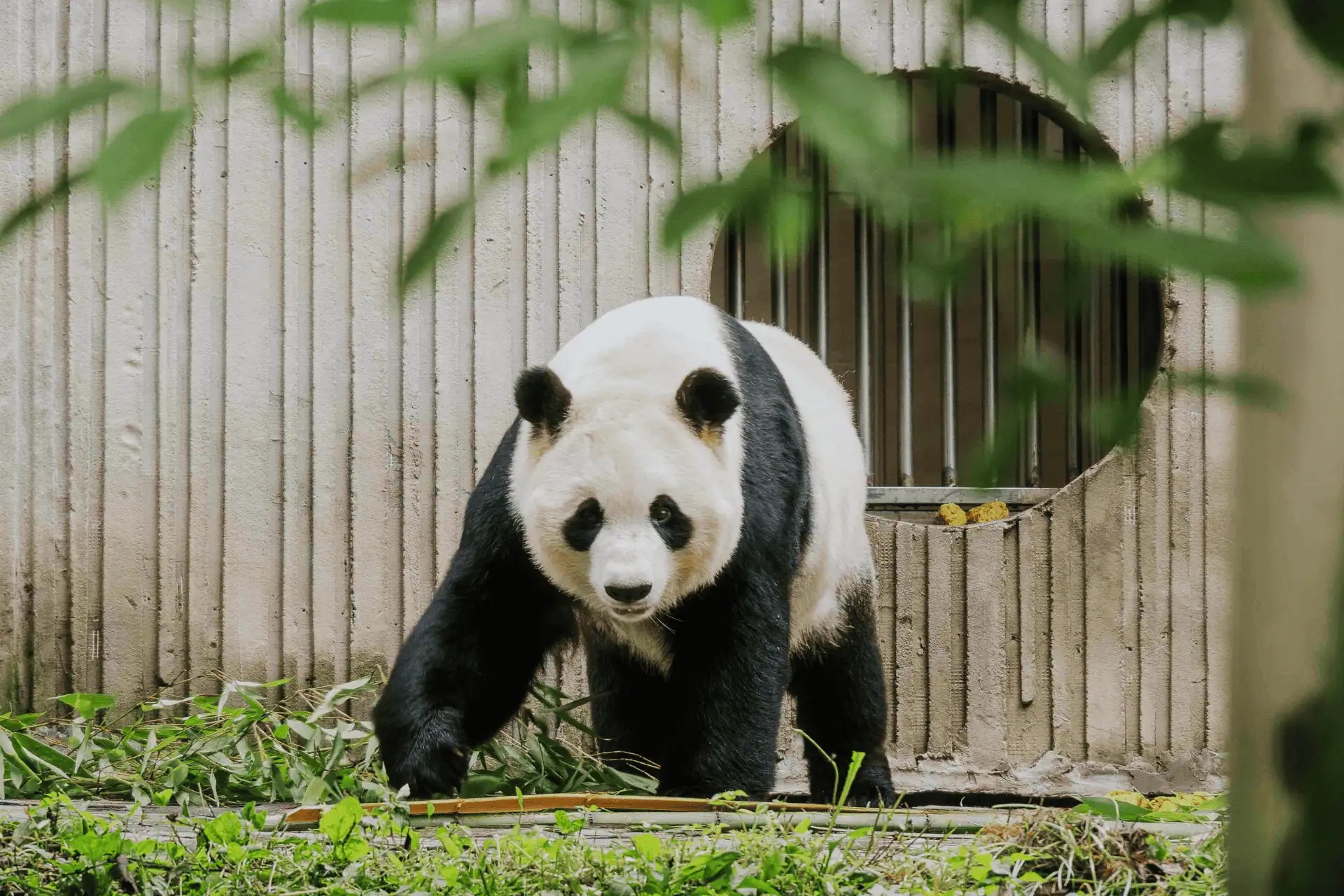
There Are LOTS of Pandas
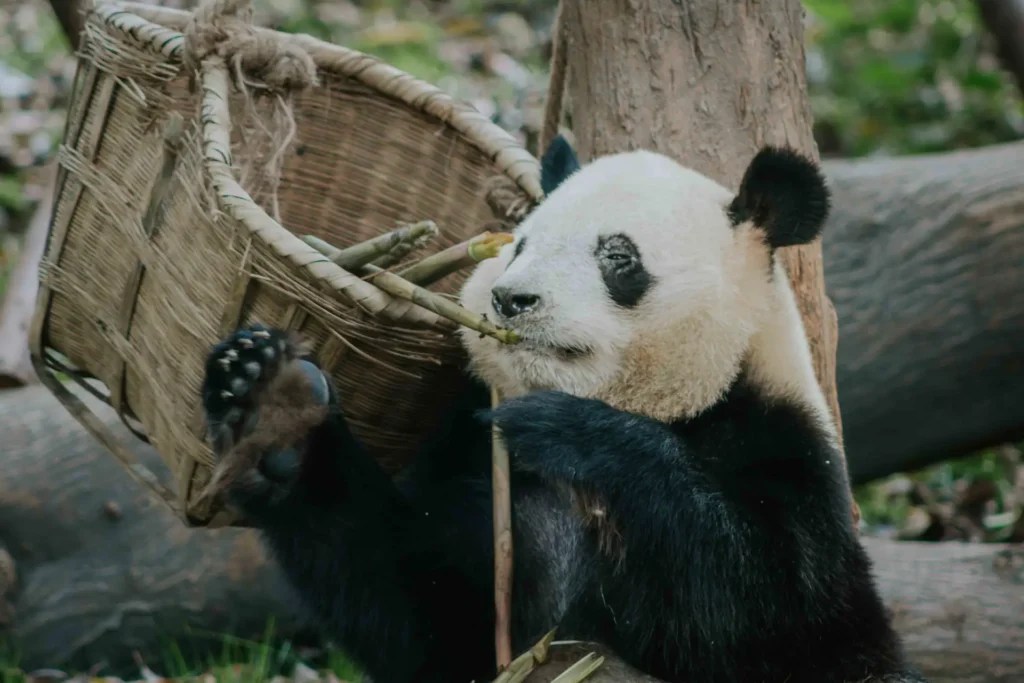
Wolong has a large population of giant pandas, including younger pandas that are still housed together or with their mothers, generally until they’re around three years old.
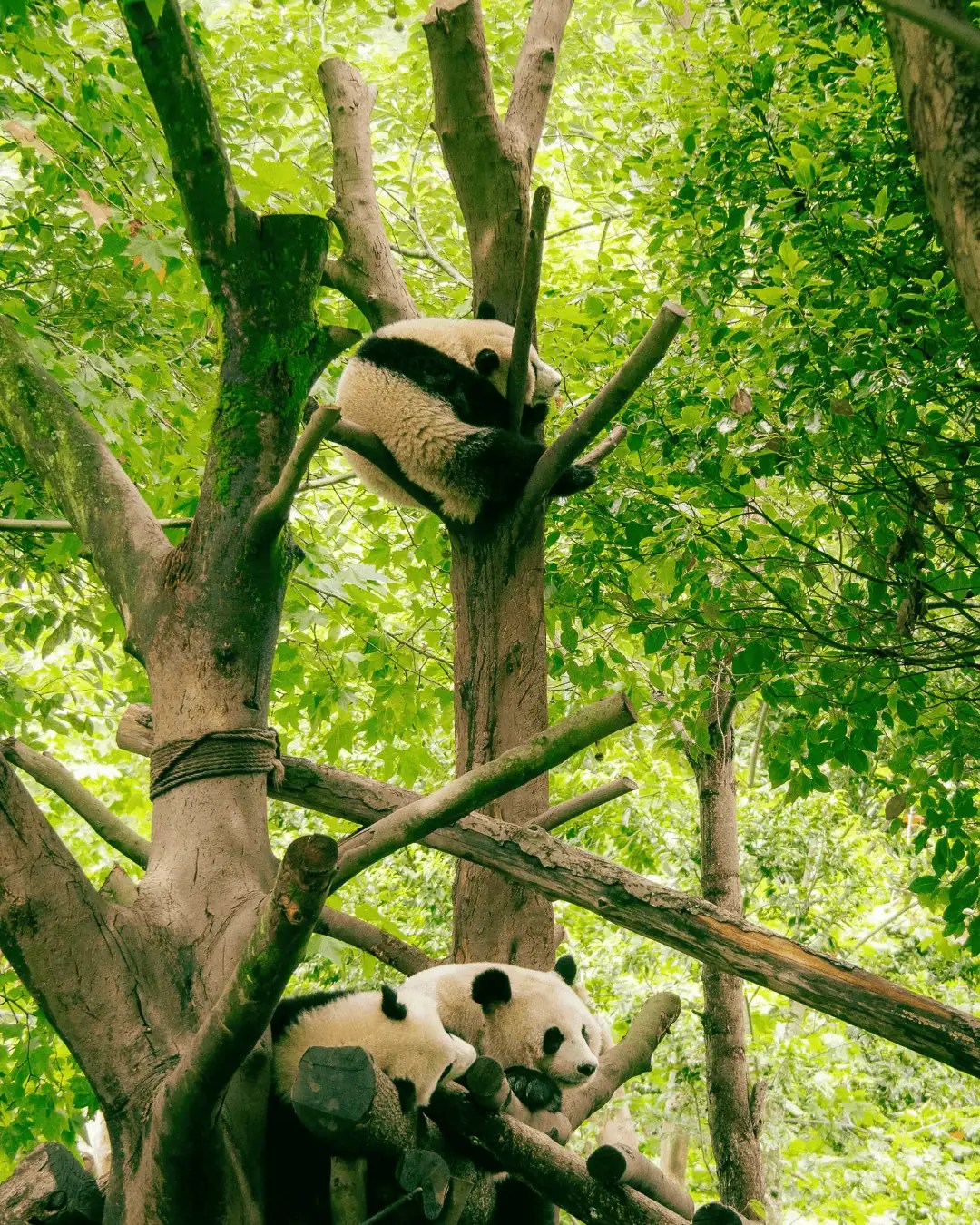
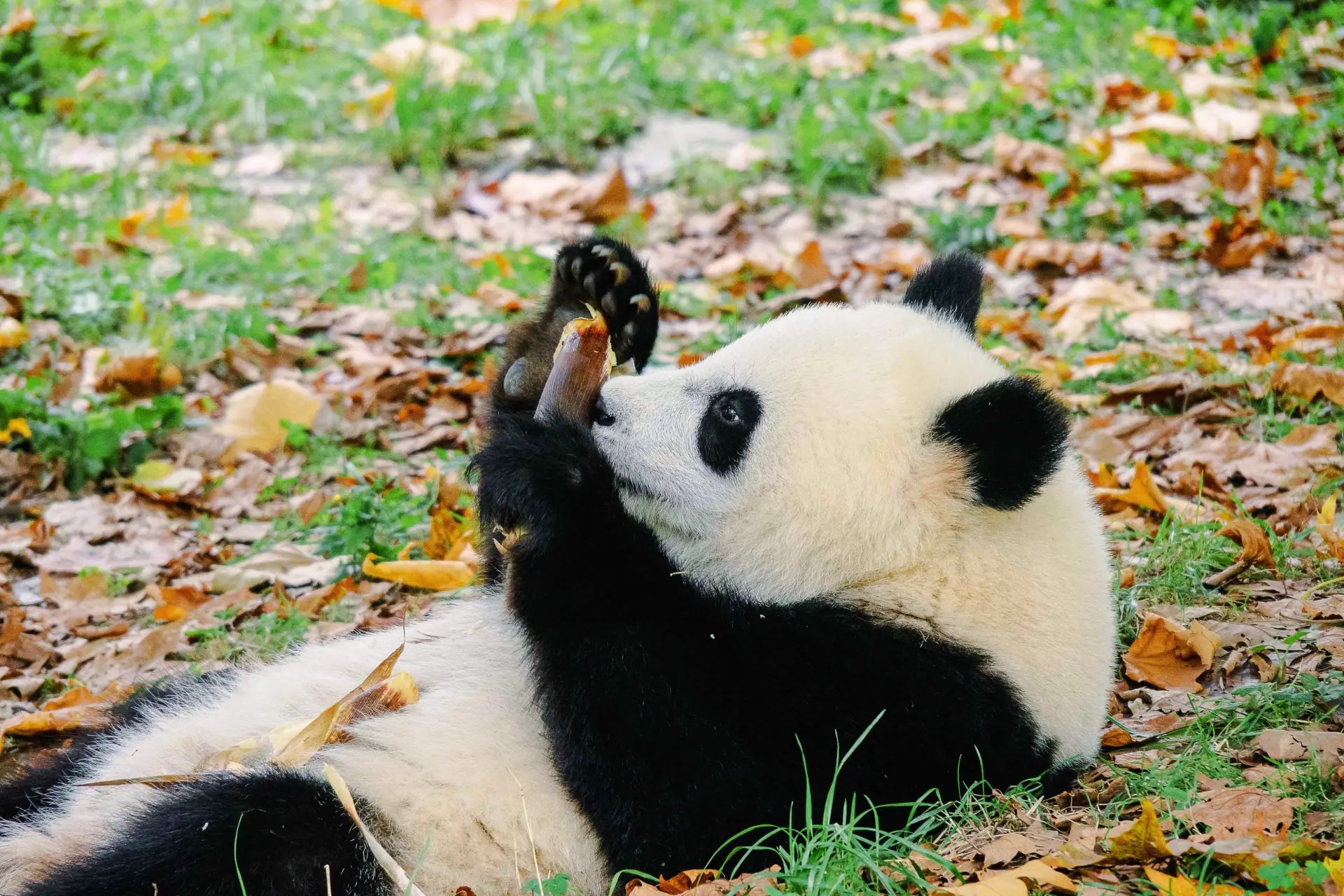
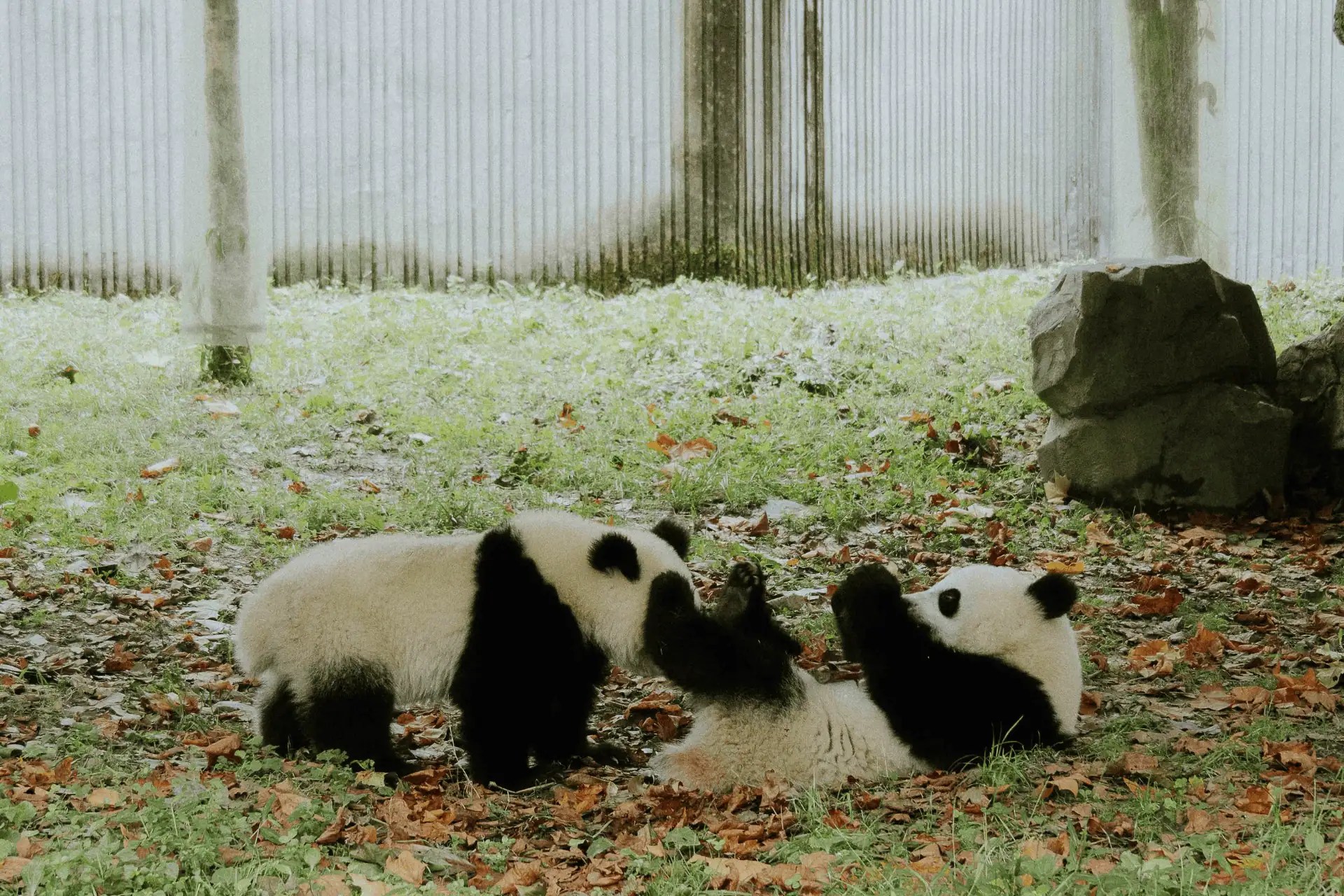
Watching the younger pandas interact with each other was easily one of my favorite parts of the visit.
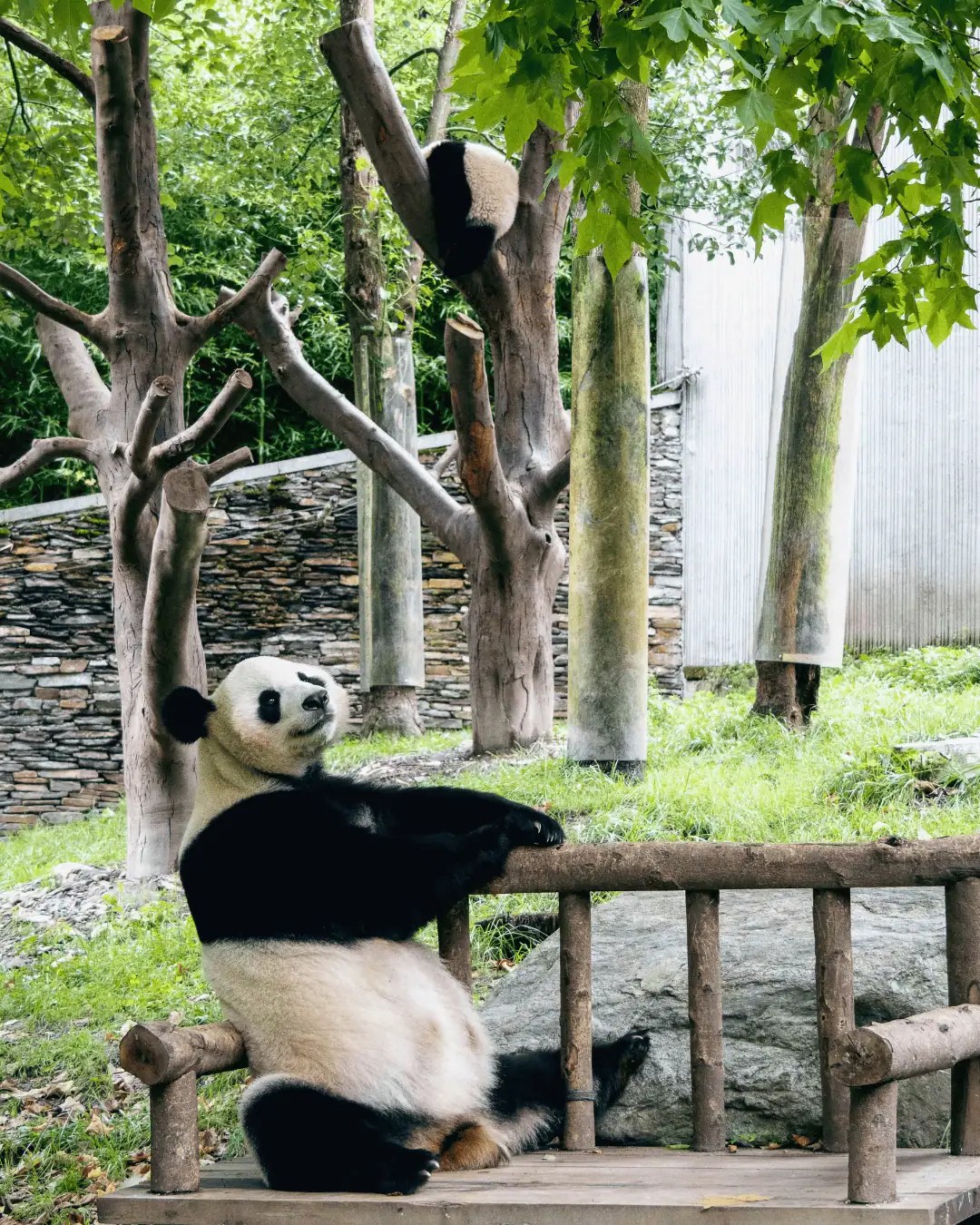
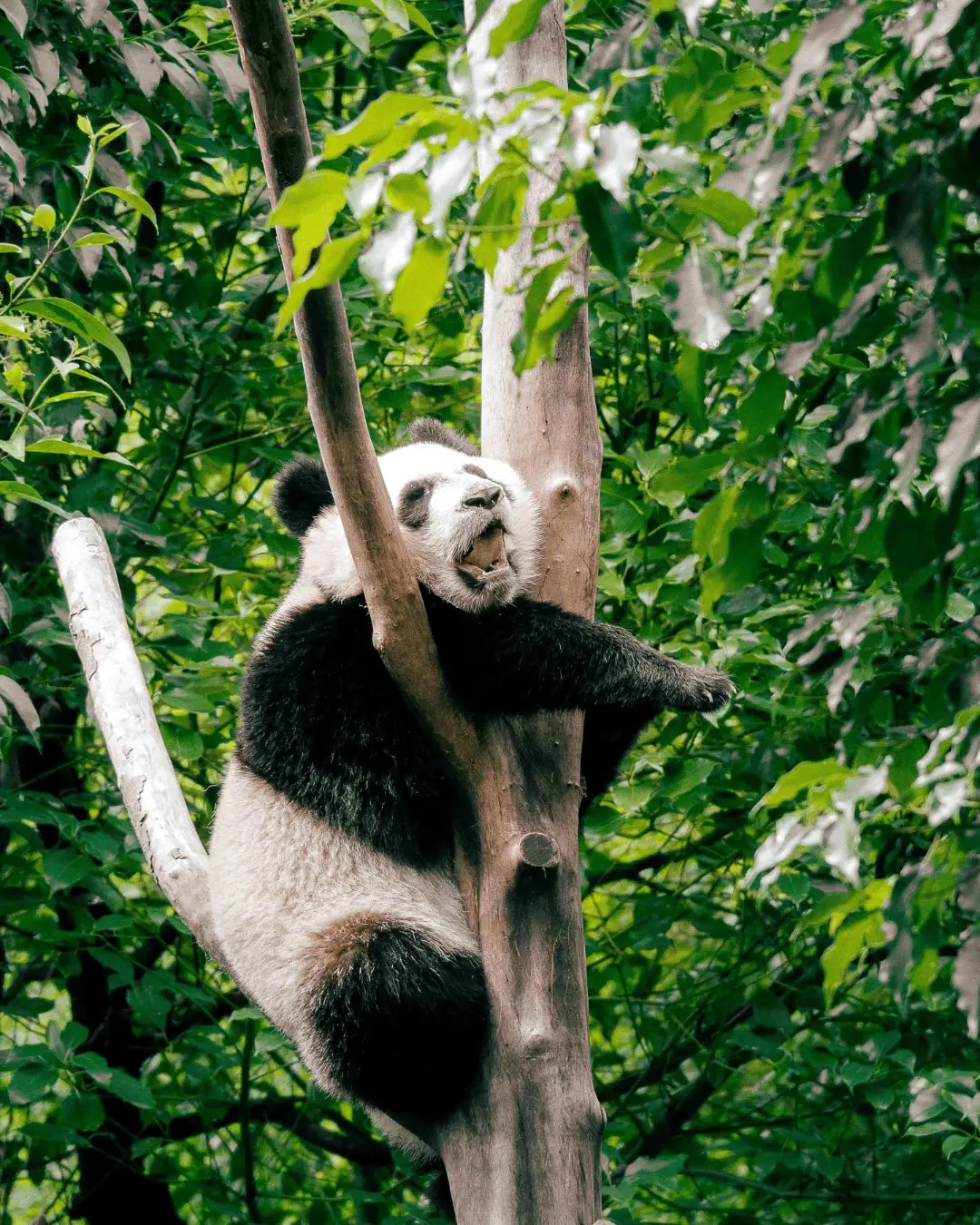
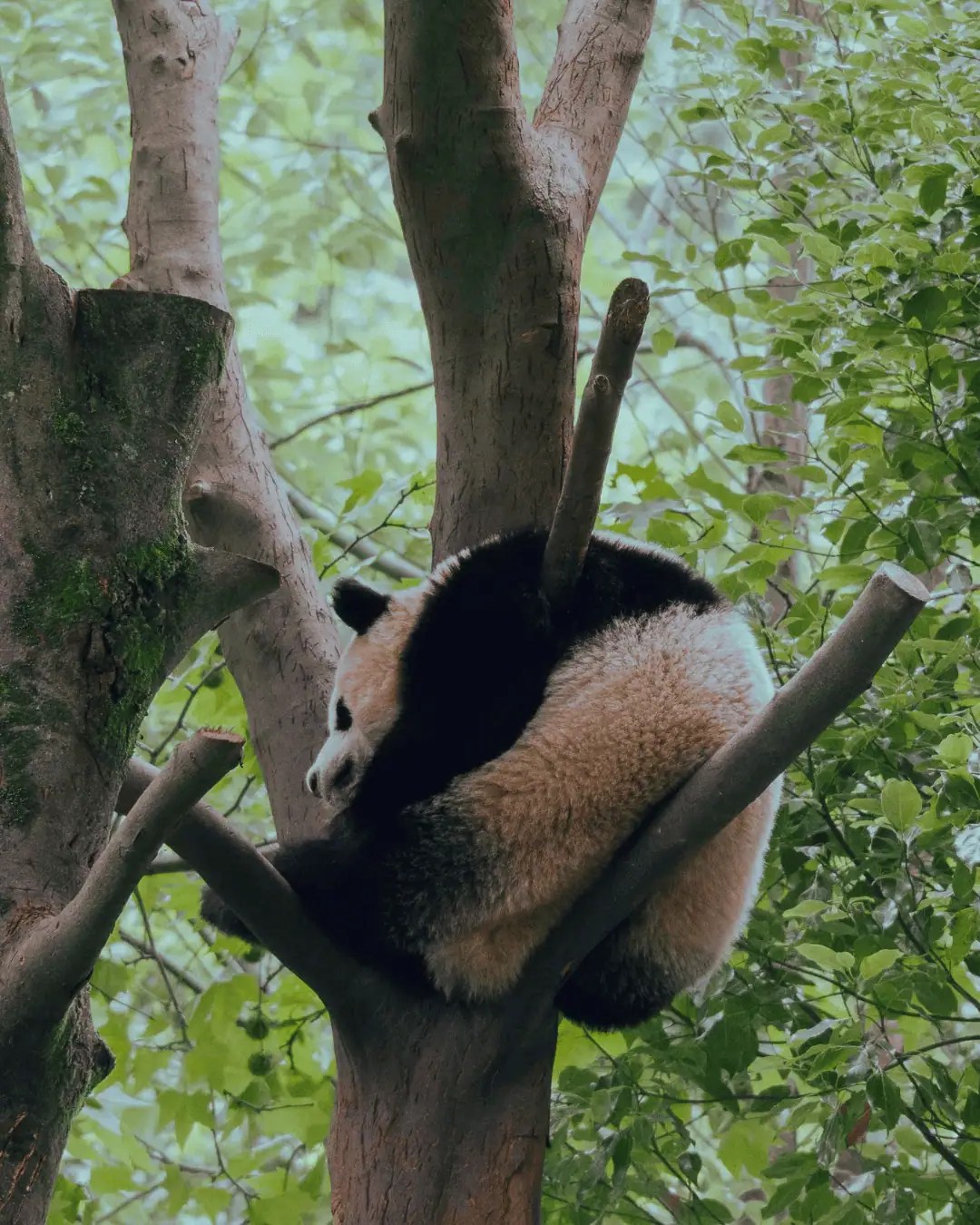
They climb all over each other, wrestle, play, and generally act like little chaos machines. Then, inevitably, they all eventually fall asleep. A surprising number of them ended up completely wedged into trees.
Even when they’re not doing much, they’re still ridiculously cute.
One of the more memorable areas was the enclosure with three younger cubs. There’s also Fubao, the panda born in South Korea who became something of a celebrity after returning to China.
Outside of the more popular pandas and younger cubs, there were often only a handful of people gathered around each enclosure.
For someone who doesn’t particularly love crowds, it was fantastic.
A Tip About Senior Tickets
If you’re visiting with someone over 60, they can enter Wolong Panda Center for free. However, there’s a bit of a catch: you still need to reserve a senior ticket online before entering. We couldn’t figure it out online and had to talk to the ticket agent to get one in person.
Getting to Wolong Panda Center from Chengdu
There’s a direct tourist bus from Chengdu, which makes getting here much easier than you might expect.
The bus we took departed from Chunxi Road around 7:00 AM and arrived at the panda center around 9:00 AM. The return bus leaves around 4:30 PM, giving you several hours to explore the park before heading back to Chengdu.
Just make sure to check the current schedule when booking your trip, since departure times can change. You’ll also want to plan your visit around the return bus, as there aren’t any convenient transportation options back to Chengdu.
You can purchase a combined admission + shuttle ticket, or buy the two separately. We bought ours separately because we were using the free senior admission ticket, and it’s a few dollars cheaper this way. But the combined option could be more convenient.


Take the Park Shuttle
Once you arrive, there’s another tourist shuttle that takes you from the parking and ticket area up to the panda enclosures.
It costs around ¥20, and I’d recommend taking it. The park is built into a large hillside, and the walk from the entrance up to the panda area is quite a climb.
The shuttle drops you off near the top of the park, so you can save your legs and work your way downhill through the different panda enclosures instead. There’s already plenty of walking to do once you’re inside!
Be Prepared for a LOT of Walking
Wolong is much more spread out than the main Chengdu Panda Base.
The entire park is built into the hillside, so expect plenty of stairs, sloping paths, and walkways as you make your way between enclosures.
Wear comfortable shoes and don’t underestimate how much walking you’ll be doing throughout the day.
The upside is that the park’s size helps spread out visitors, so even with lots of pandas, it rarely feels crowded.
What Happens After the Morning Feeding?
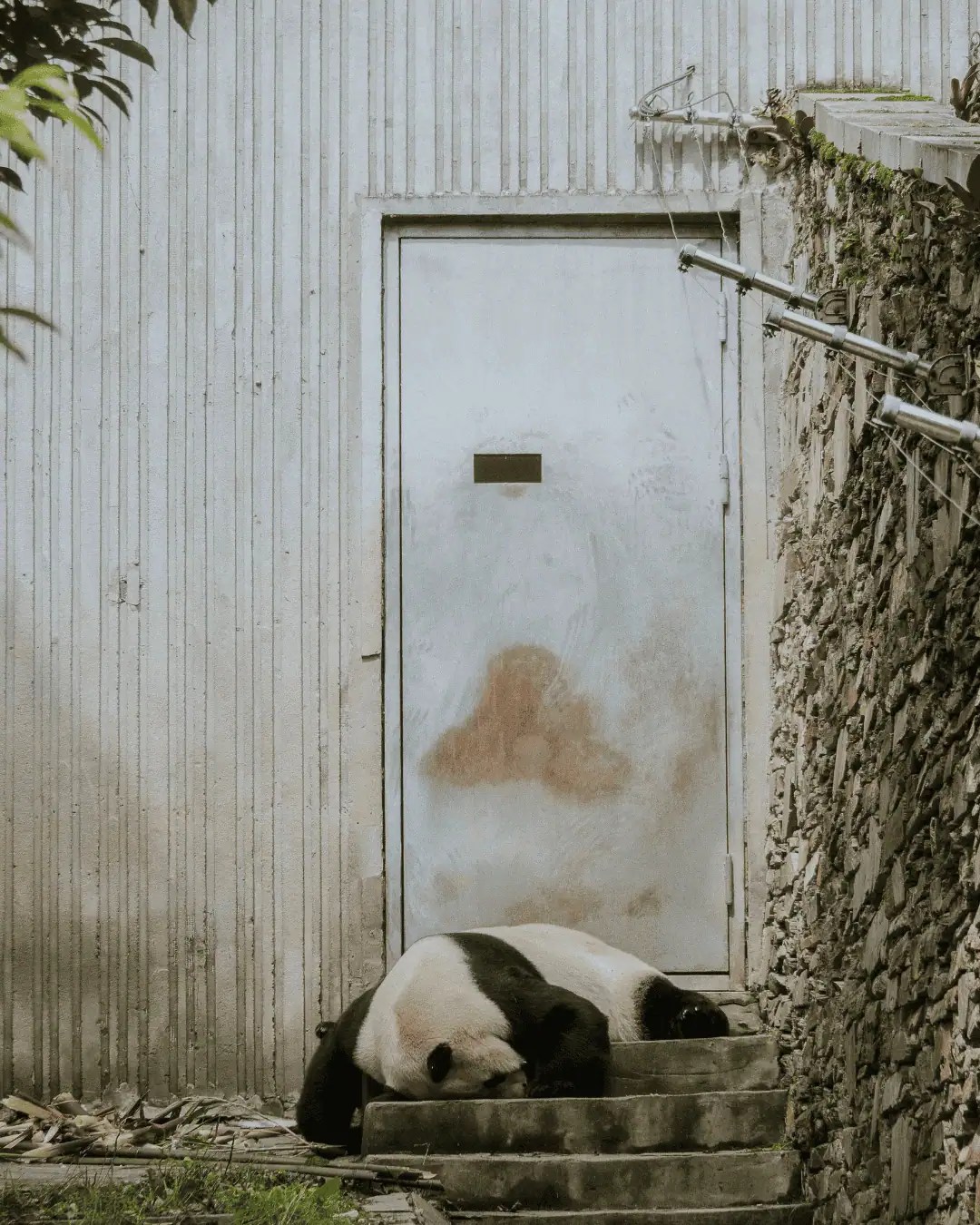
Just like at the other panda facilities, the pandas eventually start getting sleepy.
By around 10 AM, many of them were already settling down for their morning naps.
But don’t take that as a reason to leave!
This is a good time to slow down, explore some of the other areas, and enjoy watching the pandas in all their ridiculous sleeping positions. You can take a break yourself, too, before they start becoming active again later in the afternoon.
Where to Eat at Wolong
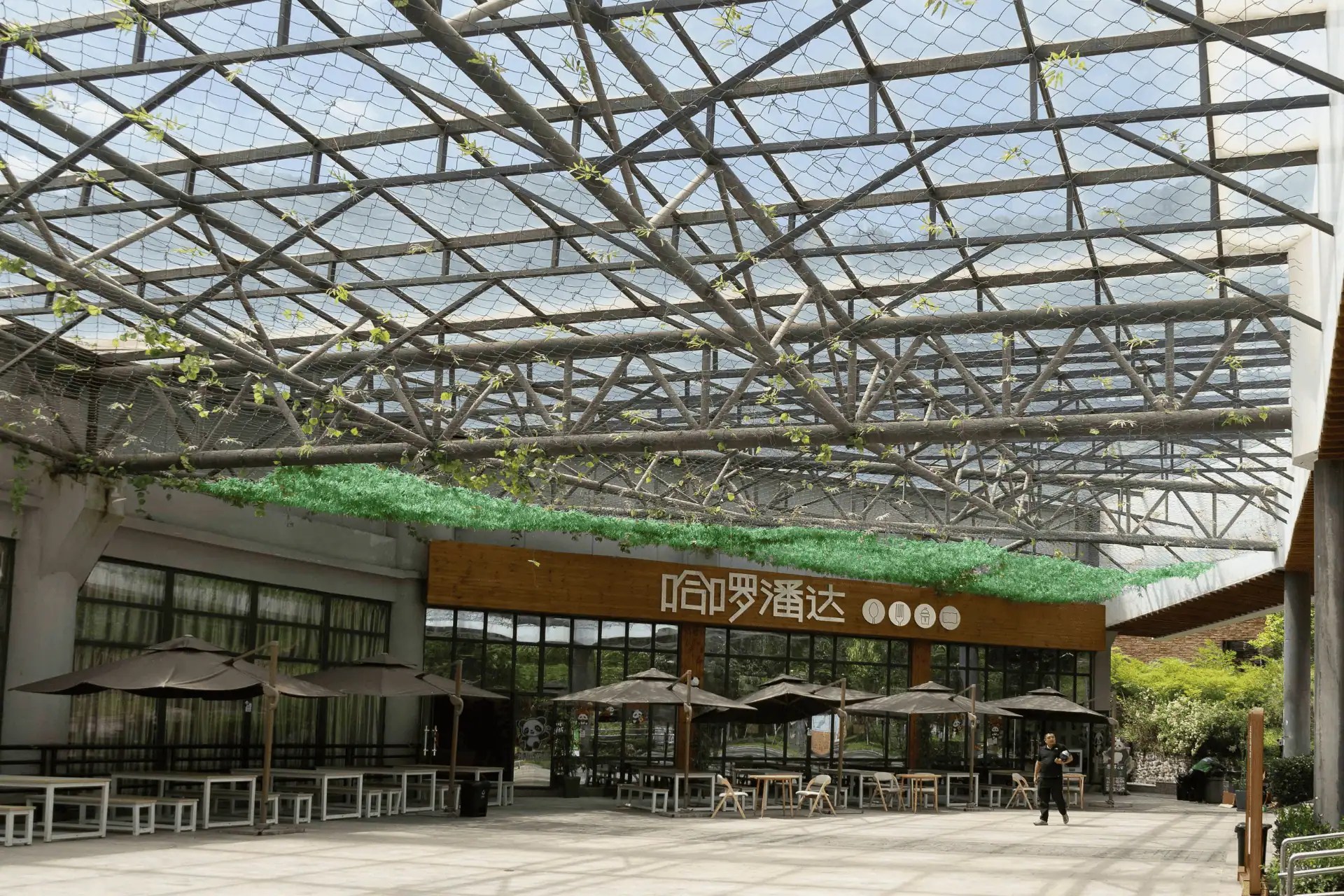
There is a restaurant inside the park, but it’s not the easiest place to find.
It’s roughly halfway through the park near the Panda Kindergarten area. However, because it’s privately operated, there aren’t many signs pointing you toward it throughout the rest of the park.
We spent about 10–15 minutes wandering around looking for it and eventually had to ask several workers for directions.
The food wasn’t anything memorable, either. If you’re making a full-day trip, I’d bringing your own snacks or lunch if you can.
There are also drinks and coffee available, so you can still find somewhere to take a break while the pandas sleep.
The Pandas Wake Up Again in the Afternoon
Around 2 PM, the pandas start becoming more active again.
They get an afternoon snack, which seems to be plenty of motivation to get them moving!
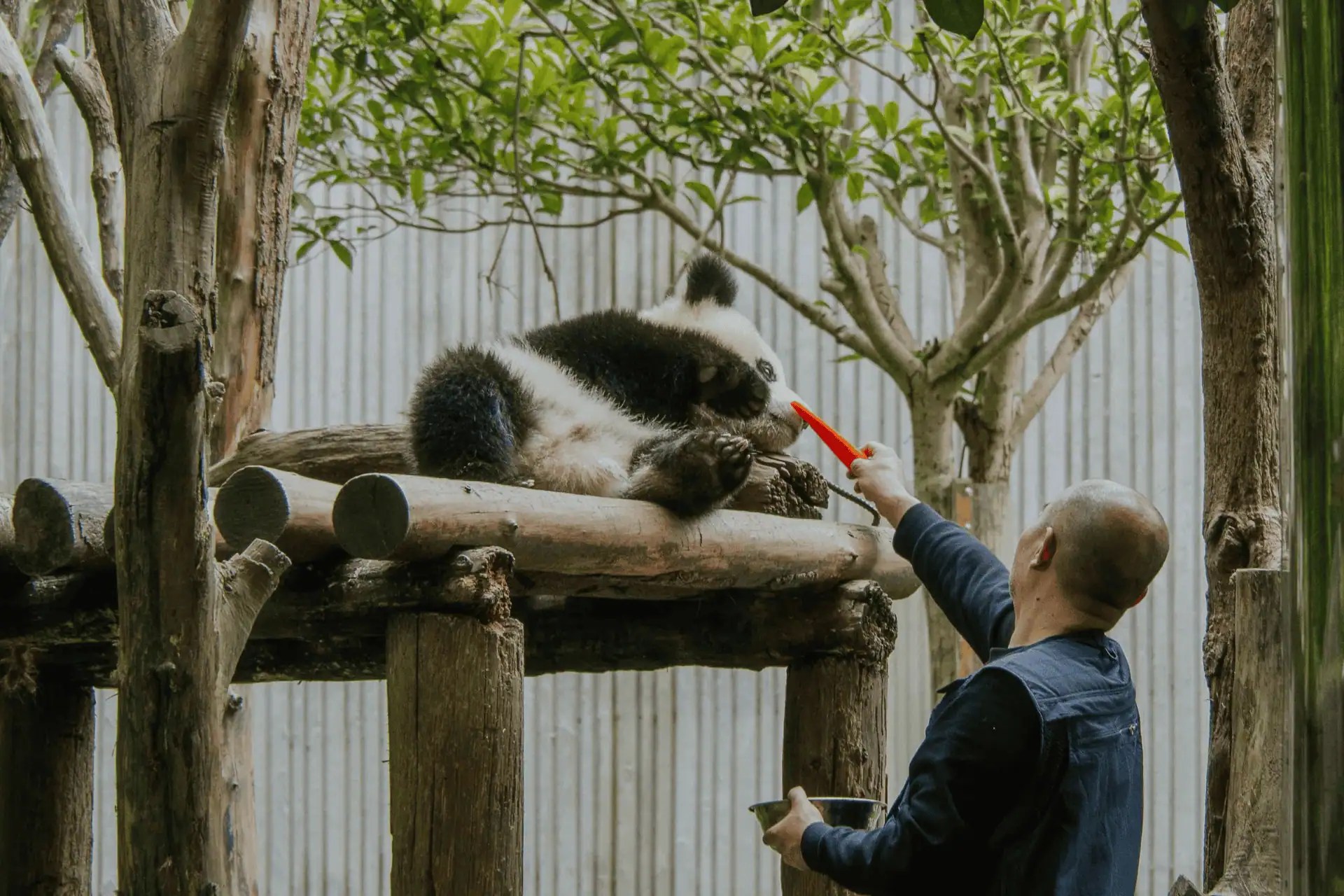
We even happened to catch a caretaker feeding the younger cubs around 3:15 PM while trying to clean their faces. It was one of those unplanned moments that ended up being one of my favorite parts of the day.

My Verdict on Wolong Panda Center
If you’re a serious panda lover, Wolong Panda Center is definitely worth the trip.
I really enjoyed the low crowds and being able to take my time at each enclosure without fighting for a view. The only downside is that the long stretch of Panda naps can make the day feel slow, as there’s not much else to do in between.
Still, watching the pandas sleep in ridiculous positions, wedge themselves into trees, and wake up for their afternoon snacks was pretty entertaining in its own way!
Overall, I’d recommend Wolong if seeing lots of pandas without crowds is your priority. Just be prepared for a long day and some downtime.
5. Bifengxia Panda Base in Ya’an
Best for: Combining a panda visit with canyon scenery, waterfalls, and hiking
If you’d like to see giant pandas but also want to explore some of Sichuan’s beautiful natural scenery, Bifengxia Panda Base is another option worth considering.
Located near Ya’an, about 150 km west of Chengdu, Bifengxia is part of a much larger scenic area surrounded by lush forests, mountains, and dramatic canyon landscapes.
The panda base is operated by the China Conservation and Research Center for the Giant Panda and is home to dozens of giant pandas. It has several different viewing areas, including a panda kindergarten, adult panda enclosures, and an area for pandas that have returned to China after living in overseas zoos. It’s also an important panda research and breeding facility.
More Than Just a Panda Base: Bifeng Gorge Scenic Area
What makes Bifengxia unique is that the panda base sits inside the Bifeng Gorge Scenic Area, a large ecological canyon attraction with its own network of hiking trails, waterfalls, forest paths, and scenic viewpoints.
You can spend the morning visiting the pandas and then head out to explore the gorge afterward. There are two main canyon routes, with the shorter route taking around 1.5–2 hours and the longer route taking roughly 3–4 hours. Along the way, you’ll find waterfalls, lush vegetation, and dramatic cliffs.
Is Bifengxia Worth Visiting?
I’d consider Bifengxia if you want to make a full day of your trip and enjoy a mix of wildlife and outdoor scenery.
Compared with Panda Valley, which is a smaller and more focused panda visit, Bifengxia offers a much larger nature experience. And unlike Wolong, where the main attraction is spending time watching the pandas, here you can easily fill the rest of your day hiking through the canyon.
Just keep in mind that Bifengxia is quite a bit farther from Chengdu than Panda Valley, so you’ll want to plan your transportation carefully. If you have the flexibility, staying overnight in Ya’an could also make the visit more relaxed.
Which Chengdu Panda Base Should You Visit?
It really depends on what you’re looking for.
Chengdu Research Base of Giant Panda Breeding
Choose this if: You have limited time and want the easiest option.
It’s closest to Chengdu, has excellent visitor facilities, and is a great choice for first-time visitors who especially want to see baby pandas.
Downside: It’s the most popular and can be very crowded.
Panda Valley
Choose this if: You want fewer crowds and a more natural setting.
This was my personal favorite for a relaxed visit. It’s smaller, greener, and the free-roaming red panda area was a huge highlight.
Downside: Getting there by public transportation takes some planning.
Dujiangyan Panda Garden
Choose this if: It’s reopened by the time you visit and you’re looking for a largerDujiangyan option.
Important: It has been closed since April 2026 for renovation, and there is currently no confirmed reopening date. Check its current status before planning your trip.
Wolong Panda Center
Choose this if: You really love pandas and don’t mind spending a full day getting there.
This was my favorite for the sheer number of pandas and lack of crowds. Watching the younger pandas play and then fall asleep in trees was so much fun.
Downside: It’s a longer day and involves a lot of walking and hills.
Bifengxia Panda Base
Choose this if: You want to combine a panda visit with a nature-focused day of hiking, waterfalls, and exploring the Bifeng Gorge Scenic Area. It’s a great choice if you enjoy outdoor adventures and want more to do than just watch pandas.
Downside: It’s farther from Chengdu than Panda Valley and takes more planning to reach. You’ll also need to allow enough time to explore both the panda base and the canyon, so it’s better suited to a full-day trip or an overnight stay in Ya’an.
When Is the Best Time to See Pandas?
Go in the morning.
This is the single most important tip no matter which panda base you choose.
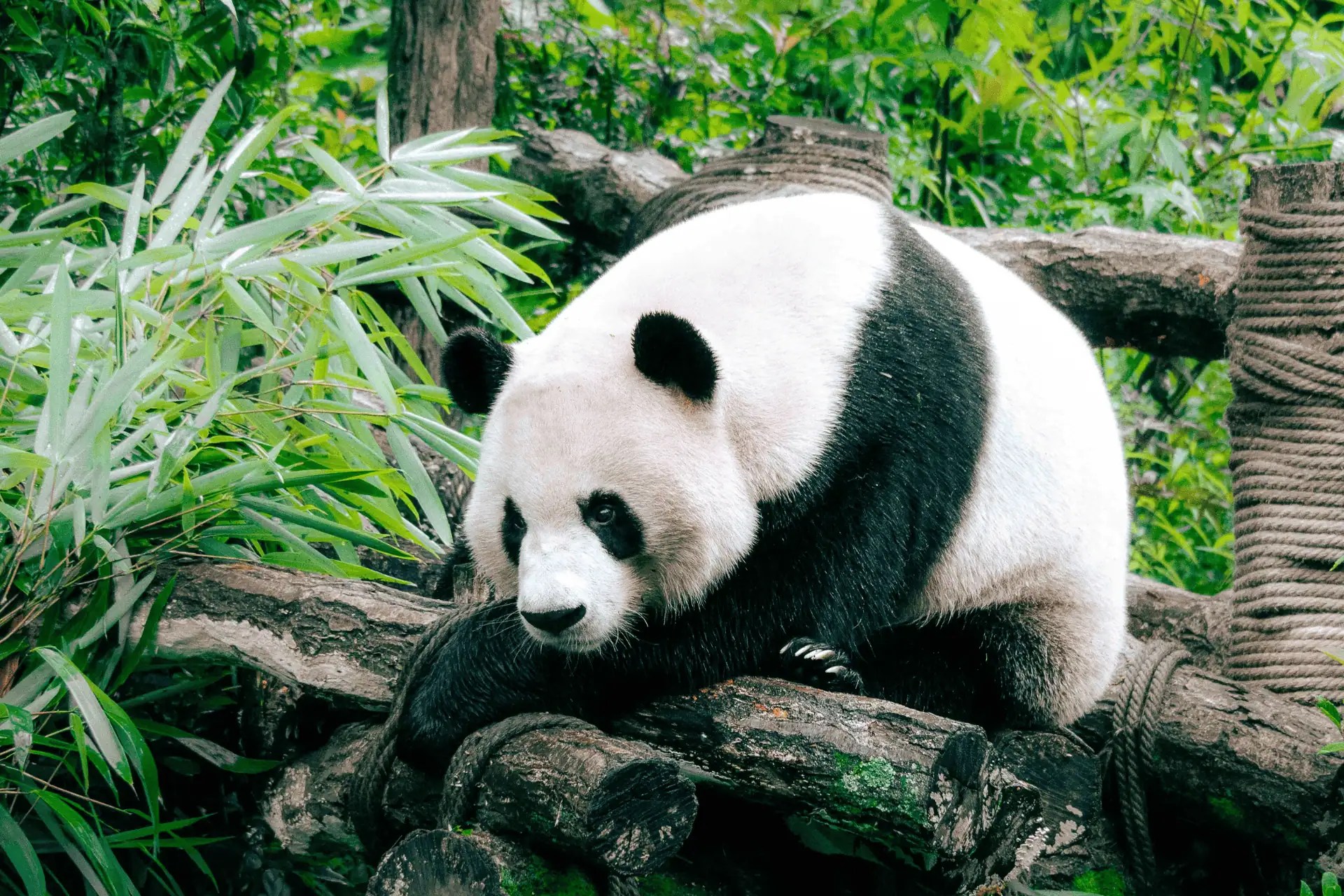
Pandas spend a huge part of the day sleeping, so your best chance of seeing them active is around their morning feeding times. Try to arrive as close to opening as possible, especially at the main Chengdu Panda Base. I’ve seen people wait in line before the gates even open to beat the crowds there.
At Panda Valley, we arrived around 8:15 AM, and the timing worked out well. We would have gotten there even earlier if we could, but since we were using public transportation, we were limited by the earliest train from Chengdu. Luckily, we still got to see the giant pandas while they were active before making our way to the red panda boardwalk for their morning feeding.
By around 10 AM, many of the giant pandas had already settled down for their naps.
Wolong followed a similar schedule. The pandas were most active in the morning, started getting sleepy around 10 AM, and then became more active again in the afternoon when they got their next snack.
So if you’re debating between sleeping in and seeing pandas early, get up for the pandas.
My Favorite Chengdu Panda Experience
If you only have a day in Chengdu, I’d choose the Chengdu Research Base because it’s the most convenient.
But if you have more time, I’d personally skip the crowds and make the trip to Panda Valley or Wolong.
Between the two, Panda Valley is the easier day trip, especially if you want to combine your panda visit with exploring Dujiangyan afterward. The red panda boardwalk is also a huge bonus.
Wolong takes more effort, but if you’re a serious panda fan, I think it’s worth it. There were so many pandas, the younger cubs were adorable, and the lack of crowds made the whole experience much more enjoyable for me.
After spending weeks traveling through some of China’s busiest cities and tourist attractions, having a few hours where I could just quietly watch pandas play, eat, and sleep was exactly what I needed.
And honestly, watching a panda wedge itself into a tree for a nap never gets old.
Explore More of China 🇨🇳
Planning to explore more of China? Check out my other China travel guides for more tips, favorite places, and adventures around the country!
Love the photos from this trip? I also sell prints of these landscapes and more of my travel photography in my Etsy shop, Night Star Studio. If you’d like to bring a little piece of your travels home, feel free to take a look!


