
Tokyo is one of the most dynamic cities in the world. Between the neon chaos of Shinjuku and the historic charm of Asakusa, it seems like every corner holds a new adventure.
For my first Tokyo trip, I wanted more than the usual tourist attractions. I was searching for hidden gems in Tokyo—off-the-beaten-path places where you can experience the quieter, more personal side of the city. Here are 14 unique and off-the-beaten-path places that made my Tokyo trip unforgettable.
P.S. This post isn’t sponsored, but it does contain affiliate links. If you use my links to make a purchase, I’ll get a small commission at no extra cost to you. Thanks for your support!
14 Hidden Gems Tokyo:
1. Jimbocho Book Town: A Hidden Gem for Book Lovers in Tokyo


If you’re a book lover visiting Tokyo, you have to put Jimbocho Book Town at the top of your list. Located in the Kanda-Jinbocho neighborhood, this literary paradise is home to over 400 bookstores, making it one of the largest secondhand book districts in the world—and definitely the best in Japan.
The neighborhood’s history goes back to the 1880s, when several law schools opened nearby. Students would buy and sell used textbooks, creating the beginnings of a thriving secondhand book market. That tradition still lives on today—though now, it’s not just textbooks. You’ll find everything from rare first editions and Edo-era woodblock prints to manga, philosophy, pop culture, art books, foreign-language novels, and even science journals. Whether you’re a casual reader or a serious collector, there’s something here for everyone.
One of the most charming things about Jimbocho is how the books spill out onto the streets. Many stores display their discount selections on open-air shelves, letting you browse while soaking in that nostalgic scent of old paper. It’s the kind of place where you might go in for one book and emerge hours later with an armful—and no regrets.
And it’s not just about the books. Jimbocho is also famous for its retro cafés, publishing house headquarters, and cozy curry restaurants. One of the most iconic stops is Ladrio, a vintage café that opened in 1949 as a bookshop reading room.
✨ One of my favorite discoveries? A tiny shop called Nyankodō, run by the kindest elderly gentleman. It’s filled with nothing but cat books and merchandise. Yes, an entire bookstore dedicated to cats! If you’re a cat lover—or just in the mood for something quirky and delightful—it’s an absolute must-visit.
Whether you’re chasing that old-book smell, on the hunt for a literary treasure, or simply want to soak up the vibe of a slower-paced, thoughtful Tokyo, Jimbocho Book Town is one of the best off-the-beaten-path places to explore in Tokyo.
Local Tip: Bring cash! Many of the small, family-run bookstores don’t accept cards. And try visiting on a weekday for a quieter, more relaxed browsing experience.
2. Asakusa Underground Street: Time Travel to Showa Era


Most travelers flock to Asakusa for the iconic Sensō-ji Temple or to shop along Nakamise-dori. But if you’re looking for something truly off the beaten path in Tokyo, there’s a hidden world beneath your feet that’s just waiting to be explored: the Asakusa Underground Street.
Tucked below the bustling streets near Asakusa Station, this gritty corridor is Tokyo’s oldest surviving underground shopping arcade, dating back to 1955. Step inside, and you’ll feel like you’ve slipped through a crack in time. The ceiling is low, the lighting is dim, and the air carries the faint scent of old vinyl, grilled food, and mystery. Exposed pipes snake overhead, and the walls are marked with decades of wear—it’s part dystopian film set, part retro relic, and all-around unforgettable.
Despite its age (or maybe because of it), the Asakusa Underground Street is still full of life. You’ll find a quirky mix of tiny ramen joints, vintage barbershops, psychic reading booths, and hole-in-the-wall eateries serving everything from Vietnamese pho to Japanese yakitori. Many spots have just a few stools at the counter, and the owners are often locals who’ve been running their shops for decades. Sit down, order a drink, and let the atmosphere wash over you.
Unlike the polished mega-malls of Shibuya or Shinjuku, there’s something raw and real about this space. It’s one of the most authentic hidden gems in Tokyo, a place where time seems to stand still and modern Japan feels a world away.
If you’re into urban exploration, retro vibes, or just want a break from Tokyo’s high-tech surface, don’t skip this underground microcosm of old-school charm.
Local Tip: Access the arcade from Exit 6 of Asakusa Station. It’s not well-marked, so keep your eyes peeled. Some spots don’t open until late afternoon, so time your visit accordingly if you want to eat or grab a drink.
3. Yushima Tenjin Shrine: Plum Blossoms and Prayers


Looking for a peaceful spot in Tokyo that blends tradition, nature, and spirituality? Yushima Tenjin Shrine—also known as Yushima Tenmangū—is a hidden gem worth adding to your itinerary. Tucked away in the Bunkyo district, this beautiful shrine is dedicated to Tenjin, the Shinto god of learning, and has been a quiet place of worship since 458 CE.
If you’re a student (or just need a little good luck!), this is one of the top places in Tokyo to pray for academic success. The wooden prayer plaques, called ema, are covered in handwritten wishes and hopes—everything from passing exams to getting into dream schools. The energy here feels hopeful and grounding all at once.
But even if you’re not here to study, Yushima Tenjin is worth a visit, especially in late winter. From early February to early March, the shrine becomes one of the best places to see plum blossoms in Tokyo. During the annual Ume Matsuri (Plum Blossom Festival), over 300 plum trees in shades of pink, white, and deep red burst into bloom. It’s absolutely stunning—less crowded than the cherry blossom spots and just as magical. The scent of the blossoms, the quiet rustle of the trees, and the historic atmosphere make it feel like you’ve stepped into a peaceful storybook.
The shrine grounds themselves are equally beautiful, with traditional wooden architecture, stone lanterns, and small hidden corners perfect for wandering. During festival season, you’ll often find food stalls selling warm amazake (sweet rice drink), grilled snacks, and other local treats.
If you’re looking for non-touristy places to visit in Tokyo or a quieter seasonal event, Yushima Tenjin is a perfect stop.
Local Tip: Go early in the morning for soft light and fewer people, especially during plum blossom season. It’s also walking distance from Ueno Park, so you can easily combine it with a museum visit or a stroll through the park.
4. Nezu Shrine: Azaleas and Torii Gates
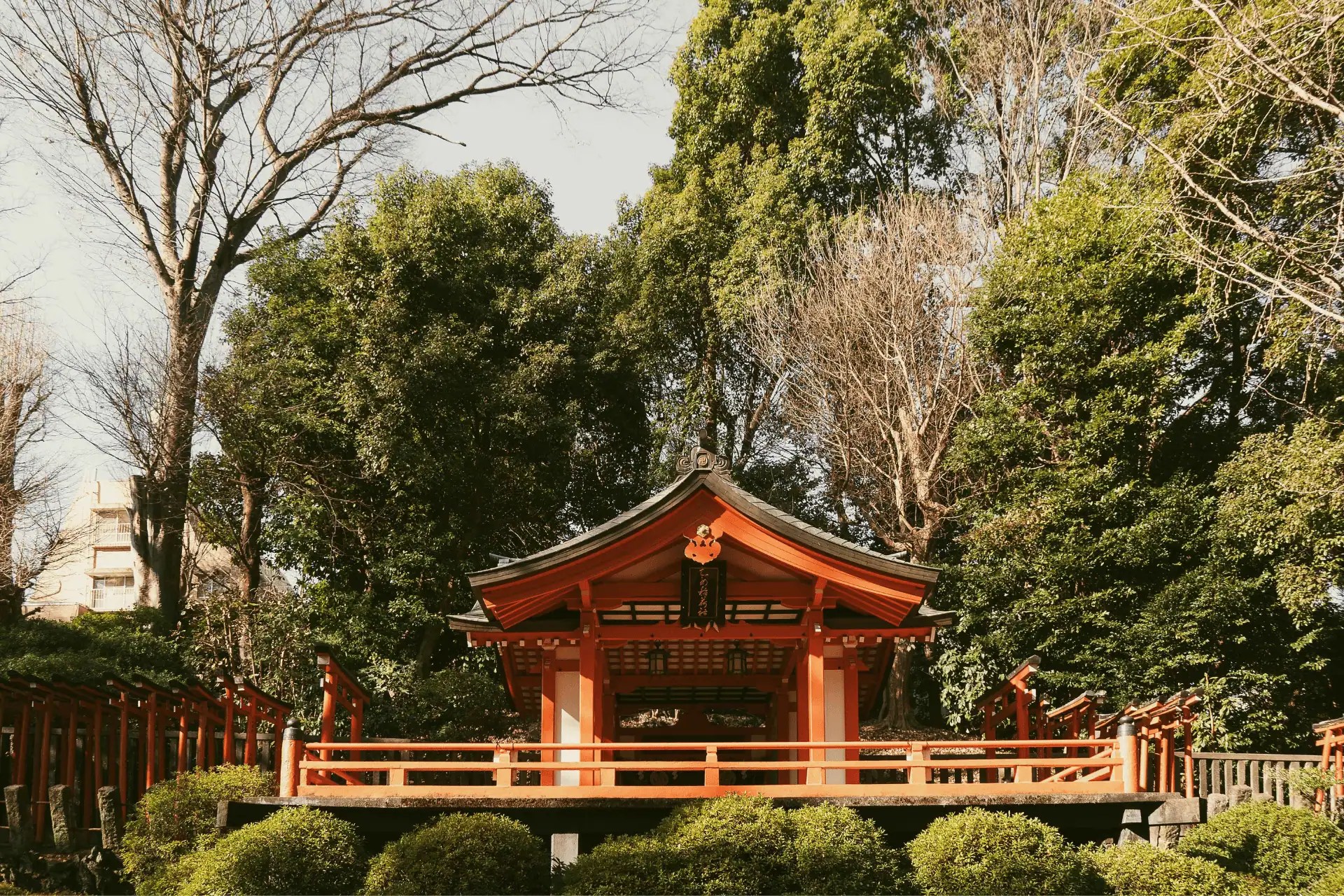
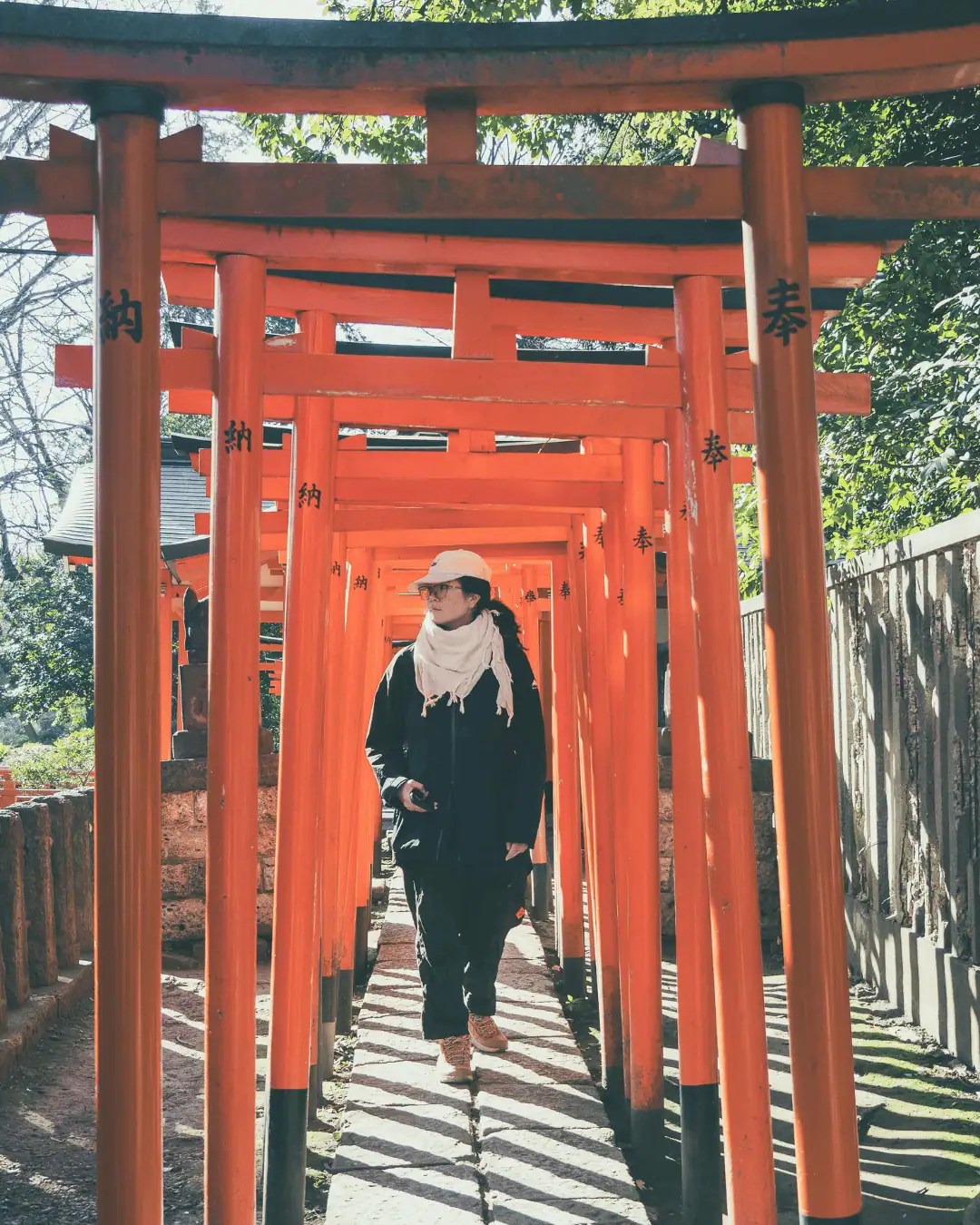
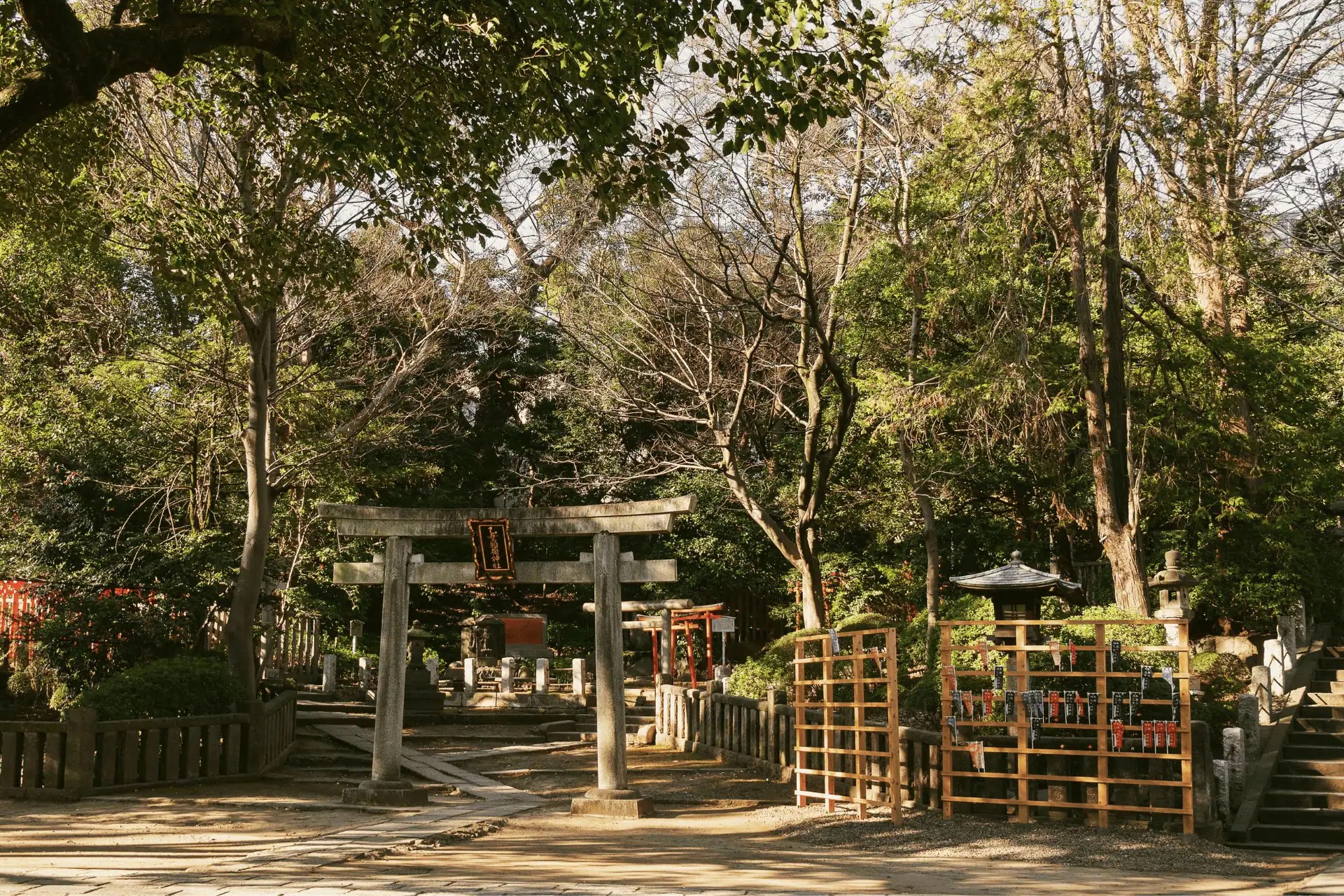
If you love Kyoto’s Fushimi Inari Shrine but want a lesser-known alternative, Nezu Shrine is a must. Located in Bunkyo Ward, it’s one of Tokyo’s oldest shrines, known for its rows of red torii gates and a hillside covered with 3,000 blooming azalea bushes each spring (Bunkyo Azalea Festival).
The peaceful atmosphere and historical architecture make it a fantastic spot to slow down and appreciate traditional Japanese beauty.
5. Tanuki Street: Tokyo’s Whimsical Walk


Just a short stroll from Sensō-ji is Tanuki Street, home to 11 adorable tanuki (raccoon dog) statues. Each represents a different blessing—like love, success, or fortune.
Rub their bellies or heads for good luck, and enjoy a peaceful walk down this quiet lane, away from the crowds. The red-roofed houses they sit beside add to the playful charm.
For a full breakdown check out this Guide to the Tanuki statues.
6. Yakitori Alley (Under the Shinkansen Tracks)


Tucked away under the tracks of Japan‘s famed Shinkansen bullet trains in central Tokyo is a dining experience that is hard to beat: Yakitori Alley. The area has become rather developed lately, with “real” restaurants filling in a number of the old shop areas and changing the feel a bit. Still, show up any evening and slide on to a stool and you’ll likely be left with some of the same thoughts I was.
7. The National Art Center, Tokyo: Architectural Wonder


Unlike traditional museums, the National Art Center doesn’t have a permanent collection. Instead, it hosts rotating exhibits from artists around the world inside a stunning glass-and-steel structure designed by Kisho Kurokawa.
The undulating facade is worth a visit alone, but check the exhibit schedule—you might stumble upon an unexpected masterpiece.
8. Shimokitazawa: Tokyo’s Coolest Thrift Scene
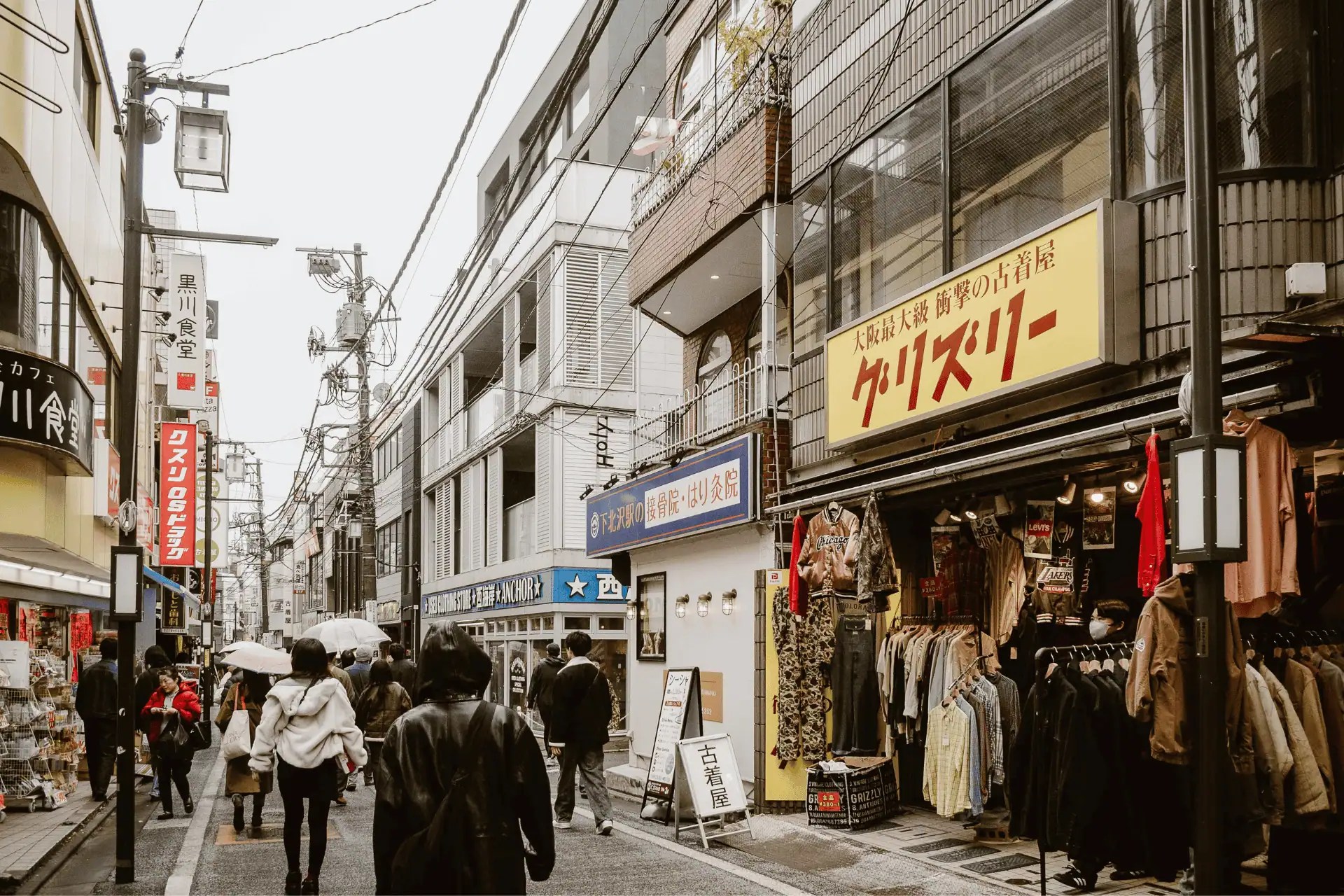
Shimokitazawa, or “Shimokita,” is a laid-back neighborhood full of independent thrift shops, live music venues, record stores, and quirky cafes. Once an artists’ enclave in the 1960s, it has kept its vintage, bohemian spirit alive.
If you love sustainable fashion or just want a quieter afternoon browsing local finds, this is the place to be.
9. Sakura Jingu Shrine: Matchmaking with Cherry Blossoms
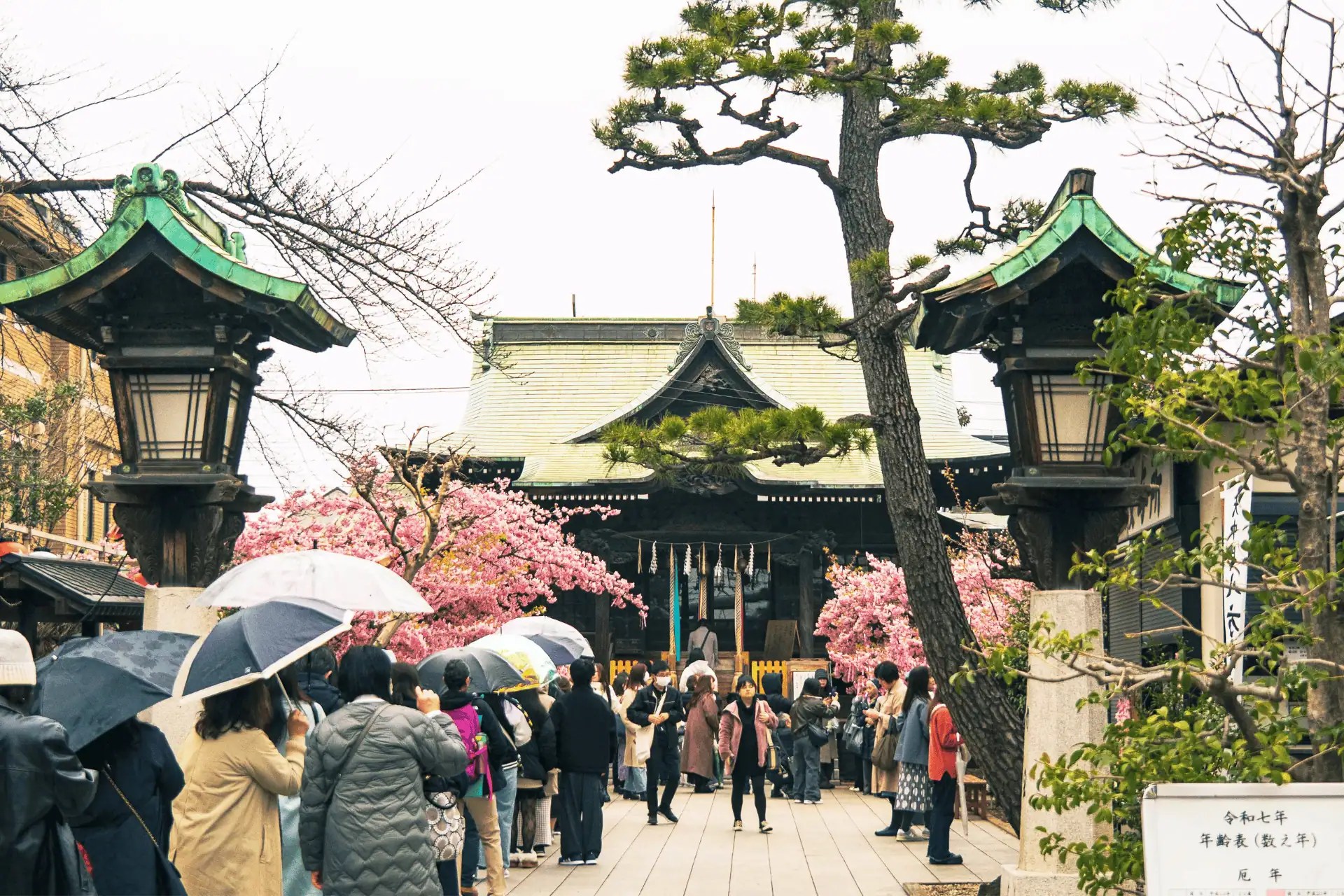
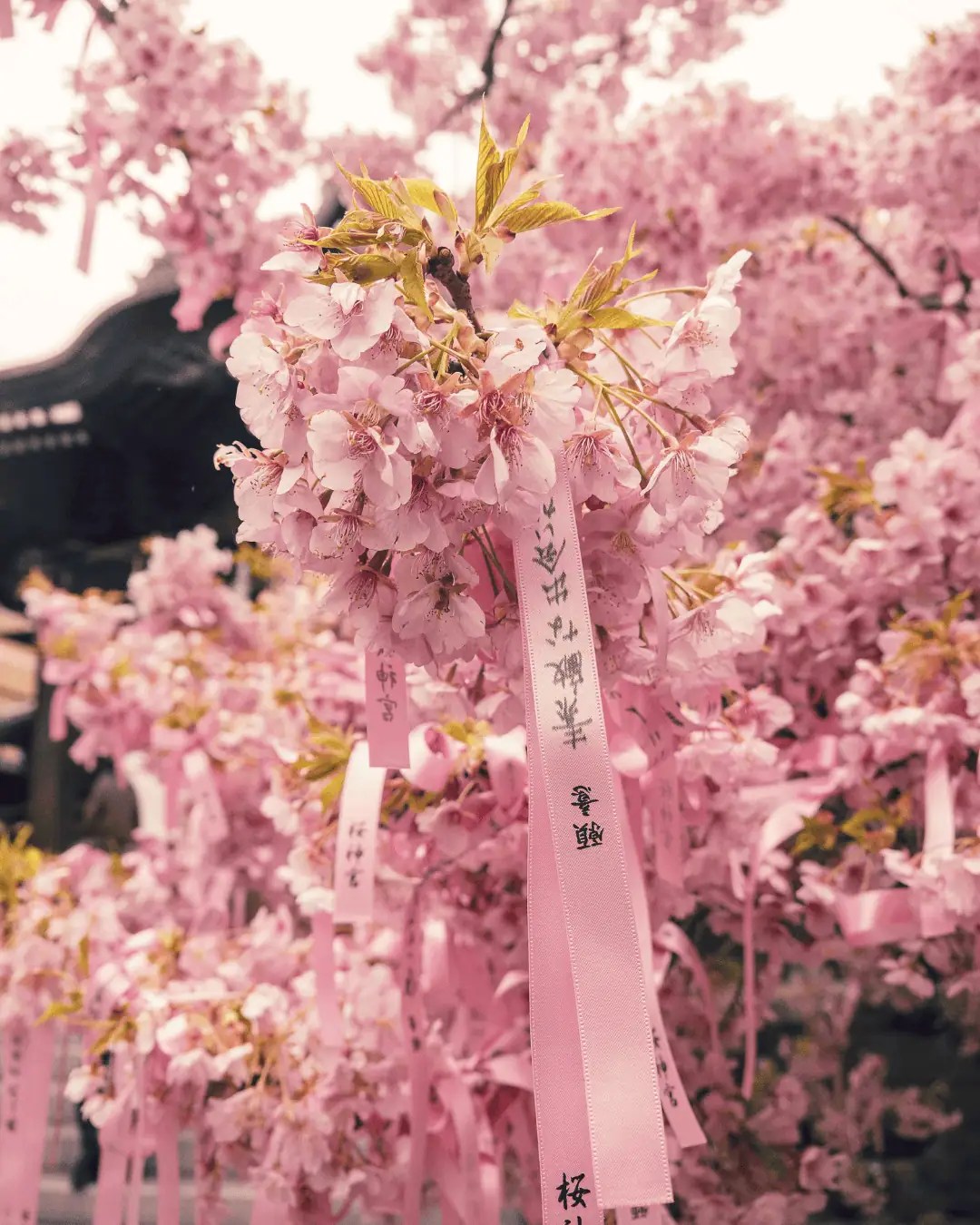
Set in Setagaya, Sakura Jingu is a unique cherry blossom viewing spot thanks to its pink ribbon tradition. Visitors can write romantic wishes on pink hanaobi ribbons and tie them to the enmusubi (love) tree beside the shrine.
The trees bloom earlier than most—late February to early March—so it’s ideal if you’re visiting before peak season. If you are here during the blooms and want your own ribbon, arrive early in the morning as the line gets long. I was there around 9-10am and the line was already stretching outside the shrine and around the street.
10. Gōtokuji Temple: Home of the Lucky Cat
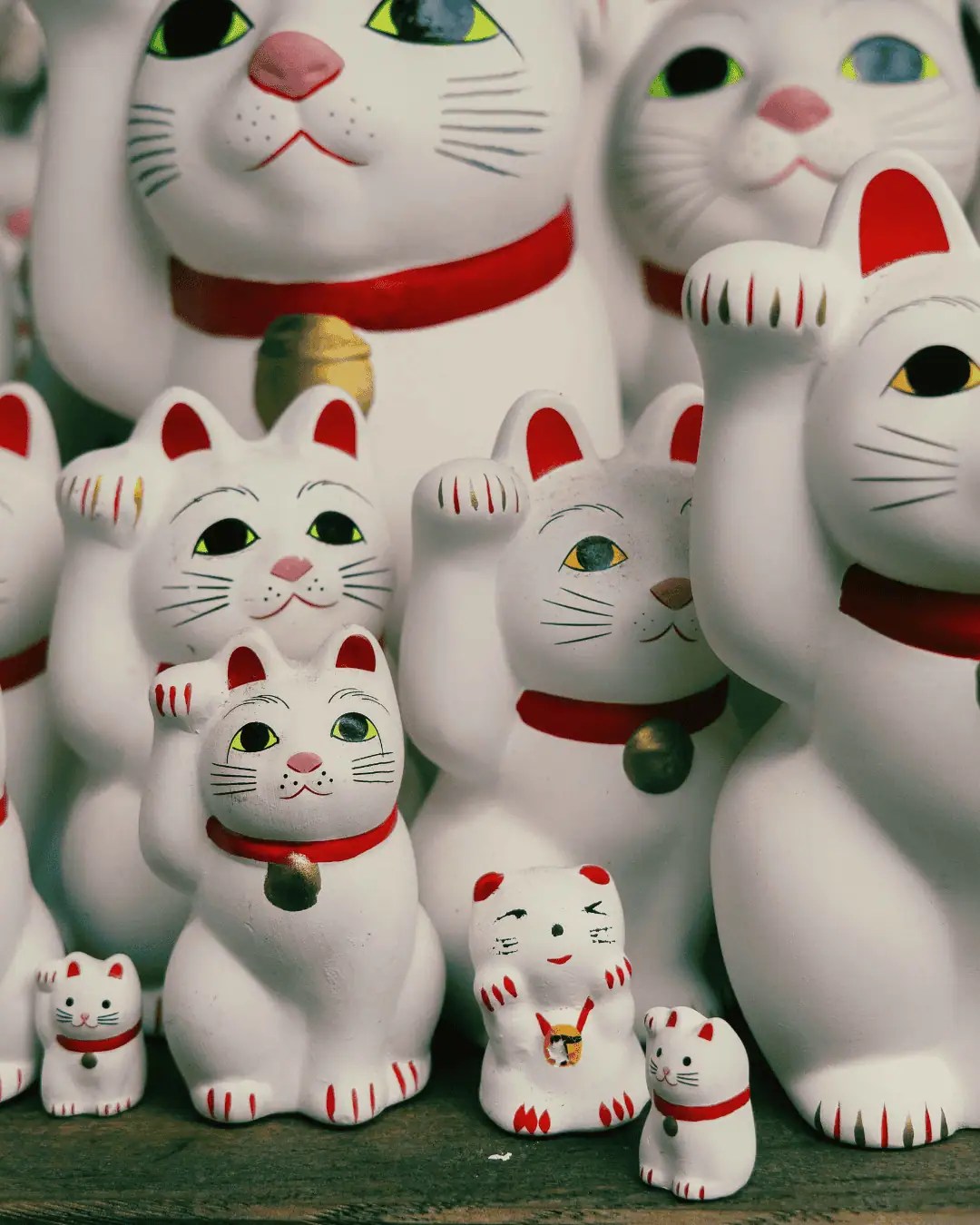
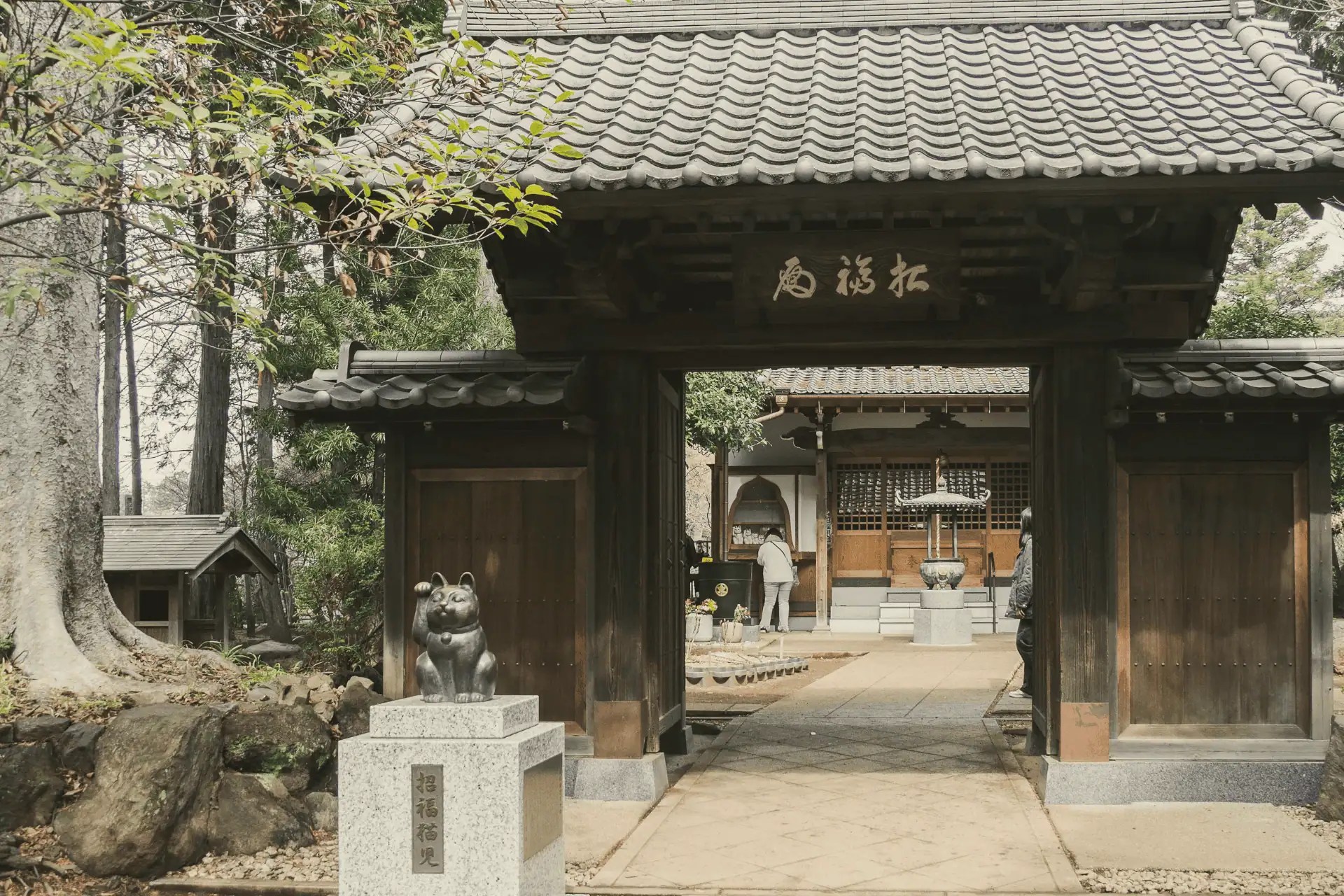
Ever seen those beckoning cat figurines (maneki-neko) at Japanese shops? Gōtokuji Temple is believed to be their birthplace. Located in Setagaya, this temple is adorned with thousands of white lucky cats. Gōtoku-ji was established as Kōtoku-in in 1480.
It’s peaceful, photogenic, and a must-visit for cat lovers. Come early if you’re looking to buy souvenirs from the shrine shop! I went around 11am and there were already several cat statues sold out.
11. Setagaya Hachimangu Shrine: Samurai Roots & Sumo Traditions in Tokyo
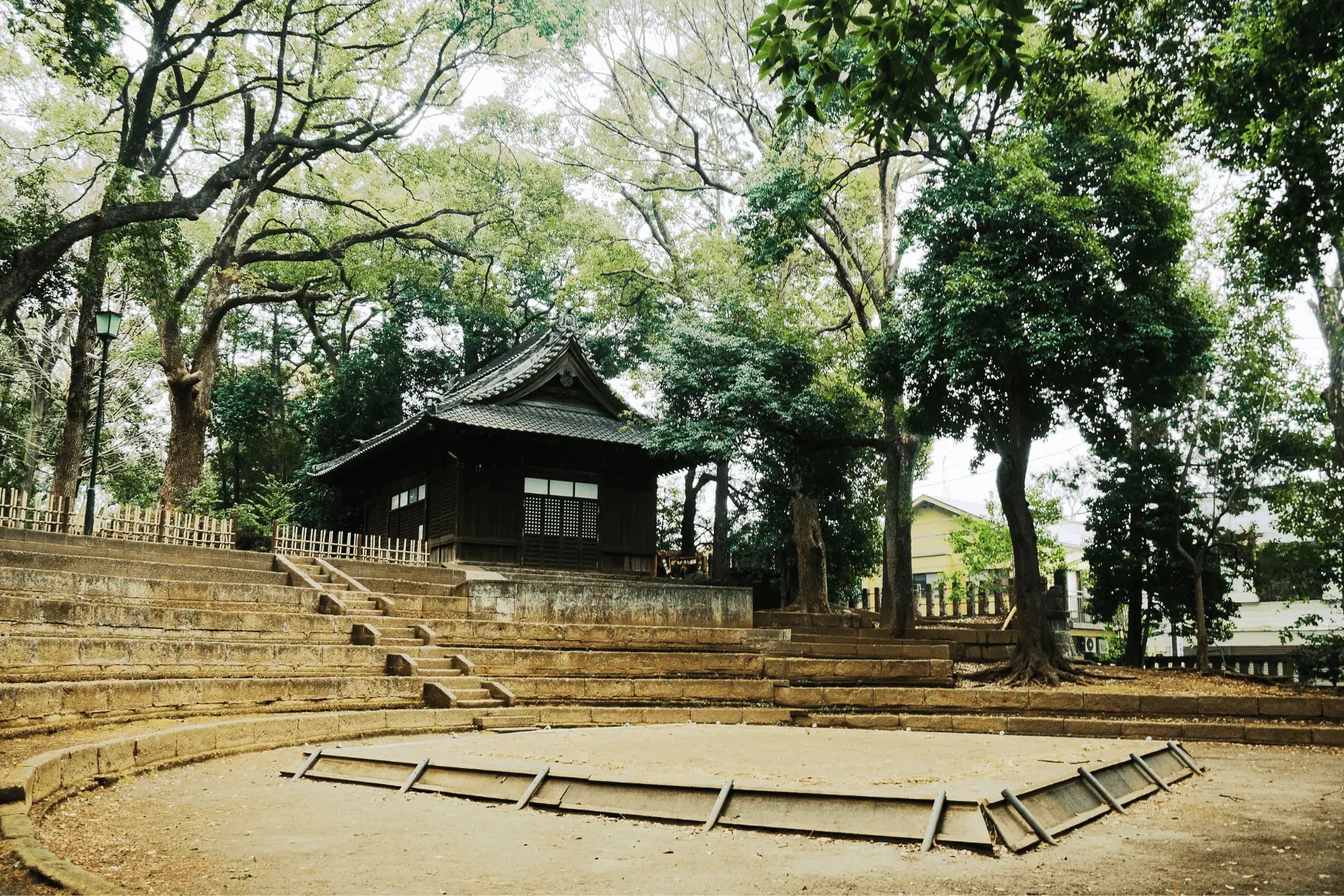
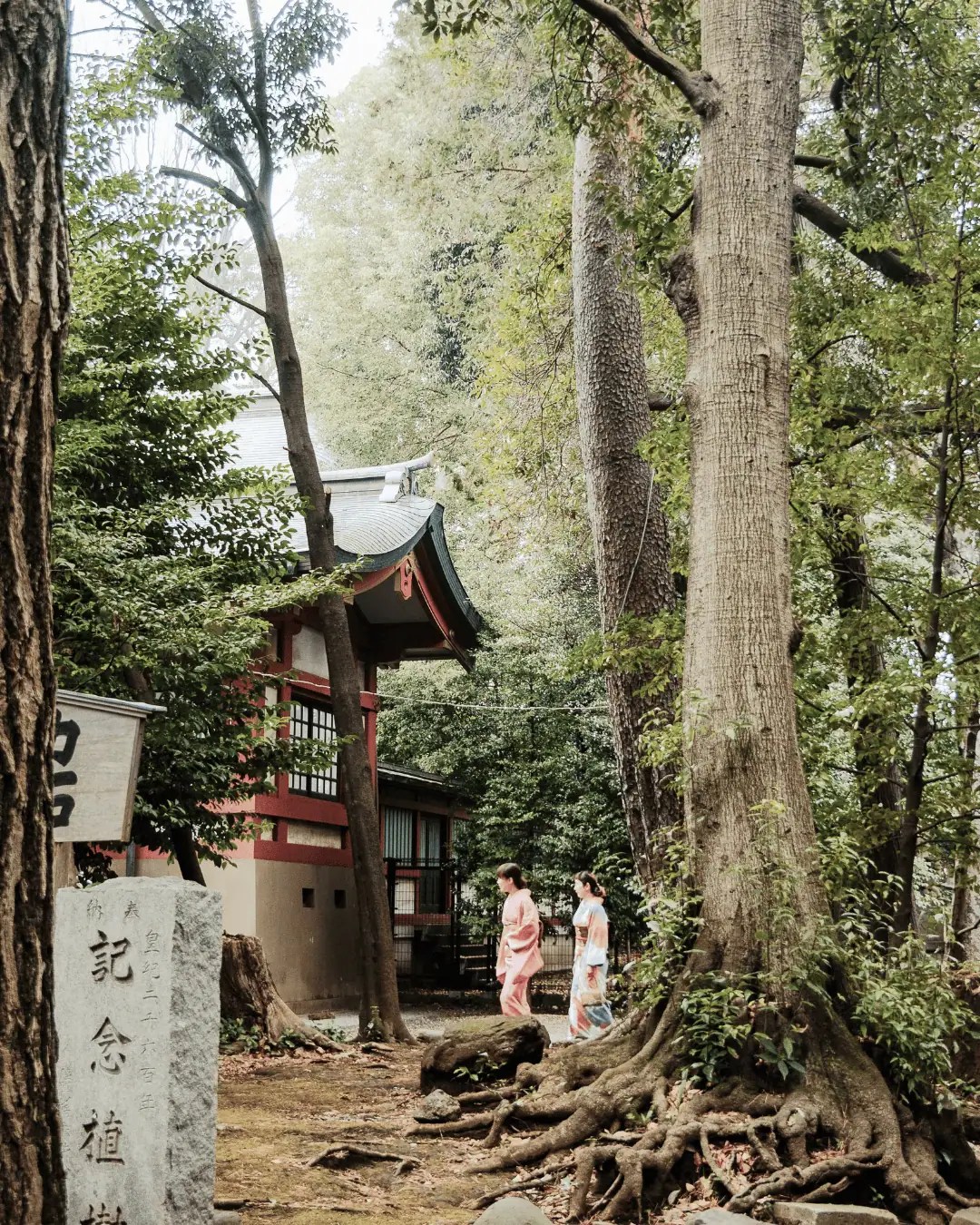
If you’re looking to step back in time and experience a quieter, more historical side of Tokyo, Setagaya Hachimangu Shrine is a hidden gem worth adding to your list. Located in a peaceful residential area of Setagaya, this shrine is steeped in samurai history, spiritual tradition, and sumo wrestling legacy—a unique combination that sets it apart from more famous shrines in the city.
The shrine’s origins date all the way back to 1091, during Japan’s Heian period. According to legend, the powerful samurai lord Minamoto no Yoshiie stopped in this area on his return from a military campaign in the Tōhoku region. Heavy rains forced him to stay put for several days. While waiting out the weather, he held a ceremony to honor Hachiman, the deity of war and protection, and instructed the locals to worship this god as their community guardian. He also held sumo matches with his men—an act that inspired a tradition still carried on centuries later.
In fact, the shrine became known for hosting one of the three major sumo events of the Edo period, and even today, sumo wrestling exhibitions take place here during the annual autumn festival, connecting modern-day visitors with Tokyo’s ancient warrior past.
The grounds themselves are peaceful and uncrowded, making them perfect for a meditative stroll. You’ll find tall cedar trees, moss-covered stone lanterns, a grand torii gate, and a rich sense of old Japan lingering in the air. It’s one of those off-the-beaten-path Tokyo places where you can feel time slow down.
Local Tip: Visit during the shrine’s autumn festival in September to see traditional performances and sumo matches held in honor of its legacy. It’s a rare and unforgettable experience.
12. Ueno Ameyoko Shopping Street: Tokyo’s Original Black Market
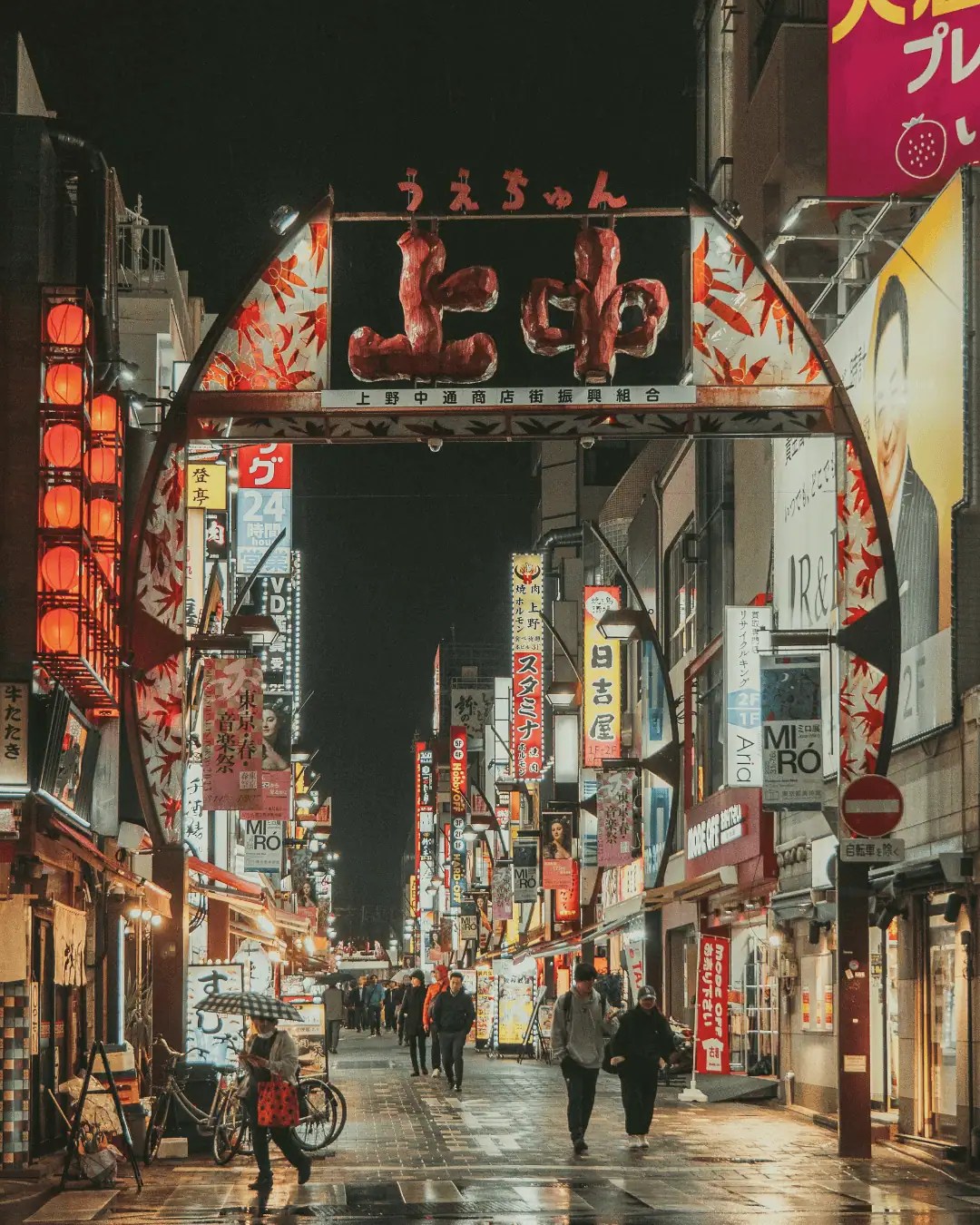
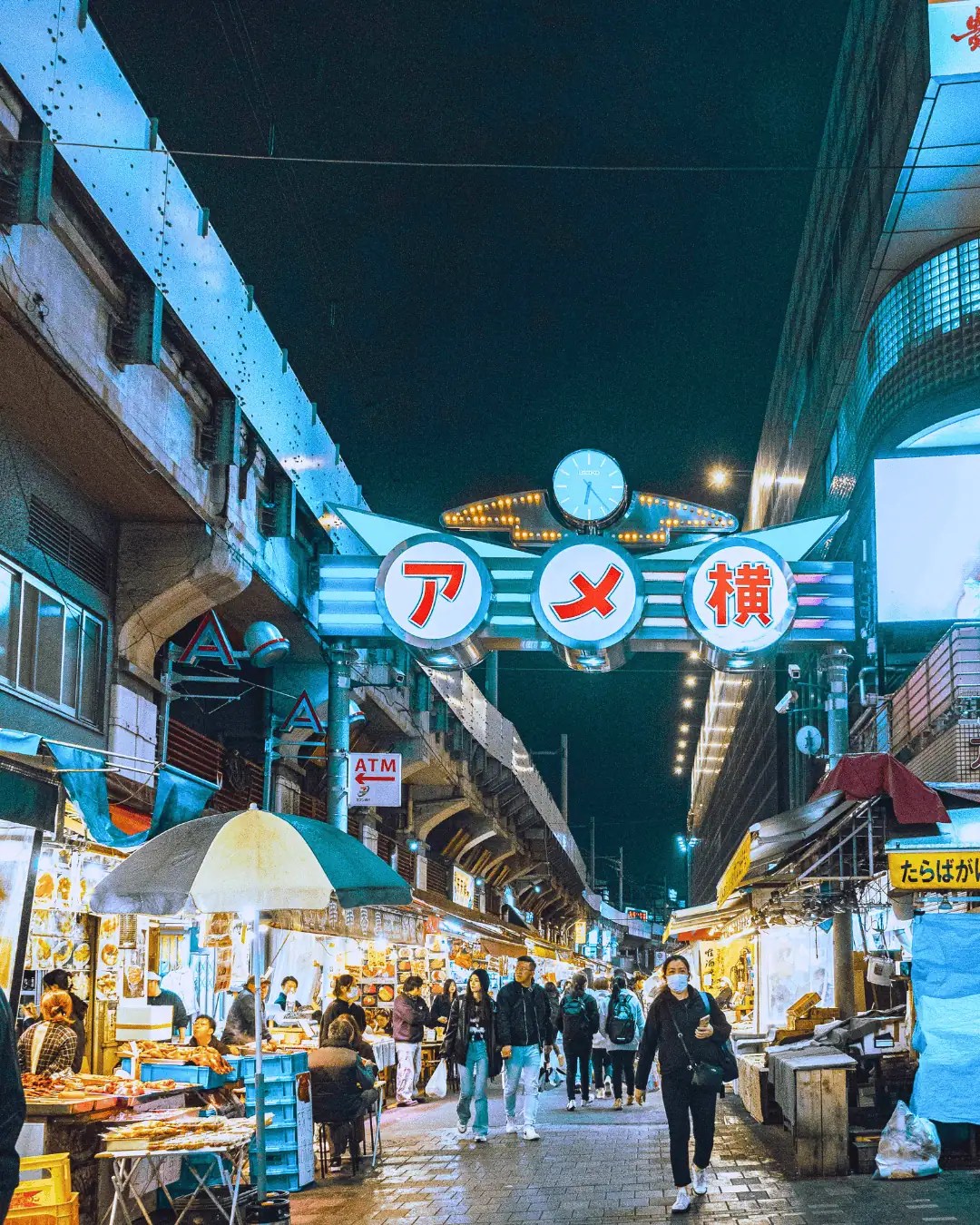
Tucked between Ueno and Okachimachi Stations, Ameyoko Shopping Street (short for “Ameya Yokocho”) is one of Tokyo’s most vibrant and chaotic stretches—a far cry from the sleek, quiet shopping malls found elsewhere in the city. If you’re looking for an off-the-beaten-path Tokyo experience that’s full of energy, color, and deals, Ameyoko is it.
This 500-meter-long alley runs alongside the elevated JR train tracks and is packed with over 400 shops selling just about everything—fresh seafood, dried fruit, sneakers, beauty products, knock-off fashion, snacks, spices, and even watches and leather goods. Many vendors shout out their deals, haggle over prices, and engage with passersby, which is rare in Japan’s typically reserved shopping culture. The street is loud, fast-paced, and always buzzing.
But what makes Ameyoko even more fascinating is its gritty history. After World War II, this area transformed into a thriving black market, where merchants sold everything from American goods to hard-to-find food items. It was a place of survival and hustle during a time of scarcity, and even today, you can feel that underground energy woven into the atmosphere. There are two theories about the name “Ameyoko”: some say it comes from “Ameya” (candy store), while others believe it stems from “America,” referencing the American products once sold here.
✨ Fun fact: You’ll still find plenty of old-school candy shops tucked between bargain stalls—some even selling nostalgic Japanese sweets by the scoop.
Whether you’re hunting for cheap souvenirs, trying street food like takoyaki or yakitori, or just want to experience Tokyo’s scrappier side, Ameyoko is a hidden gem with heart. It’s one of the few places in the city where haggling is actually expected, so don’t be shy—flex those bargaining skills!
Local Tip: Visit in the late morning or early afternoon for the best shopping experience. If you’re visiting during the New Year period, brace yourself—Ameyoko becomes incredibly crowded, with locals stocking up on food and gifts.
13. Yanaka Ginza & Yadorigi Cat Cafe
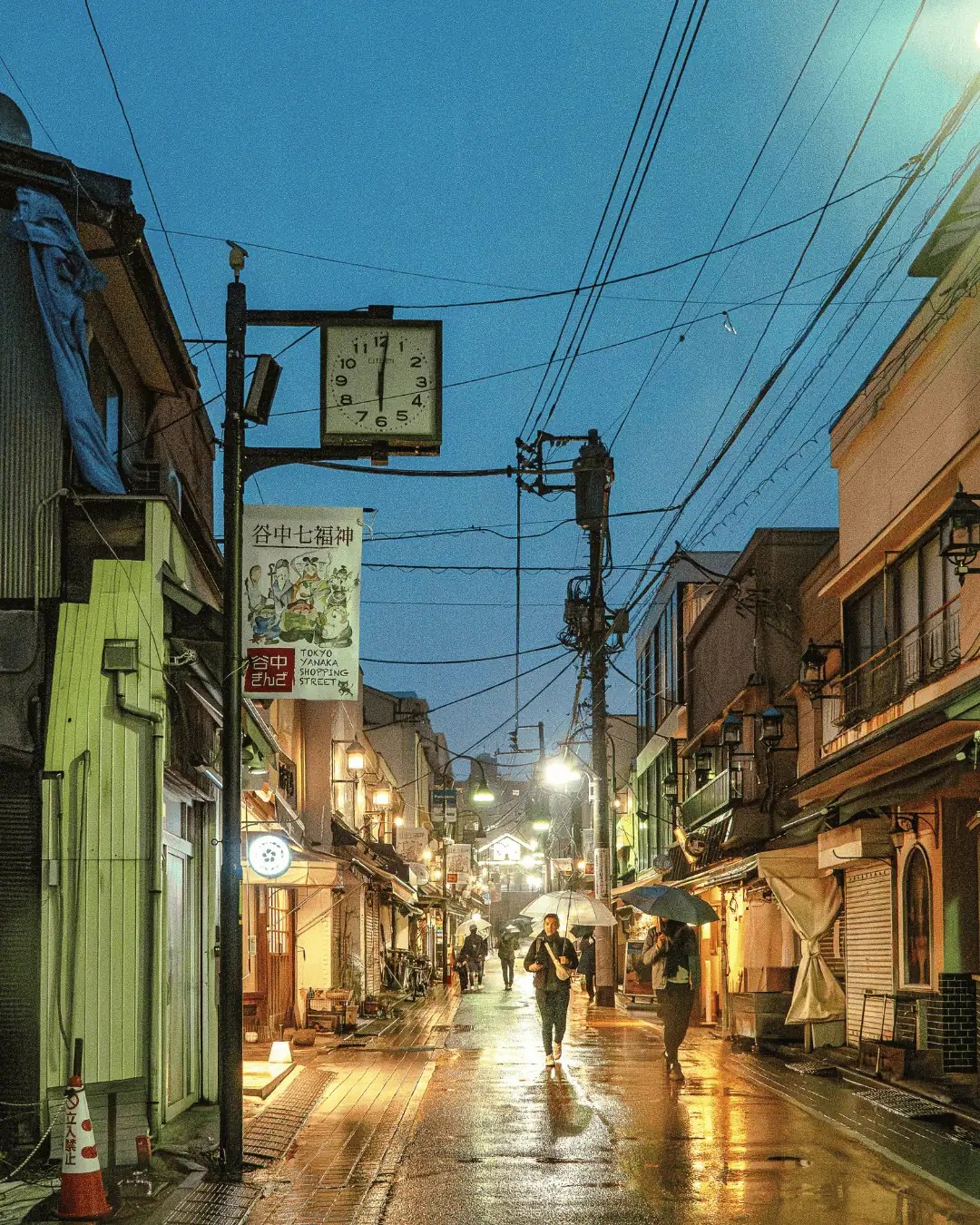


Yanaka Ginza is one of Tokyo’s most charming shopping streets—a place that feels like stepping into 1950s Japan. Unlike the high-energy flash of places like Harajuku, this retro street is lined with family-run vendors selling traditional snacks, handmade crafts, and everyday home goods. It’s a slower, quieter slice of Tokyo that feels lived-in and deeply local.
Just a short walk away is Yadorigi Cat Café, one of the most heartwarming and ethically run animal cafés in the city. All of the cats here are rescues, and the space is carefully regulated for their comfort and health. Before entering, you’ll be asked to sanitize your hands, clean your shoes, and store your belongings—something that immediately sets the tone for a calm and caring environment.
The café also serves surprisingly delicious Italian food. I opted for their 3-item set meal (main dish, drink, and dessert – starts at ¥3,000 ), which comes with two full hours in the cat lounge. You can also do a one-hour visit with a drink for around ¥1,500. My personal pick? A frosty beer and a fluffy tiramisu.
💡 Local Tip: During busy seasons, it’s best to reserve in advance to secure a spot. Also, try not to visit other animal cafés earlier that day—staff are diligent about hygiene and won’t let you in to prevent disease from other animals.
14. Book and Bed Tokyo: A Unique Place to Stay in Shinjuku


Why just visit a bookstore when you can sleep in one? Book and Bed Tokyo in Shinjuku offers tiny bunks hidden behind bookshelves, perfect for introverts, travelers, and bookworms alike.
Warm wooden shelves, soft lighting, and a quiet atmosphere make it a dreamy place to unwind after a day exploring Tokyo.
There’s also a location in Osaka too! Check out this blog for my full review “My Stay at Book and Bed Tokyo and Osaka: Sleeping in a Bookshelf“
Final Thoughts: Discover the Hidden Gems of Tokyo
Whether you’re visiting Tokyo for the first time or returning for a deeper dive, there’s so much more than just Shibuya Scramble and Tokyo Tower. From thrift stores and underground alleys to temples of lucky cats and romantic cherry blossom shrines, these 14 off-the-beaten-path Tokyo experiences offer a unique, local look at the city.
Which of these hidden gems will you add to your Tokyo itinerary?
More Tokyo Travel Guides to Check Out:
- The Best Tokyo Day Trip: Hakone’s Hot Springs, Fuji Views & Mountain Magic
- Captivating Kamakura Itinerary: How to Spend 1-2 Days on Japan’s Coast
- Matsuda Cherry Blossom Festival: A Dreamy Sakura Day Trip from Tokyo
P.S. Like the vibe of these photos?
I’ve turned some of my favorite travel shots into art prints over on my Etsy shop! Not every place I write about makes it into the shop, but if you’re into dreamy landscapes, vintage surfers, or just love a cute puffin, come take a look: Night Star Studio on Etsy


7 comments
thca flower sale
Hello! I just would like to give an enormous thumbs up for the good information you have got right here on this post. I will be coming again to your weblog for more soon.
Claire
Thank you so much! Glad you found this helpful 🙂
ticketmaster livenation tickets official
Thank you for the sensible critique. Me and my neighbor were just preparing to do a little research on this. We got a grab a book from our area library but I think I learned more from this post. I am very glad to see such great information being shared freely out there.
Claire
Thank you!! The library is a great resource, i usually check out a several travel book guides when i’m researching my own trips
linkedin leads
Wow, incredible blog format! How long have you been running a blog for? you made blogging look easy. The full look of your website is magnificent, as smartly as the content!
Claire
Thank you!! I’ve been writing for about 1.5 years now 🙂
Comments are closed.