
Kings Canyon National Park has always been one of those places I passed through rather than truly experienced. In college, I made a few day trips from the Bay Area, usually combining Kings Canyon with Sequoia National Park and never spending enough time to really explore either one.
This year, I finally changed that.
For six days and five nights, I based myself deep within Kings Canyon at Cedar Grove, spending three nights camping at Sentinel Campground and two nights backpacking into Paradise Valley along the famous Rae Lakes Loop trail. What I discovered was one of the most dramatic landscapes in California—towering granite walls, rushing rivers, lush meadows, waterfalls, and some of the most impressive canyon scenery I’ve seen in the Sierra Nevada!
If you’re planning a trip to Kings Canyon National Park, this guide covers our full itinerary, campground recommendations, day hikes, backpacking information, permit tips, and everything I wish I had known before visiting.


6 Day Kings Canyon Itinerary:
Our 5-Night Kings Canyon National Park Itinerary
We split the trip into two parts:
Part 1: Cedar Grove Basecamp
- 3 nights at Sentinel Campground
- Day hiking around Cedar Grove
- Exploring Kings Canyon Scenic Byway
- Visiting waterfalls, meadows, and historic sites
Part 2: Paradise Valley Backpacking Trip
- 2 nights backpacking from Roads End
- Hiking a section of the Rae Lakes Loop
- Camping in Paradise Valley
- Visiting Mist Falls and the upper canyon
This combination ended up being perfect. We had time to enjoy the easier day hikes around Cedar Grove before heading into the backcountry for a few nights.
Driving Into Kings Canyon National Park
One thing I hadn’t appreciated during previous visits was just how spectacular the drive into Kings Canyon really is.
Before descending into Cedar Grove, you’ll pass through Grants Grove, home to the famous General Grant Tree—the third-largest tree in the world by volume. Even if you’ve visited giant sequoias before, it’s worth stopping for a quick walk through the grove.


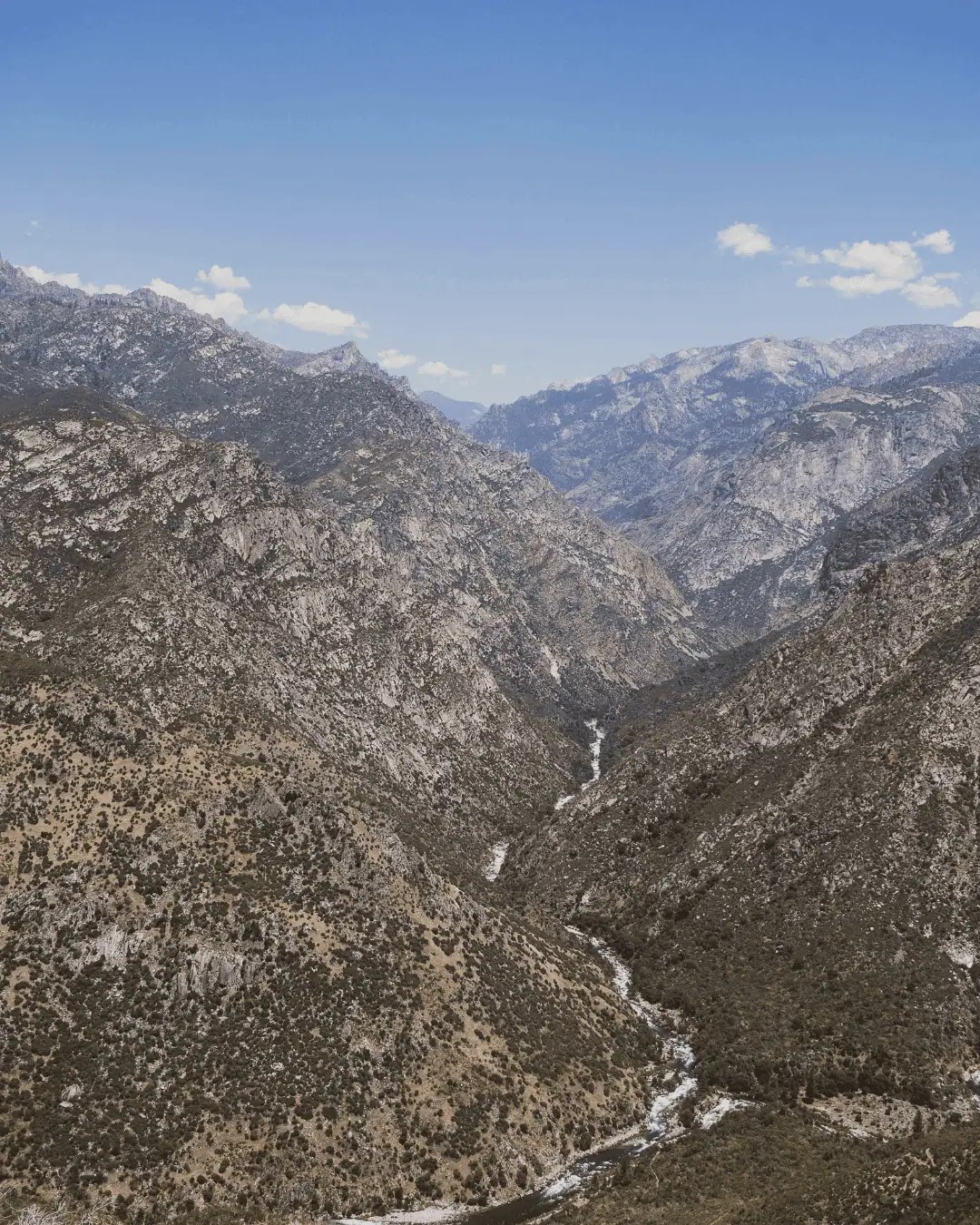
From there, you’ll continue along the Kings Canyon Scenic Byway, one of California’s most underrated mountain roads. The route winds deeper into the canyon, with turnout after turnout offering views of sheer granite walls, rugged peaks, and the Kings River far below.
Make time for the overlooks. The scenery only gets better as you descend into the canyon, and it’s easy to see how Kings Canyon earned its name.
Camping at Sentinel Campground
For our first three nights, we stayed at Sentinel Campground near Cedar Grove.
I ended up really liking this campground, especially as a basecamp for exploring the area. One of its biggest advantages is the location. It’s only a short walk from Cedar Grove Lodge, which means you have access to a small market, restaurant, showers, laundry facilities, and even cold drinks after a long day on the trail.
After spending days hiking in the summer heat, being able to grab a burger and a cold beer without cooking dinner was a luxury.
The campground itself sits among large trees with the Kings River nearby. Many of the campsites are fairly close together, particularly around the inner loops where families tend to gather. We were lucky enough to get Site 18, which felt more private and didn’t have end up getting a neighboring camper directly across from us.
*I would not recommend staying at Campsite 19 as tons of people cross near it to access the river*


Cedar Grove Lodge Amenities
One thing I wasn’t expecting was how useful Cedar Grove Lodge turned out to be.
Amenities available include:
- Restaurant and snack bar
- Small convenience store
- Showers ($1.50 for approximately 4 minutes of water)
- Laundry facilities
- Ice and basic camping supplies
If you’re staying multiple nights, having access to showers and laundry can make a surprisingly big difference.
Best Things to Do Around Cedar Grove
Zumwalt Meadows
Zumwalt Meadows is one of the most scenic areas in Kings Canyon National Park.
The meadow itself is beautiful, surrounded by towering canyon walls and crossed by the Kings River. Unfortunately, flood damage has affected portions of the trail, and as of June 2026, parts of the boardwalk system had not yet been rebuilt.
Even with the limitations, it’s still worth visiting for the views alone.
Roaring River Falls
Roaring River Falls is one of the easiest and most rewarding stops in the park.
A short paved walk leads directly to the waterfall, making it accessible for almost everyone. The trail also connects with longer routes that continue along the valley floor.
Knapp’s Cabin
Knapp’s Cabin is a quick roadside stop that many visitors overlook.
A short path leads from the parking area to the historic cabin, where you’ll find excellent views of the surrounding meadow and river. It’s especially nice during the evening when the light begins to hit the canyon walls.
Boyden Cavern
Boyden Cavern is located just outside the national park boundary along Highway 180.
We didn’t have time to visit during this trip, but I’ve heard consistently good things about the guided cave tours. Reservations are recommended, especially during summer.


Hiking Bubbs Creek to Sphinx Junction
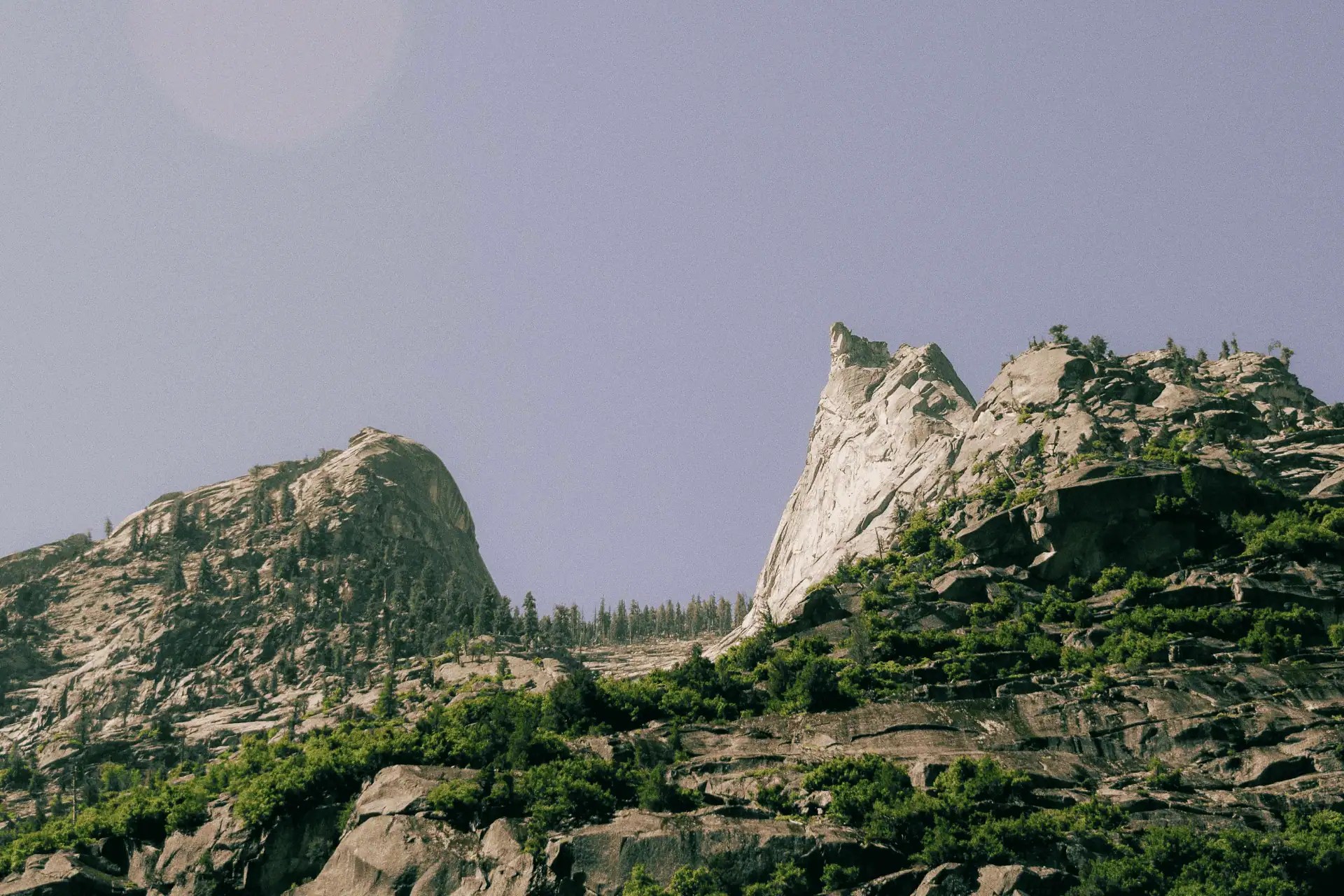
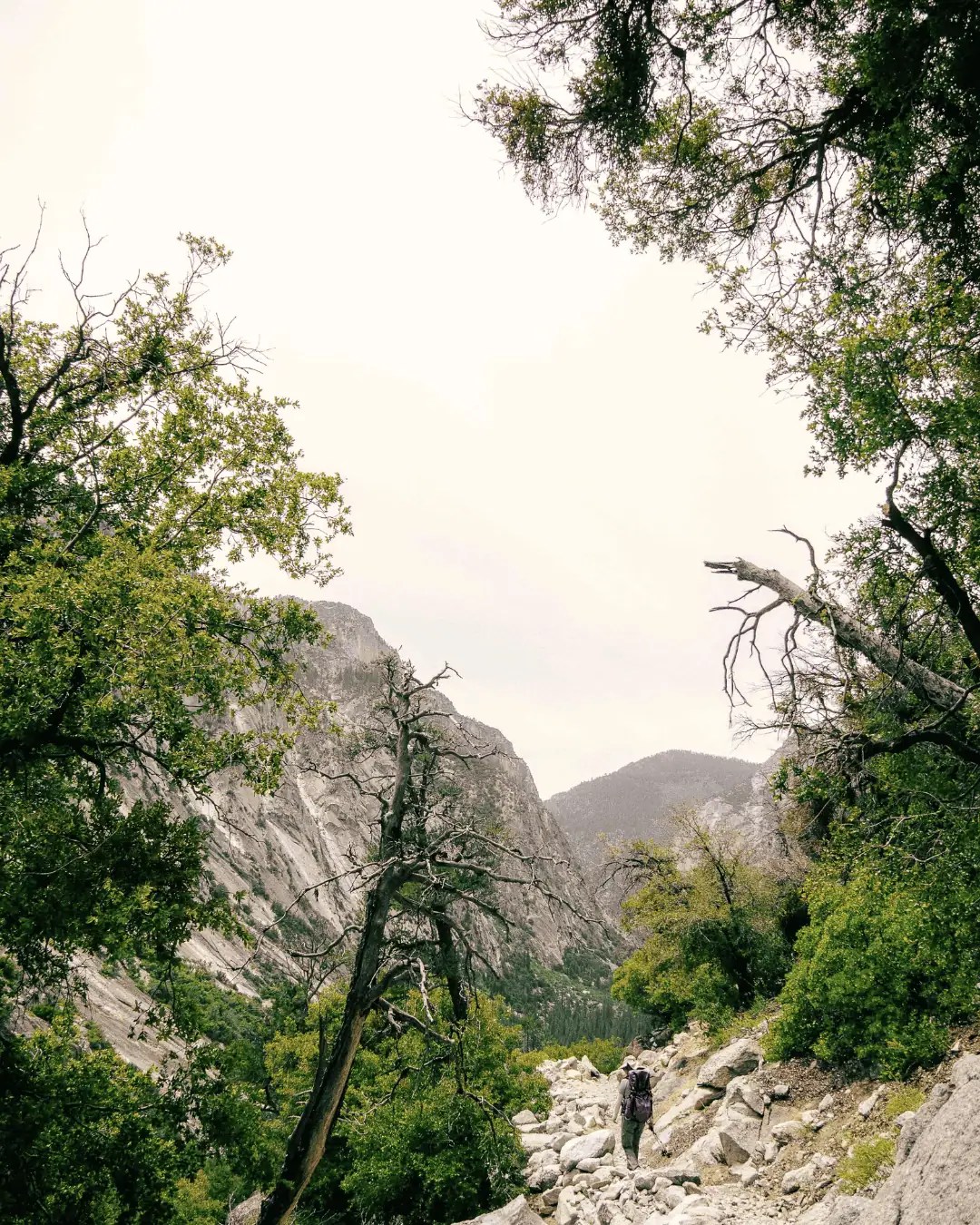
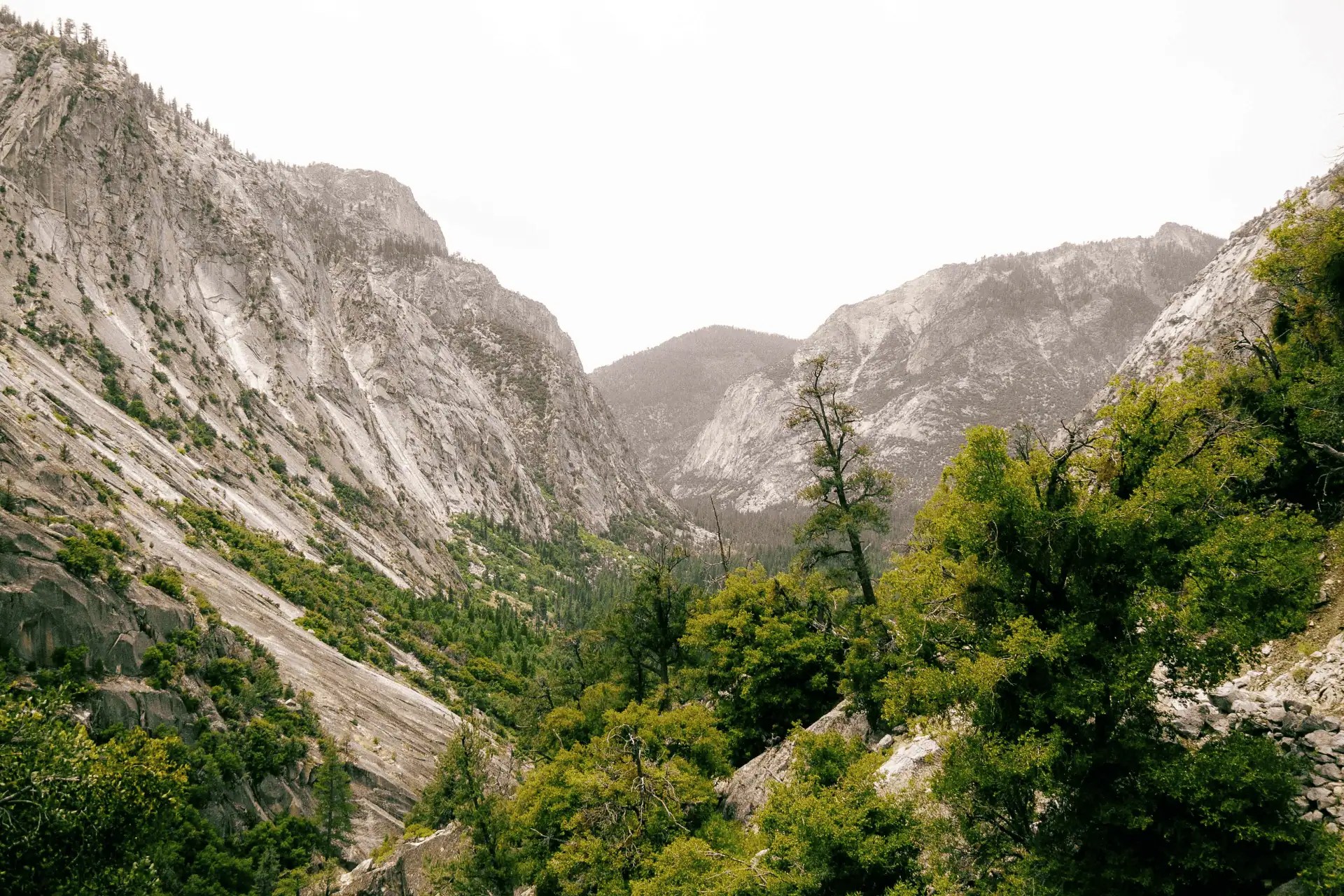
For our main day hike, we followed the Bubbs Creek Trail toward Sphinx Junction.
The first couple of miles are relatively flat and easy before the trail begins climbing into the canyon. Along the way you’ll find impressive views of the surrounding granite walls and the rushing creek below.
Our round-trip distance ended up being roughly 9 miles.
If you’re looking for a more challenging day hike from Cedar Grove, this is a great option.
Another popular trail nearby is Copper Creek. We didn’t hike it on this trip, but it gains elevation quickly through a series of steep switchbacks and is known for spectacular views over Kings Canyon.
Our Itinerary:
Day 1 – Drove into the park
- Grants Grove
- Set up camp and had an early dinner
- Evening went to Zumwalt meadow and Knapps Cabin in the evening
Day 2
- Hiked up Bubbs Creek to Sphinx Junction (around 9 miles roundtrip)
Day 3
- Kept it easy
- Roaring River trail
- Showered and ate dinner at Cedar Grove Lodge
- Can buy shower tokens for $1.50 for 4 mins of water
- Laundry tokens are also available
Backpacking Paradise Valley on the Rae Lakes Loop
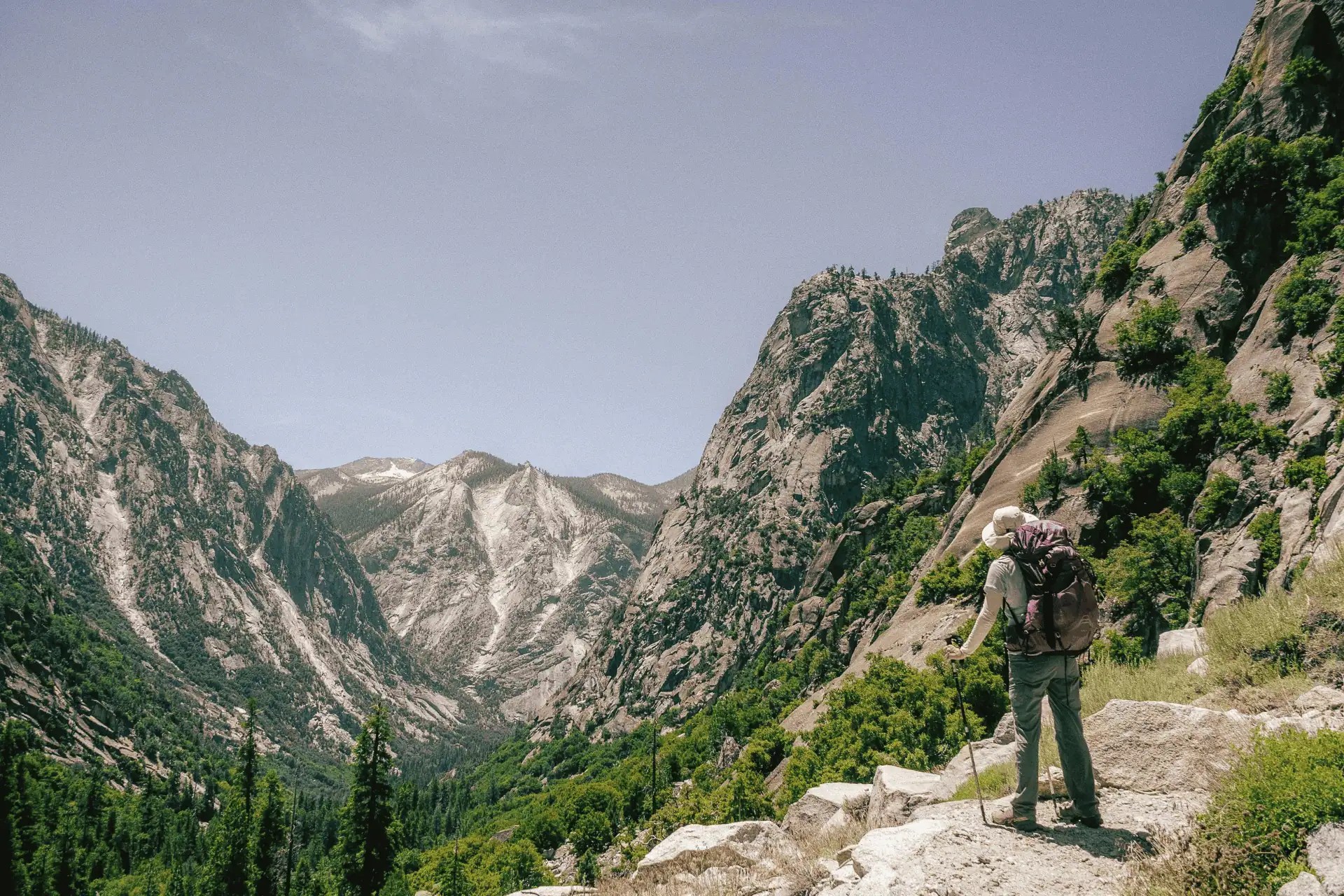
The highlight of our trip was spending two nights backpacking into Paradise Valley.
Paradise Valley is typically the first section of the iconic Rae Lakes Loop, one of California’s most popular backpacking routes. Most hikers complete the full loop in four to five nights, continuing past Paradise Valley to Rae Lakes and over Glen Pass.
However, during our visit, the bridge beyond Upper Paradise Valley had been washed out by flooding and had not yet been rebuilt. At the time of writing, reconstruction is expected sometime in 2027.
To continue beyond the bridge site, hikers needed to ford the river. Water levels can vary dramatically depending on snowpack, weather, and the time of year, but during our trip the crossing was roughly thigh deep.
We watched several backpackers make the crossing successfully, carefully working their way through the current while wearing their hiking boots. While it was certainly doable, neither of us wanted to spend the rest of the trip hiking in wet boots. I had also forgotten to pack a dry bag for my camera gear and wasn’t willing to risk water damage.
Instead, we turned the trip into an out-and-back backpacking adventure, which ended up being a fantastic decision.
In many ways, slowing down and spending extra time exploring Paradise Valley allowed us to appreciate an area that many Rae Lakes hikers simply pass through on their way to the loop’s more famous destinations.
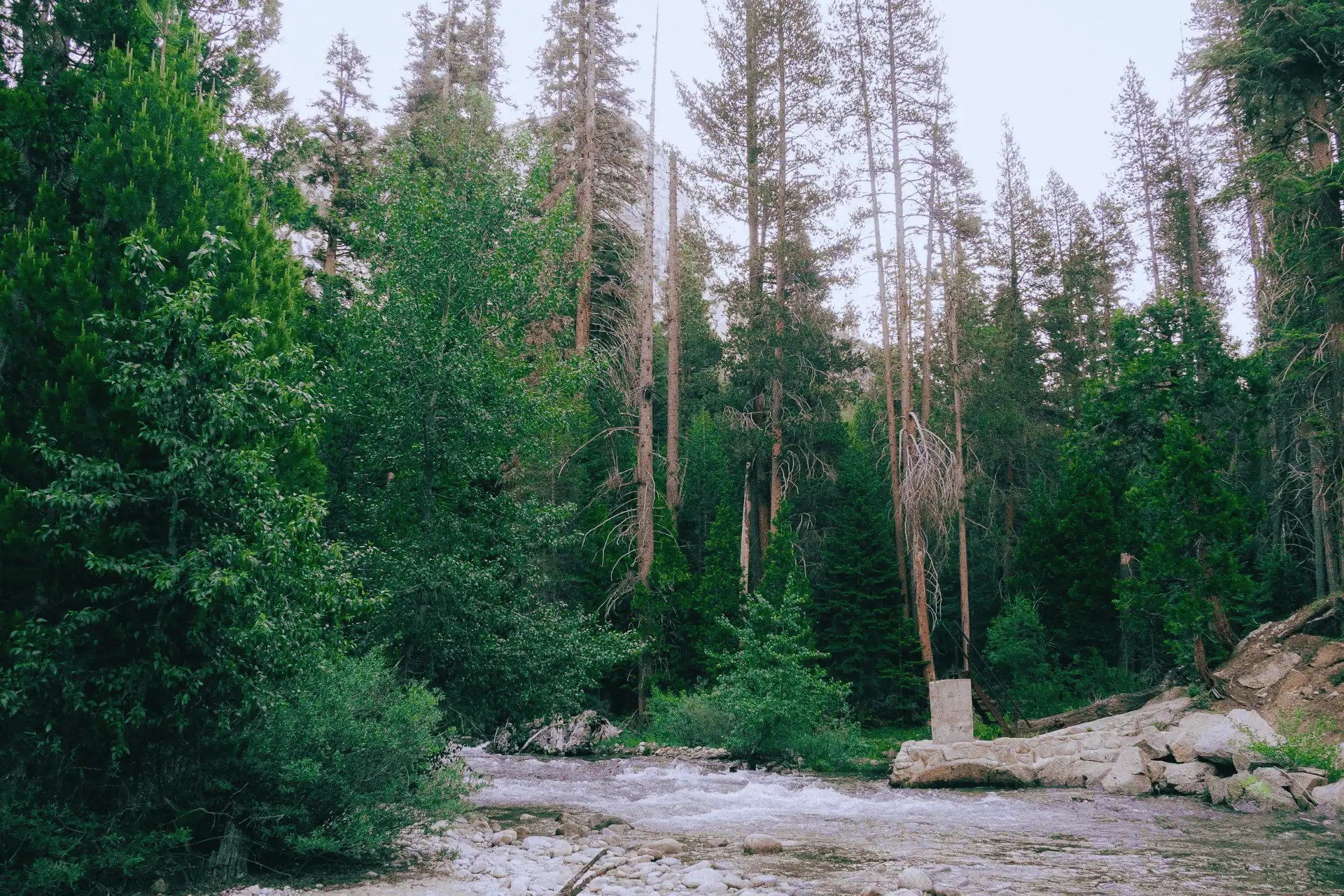
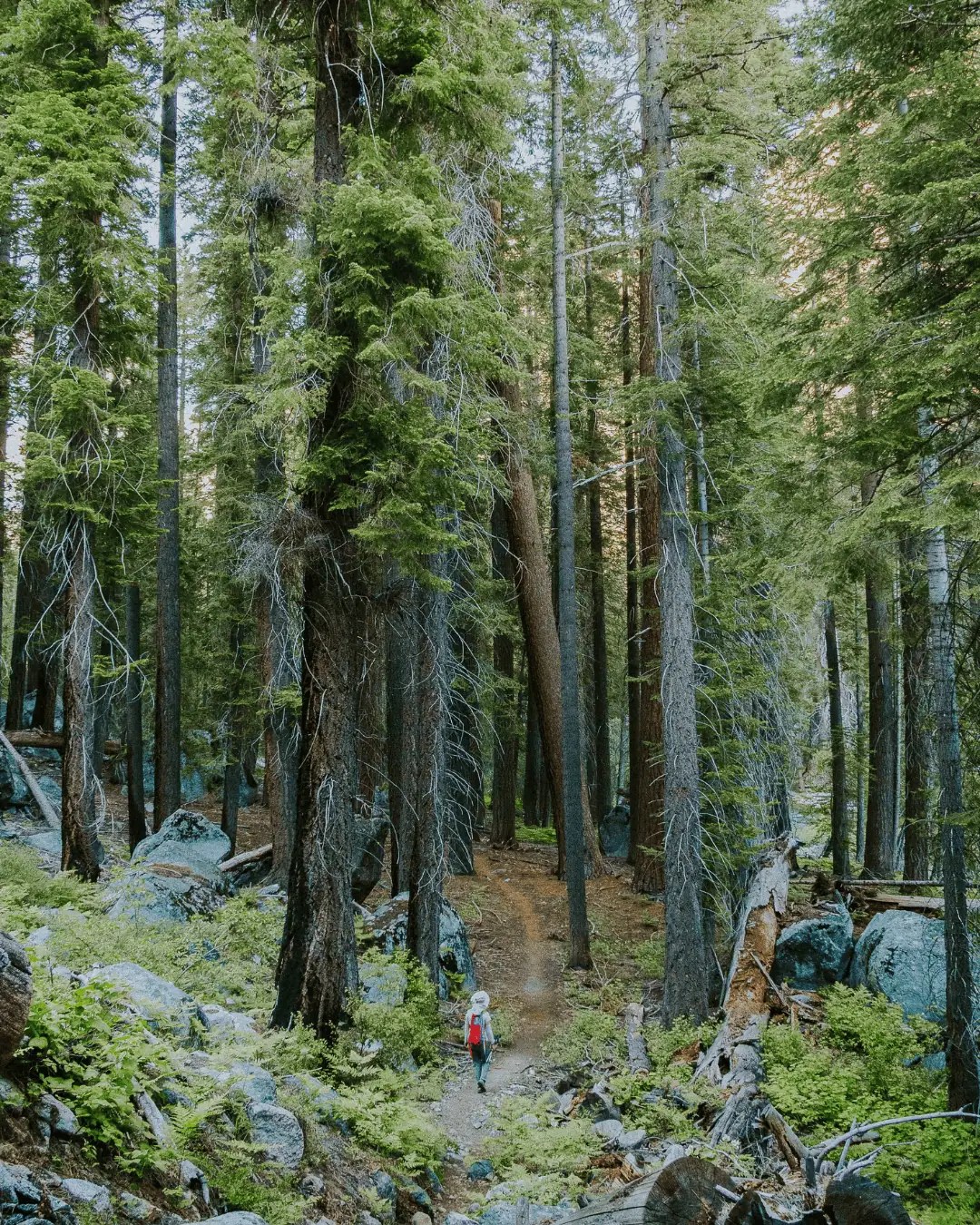
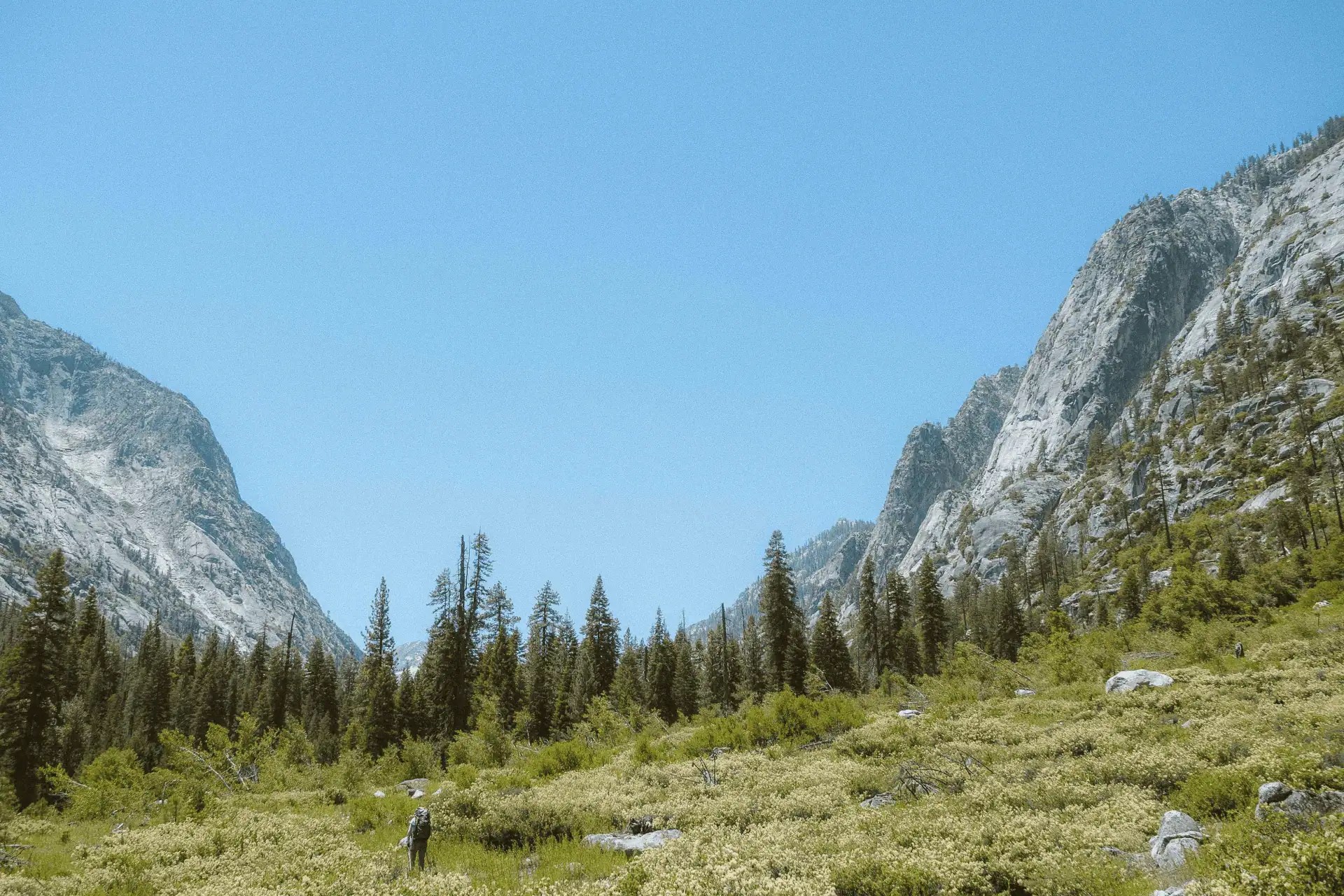
Paradise Valley Campgrounds
There are three established camp areas before the river crossing:
- Lower Paradise Valley (approximately 6.7 miles from the trailhead)
- Middle Paradise Valley (approximately 7.6 miles)
- Used Google map pins to get the distances – not the paper map
- Upper Paradise Valley (approximately 9 miles)
One thing we noticed was that the mapped distances felt a bit misleading. Lower and Middle Paradise Valley seemed much closer together than the map suggested. It took us roughly 30 minutes to hike between the two, while the stretch from Middle to Upper Paradise Valley took closer to 1.5–2 hours.
The campsites closest to the river are especially scenic, though they also see more foot traffic as hikers pass through to collect water.
Lower and Middle Paradise Valley each have a communal bear box, while Upper Paradise Valley has two due to its larger size and popularity.
For our trip, we hiked all the way to Upper Paradise Valley on the first day, then moved down to Lower Paradise Valley for our second night, which gave us the chance to experience two very different sections of the valley.


Photos of Lower and Upper Valley Campsites above.
Hiking to Mist Falls
Mist Falls is one of the best hikes in Kings Canyon National Park and can easily be done as a day trip.
Located about 4.7 miles from the Roads End Trailhead, the waterfall makes an excellent turnaround point for hikers not planning an overnight trip. Make sure to continue to the upper viewpoints above the falls. The views looking down the canyon and along the river are some of the best on the entire trail.


Our Backpacking Route:
Day 1: Hiked 9 miles to Upper Paradise Valley Campground (+1,905 ft elevation gain)
Day 2: Explored the upper valley before breaking camp and moving down to Lower Paradise Valley (about 7 miles)
Day 3: Hiked 6.7 miles back to the trailhead, celebrated with lunch at Cedar Grove Lodge, and made the drive home to Orange County
Wildlife and Trail Conditions
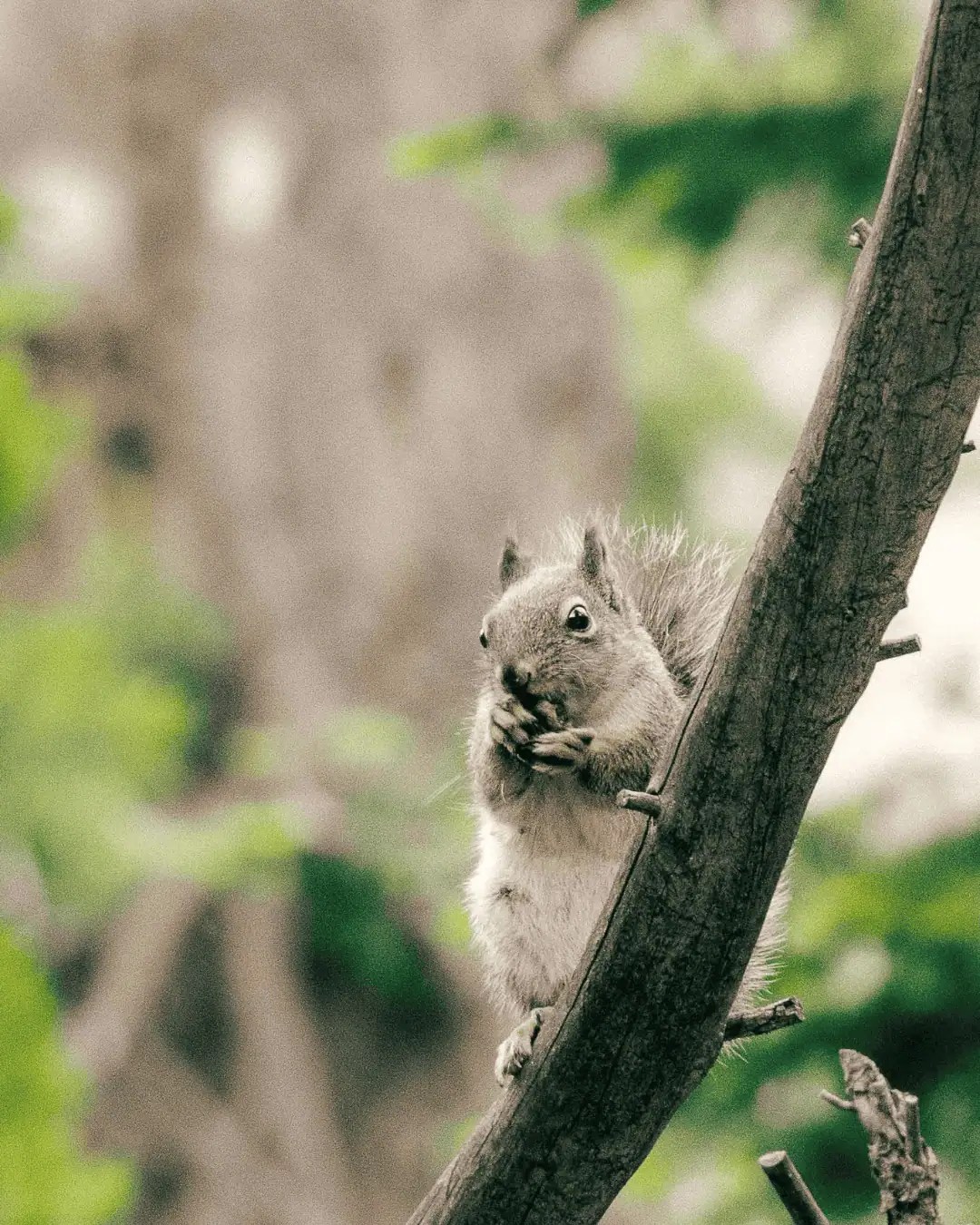
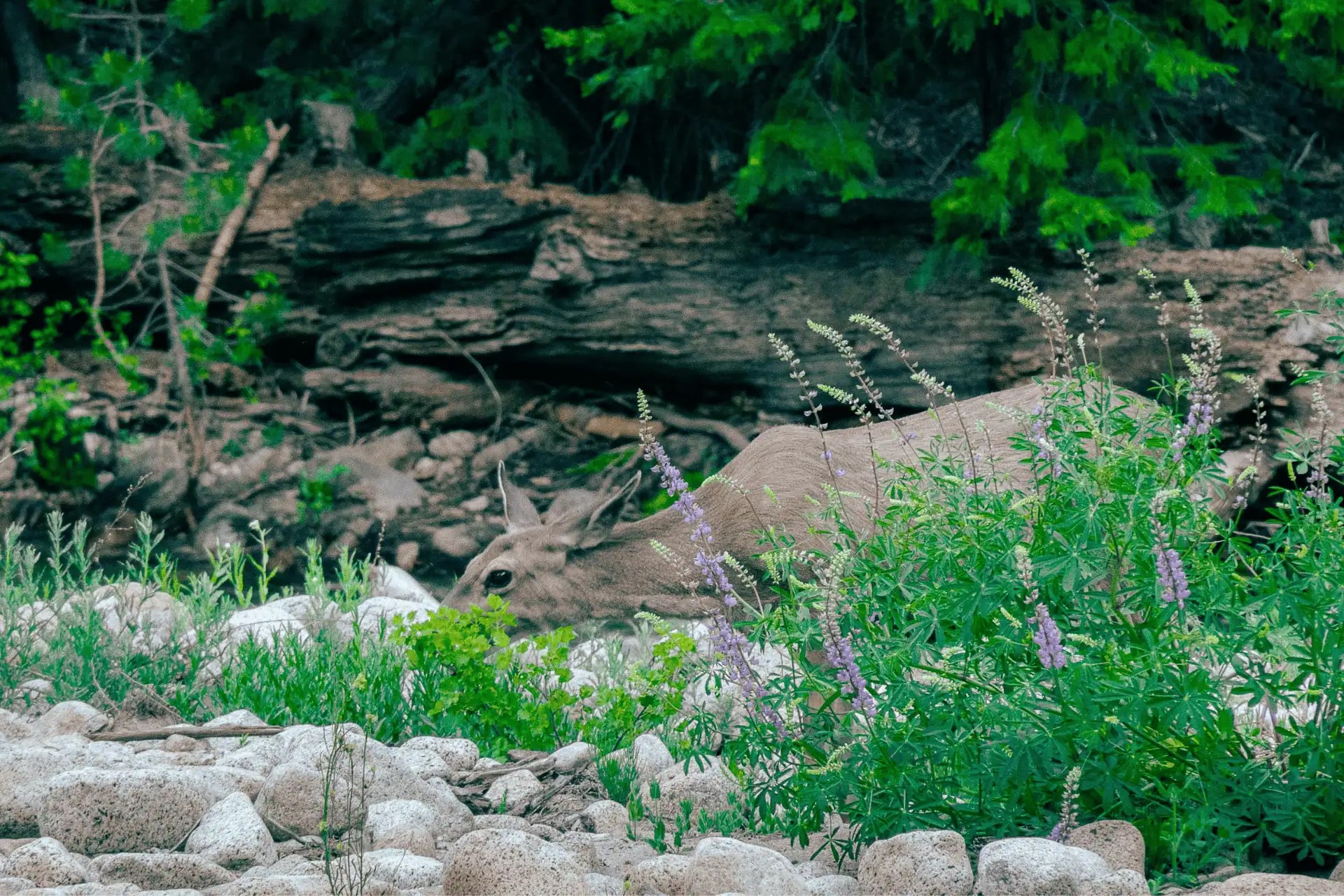
Paradise Valley is active bear, rattlesnake, and mosquito habitat.
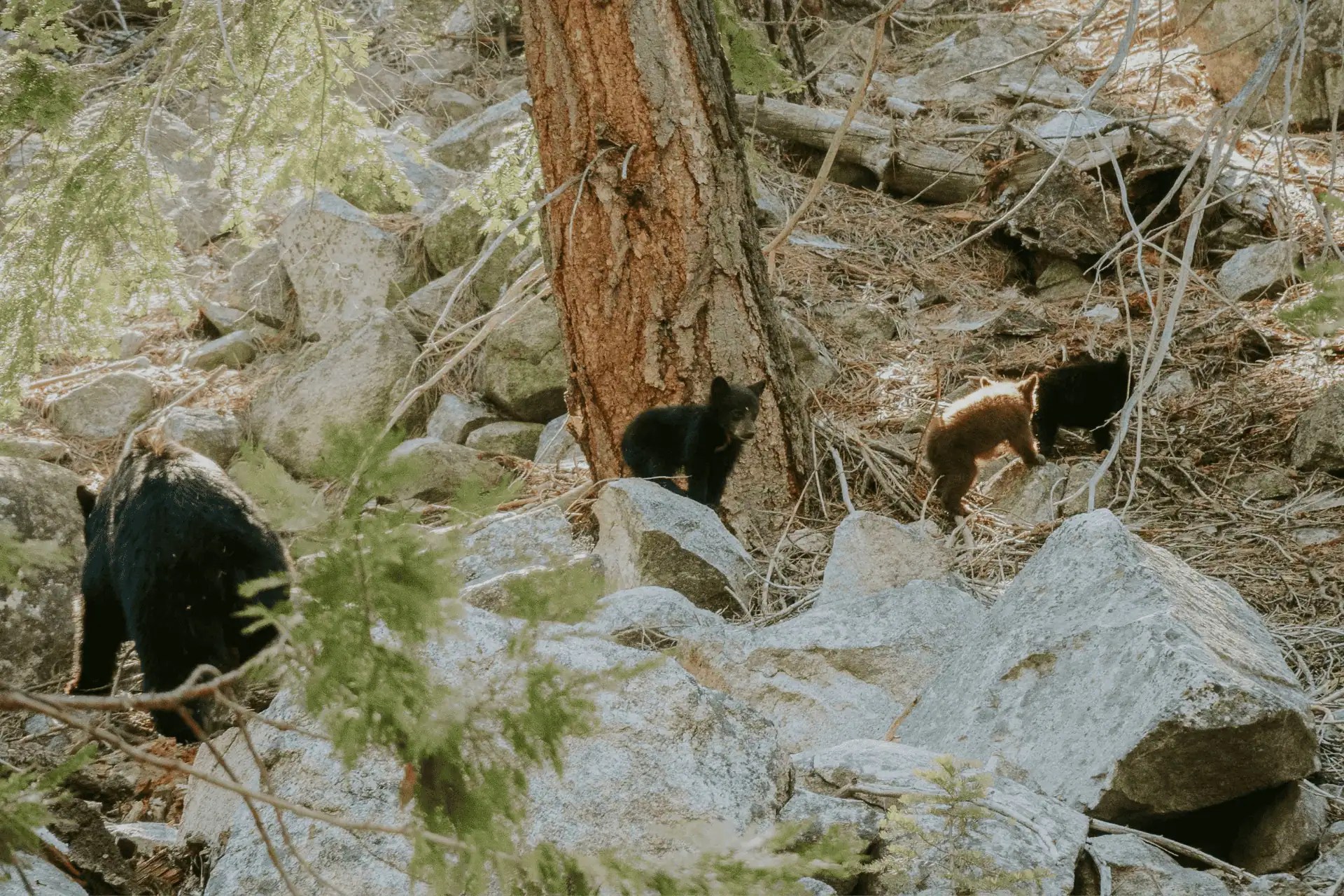
During our trip, we either personally encountered wildlife or heard reports from other hikers every single day. We spotted a mother black bear with three cubs near the trail, while one of our neighboring campsites had a rattlesnake pass through camp during the evening.
Always store food properly, carry awareness of your surroundings, and give wildlife plenty of space.
The trail itself is generally easy to follow, though maintenance becomes less frequent farther into the valley. Expect fallen trees, rocky sections, and occasional route-finding around debris.
Paradise Valley and Rae Lakes Loop Permit Guide
If you’re planning to backpack in Paradise Valley or complete the full Rae Lakes Loop, you’ll need a wilderness permit.
The Rae Lakes Loop is one of the most popular backpacking routes in California, and permits are very competitive. Permits are booked through recreation.gov
Approximately 60% of permits are released six months in advance, while the remaining 40% become available two weeks before the trip start date. For many hikers, the two-week release is the best opportunity to secure a permit without planning months ahead.
If you’re hoping to snag one of these last-minute permits, be ready right when reservations open at 7:00 AM PST. Popular dates can fill within minutes.
Walk Up Permits
If you can’t secure an advance reservation, a limited number of walk-up permits are available each day.
Availability: Approximately five walk-up permits are issued daily during quota season, split between the Woods Creek Trail (clockwise loop) and Bubbs Creek Trail (counterclockwise loop).
Where to Get Them: Walk-up permits are issued at the Road’s End Permit Station in the Cedar Grove area of Kings Canyon National Park.
When They’re Available: Any unclaimed permits become available starting at 1:00 PM the day before your trip. In addition, permit holders must pick up their reserved permits by 10:00 AM on their start date, after which any no-shows are released to walk-up hikers.
Cost: $15 per permit plus $5 per person. Credit cards are preferred.
Picking Up Your Permit at Roads End
Getting the permit online is only the first step.
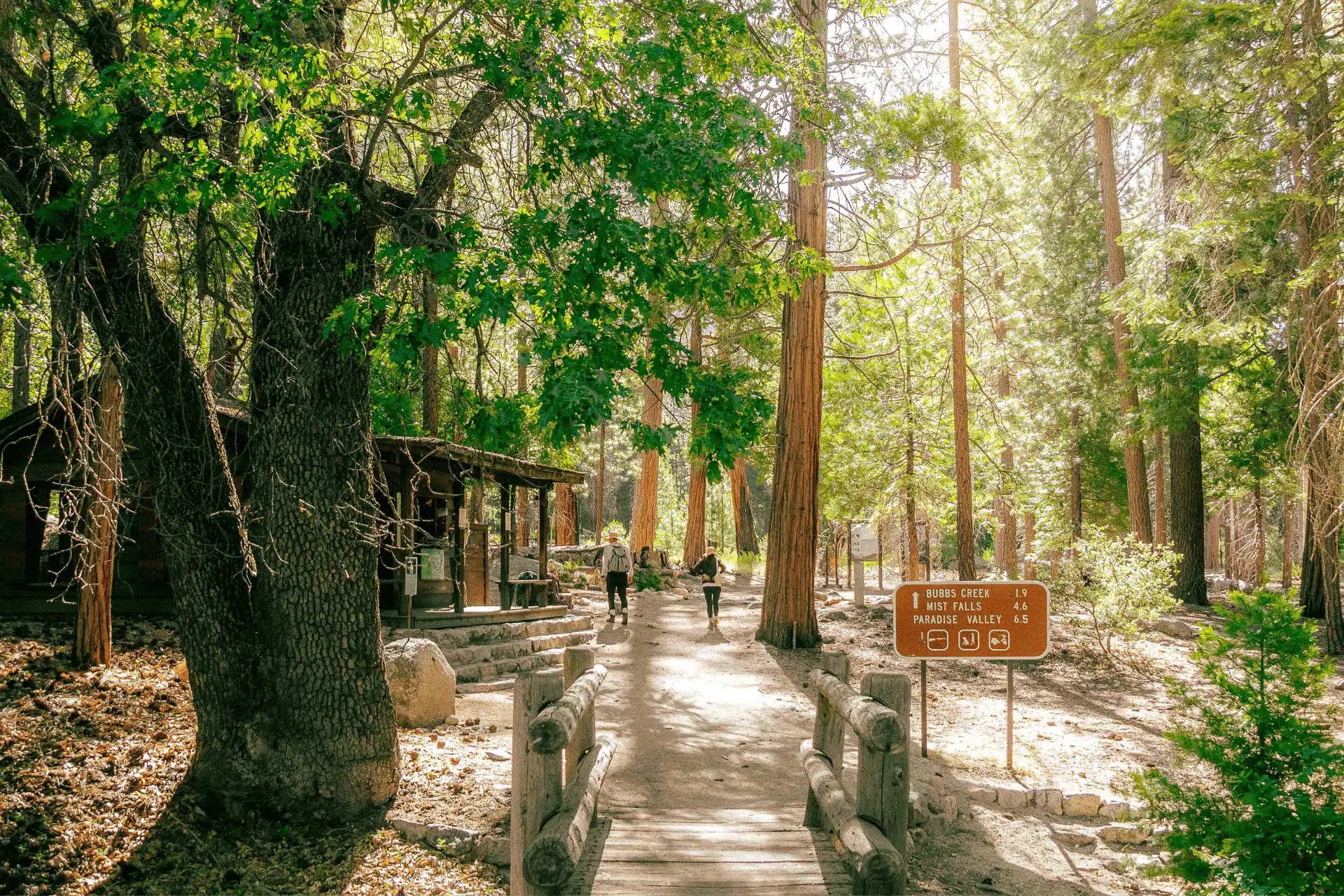
Before your hike, you’ll need to pick up your permit in person at the Roads End Permit Station, located at the end of Highway 180 near the trailhead.
The permit station is typically open from 7:00 AM to 3:00 PM, though it’s always good to doublecheck before going.
One thing that surprised me was how long the pickup process can take.
The wilderness rangers are extremely thorough and make sure hikers understand current trail conditions, food storage requirements, camp regulations, and wildlife safety. Many visitors also have questions about river crossings, trail conditions, and campsite recommendations.
As a result, lines can move slower than you might expect. Even though there was only 1 group before us, we still waited 30 minutes before getting our permit.
I highly recommend picking up your permit the day before your hike if possible. That way you can start hiking early the next morning without worrying about the line.
Why I Think Paradise Valley Deserves More Time
Most hikers view Paradise Valley as the first section of the Rae Lakes Loop and simply hike through it on their way to higher elevations.
After spending two nights there, I think that’s a mistake.
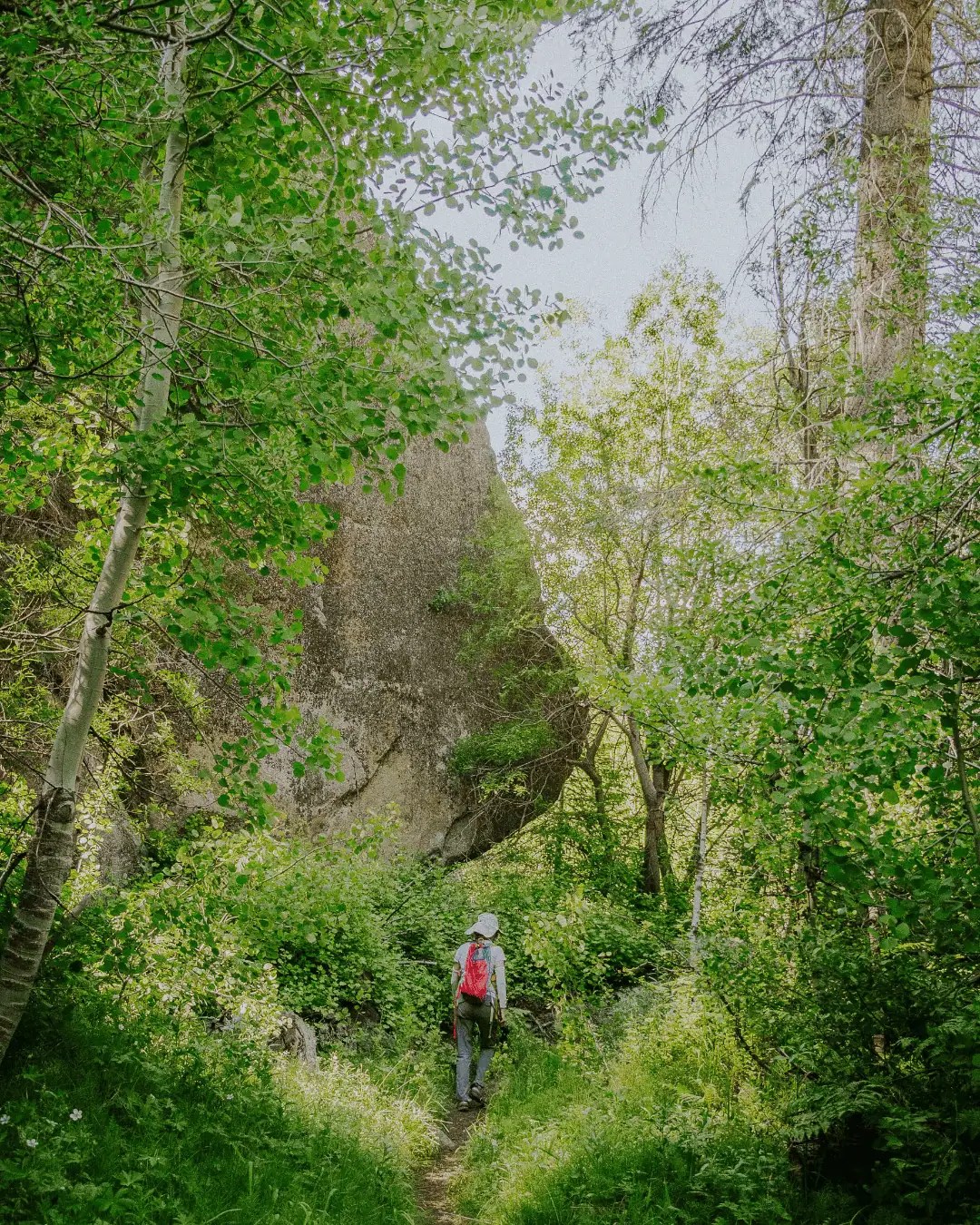
The valley has lush meadows, river views, shaded forests, towering canyon walls, and countless places to sit and enjoy the scenery. We spent our second day wandering the upper valley, photographing the river, relaxing in camp, and exploring sections of trail beyond the campground.
While Rae Lakes remains on my hiking bucket list, Paradise Valley reminded me that sometimes the best experiences happen when you slow down and spend more time in a place rather than rushing toward the next destination.
Planning Your Trip to Kings Canyon National Park
After spending nearly a week in Kings Canyon, there were a few things I was glad I knew beforehand and a few things I wish I’d known before arriving.
Best Time to Visit
We visited in early June, which turned out to be a great time to explore the park. Temperatures in Cedar Grove were warm during the day, the river was flowing strong from snowmelt, and the canyon was still lush and green from spring.
The tradeoff is that higher water levels can impact trails and river crossings. The washed-out bridge beyond Upper Paradise Valley was still affecting backpackers attempting the full Rae Lakes Loop during our visit.
July through September generally offer the most reliable trail conditions, though you’ll likely encounter hotter temperatures and larger crowds.
Mosquitoes
One thing I was pleasantly surprised by was that the mosquitoes weren’t nearly as bad as I expected for early June.
They were definitely present, especially around camp in the evenings and near water, but they weren’t overwhelming most of the time. That said, several groups we encountered were wearing bug nets over their faces, particularly while hiking deeper into Paradise Valley.
I’d still recommend packing:
- Bug spray
- Lightweight long sleeves
- Lightweight hiking pants
- A bug head net if you’re sensitive to mosquitoes
Even if you don’t end up needing the head net, it’s a small item that can make a huge difference if mosquito activity increases.
Cell Service and Internet
If you’re hoping to stay connected during your trip, plan accordingly.
Cell service becomes extremely limited once you pass Grant Grove and descend into Kings Canyon. During our entire stay in Cedar Grove, we had essentially no cell reception.
The Wi-Fi at Cedar Grove Lodge is reserved for lodge guests only, so campers shouldn’t plan on having access to internet there.
Since I still needed to occasionally check emails and keep an eye on my Etsy shop, we borrowed a friend’s Starlink system for the trip. It worked surprisingly well and allowed me to stay connected when necessary.
That said, Kings Canyon is one of the few places left where it’s genuinely easy to disconnect for a few days and enjoy being off the grid.
Bear Safety and Food Storage
Kings Canyon is active black bear country.
During our trip, we saw a mother bear with three cubs near the trail, and nearly every day we heard stories from other hikers about recent bear sightings.
If you’re backpacking into Paradise Valley or the Rae Lakes Loop, an approved bear canister is required for food storage. Even if you don’t personally encounter a bear, assume they’re in the area and store all food, toiletries, scented items, and trash properly.
The bears here are accustomed to people and can be surprisingly bold around campsites if food is left unattended. They’ve also learned how to “bluff charge” hikers trying to scare them into dropping their gear and food. DO NOT.
It leaves you in a bad situation and encourages more problematic behavior from the bears. Its important to hold your ground and move towards them to scare them off.
Rattlesnakes
Rattlesnakes are also common throughout the canyon.
One of our neighboring campsites had a rattlesnake move through camp in the evening, and multiple hikers reported sightings along the trail.
Most rattlesnakes want nothing to do with people and will move away if given space. Stay aware of where you’re stepping, especially around rocks, logs, and sunny sections of trail.
Water, Swimming, and Laundry Tips
The Kings River is one of the highlights of the area and provides plenty of opportunities to cool off after a long day of hiking.
We saw people swimming, washing clothes, and cooling their feet throughout the trip.
One item I noticed many experienced backpackers carrying was a lightweight clothesline. It came in handy for:
- Drying clothes after swimming
- Drying gear after river crossings
- Washing clothes on longer backpacking trips
- Airing out damp socks and towels around camp
It’s a small piece of gear that can make life much more comfortable on multi-day trips.
Temperatures and What to Pack
Cedar Grove sits much lower in elevation than many Sierra Nevada destinations, which means it can get surprisingly warm during summer afternoons.
For our trip, I was comfortable with:
- Lightweight hiking clothes
- Sun protection
- A wide-brim hat
- Plenty of water capacity
- A lightweight puffy jacket for evenings
- Rain gear as an emergency layer
If you’re backpacking, don’t forget:
- Bear canister
- Trekking poles
- Water filtration system
- Headlamp
- Bug protection
- Dry bags for electronics and camera gear
I learned the hard way that forgetting a dry bag can influence your decision-making. Had I brought one for my camera equipment, I may have been more willing to attempt the river crossing beyond Upper Paradise Valley!
Fuel and Supplies
Once you leave the larger towns outside the park, services become limited.
I recommend filling up your gas tank before heading into Kings Canyon and bringing any specialty camping gear, food, or supplies you may need.
The market at Cedar Grove Lodge carries basic necessities and snacks, but selection is limited and prices are higher than outside the park.
Reservations
If you’re visiting during summer, make reservations as early as possible.
Campgrounds, lodge accommodations, and especially Rae Lakes Loop permits can book up months in advance.
For backpackers hoping to hike the full Rae Lakes Loop, having a backup plan is a good idea. Permit availability, snow conditions, river crossings, and trail closures can all affect your itinerary.
For us, that backup plan turned into two incredible nights exploring Paradise Valley—and honestly, I wouldn’t have changed a thing.
Should You Combine Kings Canyon and Sequoia National Parks?
One question I see come up is whether you should visit both Kings Canyon National Park and Sequoia National Park on the same trip.
The answer is yes—you absolutely can. The parks are managed together by the National Park Service and share a boundary, which makes them look very close together on a map.
However, I quickly learned that driving distances can be deceiving.
While staying in Cedar Grove, I briefly considered making a day trip over to see General Sherman Tree and revisit some of the highlights in Sequoia National Park. Once I looked at the drive time though, I decided against it. The winding mountain roads mean that the drive from Cedar Grove to the General Sherman area takes roughly two hours each way.
That’s four hours of driving in a single day before even starting a hike.
Because of that, I chose to dedicate this entire trip to Kings Canyon and save Sequoia for another visit. Kings Canyon has more than enough to keep you busy for several days, and slowing down allowed me to explore areas that many visitors skip entirely.
*But I live locally, so its not too hard for me to make another trip out. If you’re not local, it’s definitely worth combining them!
More Sierra Nevada Backpacking Guides
Looking for more backpacking inspiration? I’ve also written guides covering other Sierra Nevada adventures, including multi-day backpacking trips, scenic lake basins, mountain passes, and some of my favorite trails throughout the range.
- Florence Lake to Evolution Valley: 4 Magical Nights Backpacking the John Muir Trail
- 3 Epic Nights Backpacking Sabrina Basin Trail – Lake Sabrina to Hungry Packer
- Bishop Pass from South Lake: 4 Day Backpacking Adventure
- Treasure Lakes Trail: A 4-Day Backpacking Adventure in Bishop California
- Camping in Yosemite Valley: Fall & Winter Guide, Best Hikes, Photography Spots & Tips
Whether you’re planning your first overnight trip or working through your Sierra Nevada backpacking bucket list, I hope these guides help you discover a few new places to explore.
Happy trails! 🏔️🥾
P.S. Like the vibe of these photos?
I’ve turned some of my favorite travel shots into art prints over on my Etsy shop! Not every place I write about makes it into the shop, but if you’re into dreamy landscapes, vintage surfers, or just love a cute puffin, come take a look: Night Star Studio on Etsy


