
Point Reyes National Seashore is one of my favorite places in the world — and somehow, it’s still a little underrated. Just about an hour north of San Francisco, this wild stretch of coastline has everything I love: dramatic ocean views, tons of wildlife, wide-open pastures dotted with cows, beaches, birdlife, foggy forests, kayaking, and some of the best hiking in Northern California.
It also holds a special place in my heart. Back in college, I’d come here whenever I needed a reset — whether that was stress from coursework or the occasional existential crisis. Something about the wind, the fog, and the vastness of this place always puts things back into perspective.
P.S. This post contains affiliate links. If you use my links to make a purchase, I’ll get a small commission at no extra cost to you. Thanks for your support!
Things to do in Point Reyes:


Itineraries: Point Reyes from San Francisco
Point Reyes Day Trip
Best for: Limited time, clear weather, first-time visitors
- Early arrival at Cypress Tree Tunnel
- Drive straight to Point Reyes Lighthouse & nearby overlooks
- Hike Chimney Rock (short, high-reward trail)
- Stop at Drakes Beach for wildlife spotting
- Optional sunset viewpoint near the lighthouse
Tip: Start early and work from the farthest point (the lighthouse) back toward the park entrance to avoid parking issues.
Overnight Point Reyes Trip
Best for: Photographers, slower travel, wildlife lovers
Day 1
- Optional stop in Napa Valley or Marin County
- Cypress Tree Tunnel at golden hour
- Drakes Beach elephant seal spotting
- Sunset at Point Reyes Lighthouse
- Overnight near Limantour Beach or Point Reyes Station
Day 2
- Sunrise forest hike near Limantour
- Quiet morning at Limantour Beach
- Chimney Rock hike
- Scenic pull-offs along Drakes Beach Road (elk & cows)
- Optional stops in Tomales Bay or Inverness on the way out
- Inverness Shipwreck
When to Visit Point Reyes National Seashore
This trip was on a Monday in early December, which meant quiet trails and very few people. Point Reyes is noticeably more crowded on weekends and during the summer months. For a long time, it flew under the radar, but like many outdoor spaces, visitation surged after COVID.
If you can swing it, weekdays in the shoulder seasons (late fall through early spring) are ideal — fewer crowds, moody weather, and incredible light for photography.
Adding Napa Valley to Your Point Reyes Trip
While visiting friends in the Bay Area, I decided to turn this into a short overnight adventure. I started by meeting a friend in Napa Valley for lunch and wine tasting before heading west to Point Reyes.
Napa is about 1.5 hours from Point Reyes, and the drive between the two is surprisingly scenic. If you’re short on time, Napa can be added as a quick stop like this — or saved for a separate trip if you want to fully immerse yourself in California’s wine country.
We spent some time walking around downtown Napa, checking out the Christmas decorations, grabbing lunch, and then visiting Domaine Carneros, a French-inspired château known for its sparkling wine. It was the perfect slow, indulgent start before trading vineyards for rugged coastline.


Sunset Stops: Cypress Tree Tunnel, Drakes Beach & the Lighthouse
I cut it a little close getting to Point Reyes for sunset, but it worked out perfectly. My first stop was the iconic Cypress Tree Tunnel. This spot can be tricky to photograph because of harsh shadows throughout the day, but golden hour and sunset tend to be the most forgiving. One of my favorite times I’ve photographed it, though, was actually during a storm — the reflections and even lighting were incredible.
From there, I drove toward the end of the peninsula, making a quick stop at Drakes Beach. During elephant seal season, there’s almost always at least one seal lounging on the sand. I was lucky enough to spot one, but it’s important to admire from a safe distance — these are massive, wild animals.
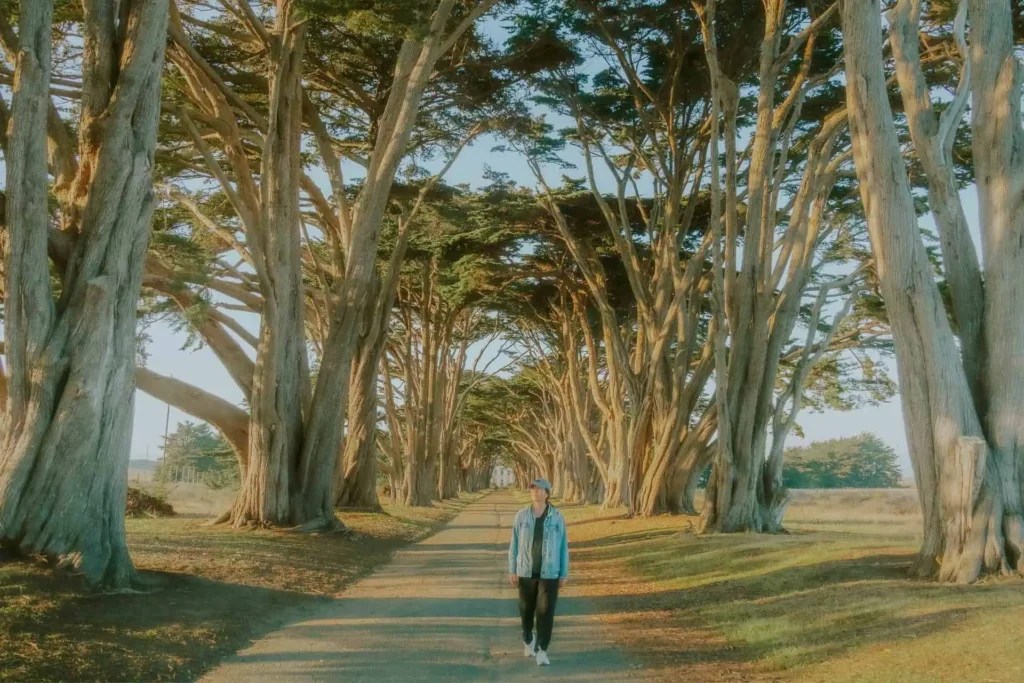


Next stop: Point Reyes Lighthouse. Just before sunset, I pulled over at a nearby lookout with sweeping views of South Beach and the coastline. It’s a short walk from the parking lot and absolutely worth it. Afterward, I continued down to the lighthouse itself, passing windswept, leaning cypress trees that give you a real sense of how intense the wind can be out here. In the evenings, you’ll often see tule elk grazing on the hillsides as well.


A Bit of Lighthouse History
The Point Reyes Lighthouse was commissioned by the U.S. government in 1870. Unlike many lighthouses perched high on cliffs, this one sits closer to sea level — intentionally placed so its beam could cut through the area’s famously thick fog and guide ships safely past the dangerous headlands.
That fog comes at a cost. Point Reyes is known as the windiest spot on the California coast and the second foggiest place in North America. Because of these conditions, an estimated 151 shipwrecks occurred along this stretch of coastline.
Point Reyes Lighthouse Hours and Stairs
Getting to the Point Reyes Lighthouse is part of the adventure. From the visitor center, it’s a 313-step walk down (about 900 feet / 275 meters), which feels easy on the way there and very real on the way back up. Plan about 5–10 minutes to go down, 10–20 minutes to hike back up, and extra time to explore the lighthouse, chat with rangers, or watch for whales and seabirds.
This area is known for strong winds, and if gusts hit 40 mph, the stairs close for safety. They also shut right at 4 pm, so don’t head down too late or you may get turned around before reaching the bottom.
Where to Stay Near Point Reyes
After sunset, I drove to my home for the night: Limantour Lodge. It’s the only lodging option located within Point Reyes National Seashore — and the only hostel in the area. It has a mix of private rooms and dorms. For dorms, you have to book direct through their website linked here.


Since it was winter, I skipped camping and opted for a warm bed. The lodge has cozy common areas, a full kitchen, and an unbeatable location near forest trails and Limantour Beach. The dorm beds are very basic (no curtains or outlets right next to the bed), and the price is a bit high for the amenities — but the setting makes it worth it.
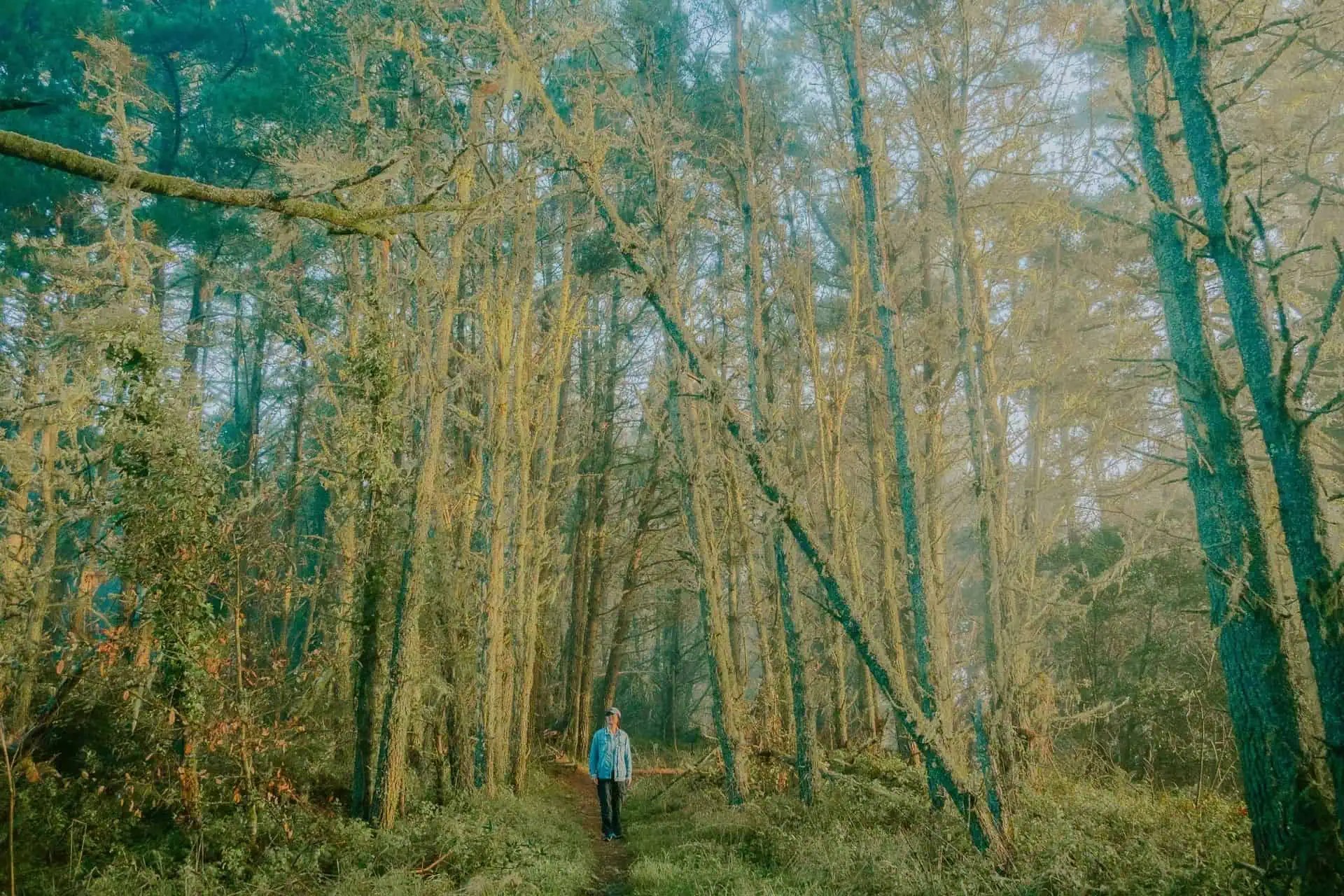
Clear nights bring incredible stargazing, and wildlife often wanders nearby. Morning hikes through the misty forest felt absolutely ethereal and let me explore a quieter side of the park I hadn’t seen before.


Other great places to stay nearby:
You’ll also find independently owned B&Bs and cottages around Point Reyes Station, Tomales Bay, and Olema. For camping, Samuel P. Taylor State Park is a great option with redwood groves, while Point Reyes itself offers several hike-in and kayak-in primitive campsites if you plan ahead.
Sunrise, Elk Encounters & Quiet Beaches
One of the reasons I love staying overnight is the light. Sunrise and sunset are magic here — especially if you’re into photography. I’m so glad I stayed, because the morning light filtering through the forest near the lodge was unreal.
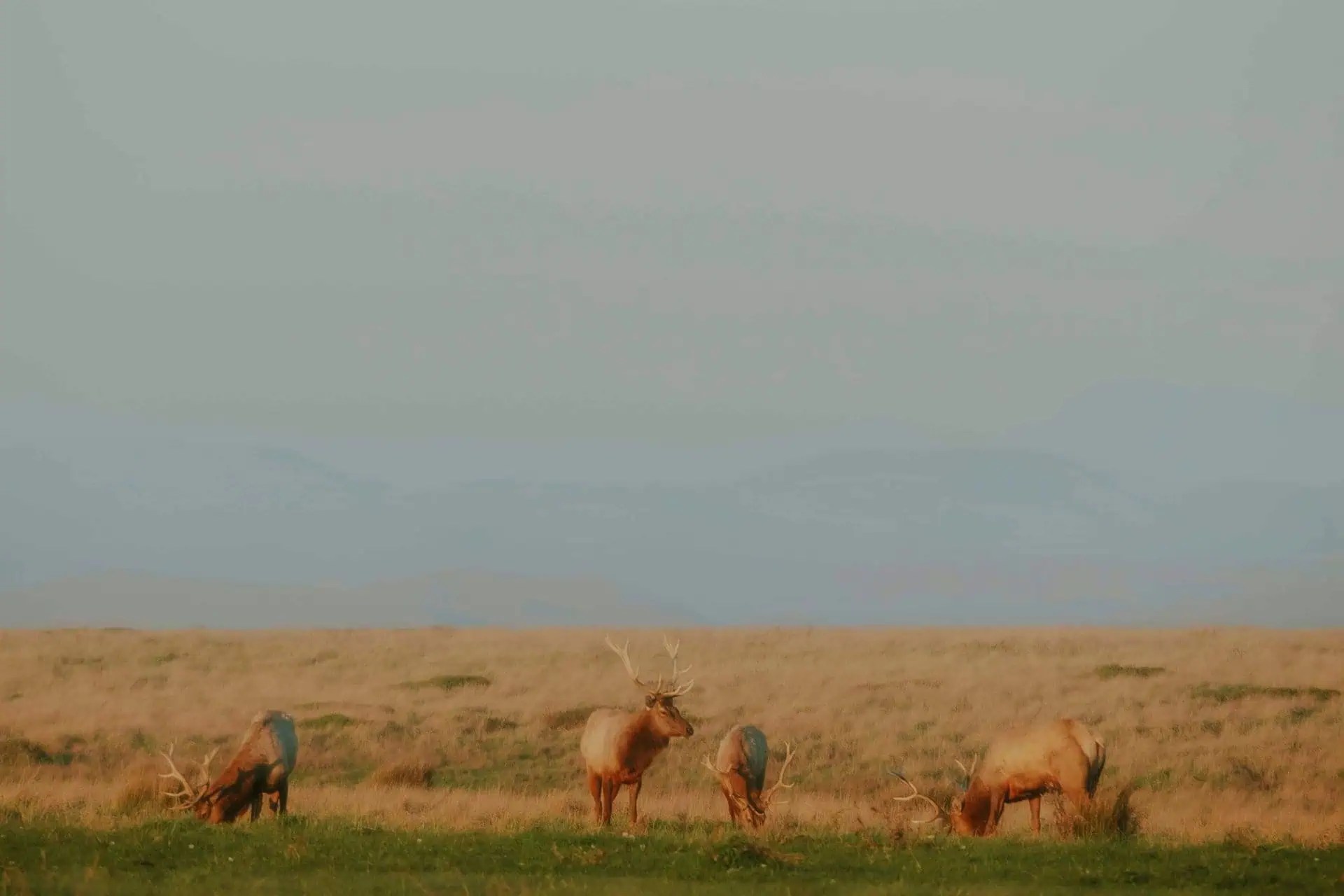
I even ran into a tule elk herd along the trail, followed by a peaceful stop at Limantour Beach, which I had almost entirely to myself.
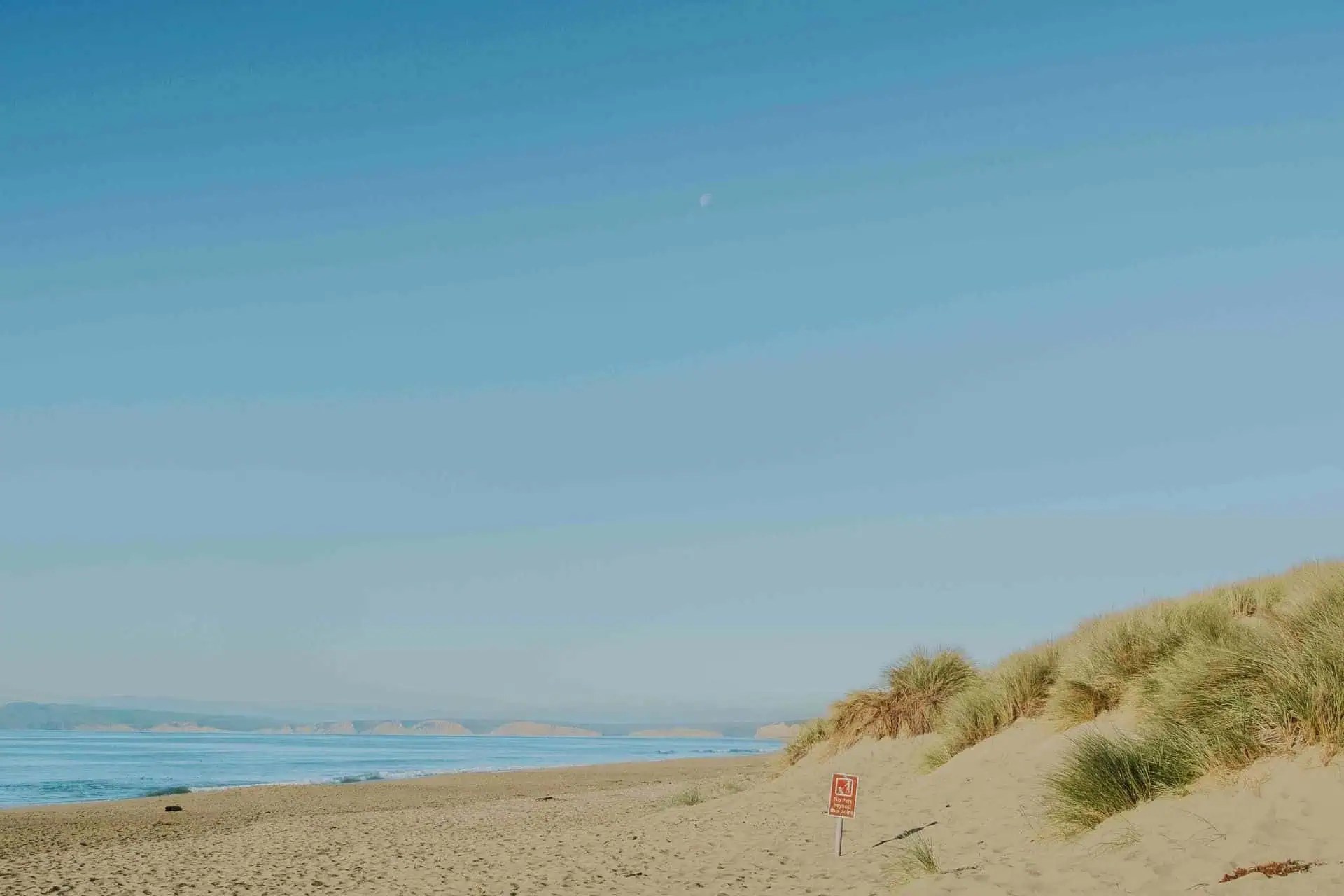
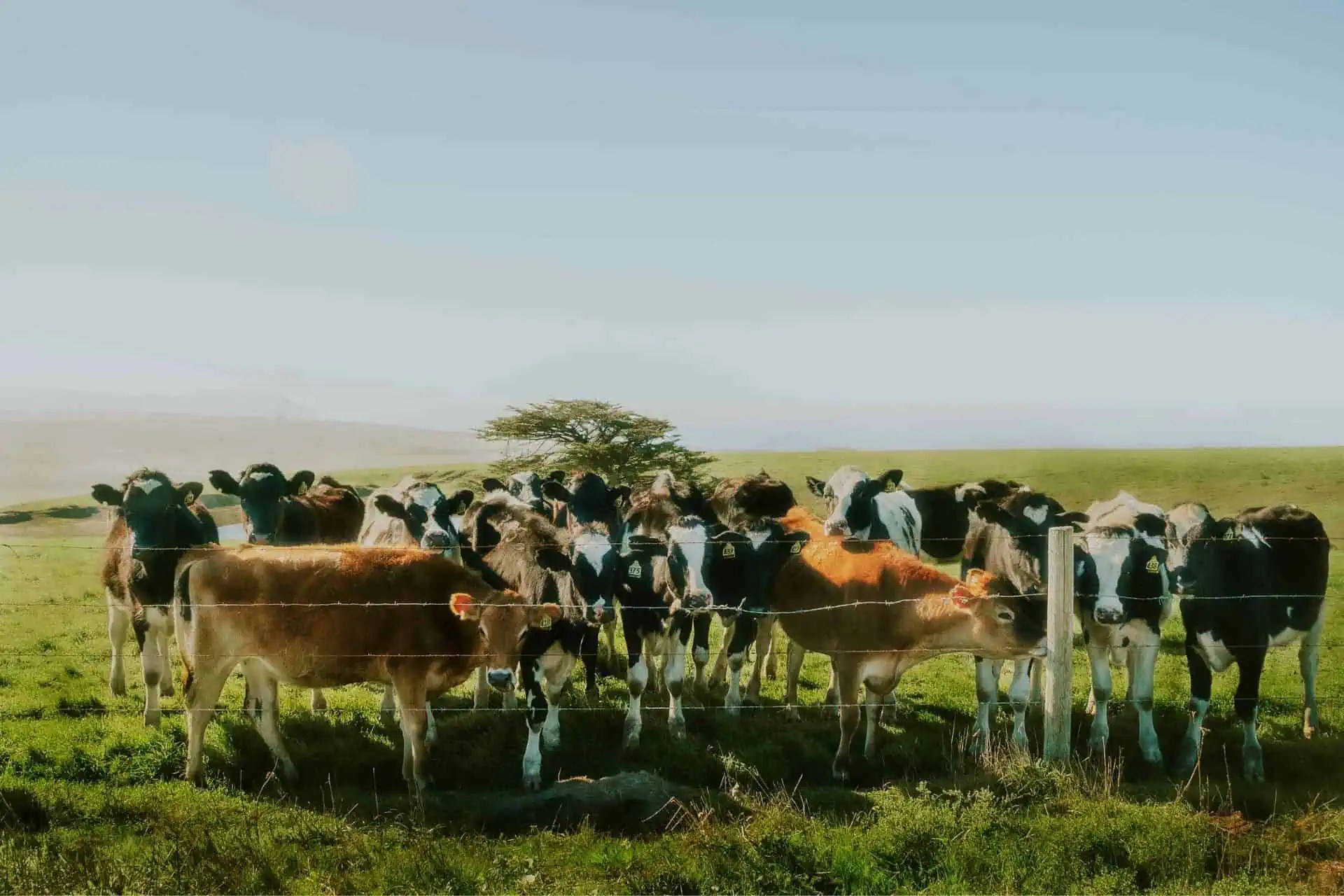
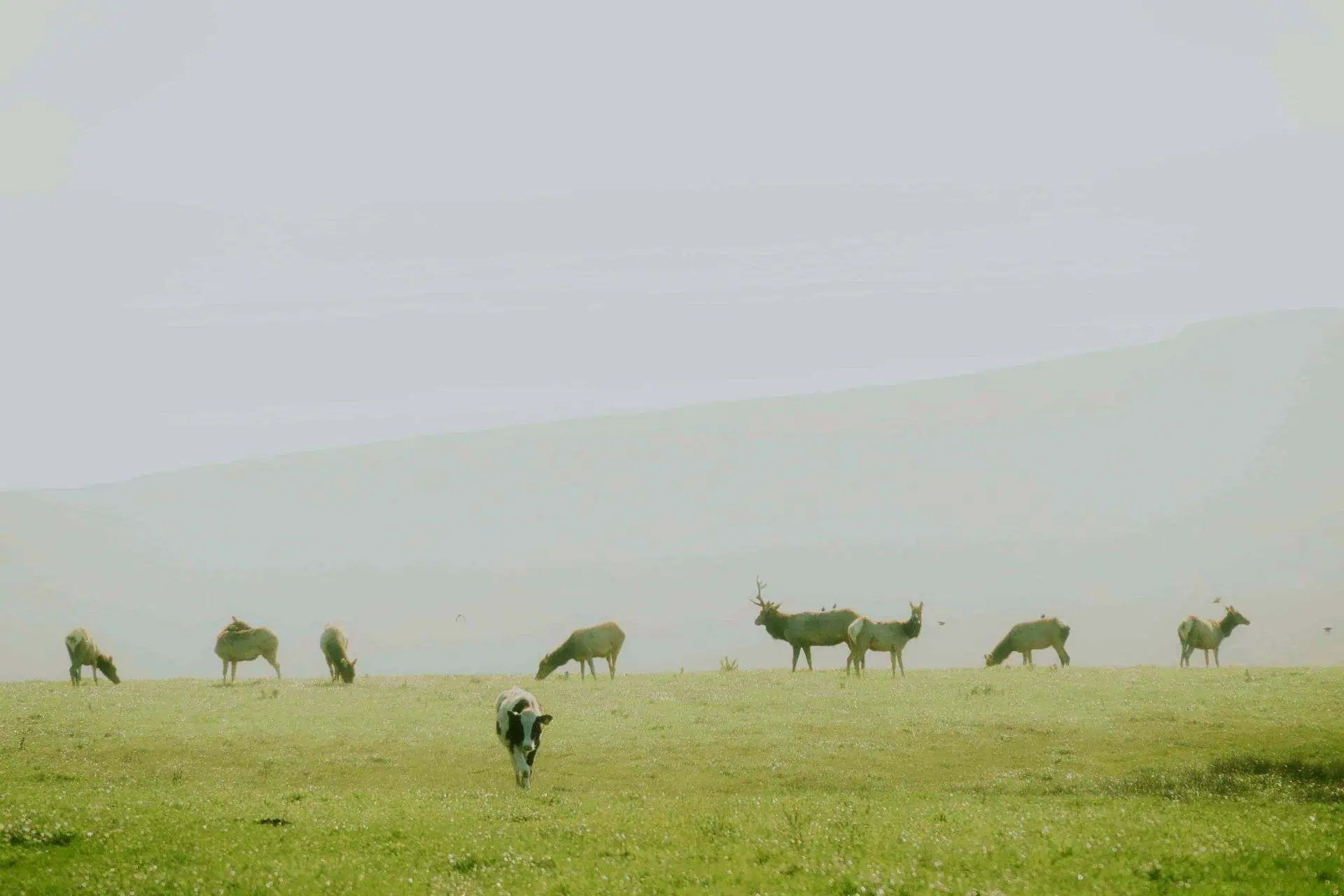
I backtracked along a similar route from the day before, revisiting the Cypress Tree Tunnel, Drakes Beach, and scenic overlooks. Along Drakes Beach Road, there’s a pull-off where you can watch cows grazing in open pastures — and often elk herds in the valley. I stayed nearly an hour watching them… until the cows got a little too curious and started leaning on the fence, clearly hoping I had snacks.
Chimney Rock: A Must-Do Hike in Point Reyes
One stop I highly recommend is Chimney Rock. The trail is less than a mile each way and offers some of the best views in the entire park. It’s also a fantastic spot to see seals, seabirds, and even whales during migration season.
Parking here is limited, so arriving earlier in the day is best. Afterward, I made one last stop at the lighthouse overlook during daylight and caught a stunning shot of a deer framed by the coastline.


How to See Point Reyes on a Busy Day
Even though I visited midweek, Point Reyes can get busy. If you’re coming during peak season, I recommend:
- Arrive early
- Start at the Cypress Tree Tunnel before crowds build
- Drive straight to the Point Reyes Lighthouse (farthest point, limited parking)
- Continue to Chimney Rock
- Slowly work your way back through the park
If you have extra time, there’s a wrecked ship in Inverness that’s fun to check out — but I’d prioritize the lighthouse and headlands first.
Other Areas of Point Reyes Worth Exploring
- Tomales Bay: Famous for oysters — don’t miss Tomales Bay Oyster Company. Kayaking is popular here, and during certain times of year, you can even experience bioluminescence on night kayak tours.
- Northern Point Reyes / Tule Elk Reserve: Fewer crowds and more remote beaches. While elk are scattered throughout the park, this area is quieter if solitude is your goal.
- Local Stops: Point Reyes Farmstead Cheese and Heidrun Meadery are both excellent stops if you’re passing through town.
History & Fun Facts About Point Reyes
Point Reyes National Seashore has a rich and fascinating history. While Sir Francis Drake is often credited with “discovering” the area in 1579, it was Spanish explorer Sebastián Vizcaíno who officially named it in 1603.
He arrived during the Feast of the Epiphany — also known as the Day of the Three Kings — and named it La Punta de los Reyes, or Point of the Kings.
Wildlife at Point Reyes
Point Reyes sits along the Pacific Flyway, making it one of the best birding destinations in North America. An incredible 490 bird species have been recorded here — nearly half of all bird species on the continent.
Elephant Seals
Elephant seals are one of the park’s biggest wildlife highlights. Once hunted nearly to extinction for their oil, they returned to Point Reyes in the 1970s and are now a conservation success story, with a global population of around 150,000.
They spend nearly 80% of their lives at sea and can dive up to 2,000 feet for nearly half an hour, storing oxygen in their blood instead of their lungs.
Best time to see elephant seals:
- December–March: Birthing and mating season (the most dramatic time to visit)
- Spring: Molting season
Where to see them safely:
- Elephant Seal Overlook
- Drakes Beach (check for seasonal closures)
Tule Elk
Point Reyes is home to one of the largest herds of tule elk, the smallest elk species in North America. Reintroduced to the park in 1978, the herd now numbers around 400.
Best places to spot tule elk:
- Tomales Point Tule Elk Preserve
- Along Drakes Beach Road
- Phillip Burton Wilderness
Pro tip: Visit between August and December during rutting season, when males are bugling and sparring — making them easier to spot.
Point Reyes is one of those places that never feels the same twice. Whether you’re here for a quick day trip from San Francisco or a slow overnight adventure, it has a way of pulling you into its rhythm — fog, wind, wildlife, and all.
For more Point Reyes fun facts check out my blog “”Point Reyes National Seashore: 5 Fun Facts You Didn’t Know“
For more California adventures check out my blogs here!
P.S. Like the vibe of these photos?
I’ve turned some of my favorite travel shots into art prints over on my Etsy shop! Not every place I write about makes it into the shop, but if you’re into dreamy landscapes, vintage surfers, or just love a cute puffin, come take a look: Night Star Studio on Etsy


