
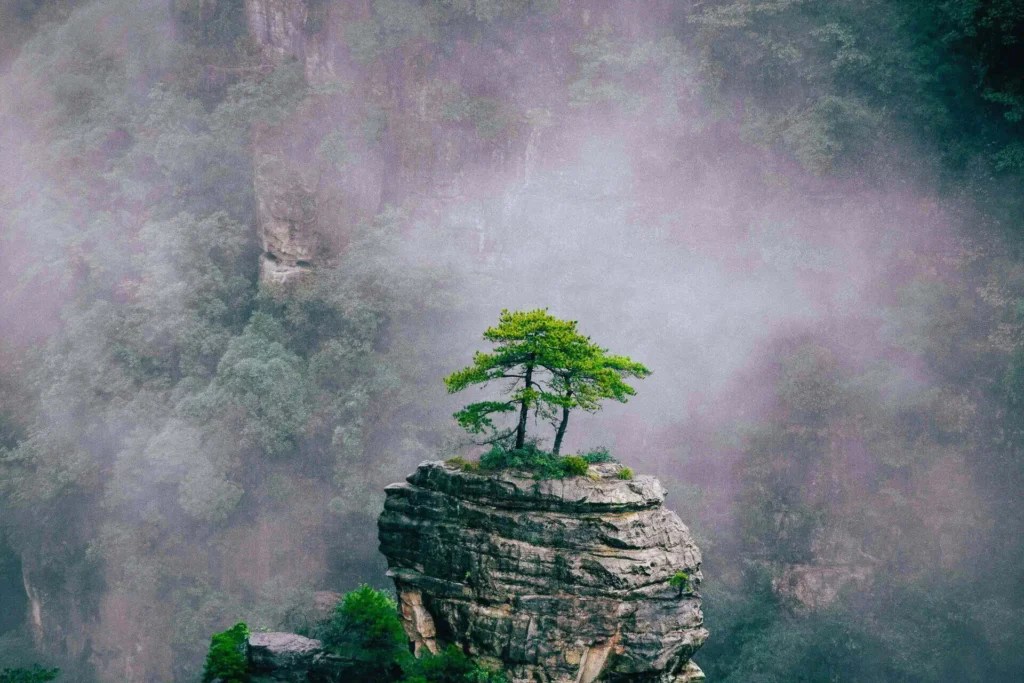
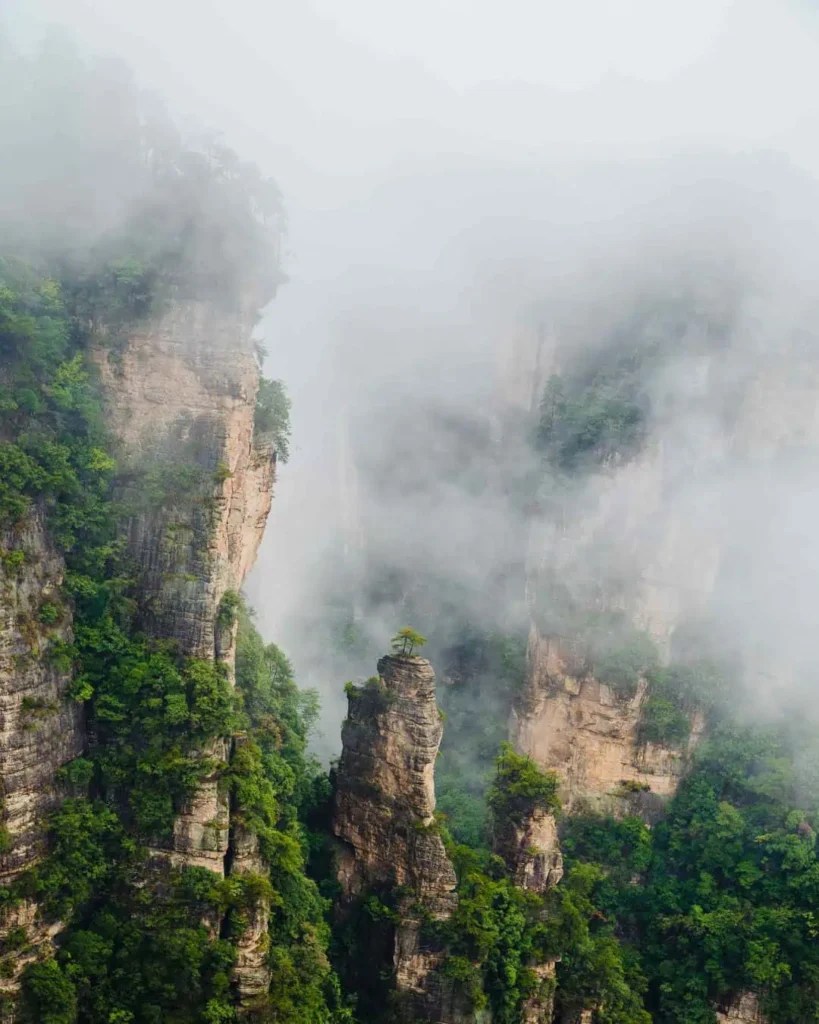
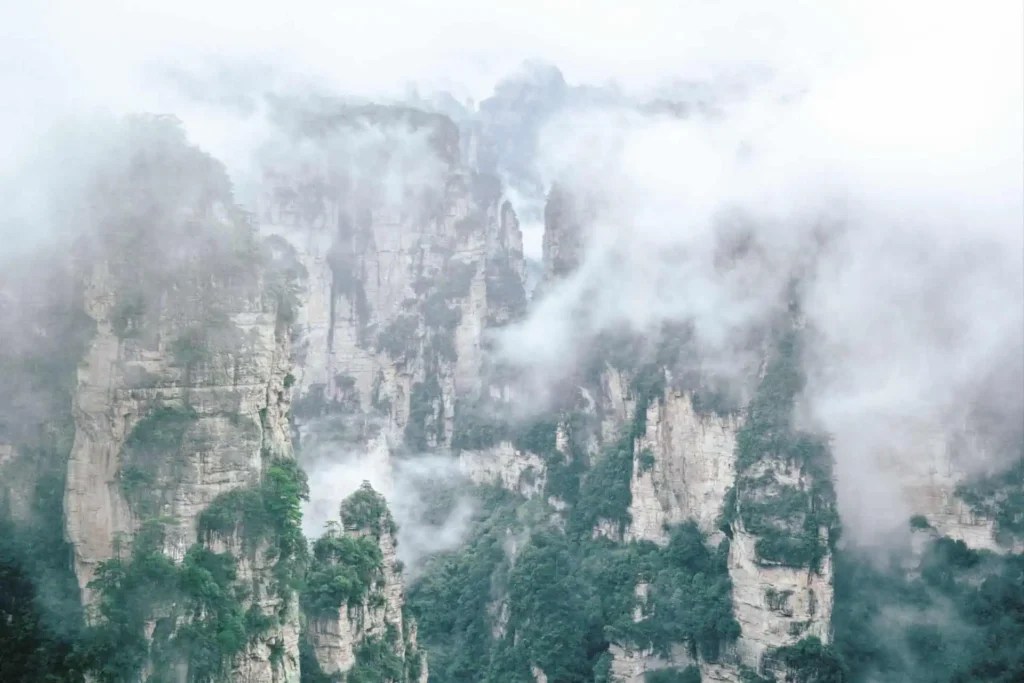
If you’ve ever seen photos of China’s towering sandstone pillars disappearing into the clouds, chances are you’ve come across Zhangjiajie. Made famous by the floating mountains in Avatar, this part of Hunan Province is home to some of the most surreal landscapes I’ve ever seen.
We spent five days exploring Zhangjiajie, from the famous Avatar Mountains in Zhangjiajie National Forest Park to the fog-covered cliffs of Tianmen Mountain and the glass bridge at Zhangjiajie Grand Canyon. And honestly, there’s so much more to this region than just the mountains you see on social media!
We were a little hesitant about visiting at first. We’d heard so much about China’s massive crowds and how busy the national park could get, and I wasn’t sure if it would be worth the hassle. But after talking to our family in China and some locals, we decided to go for it. The crowds were manageable, although I still wouldn’t recommend visiting during peak season. The queues can get crazy (2-5 hours just for a cable car), and summer brings intense heat and humidity on top of all the hiking!
The scenery is incredible, but figuring out how to get around the massive parks can be a little overwhelming, especially if it’s your first time visiting China. Between the cable cars, mountain elevators, shuttle buses, and endless staircases, there’s a lot to figure out before you even start hiking.
So, if you’re planning a trip to Zhangjiajie, here’s everything I learned from our five days in the region, including where to stay, which areas are worth visiting, and a few things I wish I’d known beforehand.
P.S. This post contains affiliate links. If you use my links to make a purchase, I’ll get a small commission at no extra cost to you. Thanks for your support!
Zhangjiajie Travel Guide
A Quick Guide to Zhangjiajie
- How long to stay: At least 3–5 days, or a full week if you want to explore the surrounding attractions.
- Best for: Dramatic mountain scenery, hiking, photography, cable car rides, and unique natural landscapes.
- Main attraction: Zhangjiajie National Forest Park and its famous sandstone pillars.
- Where to stay: Near the South Gate for a quieter experience, or the East Gate for easier access to the famous Avatar Mountains.
- Getting around: A combination of shuttle buses, cable cars, elevators, taxis, and hiking trails.
- Good to know: The weather can be unpredictable, and fog can completely obscure the mountain views.
How Many Days Do You Need in Zhangjiajie?
We spent five days in Zhangjiajie, and I think that was a great amount of time to experience the region without rushing too much.
One thing I didn’t fully appreciate before arriving is just how BIG Zhangjiajie actually is. People often talk about it as if it’s just the Avatar Mountains, but there’s an entire region of caves, canyons, and ancient towns to explore.
Here’s how we spent our time:
- Day 1: Tianmen Mountain
- Day 2: Zhangjiajie National Forest Park
- Day 3: Zhangjiajie Grand Canyon and its famous glass bridge
- Day 4: Another full day exploring Zhangjiajie National Forest Park
- Day 5: A final morning in the national forest park before leaving
We could easily have spent another couple of days exploring different parts of the region. If you have a full week, you could add Huanglong Cave or take a day trip to Furong Ancient Town or Fenghuang Ancient City.
Both towns are known for their traditional architecture and scenic settings, although they’re quite commercialized and touristy these days.
My recommendation: Give yourself at least two full days for Zhangjiajie National Forest Park alone. If you want to see Tianmen Mountain, Zhangjiajie Grand Canyon, and some of the surrounding attractions, plan for at least four to five days.
Zhangjiajie National Forest Park: The Famous Avatar Mountains
Zhangjiajie National Forest Park is the main reason most people visit the region, and it’s easy to see why.
Established in 1982, it became China’s first national forest park. The park protects a landscape of towering sandstone pillars, deep valleys, lush forests, and dramatic cliffs that look almost otherworldly.
The park is part of the larger Wulingyuan Scenic Area, a UNESCO World Heritage Site known for its extraordinary sandstone formations.
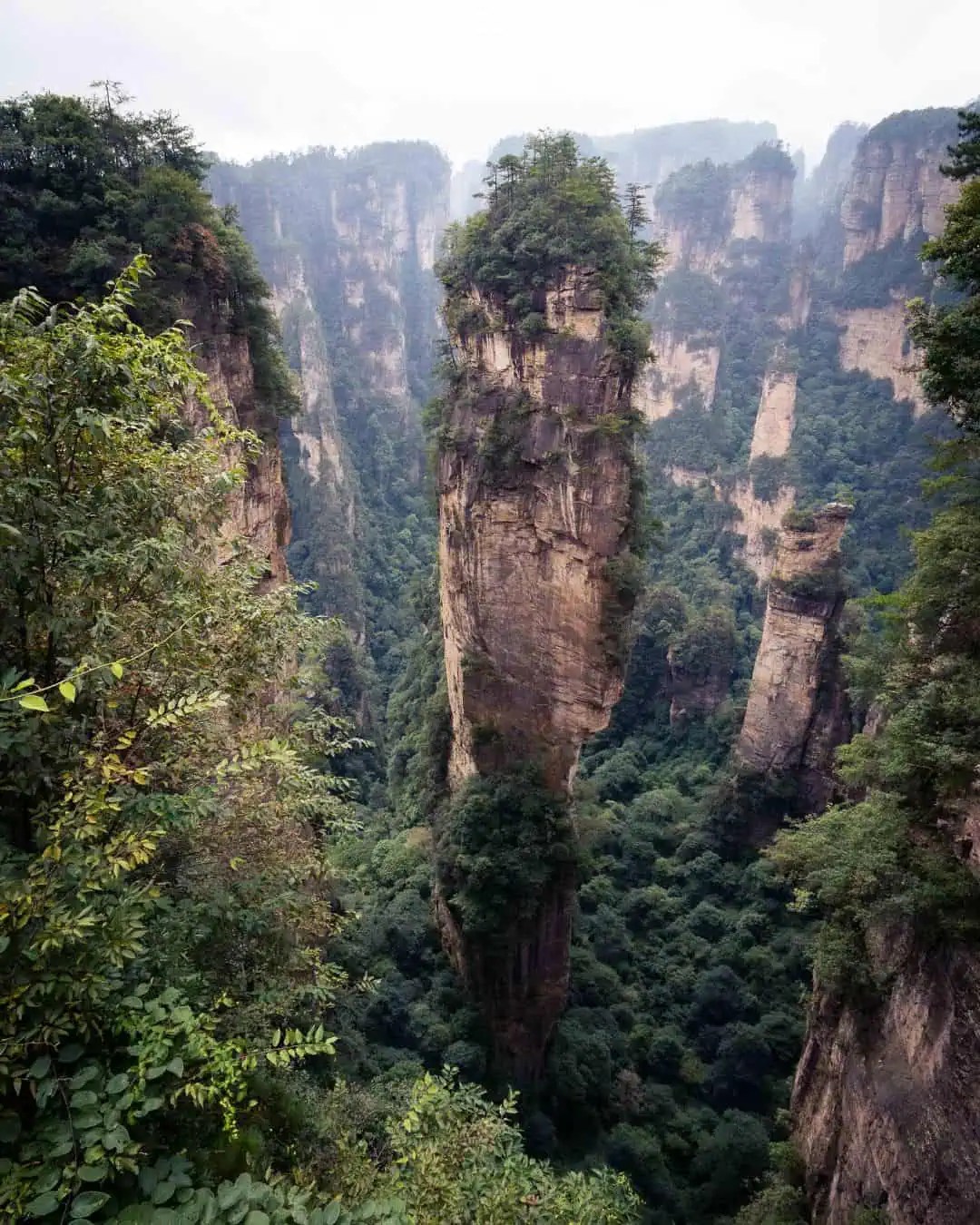
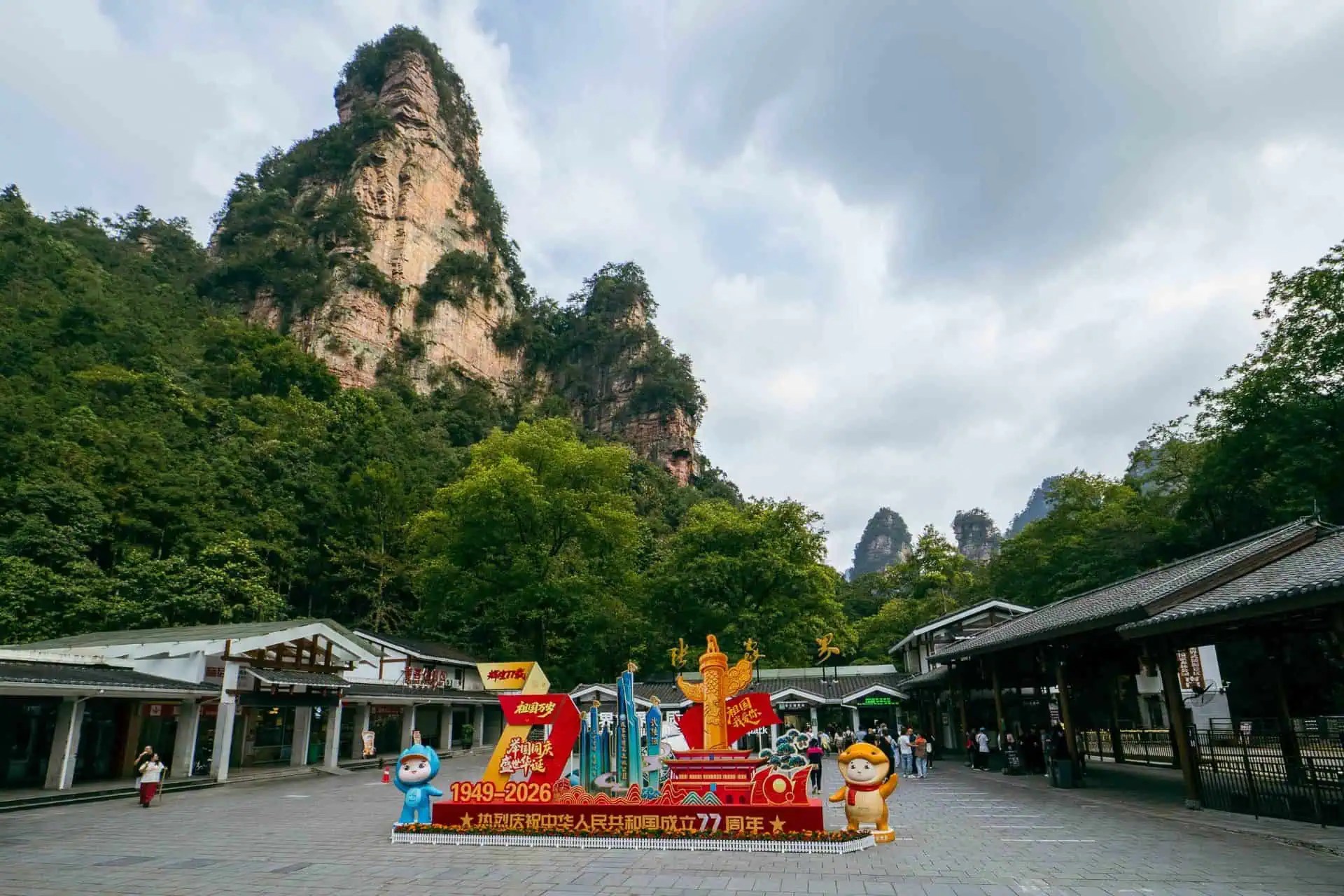
And yes, these are the famous Avatar mountains! The resemblance to the floating mountains in the movie is pretty wild, especially when the clouds and mist roll through the valleys.
But here’s the thing: the park is absolutely massive. There are multiple scenic areas, hiking trails, viewpoints, cable cars, and shuttle buses, and getting from one place to another can take much longer than you’d expect.
We spent two full days exploring the park, plus one additional morning, and still didn’t see everything.
How to Get Around Zhangjiajie National Forest Park
This was probably the most confusing part of our visit!
Zhangjiajie National Forest Park is HUGE, and getting between attractions isn’t as straightforward as you might expect. You’ll be navigating a network of shuttle buses, cable cars, mountain elevators, and hiking trails, often with multiple transfers needed to get from one scenic area to the next.
One thing I wish I’d understood beforehand is just how long it takes to travel between different parts of the park. Two attractions might look relatively close on a map, but getting between them can involve a combination of buses, cable cars, and walking. There also aren’t always direct routes, so backtracking across the park can eat up a surprising amount of time.
My biggest tip is to plan your route around the different entrances rather than trying to see everything in one continuous loop. For example, you could start at the East Gate, explore the northern scenic areas, and exit through the South Gate before taking a taxi back to your hotel. You can also do this in reverse. This can be much more efficient than trying to return to your starting point, especially if you’re covering a lot of ground in one day.
Just keep in mind that traveling between sections of the park can take a while, and you might not have enough time to backtrack before the park closes.
Getting Between the East Gate and South Gate
If you’re staying near one entrance but want to finish your day at another, you have a few options:
- Public buses: Buses run between the East Gate and South Gate, making them a useful option for getting back to your accommodation.
- Taxis: You’ll generally find taxis near the park entrances, which are convenient if you want to get back to your hotel without waiting for a bus.
- Tourist coaches: Larger tourist buses connect Zhangjiajie city with major attractions in the region, including Tianmen Mountain and Zhangjiajie Grand Canyon, with stops along the way.
We found that taxis were useful when we needed more flexibility, especially if we’d spent longer than expected exploring the park.
Taking the Tourist Bus Around Zhangjiajie
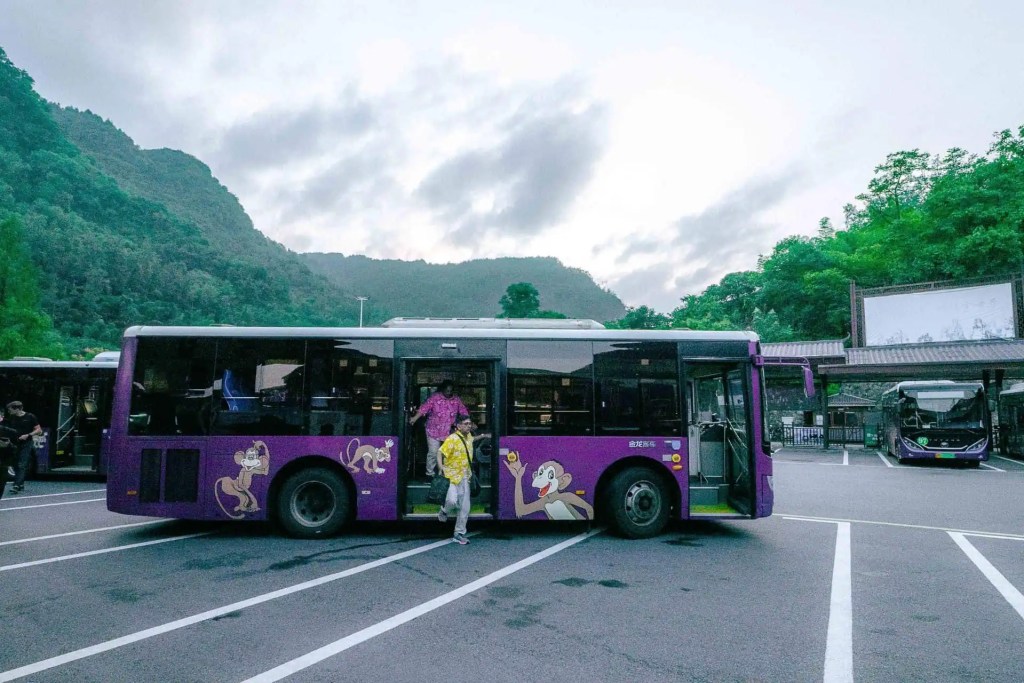
You’ll also see tourist coaches operating around the main attractions. These can be a convenient way to travel between Zhangjiajie city, the train station, Tianmen Mountain, and Zhangjiajie Grand Canyon, with stops at major scenic destinations along the route.
They’re generally easy to spot near the park entrances and exits. You’ll usually see signs advertising the buses, along with staff calling out to visitors and selling tickets, so they’re pretty hard to miss!
One important thing to keep in mind is that these buses generally stop running around the time the attractions close. If you take longer than expected to leave the park or stop for dinner afterward, you may need to take a taxi back instead.
I’d recommend checking the last departure time when you buy your ticket, particularly if you’re planning a full day of hiking or visiting multiple scenic areas.
A Few Tips to Make Getting Around Easier
- Plan your route before entering the park. Decide which scenic areas you want to visit and figure out the most efficient order.
- Avoid unnecessary backtracking. If possible, enter through one gate and exit through another, then take a bus or taxi back to your hotel.
- Allow more time than you think you’ll need. The park is enormous, and transportation between attractions can take longer than expected.
- Ask your hotel owner for advice. They often know the best routes and can help you work out which entrance to use based on your plans for the day.
- Get a paper map. It’s useful for understanding where the different scenic areas and transportation stations are located.
- Use your phone for walking distances. The paper maps aren’t always to scale and generally don’t give you a good idea of the actual hiking distances or elevation changes.
- Don’t underestimate the hiking. Even when two attractions look relatively close on a map, getting between them can involve a lot of stairs and elevation changes.
- Use the cable cars – they can save you hours of climbing or descending stairs.
We tried hiking up to Yuanjiajie and walking down Tianzi Mountain instead of taking the cable cars. Both were harder than expected, especially descending Tianzi Mountain. The endless steps were brutal, and there weren’t that many viewpoints along the way because we were mostly walking through the trees.
Unless you specifically enjoy challenging uphill or downhill hikes, I’d save your energy for the scenic trails and viewpoints instead! Or if the lines are crazy long and you’re okay walking thousands of steps.
Honestly, figuring out the transportation system can feel overwhelming at first, but it gets easier once you understand how the different areas connect. We found it really helpful to ask our hotel owner for route recommendations rather than trying to piece everything together ourselves.
My Favorite Areas in Zhangjiajie National Forest Park
The park has several major scenic areas, each offering a different experience. Here are the ones I’d prioritize.
1. Huangshi Village (Yellow Stone Village)
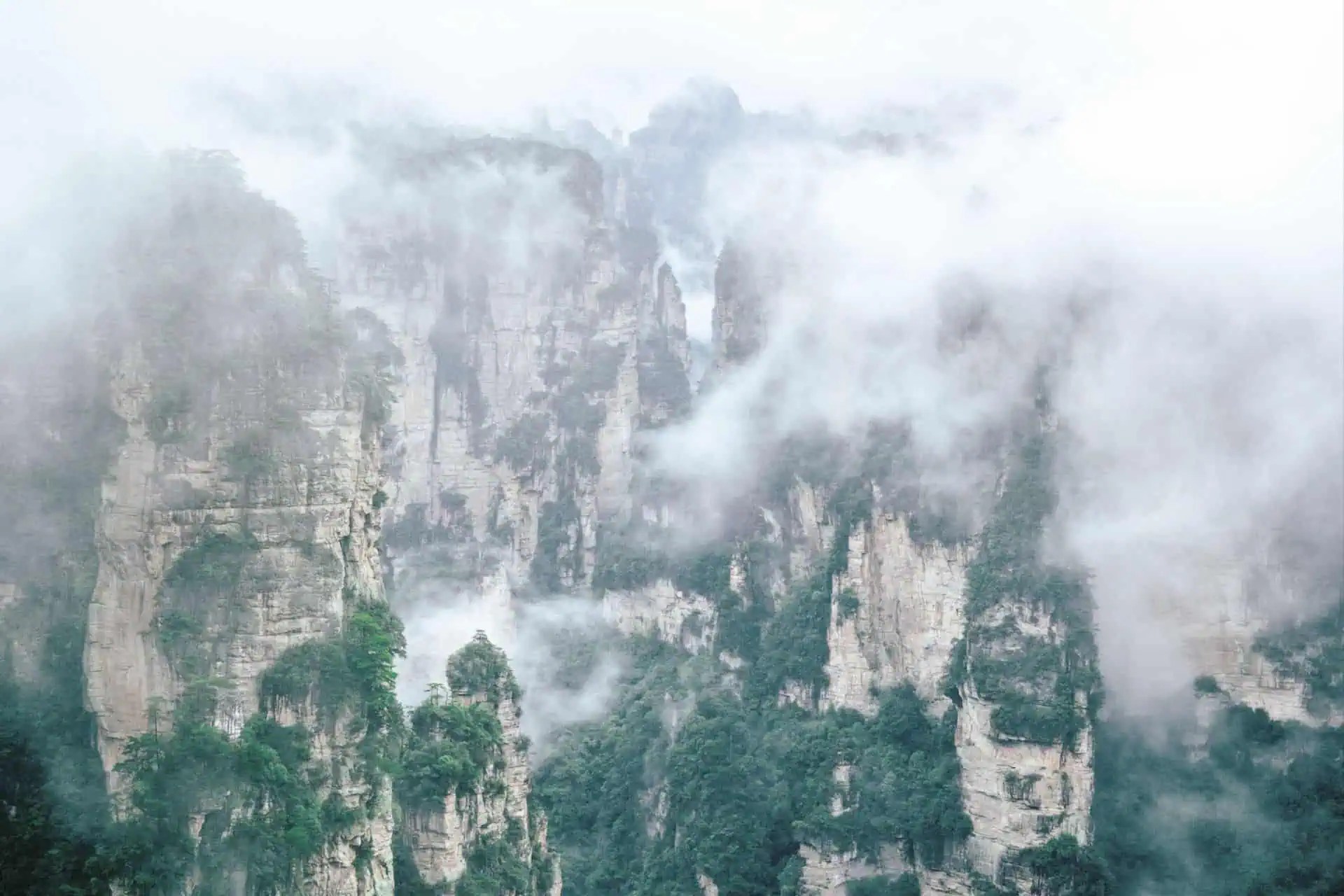
Huangshi Village was actually my favorite area of the park!
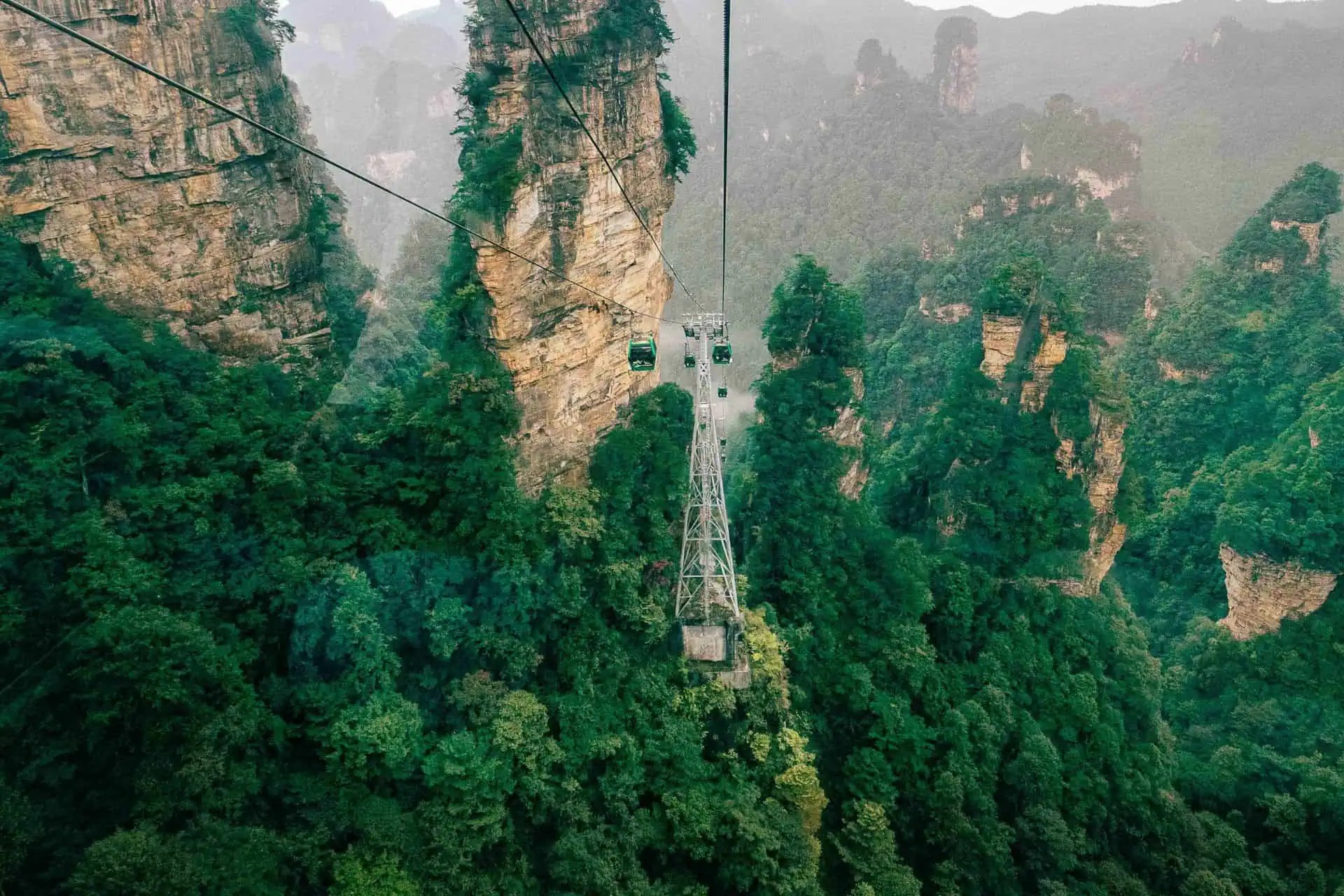
It’s known for its panoramic viewpoints overlooking the surrounding sandstone pillars and forested valleys. You can take a cable car up and explore the viewpoints on foot, or hike up if you’re looking for a more challenging route.
There are two main options for exploring the top:
- Short loop: Approximately 1 km, with around 30 minutes of walking, plus the cable car ride.
- Full loop: Approximately 3.8 km, taking around 1.5 hours of walking, plus the cable car ride.
- These are approximate times, so allow extra time for photographs and stops along the way.
I’d recommend visiting Huangshi Village in the morning, ideally arriving early through the South Gate. This worked particularly well for us because we could explore before the crowds picked up.
A lot of visitors seem to start at the East Gate, explore the more famous areas, and finish their day at Huangshi Village before heading back. Visiting earlier gave us a much more peaceful experience.
If you only have time for a few areas of the park, I’d put this one high on your list!
2. Golden Whip Stream
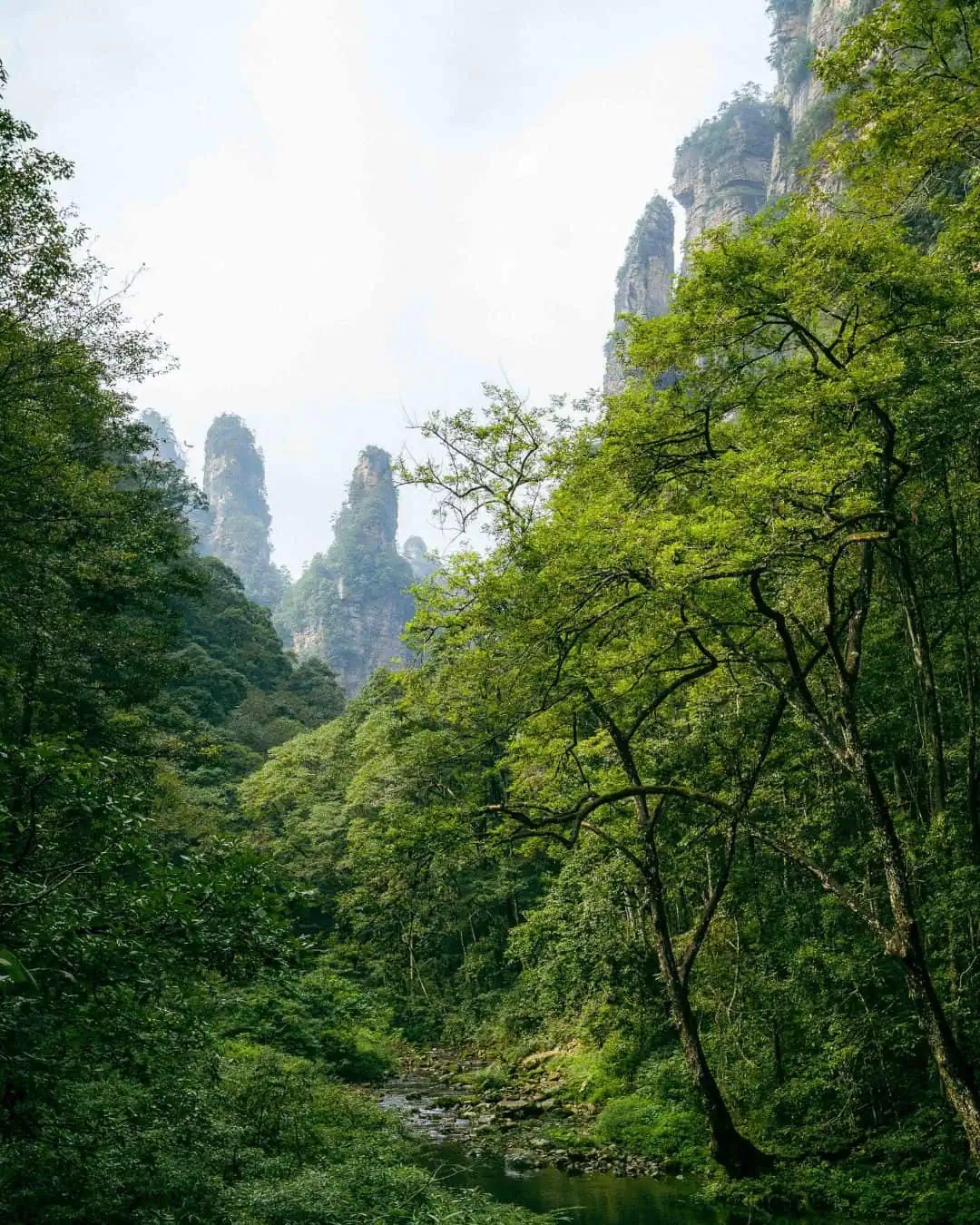
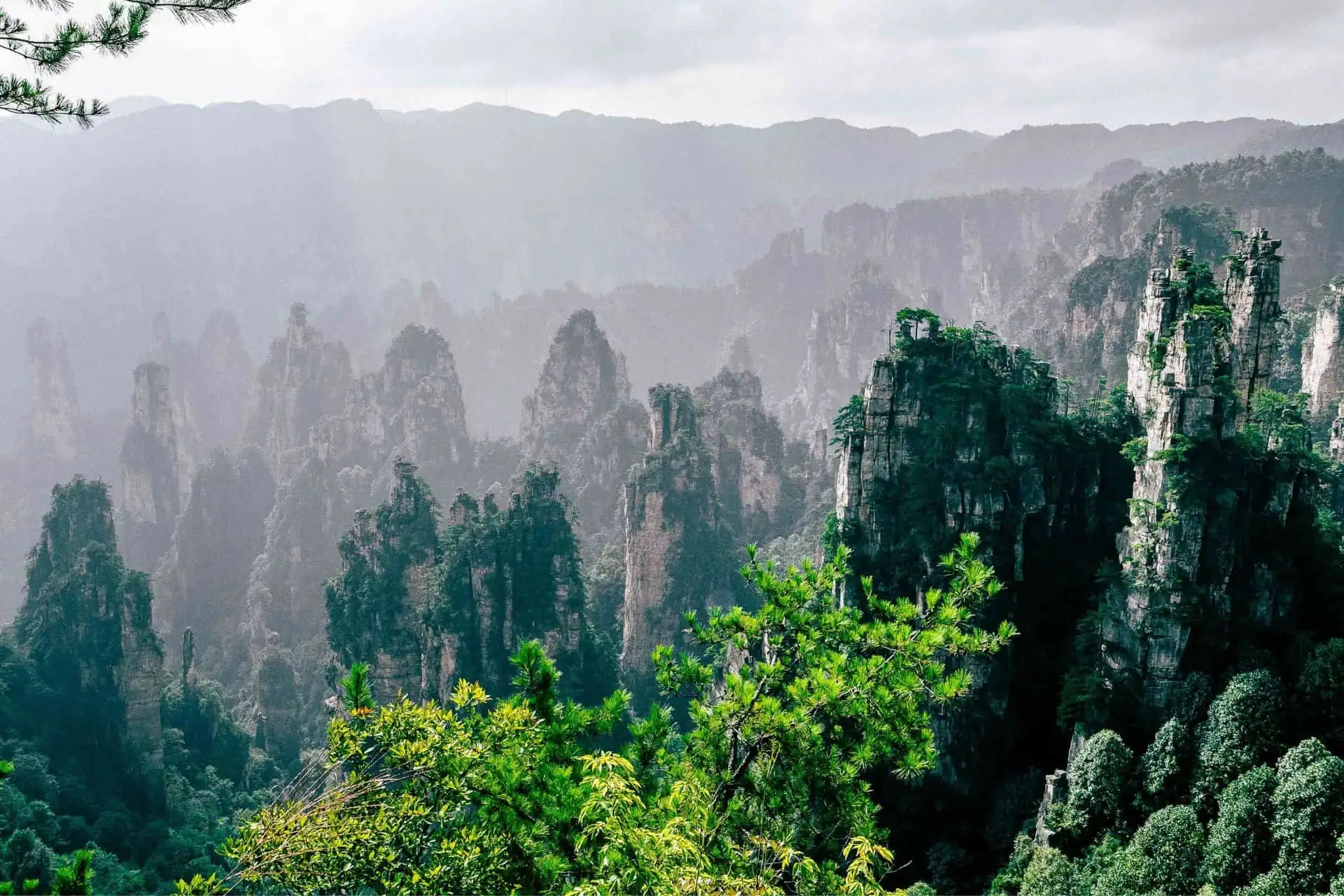
Golden Whip Stream is one of the prettiest walking trails in Zhangjiajie National Forest Park.
The trail winds through a lush canyon surrounded by enormous sandstone cliffs, dense greenery, and a clear stream. Compared with some of the higher viewpoints, this area feels much more immersive because you’re walking right at the base of the towering rock formations.
It’s a lovely place to slow down, enjoy the scenery, and take a break from all the stair climbing.
We ended up walking through this area multiple times because it was part of our route to other attractions from the South Gate. I honestly didn’t mind repeating it because the scenery was so beautiful.
It’s also a good place to keep an eye out for the park’s wild macaques!
Yuanjiajie: Home of the Avatar Mountains
If you’ve seen photos of Zhangjiajie, this is probably the landscape you’re picturing.
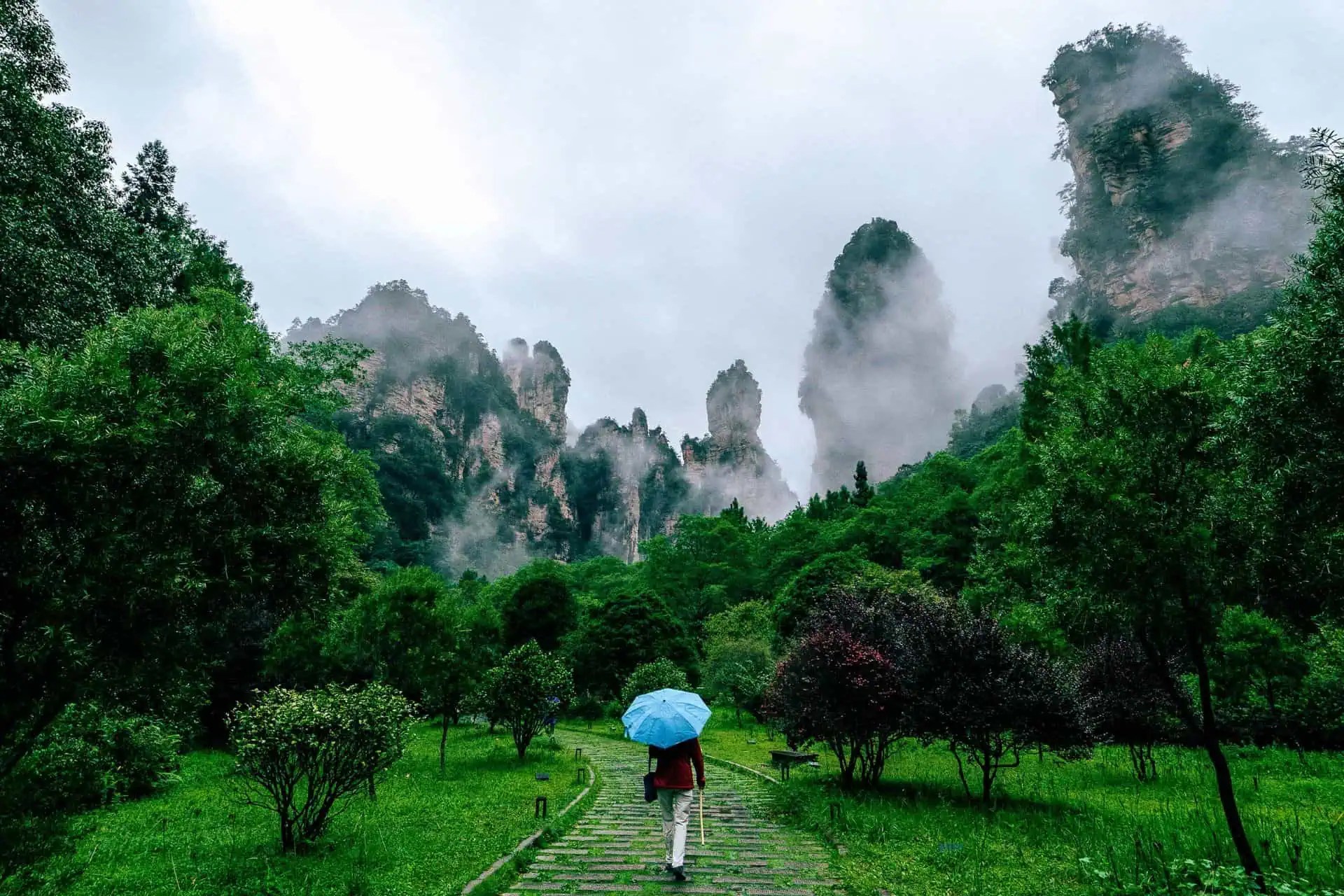
Yuanjiajie is home to some of the park’s most famous sandstone pillars, including the viewpoint associated with the movie Avatar. The narrow rock formations rise dramatically above the surrounding forest, creating that unmistakable floating-mountain effect.
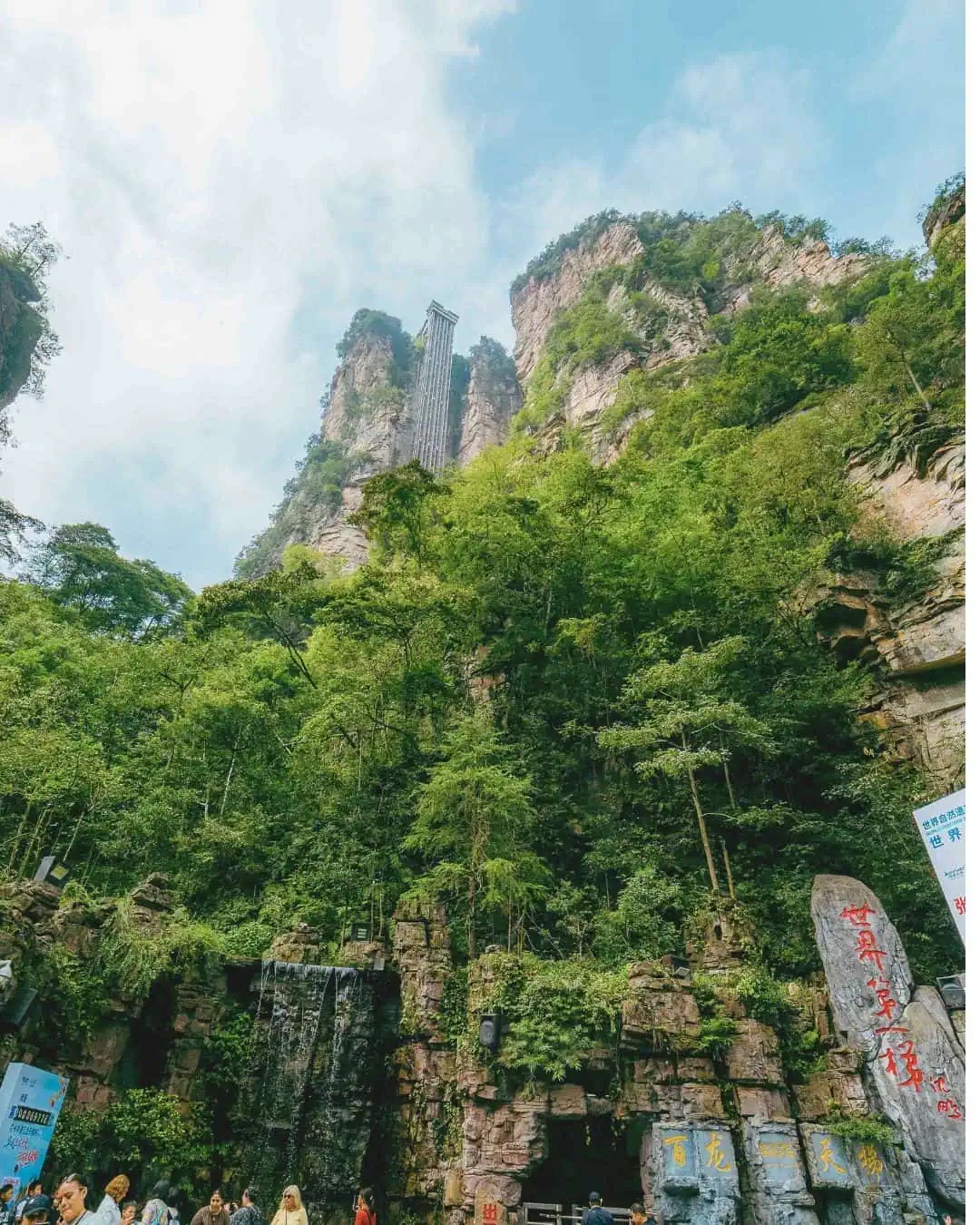
This is also where you’ll find the famous Bailong Elevator, a glass elevator built into the side of a massive cliff.
It’s an impressive feat of engineering and a convenient way to reach the upper viewpoints without hiking all the way up.
Because this is one of the most popular parts of the park, expect more crowds here, especially during holidays and peak travel periods.
If seeing the iconic Avatar Mountains is high on your list, this area is worth prioritizing. Just be prepared to share the viewpoints with plenty of other visitors!
Tianzi Mountain
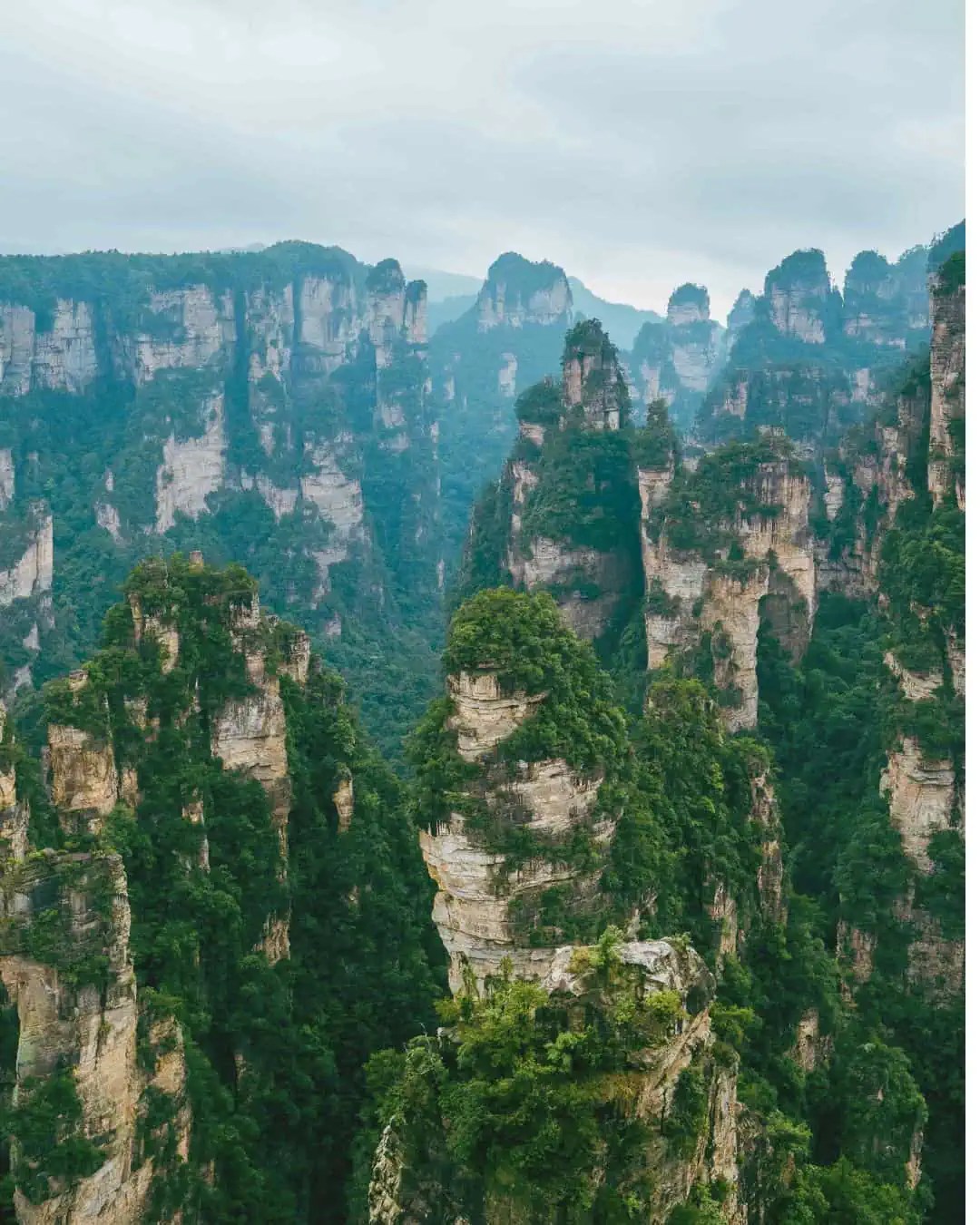
Tianzi Mountain is another major scenic area, known for its expansive views over the surrounding sandstone peaks.
It’s a great area for seeing just how extensive Zhangjiajie’s landscape really is, with rows of rock pillars stretching into the distance.
You can reach the upper area by cable car, and there are shuttle buses connecting different parts of the park.
We chose to walk down Tianzi Mountain, thinking it would be a good way to see more of the scenery. In hindsight, I probably wouldn’t recommend doing this unless you’re specifically looking for a challenging hike.
There were endless stairs, and much of the route was surrounded by trees rather than open viewpoints. By the time we finished, my legs were definitely feeling it!
I’d take the cable car down next time and spend that energy exploring another scenic area instead.

Watch Out for the Wild Monkeys!
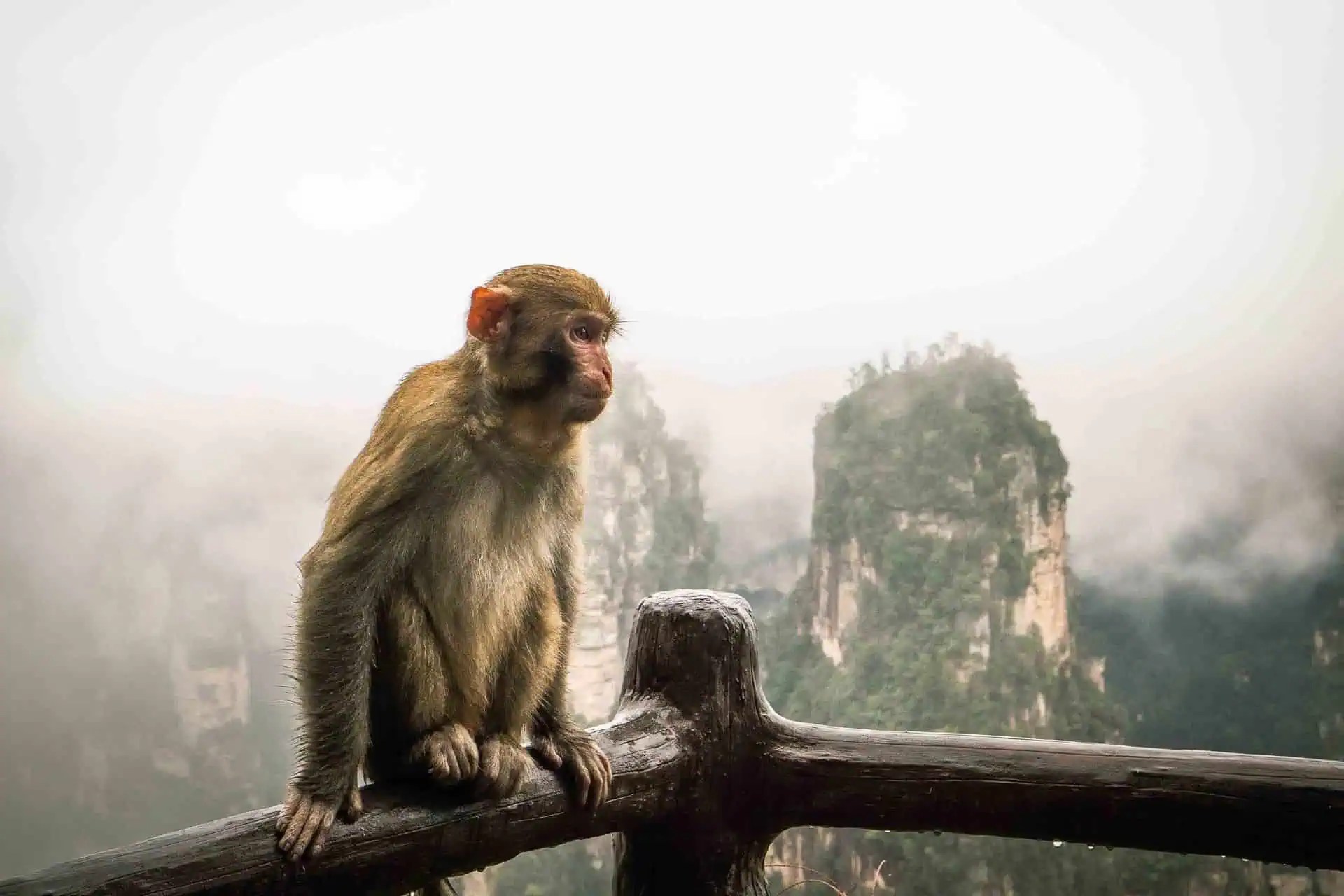
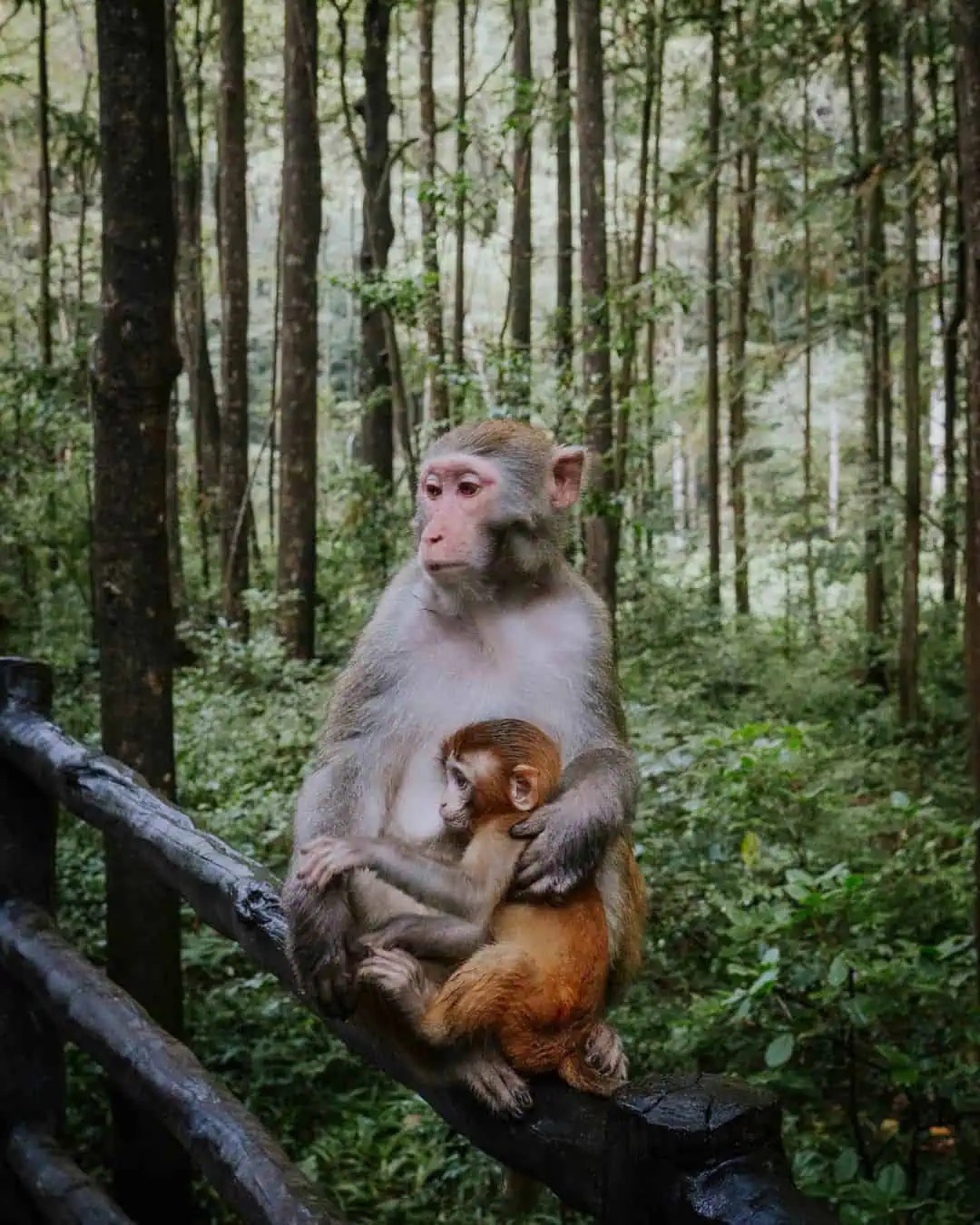
One thing you’ll quickly notice while exploring Zhangjiajie is that there are wild macaques around the park.
We spotted them along walking paths and in several scenic areas, and they’re particularly easy to encounter around places like Golden Whip Stream.
They’re fun to observe, but remember that they’re still wild animals.
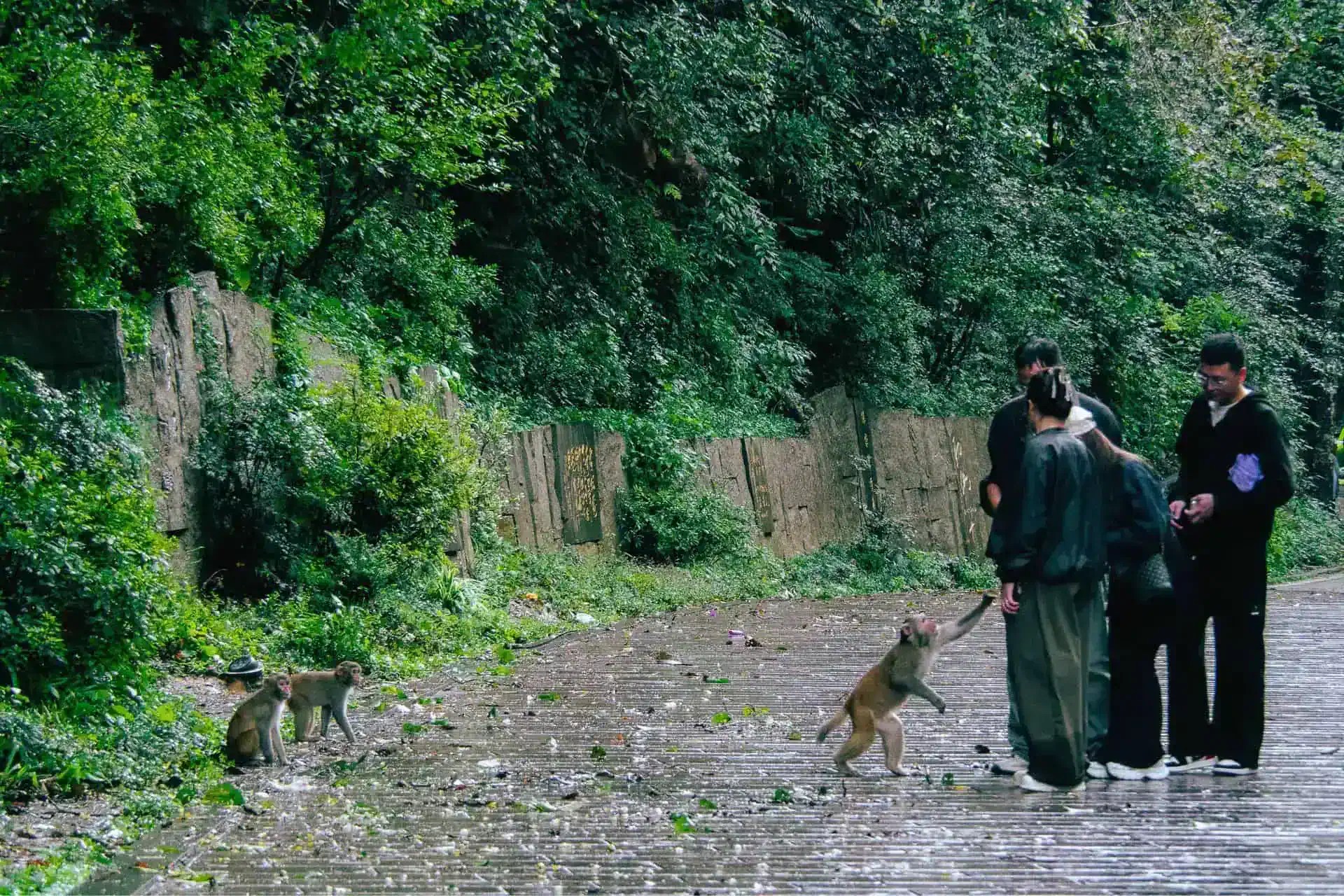
Don’t feed them, approach them too closely, or pull out food right in front of them. Avoid teasing them or waving shiny objects and phones around to get their attention, too.
We saw plenty of people trying to feed the monkeys and then getting upset when the animals approached too quickly or tried to grab more food. Honestly, what did they expect?
Give the monkeys space and enjoy watching them from a safe distance. It’s much better for both you and the animals.
Below is an example of what NOT TO DO. But alas many tourist hand feed the monkeys. so just please be smart with how you interact with wild animals.
Where to Stay in Zhangjiajie: East Gate vs. South Gate
There are several entrances to Zhangjiajie National Forest Park, but the East Gate and South Gate are two popular bases for exploring it.
We stayed near the South Gate for four nights, and I’m really glad we did.
East Gate: Best for the Famous Avatar Mountains
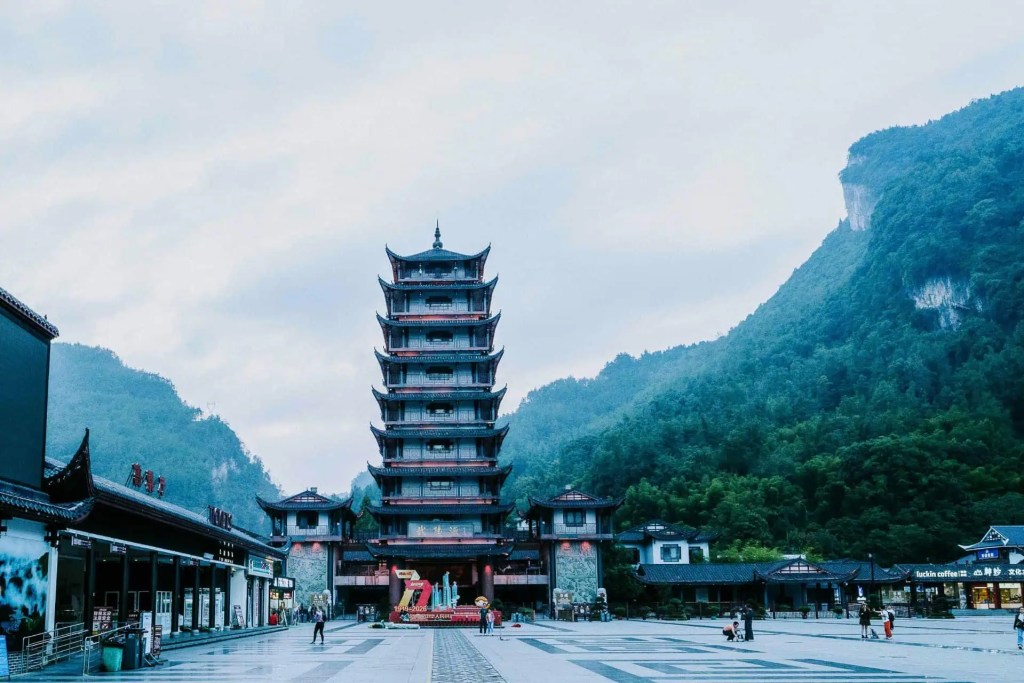
The East Gate is the more commercialized and developed side of the park. There are plenty of hotels, restaurants, and food options, including more Western-style restaurants.
It’s also conveniently located for visiting Yuanjiajie, the famous Avatar Mountain viewpoints, and the Bailong Elevator.
The downside? It’s generally busier, particularly around the most famous attractions.
If your main goal is to see the iconic Avatar Mountains and you’d prefer to have plenty of dining options nearby, staying around the East Gate can be a convenient choice.
South Gate: Quieter and More Peaceful
The South Gate was our favorite place to stay.
It felt much quieter and less commercialized, and we didn’t experience the same crowds during our visit. It also gave us easy access to Golden Whip Stream and Huangshi Village, two of my favorite areas in the park.
I especially loved the more natural, peaceful atmosphere on this side. It felt like a nice break from some of the busier tourist attractions elsewhere in China.
The South Gate isn’t necessarily the most convenient base for every attraction, and you’ll need to plan your transportation carefully. But if you enjoy hiking, quieter trails, and spending time in nature, I’d definitely consider staying here.
My tip: Don’t automatically book your hotel near the East Gate just because it’s closest to the Avatar Mountains. Think about which parts of the park you want to explore and what kind of experience you prefer.
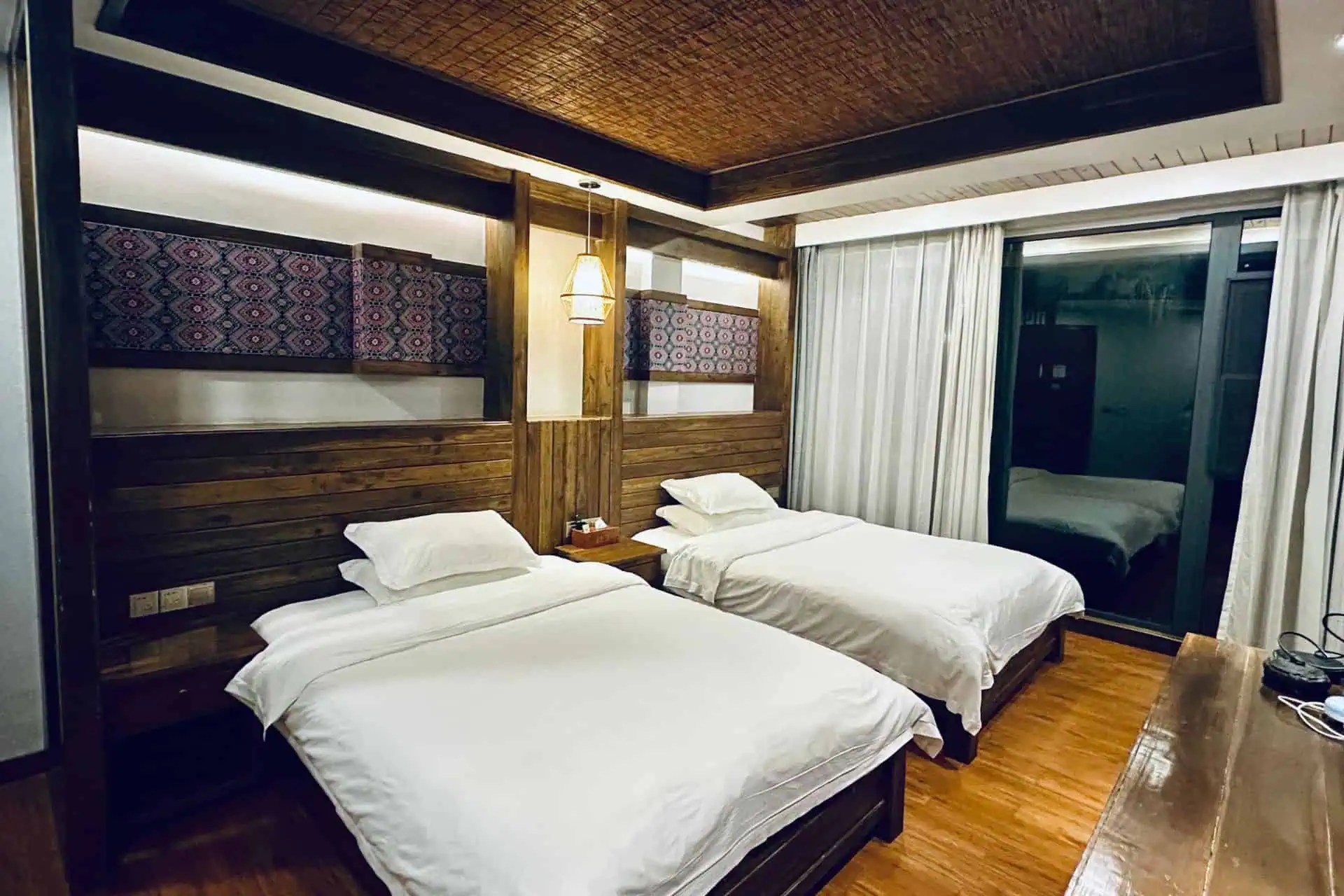
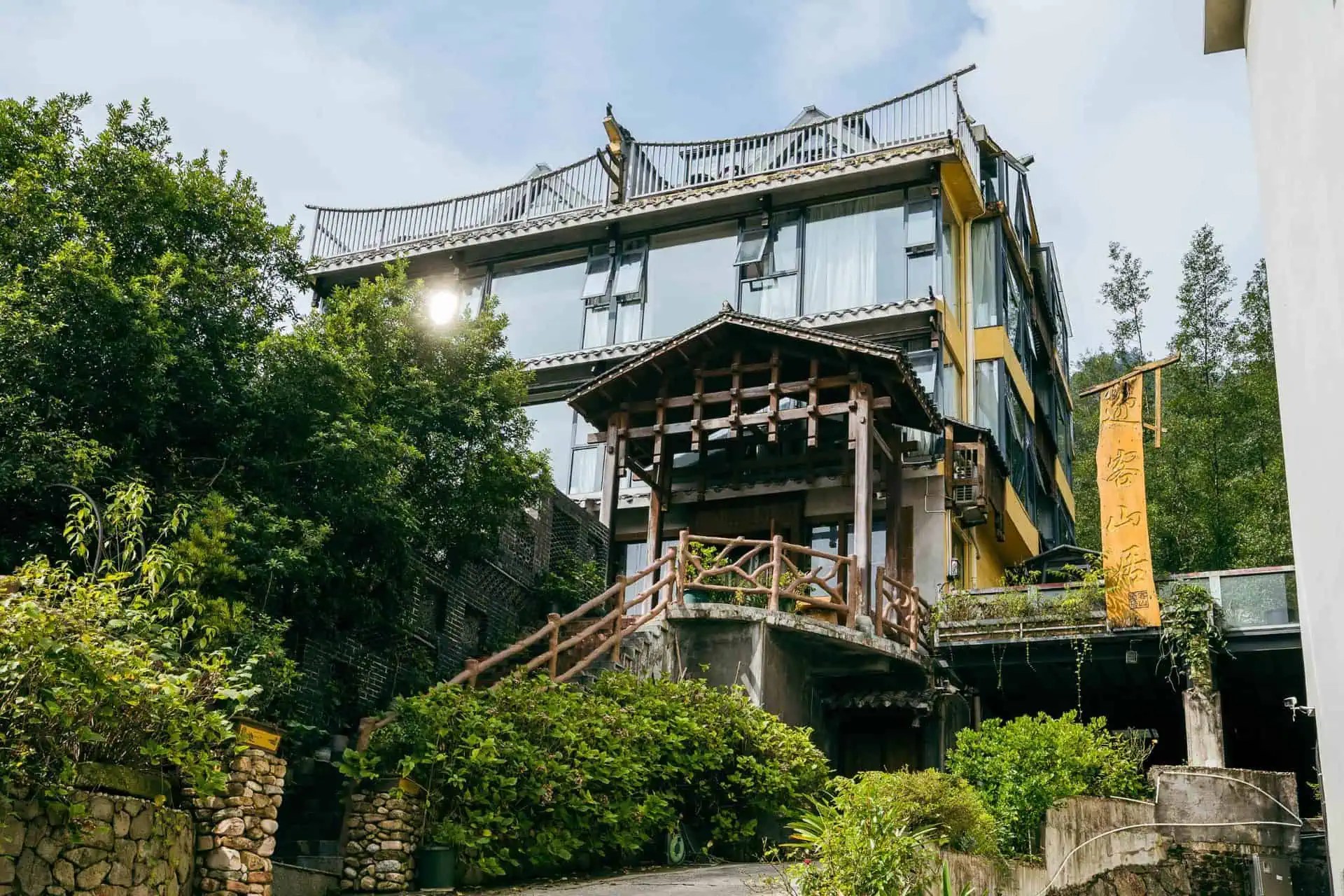
Where I Stayed: Yingke Shanju Homestay
We stayed at Yingke Shanju Homestay near the South Gate for four nights, and I’d definitely recommend it if you’re looking for a comfortable place to stay while exploring Zhangjiajie National Forest Park.
It’s less than a five-minute drive from the South Gate entrance, which makes it a convenient base for getting into the park early and beating the crowds.
The owner was incredibly friendly and helpful, offering free rides to and from the park entrance. He was also great at communicating through a translation app, so don’t worry if you don’t speak Chinese! There were quite a few other international travelers staying there during our visit, too, which was nice to see.
The rooms were spacious and comfortable, and breakfast was included with our stay. You can also order dinner at the hotel, which is convenient after a long day of hiking when you don’t feel like going out to find somewhere to eat.
Overall, it was a really comfortable and convenient base for exploring the park, especially since we wanted to spend most of our time on the quieter South Gate side.
My tip: If you’re planning to explore Zhangjiajie National Forest Park over multiple days, I’d recommend staying somewhere near your preferred entrance and asking your accommodation for local advice on park routes. Having a helpful hotel owner who can arrange rides and share local knowledge makes navigating such a huge park much easier!
Tianmen Mountain: Fog, Cliffside Walkways & Endless Escalators
Tianmen Mountain is another major attraction in Zhangjiajie, but it’s separate from Zhangjiajie National Forest Park.
Unlike the national forest park, Tianmen Mountain sits right beside Zhangjiajie city and is famous for its dramatic cliffs, glass walkways, winding mountain road, and the enormous natural arch known as Heaven’s Gate.
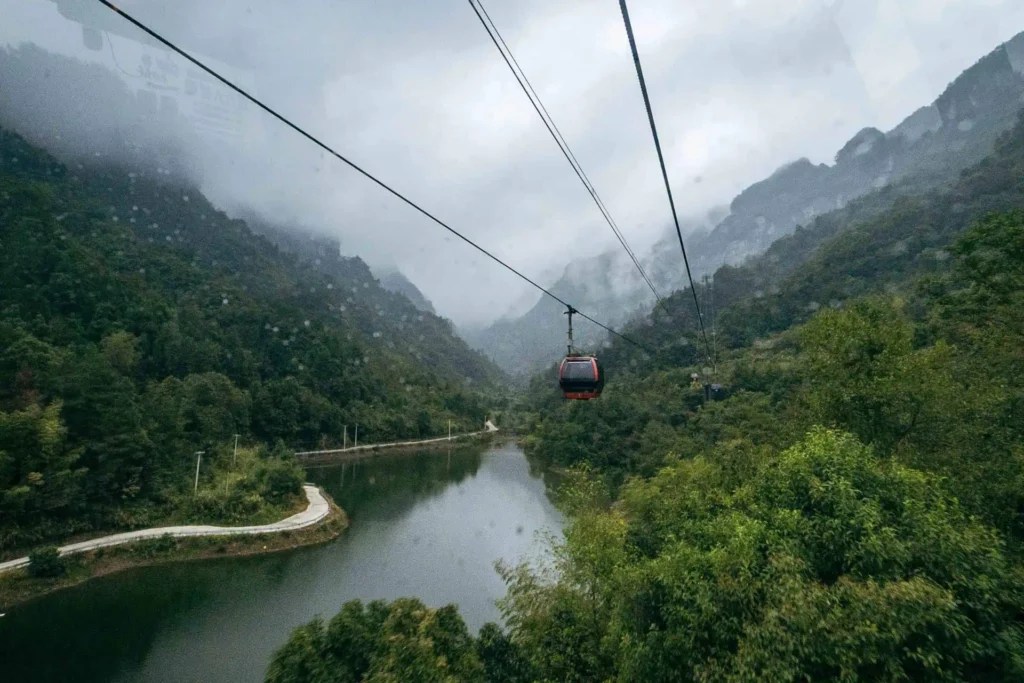
Getting there is part of the experience, with a cable car ride connecting the city to the mountain.
It’s also a relatively expensive attraction, especially if you add optional transportation and other experiences, so I’d check the current ticket packages before booking.
Is Tianmen Mountain Worth Visiting?
Honestly, this one is a little hard for me to judge because the weather was terrible when we visited.
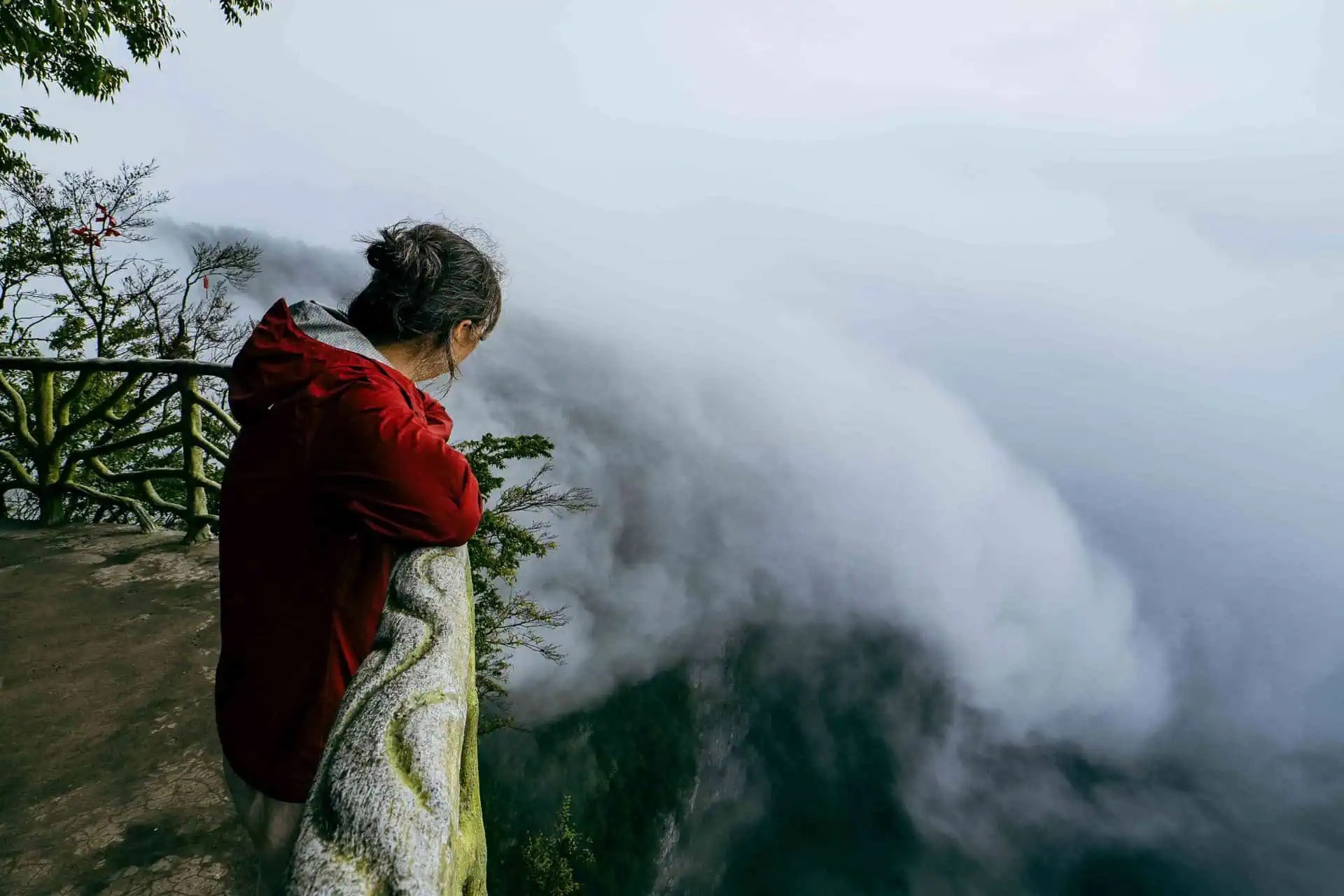
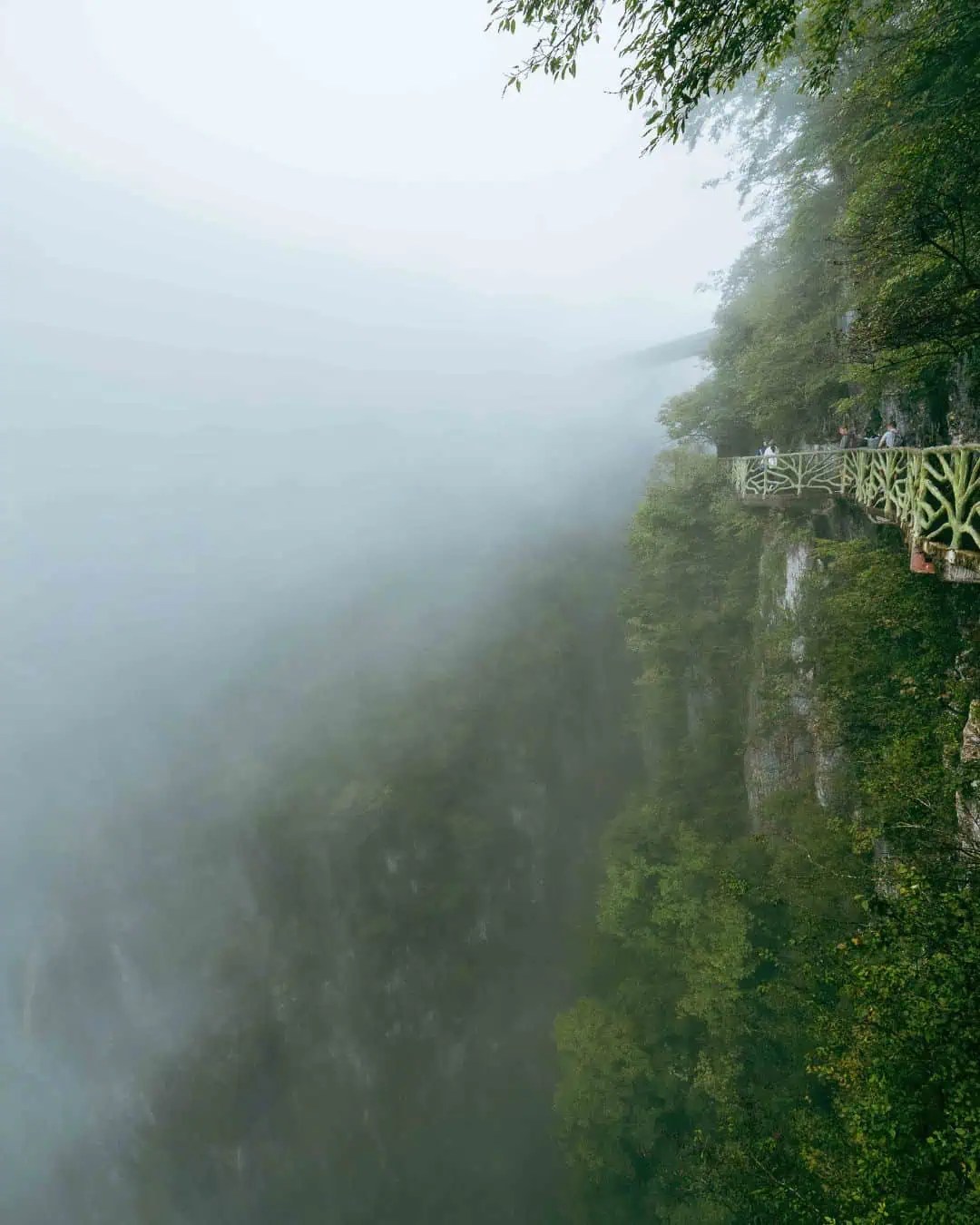
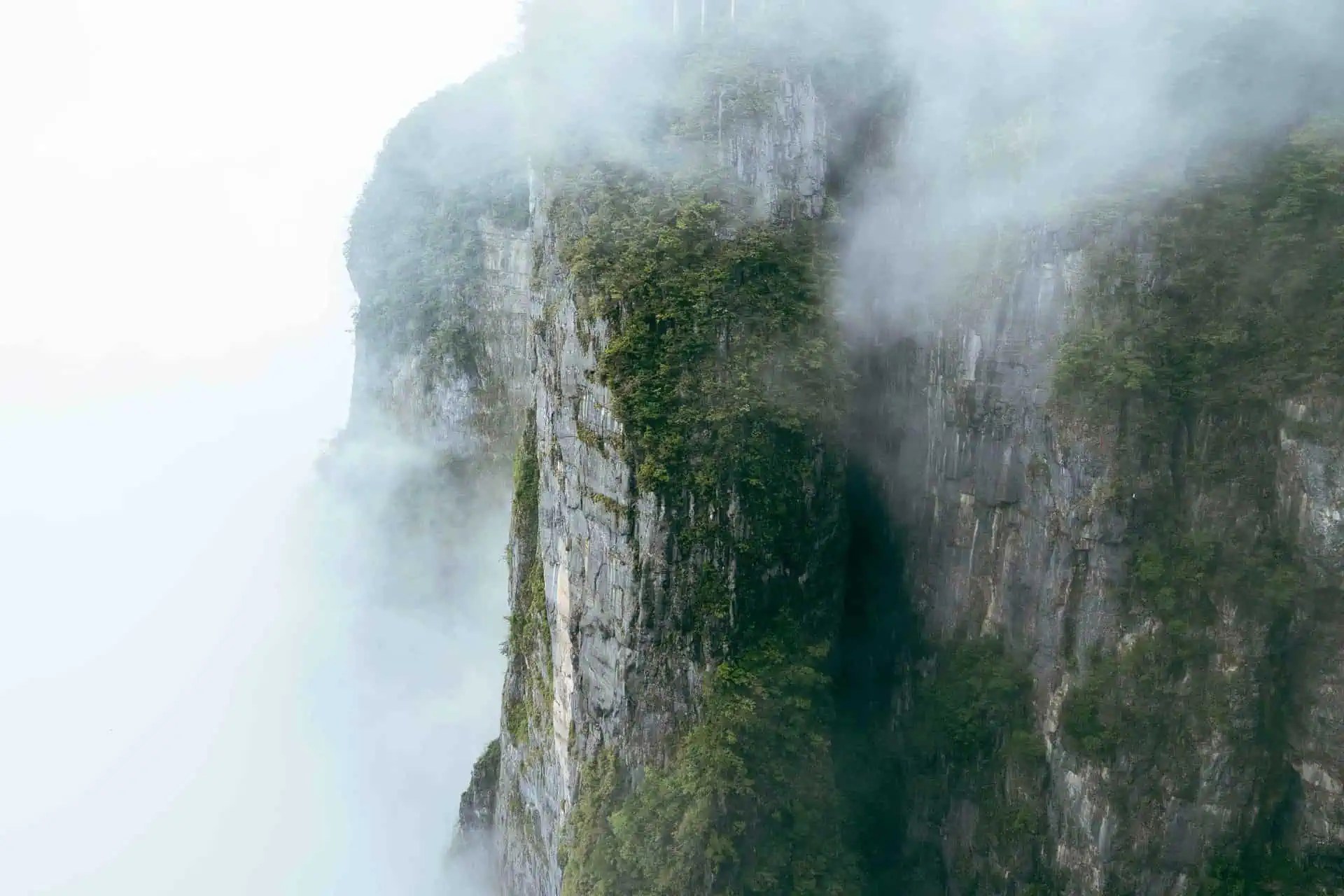
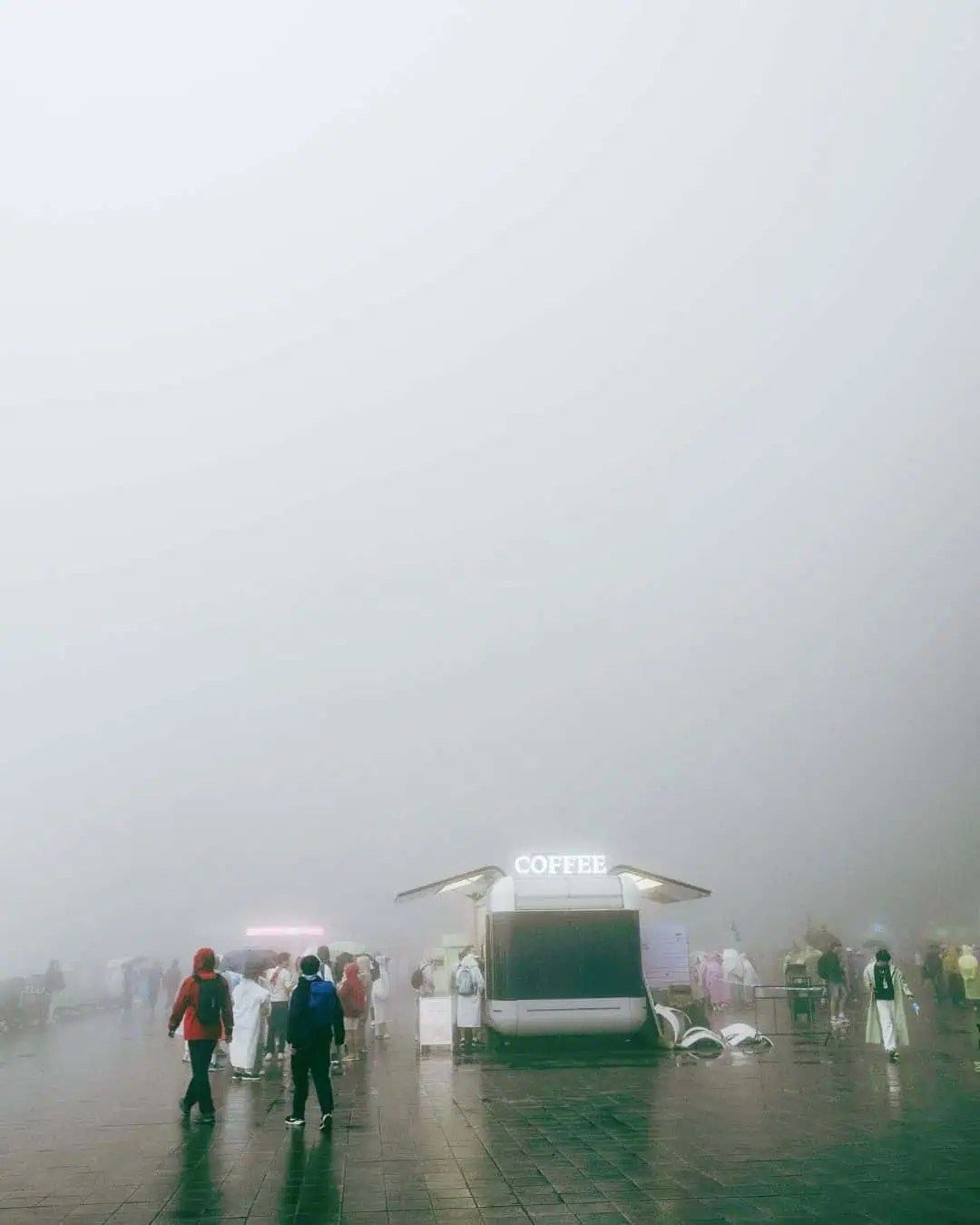
It was incredibly foggy, and for most of the day, we could barely see anything. We spent hours walking around in what felt like a giant white void, occasionally catching glimpses of the cliffs when the fog briefly lifted.
There was something pretty cool about watching the clouds move in and out of the mountains, though. At times, the fog would roll down the cliffs like a waterfall, creating its own kind of scenery.
And every so often, the clouds would part just enough for us to catch a glimpse of the mountain before everything disappeared again.
We stayed for most of the day, hoping the weather would clear. It wasn’t until the afternoon that we finally got a few brief views.
So, if you’re visiting Tianmen Mountain, be prepared for unpredictable weather. Even if the forecast looks reasonable, the mountain can be completely covered in clouds.
I’d check the weather before deciding when to visit, but I’d also keep your expectations flexible. If the mountain is covered in fog, you may not get those sweeping views you came for. We didn’t even get to see the famous cave because it was so foogy.
The Mountain Is Basically One Giant Staircase (With Escalators)
One thing that surprised me about Tianmen Mountain was just how much infrastructure there is up there.
There are cable cars, optional escalators, a mountain elevator, a ski lift, walking paths, and even a temple.
And the escalators? There are a lot of them.
I knew there would be some transportation infrastructure, but I wasn’t expecting so much of the mountain experience to involve riding escalators from one section to another. It felt a little ridiculous at times!
That said, the mountain is enormous, and the infrastructure makes it possible for many more people to explore areas that would otherwise require a lot of climbing.
Just make sure you understand which ticket package you’re buying and which transportation options are included. Some routes involve additional fees for optional escalators or other services.
If you can, I’d recommend asking the hotel people to help explain the routes as they can be confusing to look at.

Should You Visit Tianmen Mountain at Night?
There’s also a nighttime light show at Heaven’s Gate, along with the Fox Fairy (also known as Fox Romance) outdoor performance.
I was curious about seeing the show, but we ended up skipping it. The performance starts around 8:30 p.m., and getting back down and out of the mountain area afterward can take time.
If you’re interested in seeing the nighttime show, I’d look into the current schedule and ticket arrangements before planning your visit. You may want to spend the afternoon on the mountain and stay into the evening rather than trying to squeeze it into a shorter visit.
Just remember that you’ll need to plan your return transportation, especially if you’re staying farther from the city center.
Zhangjiajie Grand Canyon: Glass Bridge, Bungee Jumping & a Stunning River Walk
Zhangjiajie Grand Canyon is another attraction worth adding to your itinerary, especially if you’re looking for a little adventure alongside all the mountain scenery. It’s a separate attraction from Zhangjiajie National Forest Park, and compared with the massive forest park, it’s much smaller and easier to explore.
You can comfortably visit in half a day, although I’d allow a full day if you want to try several of the activities available throughout the canyon.
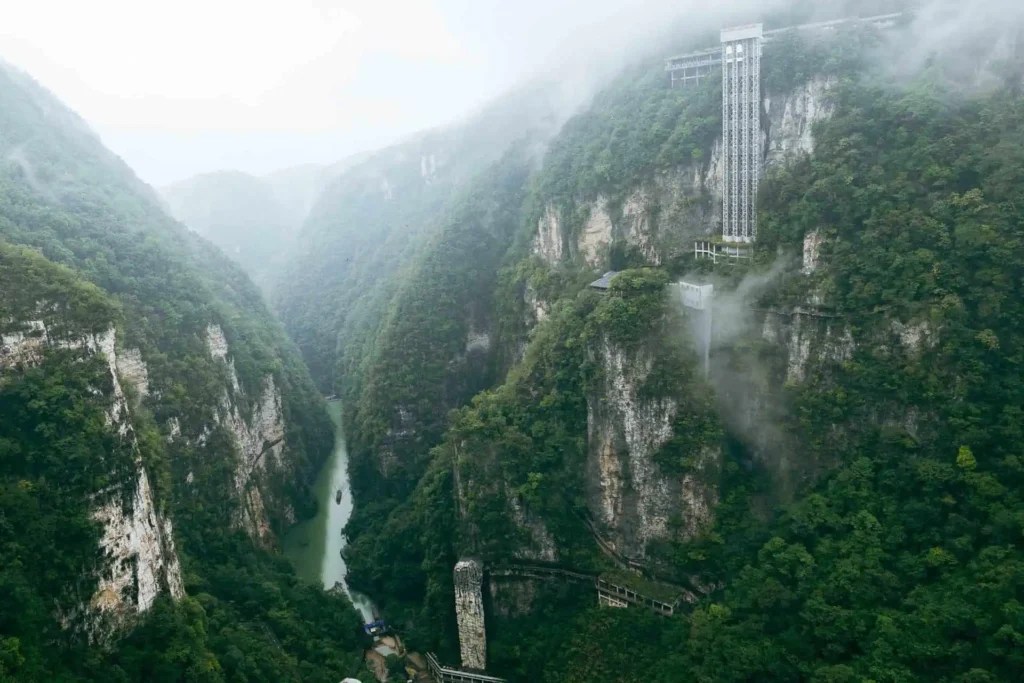
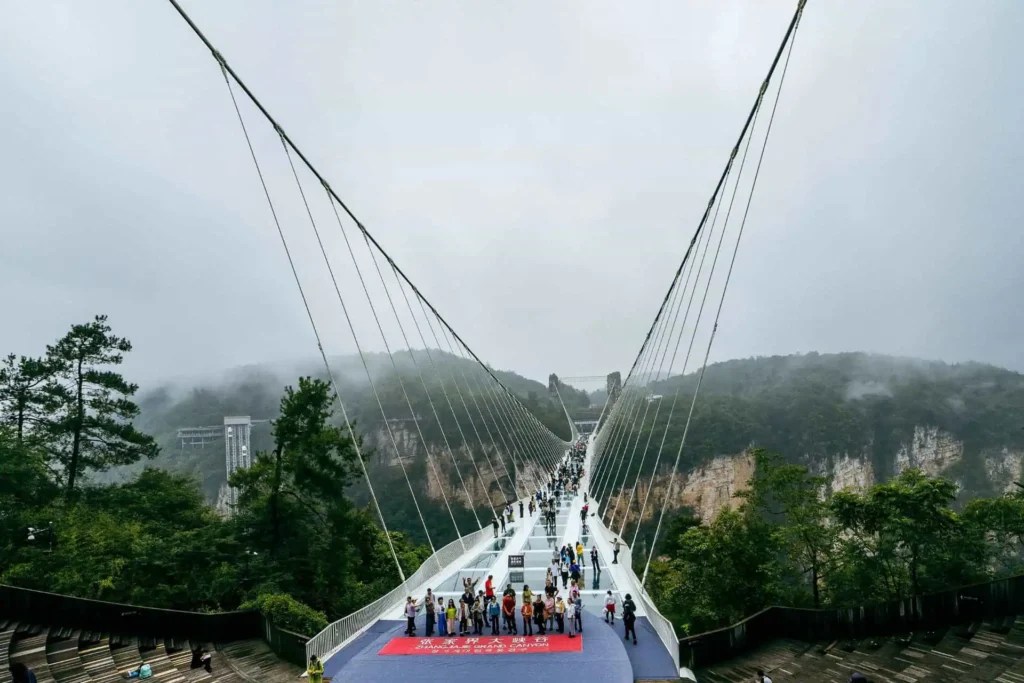
The most famous attraction is the glass bridge, which stretches across the gorge and gives you a dizzying view of the drop below. But there’s much more to do here than simply walk across the bridge!
Adventure Activities at Zhangjiajie Grand Canyon
If you’re an adrenaline junkie, this place has plenty to keep you busy. Beyond the glass bridge, you’ll find a whole collection of activities scattered around the mountain and canyon, including:
- Bungee jumping for a serious adrenaline rush.
- Ziplining for a different perspective of the surrounding landscape.
- Virtual reality experiences for something a little more high-tech.
- Slides and other adventure rides that make getting down the mountain part of the experience.
It’s almost like an adventure park built into the mountains, with plenty of options beyond the usual sightseeing. If you want to try several activities, check which ones are included in your ticket and which require separate bookings or fees.
My Favorite Part Was Actually Down by the River
As impressive as the glass bridge and all the activities are, my favorite part of Zhangjiajie Grand Canyon was actually the walk along the river at the bottom of the gorge.
From the main area near the bridge, you can follow the walking route down through the canyon toward the lower parking lot. This section was absolutely unreal.
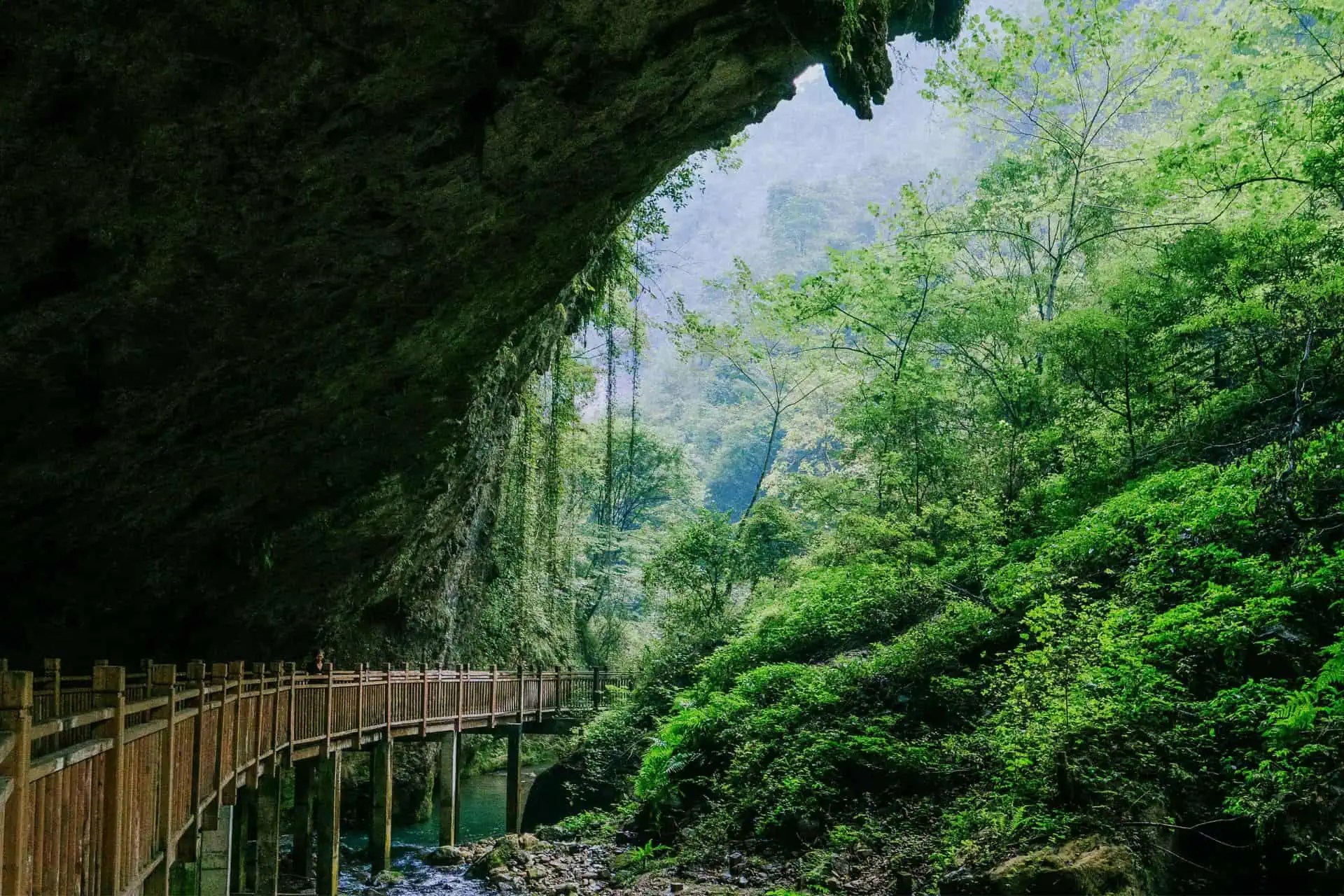
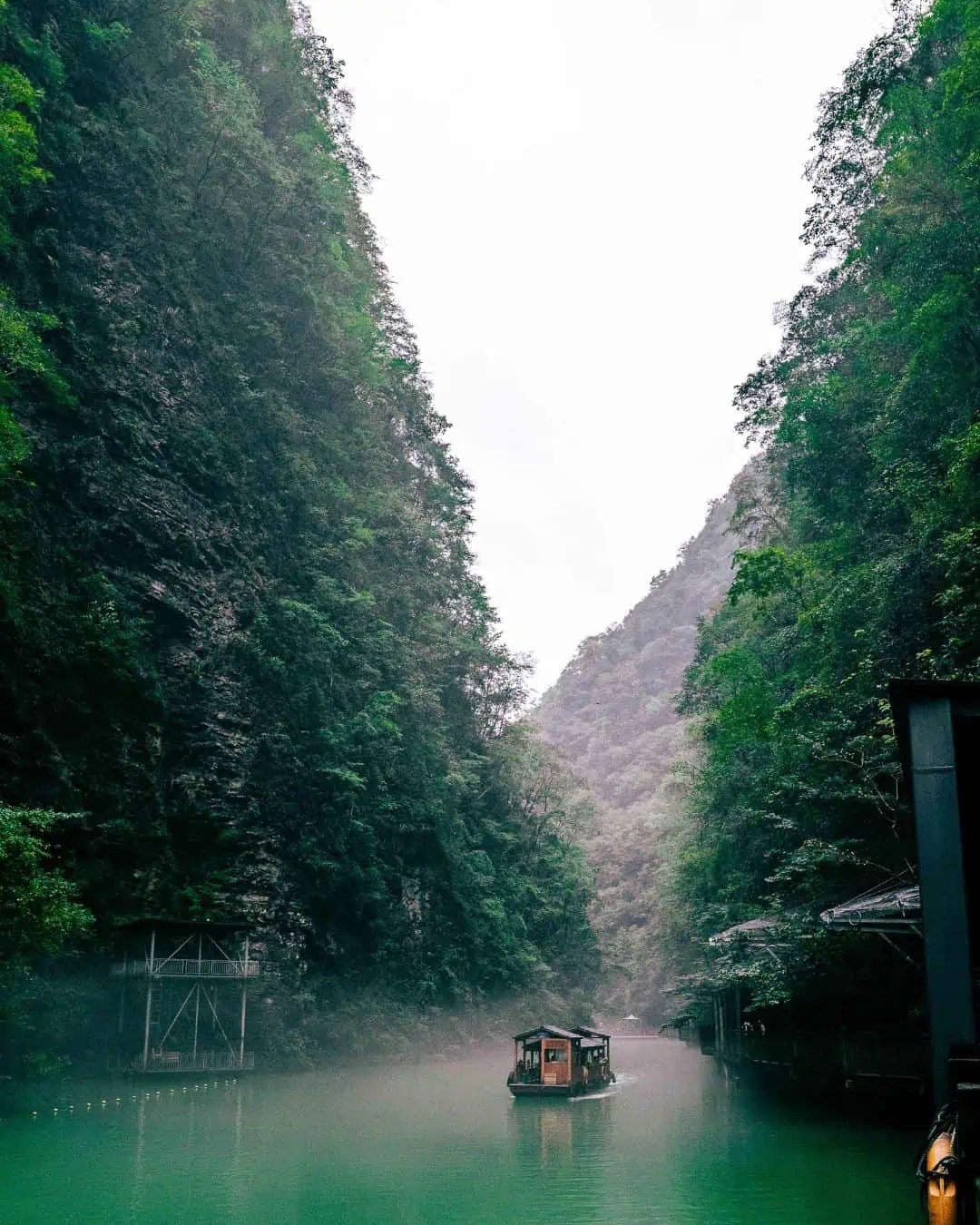
The trail winds alongside the river, with clear water flowing beneath towering cliffs that rise dramatically on either side. Being down at the bottom of the gorge gives you a completely different perspective from standing on the bridge above. Instead of looking down into the canyon, you’re surrounded by its enormous rock walls.
There’s also a short boat ride along the way, which gives you another chance to take in the scenery from the water. Floating through the gorge with those towering cliffs all around us was one of my favorite moments of the visit.
Honestly, I think this section is easy to overlook when so much attention goes to the glass bridge and the adrenaline activities, but the natural scenery down by the river was the highlight for me.
- My tip: Don’t just visit the glass bridge and leave! Make time for the walk through the canyon itself. Even if you’re not interested in bungee jumping or the other adventure activities, the river trail alone makes the visit worthwhile.
- I’d allow at least half a day to enjoy the main attractions and walk through the gorge without rushing. If you want to try the various rides and activities as well, plan for a full day and check the current operating schedule before you go.
Buying Tickets for Zhangjiajie: What You Need to Know
One thing I’d recommend planning ahead for is buying your tickets. Zhangjiajie’s major attractions can get extremely busy, particularly during Chinese public holidays and peak travel seasons, and leaving everything until the last minute can limit your options.
Book Early During Peak Season
If you’re visiting during peak season, I’d recommend booking your tickets at least a week in advance, or even earlier if possible.
Popular attractions can sell out, and some tickets have timed entry slots. If you have the option, I’d aim for an earlier entry time so you have as much of the day as possible to explore.
This is especially important for Zhangjiajie National Forest Park, where the huge size of the park means you’ll want plenty of time to get between scenic areas.
Where to Buy Tickets
Here’s what I’d recommend for the three main attractions we visited.
Tianmen Mountain
You can look for tickets through Trip.com or Klook. Pay attention to the ticket type and route options, as different packages may include different cable car arrangements or additional transportation. We took Route B – took the cable car up and then drove down the long winding mountain road back to the entrance.
Zhangjiajie Grand Canyon
Trip.com and Klook are also convenient places to check for Grand Canyon tickets. If you want to try activities such as bungee jumping or ziplining, check whether they’re included in your ticket or need to be purchased separately.
We picked Line B as we only wanted to cross the Glass Bridge and wander around. We had to pay separately for the lifts.
Zhangjiajie National Forest Park
This is the one attraction where I’d recommend asking the hotel you’re staying at about ticket options before booking independently.
Our hotel offered access to an exclusive four-day unlimited-ride ticket covering the main shuttle buses, cable cars, and lifts within the park. Having that flexibility is incredibly useful when you’re spending several days exploring different scenic areas.
Rather than having to plan every ride individually, you can move around the park more freely and adjust your itinerary as you go.
I’d ask your accommodation whether they offer this package, which transportation services are covered, and whether any attractions or rides require separate tickets. Confirm the current terms before purchasing, as packages and inclusions can change.
Tip: Both platforms are competitive with pricing, but I would still cross reference them as sometimes they run sales. I also found that Klook had more availability. Several times Trip.com had sold out the day and time slot i wanted and i found it on Klook instead!
Discounts for Older Visitors
If you’re visiting with older family members, it’s worth checking the age-based ticket discounts before booking.
During our visit, the general age categories to look into were:
- Ages 60–64: Discounted admission tickets may be available.
- Ages 65 and older: Eligible visitors may receive free admission to the national forest park, although internal transportation such as cable cars, elevators, and shuttle services will still need to be paid for separately.
Make sure to check the current rules for each attraction, as age thresholds, eligible ticket types, and documentation requirements can differ. The free entrance ticket DOES NOT include the transportation needed to reach the main viewpoints.
My biggest ticket-buying tip: Book popular attractions early, but take a little extra time to compare ticket packages before buying. In a place as large as Zhangjiajie, the right transportation ticket can make your visit much easier and give you far more flexibility.
Other Places to Visit Near Zhangjiajie
If you’re spending five days or more in the area, there are several other attractions you can add to your itinerary.
Huanglong Cave
Huanglong Cave is a large karst cave system known for its dramatic rock formations, underground spaces, and illuminated stalactites and stalagmites.
It’s a good option if you want a break from hiking outdoors, particularly on a rainy day or when the mountain views aren’t cooperating.
Furong Ancient Town
Furong is a historic town built around a spectacular waterfall, with traditional-style buildings perched along the cliffs.
It’s undeniably scenic, especially when the waterfall is flowing, but it’s also quite commercialized and set up for tourism.
If you’re looking for a picturesque ancient town to visit while exploring the wider region, it’s worth considering.
Fenghuang Ancient City
Fenghuang, also known as Phoenix Ancient City, is another popular destination known for its riverside buildings, bridges, and traditional architecture.
Like Furong, it’s a very tourist-oriented destination these days. It’s beautiful to photograph, but I’d manage my expectations if you’re hoping to find a quiet, untouched historic town.
Both Furong and Fenghuang can be good additions to a longer trip, depending on how much time you have and whether you enjoy exploring historic towns as much as natural landscapes.
When Is the Best Time to Visit Zhangjiajie?
Zhangjiajie is known for its misty mountain scenery, but there’s a difference between atmospheric clouds and fog so thick you can’t see the next viewpoint!
Weather can change quickly in the mountains, and visibility can vary dramatically throughout the day. You might spend hours looking at a wall of white before the clouds briefly clear.
If you’re visiting mainly for photography and panoramic mountain views, try to leave some flexibility in your itinerary so you can adjust your plans around the weather.
It’s also worth checking China’s public holiday calendar before booking. We visited around the Mid-Autumn Festival and left the national forest park early on our final morning to get ahead of the crowds.
Major holidays can make popular attractions significantly busier, so visiting on weekdays and arriving early can make a real difference.
Practical Tips for Visiting Zhangjiajie
Before you go, here are a few things I’d keep in mind.
- Give the national forest park at least two full days. It’s too large to see everything comfortably in a single day.
- Stay near the entrance that suits your itinerary. The East Gate is convenient for the Avatar Mountains, while the South Gate offers a quieter base for exploring areas like Golden Whip Stream and Huangshi Village.
- Don’t assume every hike is easy. Some routes involve thousands of steps, steep climbs, or long descents. Check the elevation and distance before deciding to walk between scenic areas.
- Use the cable cars strategically. Unless you genuinely want the exercise, they’re often worth the extra cost and can save you a lot of time and energy.
- Ask locals for help planning your route. The transportation system can be confusing, and your hotel owner may be able to recommend a more efficient route based on the areas you want to see.
- Expect unpredictable mountain weather. Fog can completely obscure the views, even if the scenery is beautiful when it clears.
- Arrive early at popular viewpoints. This is especially helpful at Huangshi Village and other busy areas, where an early start can make the experience much more peaceful.
- Keep your distance from the monkeys. Don’t feed them or approach them for photos. They’re wild animals, not park attractions.
- Bring a paper map, but use your phone for distances. The paper map helps you understand the layout, while your phone gives you a better sense of how far you’ll actually need to walk.
- Don’t try to do everything. Zhangjiajie is one of those places where it’s easy to pack too much into your itinerary. Pick the areas you’re most excited about and give yourself enough time to enjoy them.
Is Zhangjiajie Worth Visiting?
Absolutely!
Even with the fog at Tianmen Mountain and the occasional confusion navigating the national forest park, Zhangjiajie was one of the most memorable places we visited in China.
The sandstone pillars are unlike anything I’d seen before, and the scale of the landscape is difficult to appreciate until you’re standing among the mountains yourself.
I especially loved staying near the South Gate and spending time in the quieter areas of the park. Huangshi Village and Golden Whip Stream ended up being highlights of our trip, even though they don’t always get as much attention as the famous Avatar Mountain viewpoints.
My biggest takeaway is that Zhangjiajie deserves more than a rushed one-day visit. There’s so much to explore beyond the iconic mountains, and giving yourself a few extra days makes it easier to experience different parts of the region without constantly rushing from one attraction to the next.
If you’re planning a trip to China and love hiking, photography, or dramatic natural scenery, I’d definitely add Zhangjiajie to your itinerary. Just bring comfortable shoes, plan your routes ahead of time, and cross your fingers for clear skies!
Explore More of China 🇨🇳
Planning to explore more of China? Check out my other China travel guides for more tips, favorite places, and adventures around the country!
Love the photos from this trip? I also sell prints of these landscapes and more of my travel photography in my Etsy shop, Night Star Studio. If you’d like to bring a little piece of your travels home, feel free to take a look!


