
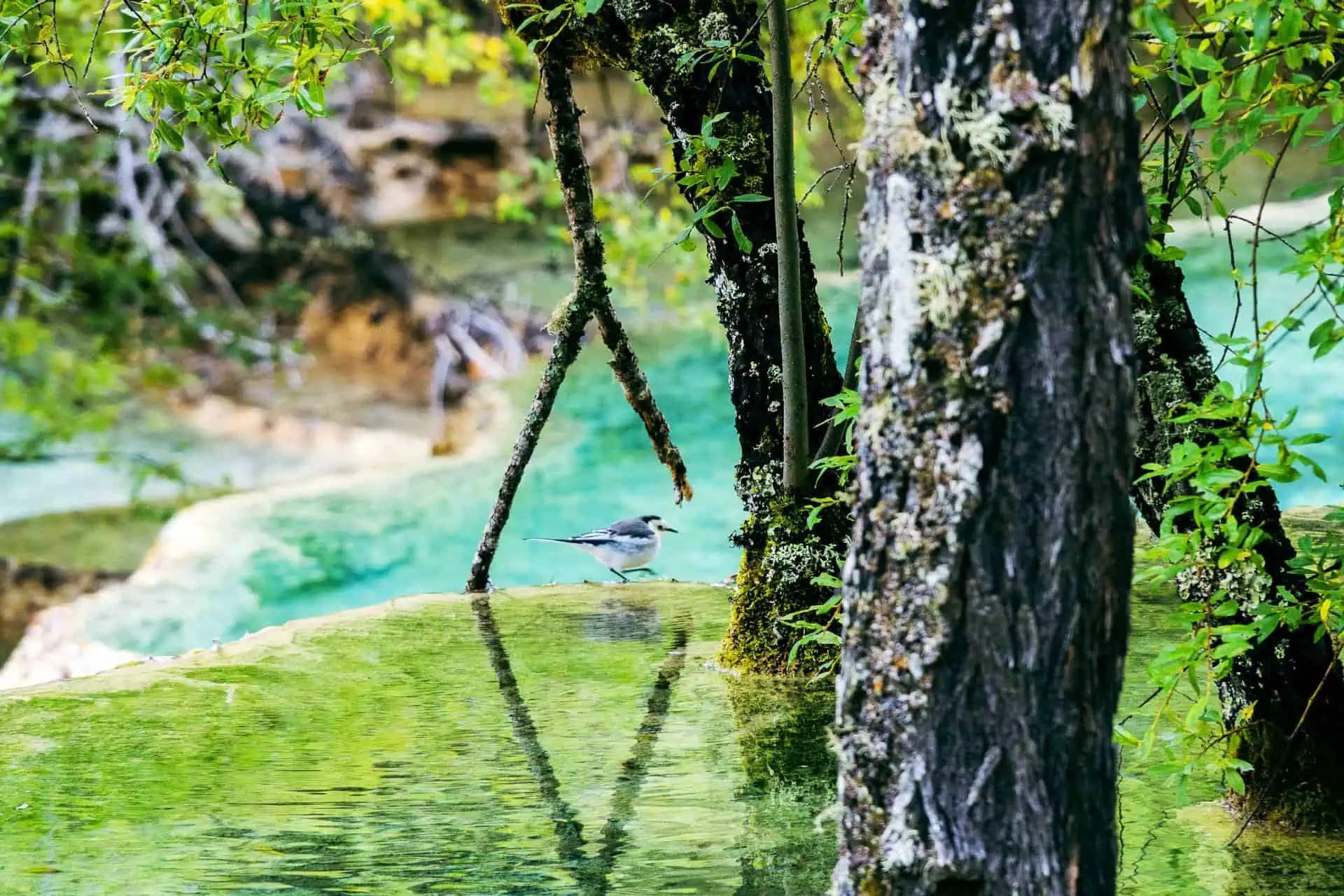
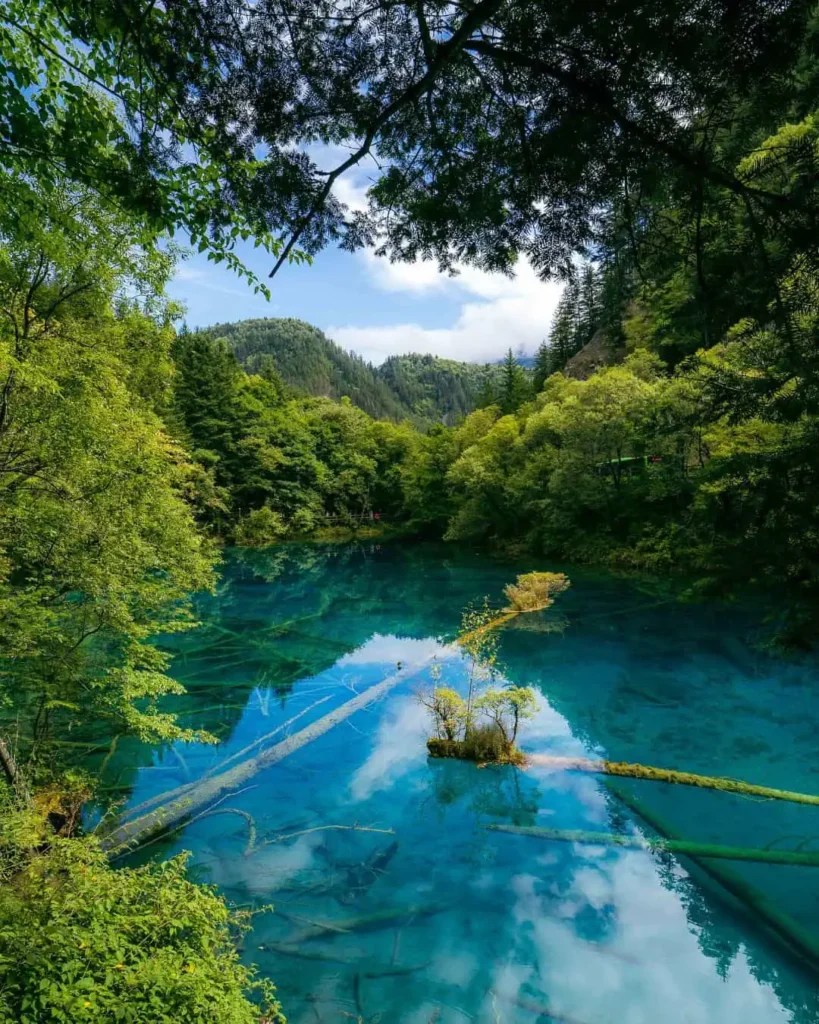
I’ve hiked quite a bit in the mountains around the world, but I’d never seen water like this. The lakes in Huanglong and Jiuzhaigou National Parks are unbelievably clear, with vibrant shades of blue and turquoise that don’t look real. Even more surprising, both parks are pristine despite the crowds.
Tucked into the mountains of northern Sichuan, these two UNESCO World Heritage Sites make a popular addition to any China trip. Huanglong is known for its colorful terraced pools, while the much larger Jiuzhaigou is famous for its lakes and waterfalls. Both are worth visiting, although Jiuzhaigou draws far bigger crowds.
In this guide, I’ll share our three-night itinerary, including how to get there from Chengdu, where to stay, and tips for exploring both parks.
P.S. This post contains affiliate links. If you use my links to make a purchase, I’ll get a small commission at no extra cost to you. Thanks for your support!
Huanglong and Jiuzhaigou National Parks Guide:
Huanglong and Jiuzhaigou National Parks: What’s the Difference?
Although they’re often visited together, Huanglong and Jiuzhaigou offer twodifferent experiences.
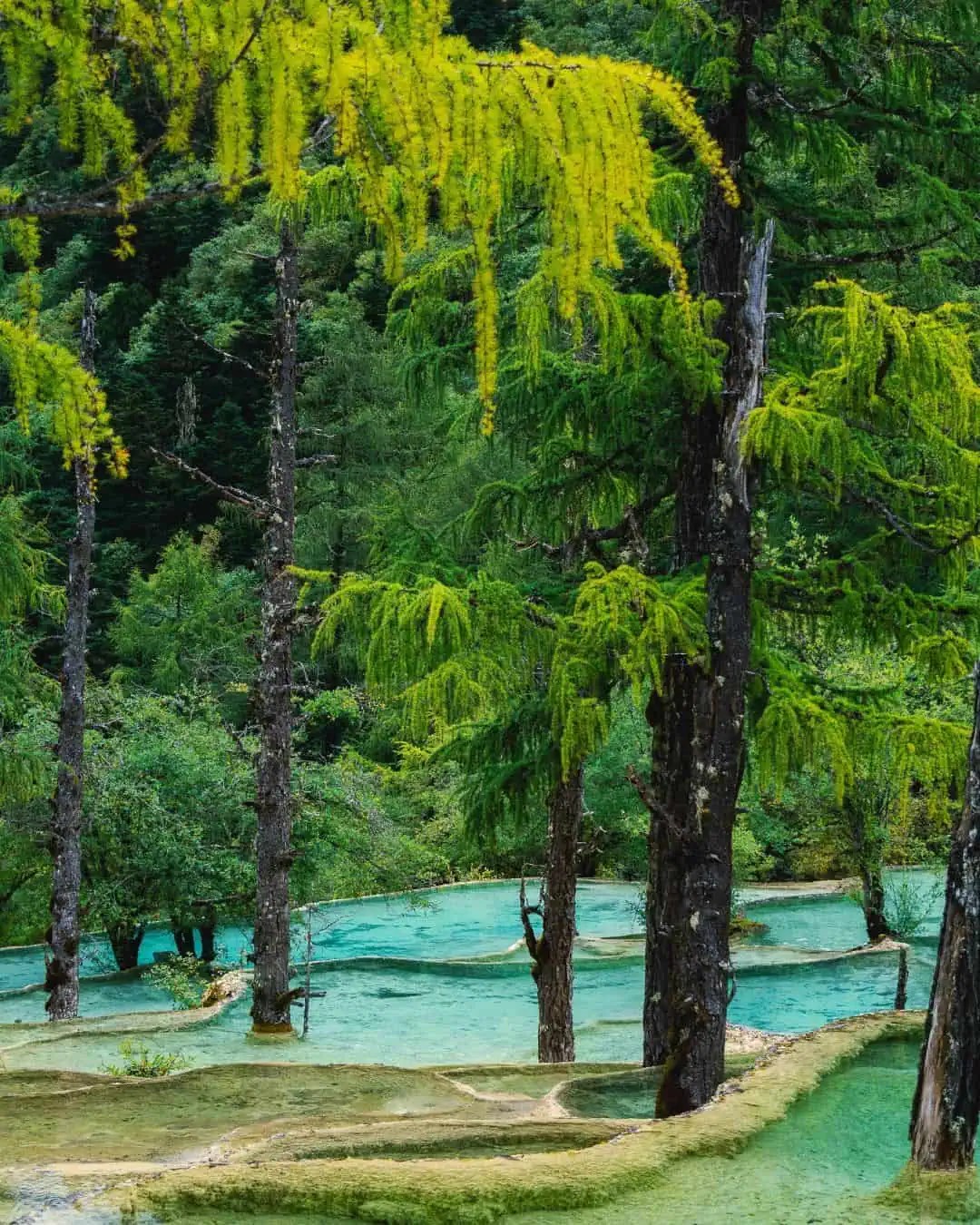
Huanglong National Park is smaller and best known for its cascading terraced pools, which form colorful natural steps along the mountainside. The mineral-rich water ranges from pale turquoise to deep blue, surrounded by forests and mountain scenery. You can see the main highlights in half a day, making it an easy stop on the way to or from Jiuzhaigou.
Jiuzhaigou National Park, on the other hand, is much larger and famous for its crystal-clear lakes, vibrant blue and green water, waterfalls, and forested valleys. The park is shaped like a Y, with two main branches filled with different scenic areas. There’s much more ground to cover here, and you’ll want to set aside a full day to explore the highlights.
Both parks are beautiful, and I’d highly recommend visiting both! If you’re short on time, I’d pick Jiuzhaigou for its incredible variety of lakes, waterfalls, and scenery.
The biggest downside is the crowds. Jiuzhaigou gets especially busy during the summer and Chinese public holidays, and even with its extensive shuttle bus system, the constant flow of visitors can make exploring pretty exhausting. Huanglong, by comparison, felt much more relaxed for us, especially on the quieter hiking trails.

Getting to Huanglong and Jiuzhaigou National Parks From Chengdu
The easiest way to reach the parks from Chengdu is by high-speed train followed by a bus or taxi.
Step 1: Take the High-Speed Train From Chengdu
We took the high-speed train from Chengdu East Railway Station to Huanglong-Jiuzhaigou Railway Station, which sits between the two parks. The journey takes around two hours.
I recommend booking your train in advance on Trip.com especially during peak season.
Step 2: Arrange Transportation to the Parks
From the railway station, you can take a connecting bus or taxi to either park:
- Huanglong: Around 40 minutes by bus
- Jiuzhaigou: Around two hours by bus
Important tip: Book connecting bus tickets in advance through Trip.com or Klook. We found that tickets weren’t sold directly at the station.
You can also book a tour from Chengdu that includes transportation, or take a taxi. We paid around 120 RMB for a taxi to Huanglong.
There may be other travelers looking to share a taxi at the station, and staff can help organize shared rides. However, I wouldn’t count on this if you’re arriving later in the day. We hoped to split a cab with other visitors, but everyone was heading to Jiuzhaigou, so we ended up taking a taxi by ourselves.

Visiting Huanglong National Park
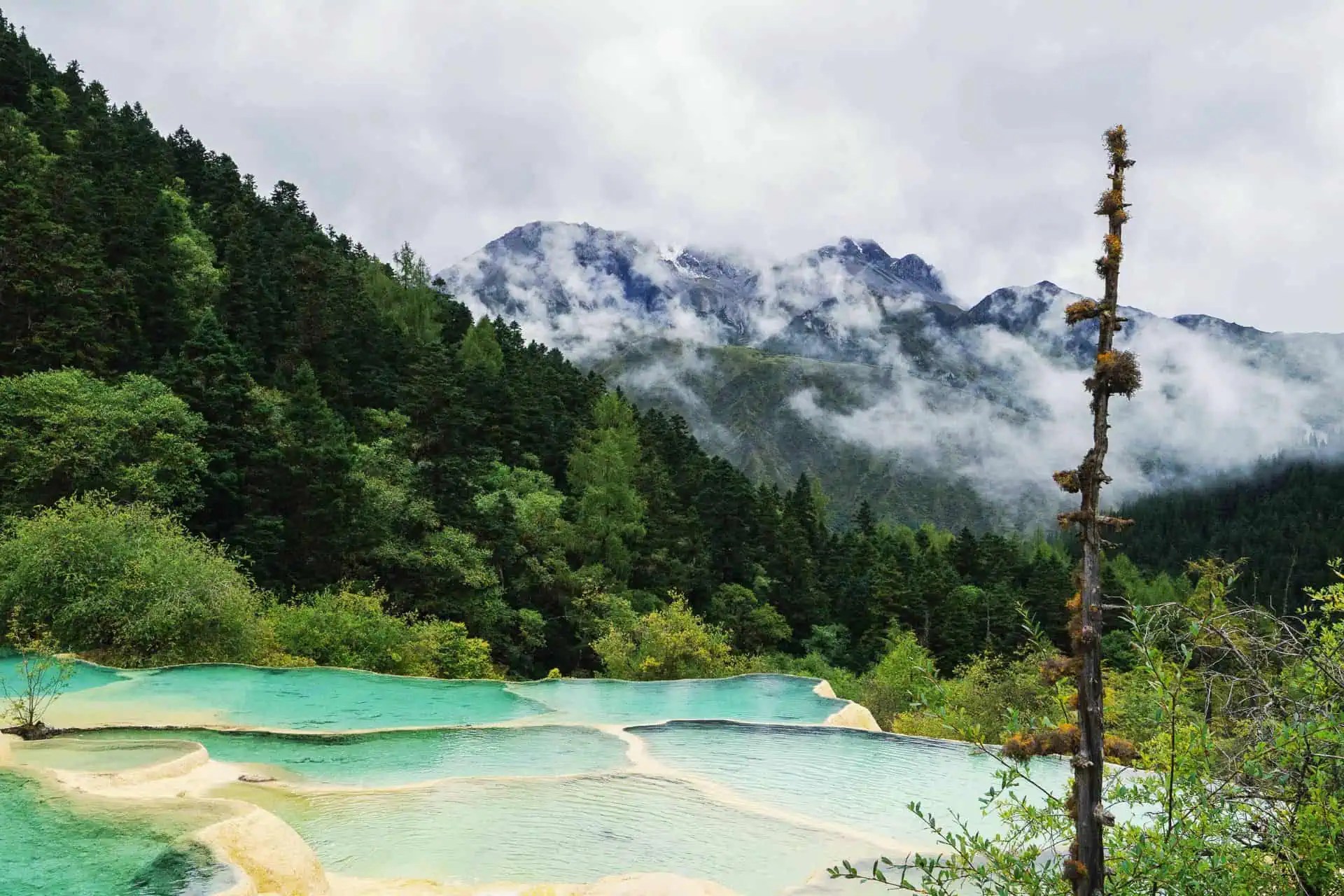
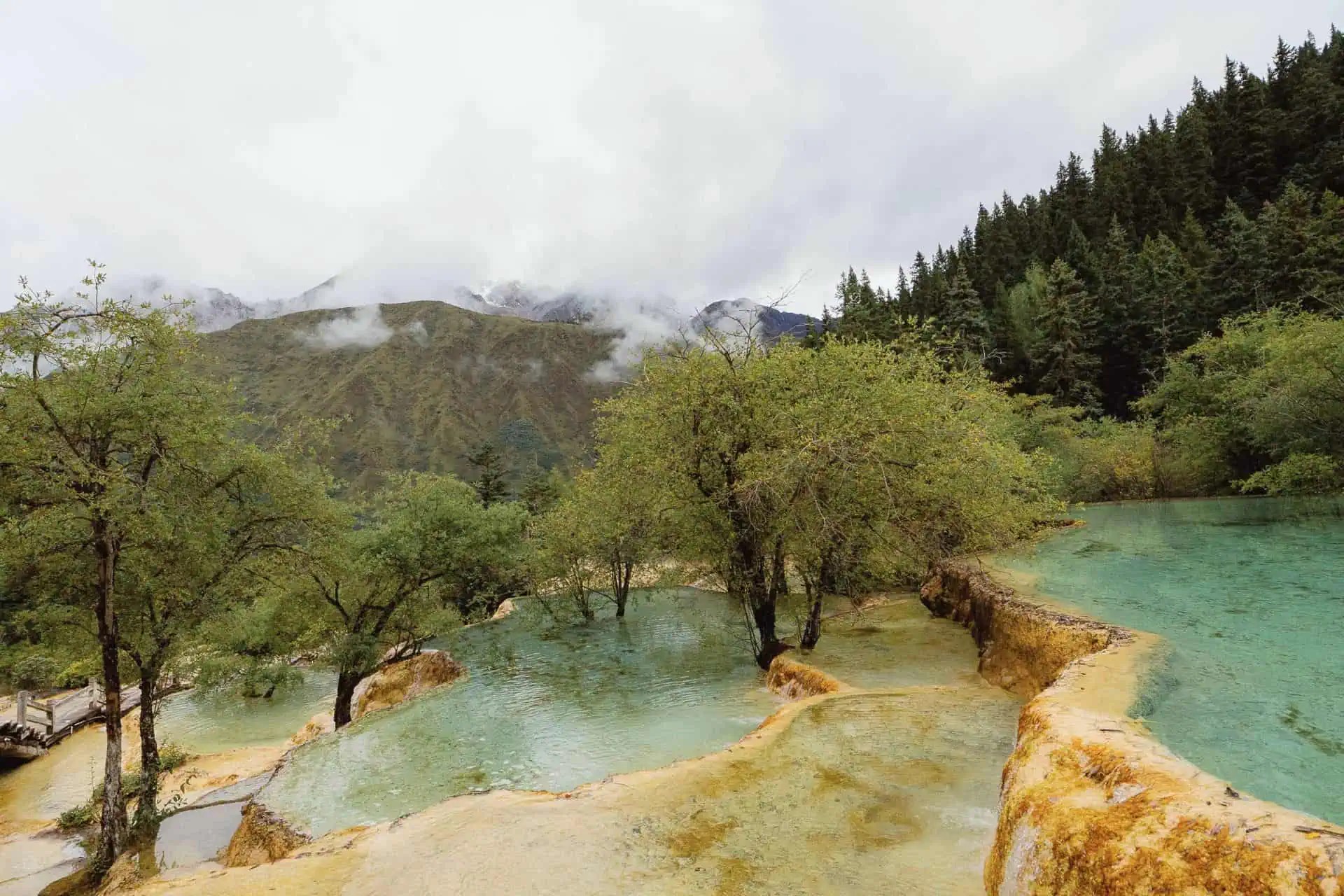
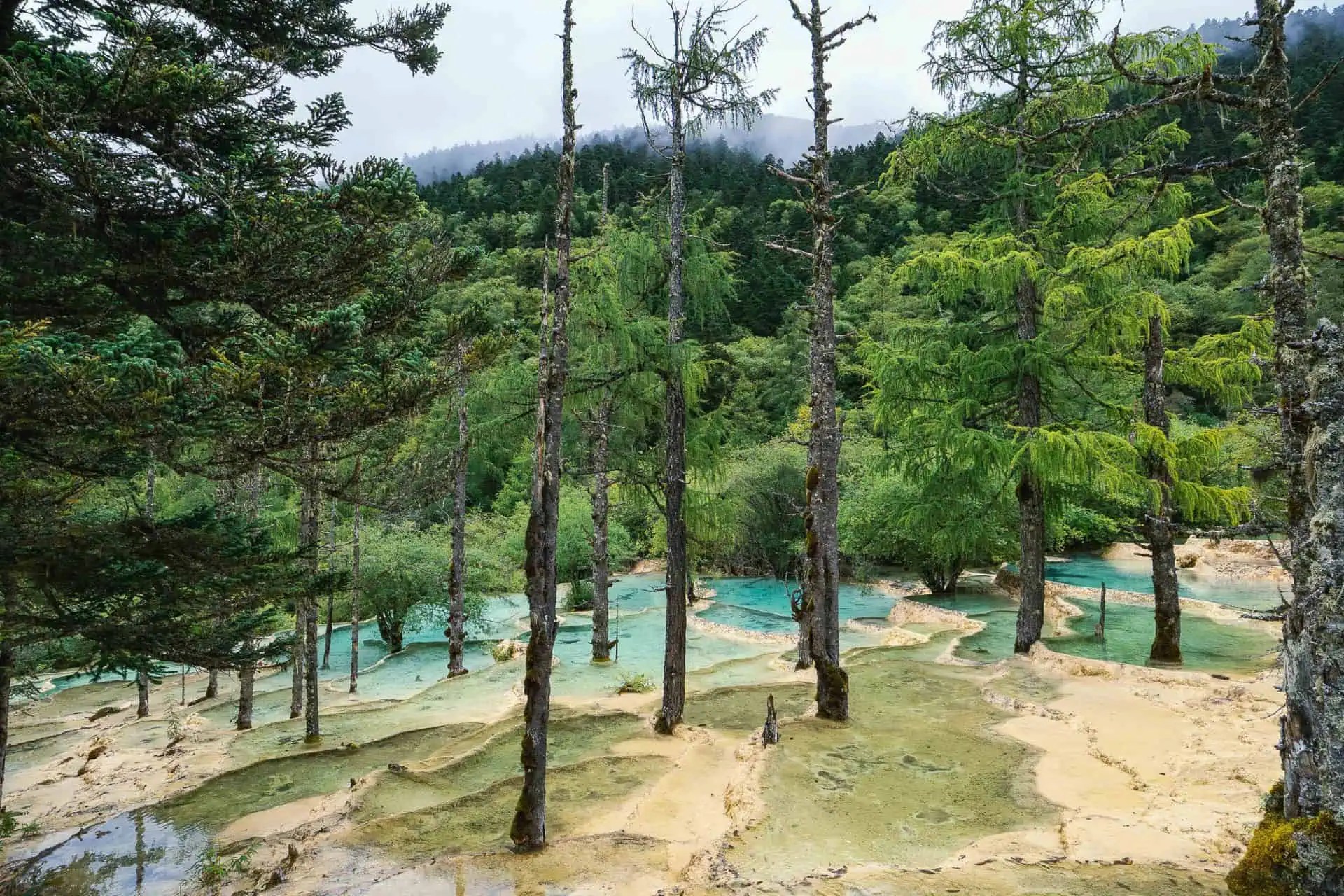
Huanglong is famous for its colorful terraced pools, which cascade down the mountainside like natural infinity pools. The bright turquoise water against the surrounding forest is incredible.
Huanglong is also relatively compact, so you don’t need a full day to explore its main highlights. Most visitors take the cable car up the mountain and walk back down to the entrance, though hiking both ways is another option if you’re up for the climb.
Where To Stay in Huanglong National Park
We stayed at Chengxi Hotel, which included breakfast and a free ride to the park entrance. Many hotels in the area offer transportation, but check the listing before booking.
We arrived around 5 p.m. the evening before our visit, settled into our room, and had dinner at the hotel. It was a relaxing start before an early morning at the park.
Huanglong National Park Route
After breakfast the next morning, our host drove us to the park entrance. Along the way, they explained the two main options: hiking up or taking the cable car. We bought our entrance tickets here on Trip.com.
Tip: There’s free luggage storage near the main park entrance and by the cable car. We left our bags there while exploring, which was much easier than having to return to the hotel afterward.
We entered the park at around 8:30 a.m. and headed straight for the trail.
Should You Take the Huanglong Cable Car?
This depends on how much you enjoy hiking and how well you handle altitude.
Huanglong’s cable car takes you most of the way up the mountain. From there, you can take a short shuttle ride and hike the remaining distance to the famous Five-Color Ponds near the top.
One thing to know is that the cable car station is separate from the main park entrance and requires it’s own ticket. From Parking Lot 3, you can take a shuttle to Parking Lot 4 or walk for around 15 minutes.
At the time of our visit in September 2026, the cable car cost 80 RMB uphill and 40 RMB downhill.
Most visitors take the cable car, and the hotel owner was surprised when we told them we wanted to hike! One note about the Chinese: most of them don’t actually like hiking. If there’s a choice between transit and walking, a good 90% will take the transit option.
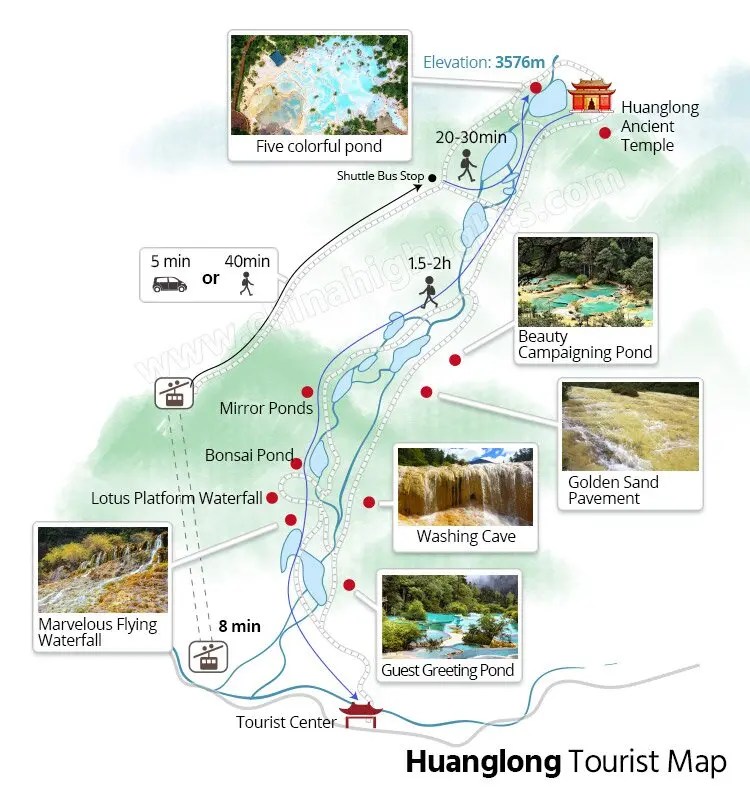

Altitude is another important consideration. The upper part of Huanglong sits above 3,200 meters (10,500 feet), which can be challenging if you’re not used to the elevation. Oxygen canisters are sold in and around the park, and we saw plenty of visitors using them while struggling with the altitude.
The main hiking trail is 3.6km (2.2 miles) and follows the same route up and downhill, while the cable car runs along a separate part of the mountain. Since we didn’t take it, I can’t speak to the views from the cable car itself.
We hiked both up and down. It was a workout, but I’m glad we did!
For roughly the first 60% of the uphill trail, we only saw a handful of other hikers, mostly international visitors. The path, a well maintained wooden boardwalk, wound through the forest, with views of the colorful pools along the way.
As we got closer to the top, we started running into the crowds that took the cable car. The trails and pools became noticeably busier the higher we climbed.
My recommendation: If you enjoy hiking and feel comfortable with the elevation, I’d hike up. The peaceful trail in the early morning was one of my favorite parts of Huanglong.
The Five-Color Pond
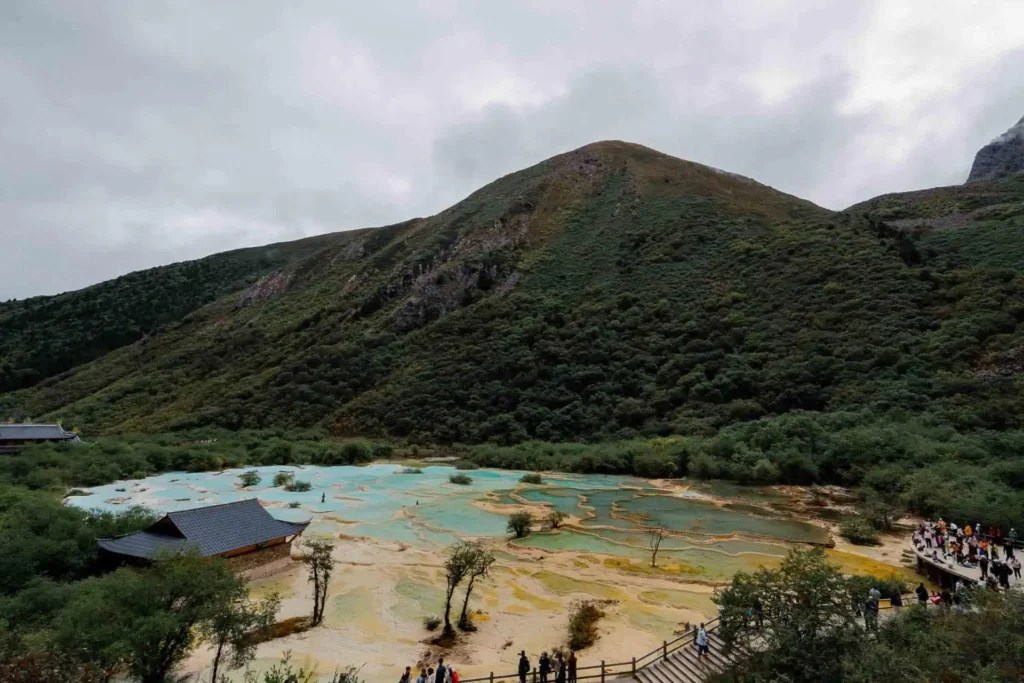
The Five-Color Pond sits at the summit of Huanglong, 3,576 meters (11,732 feet), and is the park’s crown jewel.
These colorful pools form as mineral deposits build up over time, creating natural terraces filled with brilliant shades of blue, turquoise, and green. The exact colors shift with the light and water depth, giving the pools their name.
This is also the busiest part of the park. The pools are beautiful, but the packed boardwalks can make it difficult to stop and enjoy the views without getting caught in the crowds.
Even so, they’re absolutely worth seeing. The vivid water, pale mineral formations, and forested mountains make this one of Huanglong’s most memorable sights

Take the Forest Trail Down
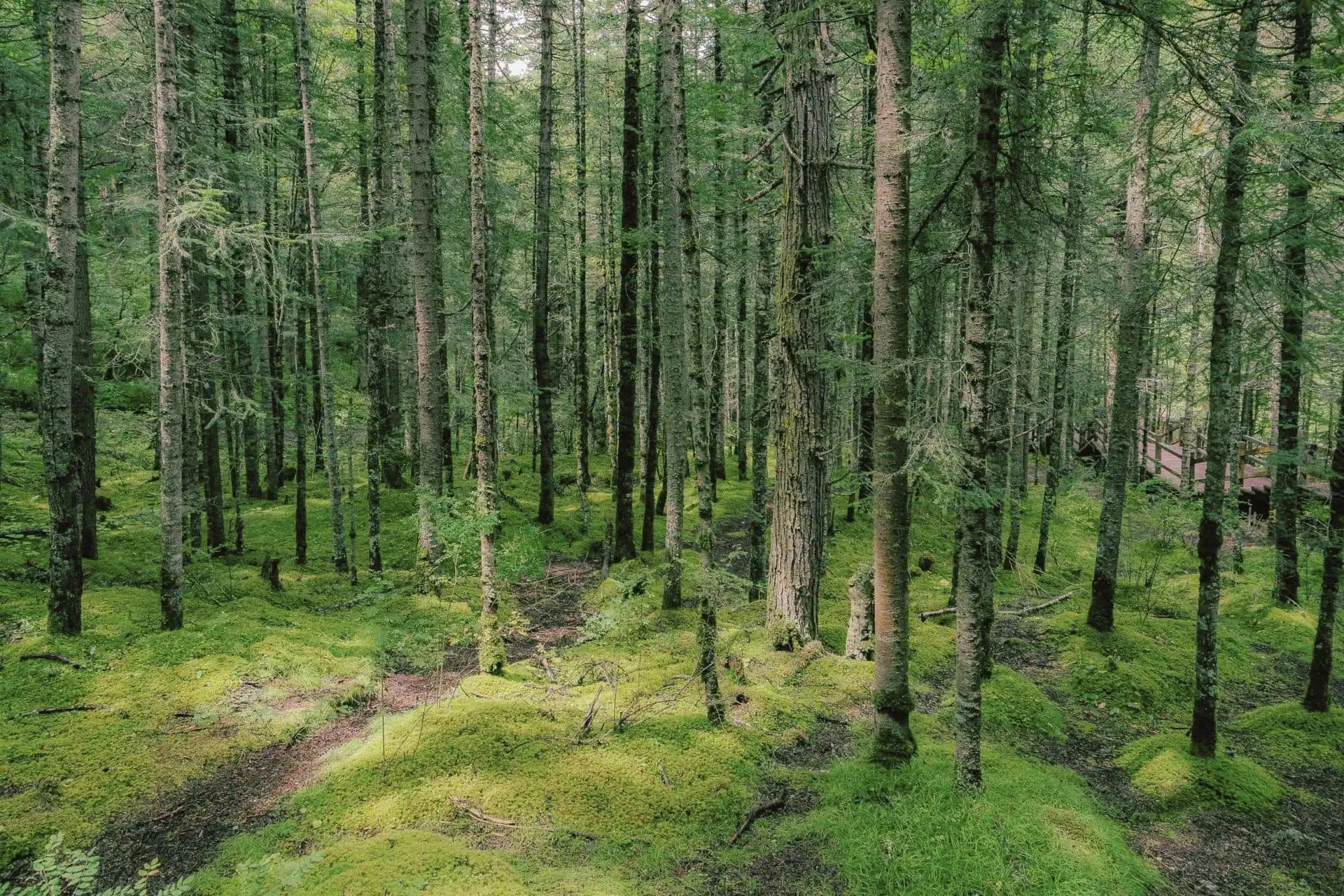
After visiting the Five-Color Pond, we headed back down via the forest trail, which branches off from the main scenic route and winds through a more wooded part of the park.
There are still viewpoints and colorful pools along the way, although the views aren’t quite as open as those from the main trail.
This ended up being another highlight of our visit. While the main route grew increasingly crowded, the forest trail was almost completely empty. It was a much more peaceful way to descend, and we still got to see plenty of the park’s beautiful pools.
If you’re hiking, I’d recommend taking this trail down rather than retracing your steps. Having a quieter route made the walk back much more enjoyable.
We finished exploring around 1 p.m. and grabbed lunch at the tourist center before catching our bus to Jiuzhaigou.
How to Get From Huanglong to Jiuzhaigou
We booked our tickets the night before and caught the 2 p.m. bus to Jiuzhaigou.
The bus schedule was actually the main reason we decided to spend just one night in Huanglong. There were no morning public buses when we visited, and the first departure wasn’t until 2 p.m. Staying a second night would have meant waiting until the following afternoon to leave.
A few things are worth knowing about this service:
- Book ahead. We purchased our tickets on Trip the night before.
- Arrive early and check in with the staff. Your ticket doesn’t guarantee a seat on a specific bus. Buses operate on a first-come, first-served basis and leave when full, so check in with the staff in the parking lot when you arrive.
- Board at the first stop if possible. The bus departs from Parking Lot 3 near the main park entrance, then stops at Parking Lot 4 near the cable car area. Boarding at Parking Lot 3 gives you a better chance of finding a seat.
- Allow plenty of travel time. The drive took us around three and a half hours, with traffic through the villages and around the Jiuzhaigou park entrance.
By the time we arrived in Jiuzhaigou, we were ready to check into our hotel and get some rest before another early start the next morning.
Visiting Jiuzhaigou National Park
If Huanglong impressed us with its colorful terraced pools, Jiuzhaigou completely blew us away with its lakes.
The water here is crystal clear, with shades of blue and turquoise that look photoshopped. You can often see fallen tree trunks beneath the surface, and the combination of clear water, waterfalls, and surrounding forests makes the entire park photogenic.
There’s a reason Jiuzhaigou is one of China’s most famous and busiest national parks.
Every day Jiuzhaigou receives high numbers of visitors, and during our visit, the crowds were nonstop. Even though the park has an efficient shuttle bus system, the crowds made getting around tiring.
It’s a place where I appreciate how beautiful the scenery and while feeling completely overstimulated.
Where to Stay in Jiuzhaigou
We stayed at Rundou International Hotel, right next to the bus drop-off station and about a 10-minute walk from the park entrance.
I’d recommend staying within walking distance if your budget allows. Traffic around the entrance gets hectic, and being able to walk to and from the park saves you from waiting for transportation at the beginning and end of a long day.
Jiuzhaigou National Park Tickets and Shuttle Buses
Jiuzhaigou is much larger than Huanglong, but you can still see the main highlights in one day if you arrive early and plan your route.
At the time of our visit in September 2026, admission cost around $42 USD per person, with tickets valid for one day. Visitors 60+ qualify for free admission, but they’d still need to pay for the park’s transportation cost. We bought our tickets on Trip.com – Adult Ticket, Senior Ticket.
Book your tickets in advance, especially during peak season. Jiuzhaigou limits daily visitor numbers, with capacity reaching around 40,000 during busy periods, and popular dates can sell out.
We arrived just a few minutes after opening and encountered crowds throughout the day. If you’re visiting during a busy period, I’d aim to arrive before the gates open to make the most of the quieter morning hours.
One important thing to know is that the park’s shuttle buses are essential for getting around. Jiuzhaigou covers a huge area, and you’ll need to combine bus rides with walking to see the main attractions in a single day.
Understanding Jiuzhaigou’s Y-Shaped Layout
Jiuzhaigou is shaped like a Y, with two main branches extending from a central junction. After entering the park, you’ll board a shuttle bus that takes you toward this junction, where the route splits left and right.
The buses are directed toward either branch depending on visitor traffic. If your bus heads in the opposite direction from the one you wanted to explore first, you’ll need to get off here and transfer to another bus.
Our bus went right, which happened to be the side we wanted.
Honestly, I don’t think there’s one perfect direction to start in. Both branches have beautiful scenery, and crowds are difficult to avoid regardless. Just keep in mind that transferring between buses can eat into your morning.
The left branch has two main highlights at its upper end: Long Lake and Colorful Pond. Visiting this side early may help you avoid some of the afternoon crowds around these popular stops.
At the top of the right branch, there’s also another shuttle connection to a higher, forested area. We skipped it because we walked the forest trail in Huanglong, so I can’t say whether it’s worth the extra time.


Our Jiuzhaigou Itinerary: The Best Lakes and Waterfalls
We spent the day exploring the right branch first, walked down to the central junction for lunch and switched to the left branch in the afternoon.
Here’s how our route unfolded.
1. Start With the Right Branch
We took a shuttle up the right branch and gradually worked our way downhill on foot, stopping at the lakes along the way.
A nice thing about Jiuzhaigou is that you can combine shuttle rides with scenic walks instead of hopping on a bus at every stop. Some stretches are more enjoyable on foot, especially when you can get away from the main road.
We walked to Panda Lake, then took a shuttle for the one-stop journey to Wuhuahai (Five-Flower Lake).
This was the only time we used the bus along this stretch, as the section between the two stops was longer didn’t offer much scenery along the walking route.
2. Wuhuahai (Five-Flower Lake)
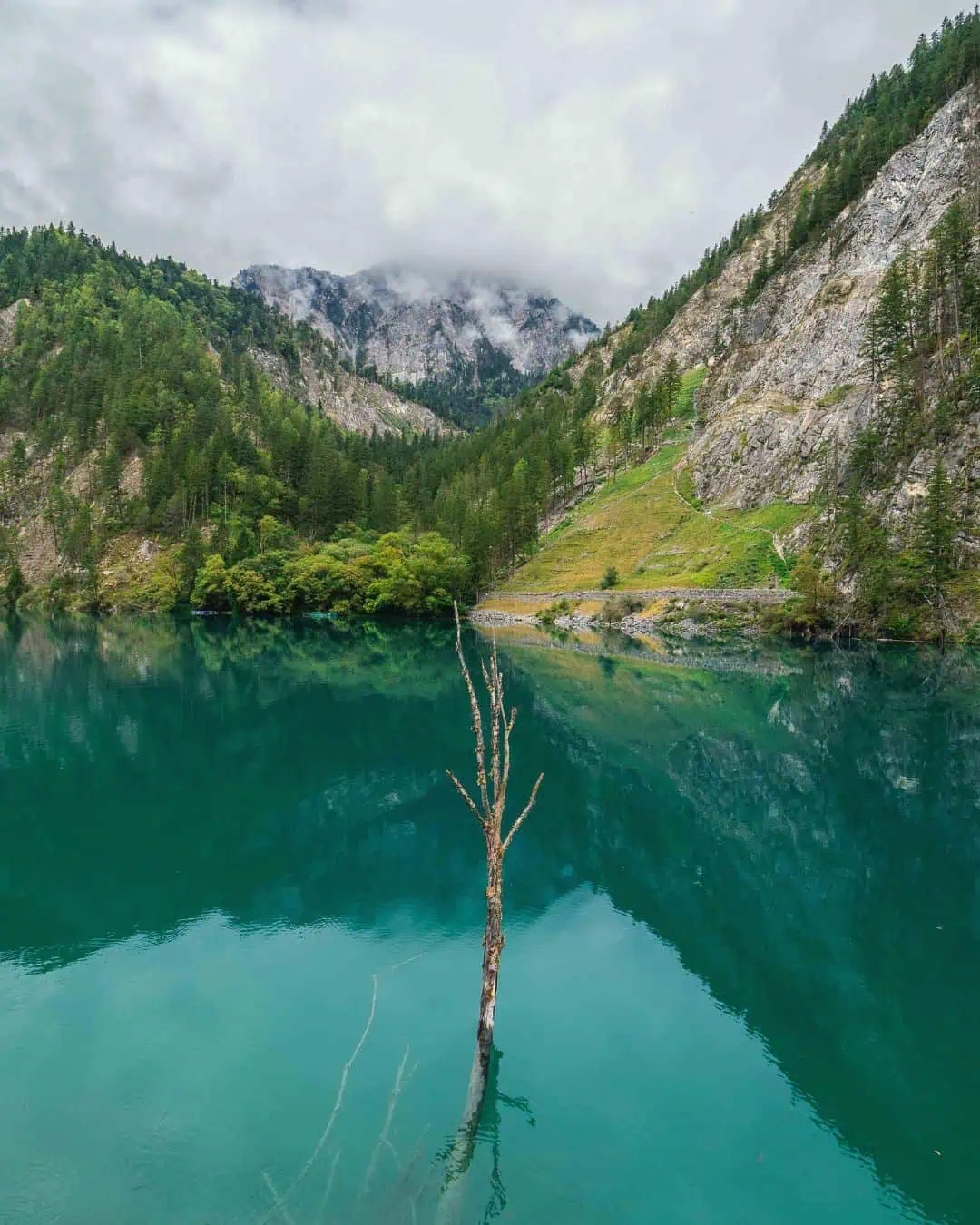
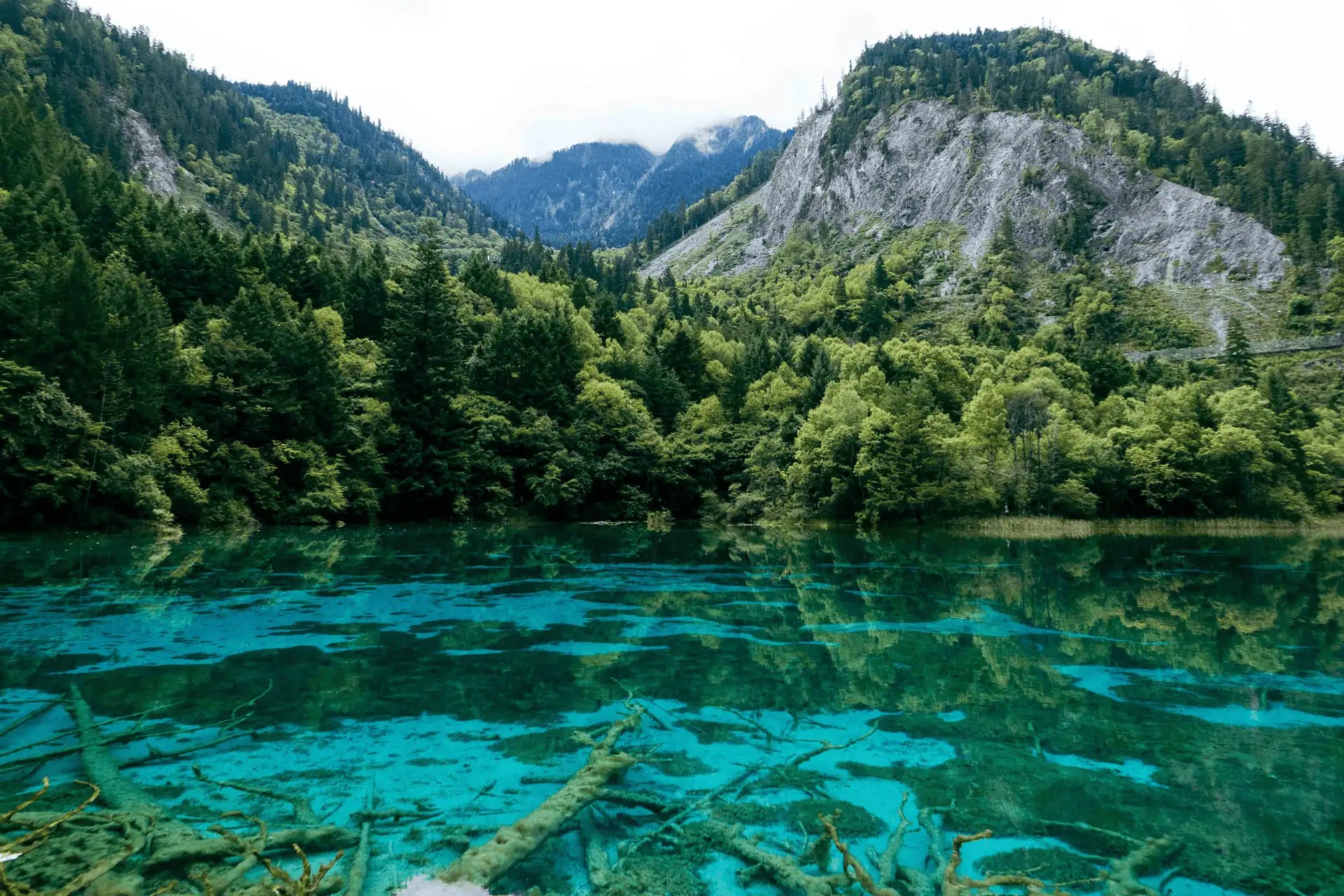
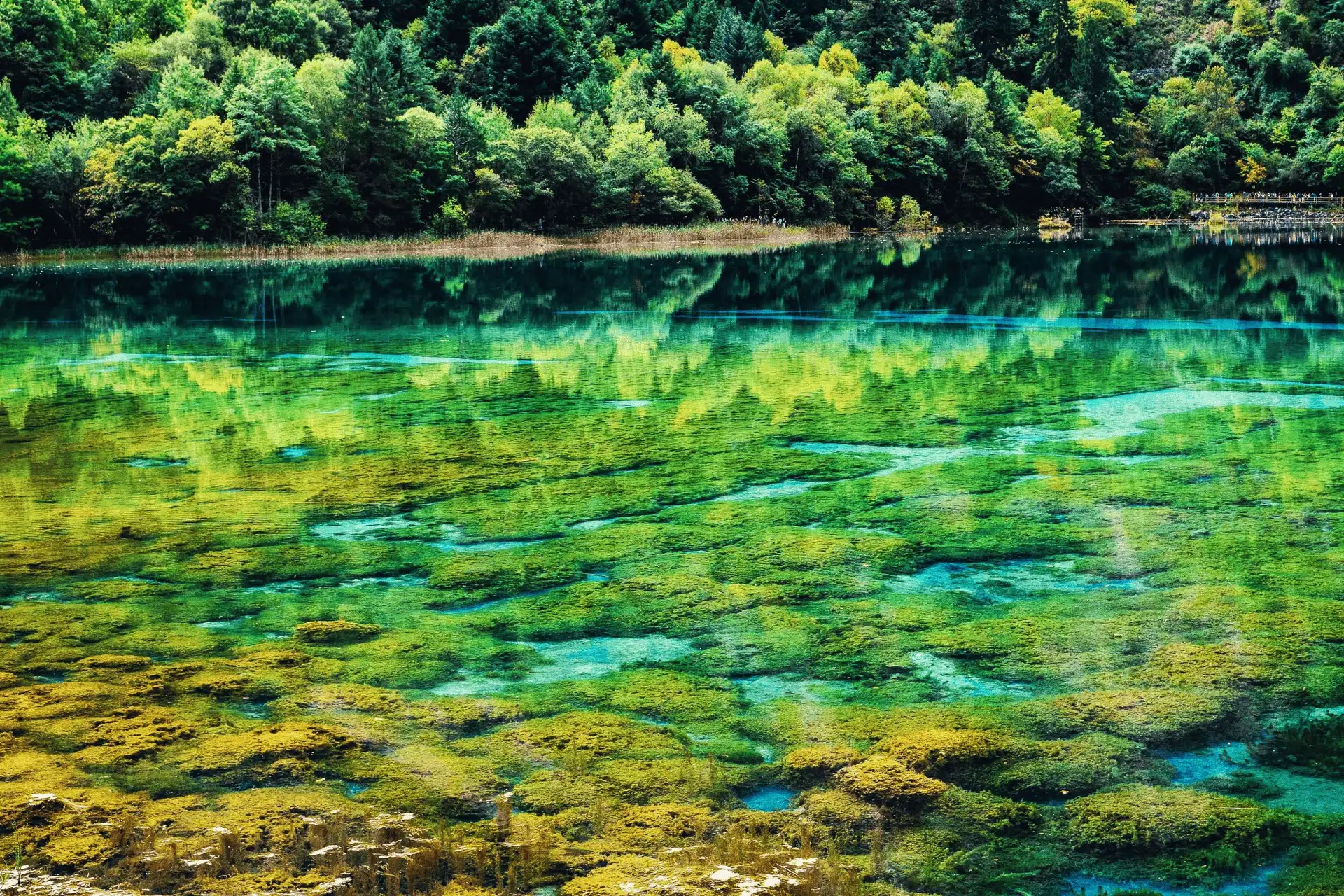
Wuhuahai, or Five-Flower Lake, is one of Jiuzhaigou’s most famous lakes, and it’s easy to see why.
The water is incredibly clear, with vivid shades of blue and green and submerged tree trunks visible beneath the surface. Depending on the light, parts of the lake almost seem to glow.
It’s one of those places where you’ll want to stop for awhile and soak in the colors. From here, we continued our walk down.
3. Walk From Pearl Shoal Waterfall Toward Nuorilang Waterfall
This ended up being our favorite stretch of Jiuzhaigou. After visiting Pearl Shoal Waterfall, we continued on foot toward Mirror Lake, taking the walking trail instead of following the main road used by the shuttle buses.
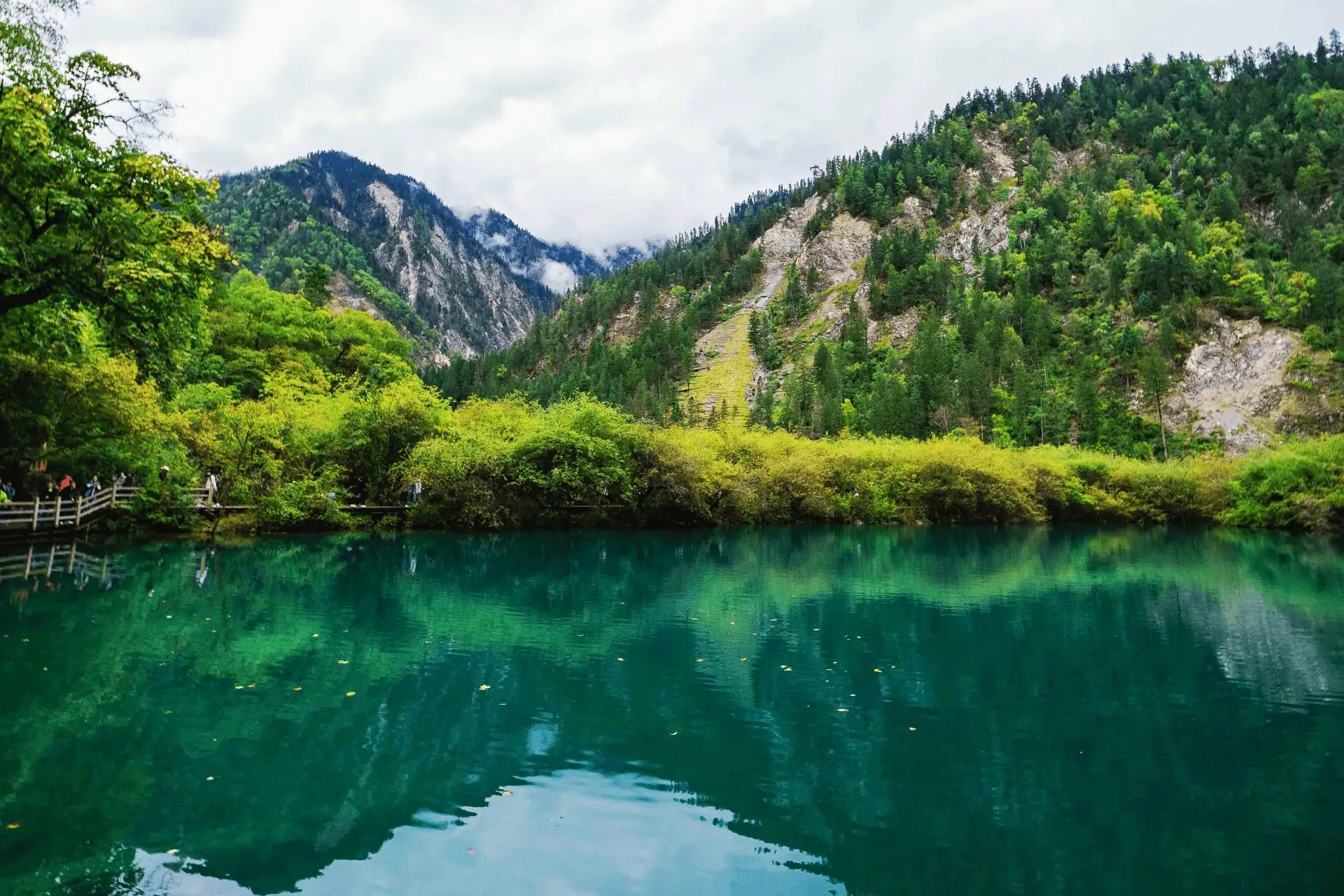
The trail took us along the far side of Mirror Lake, where the scenery was beautiful and the crowds noticeably thinner. After a busy morning visiting popular attractions, it was a relief to slow down and enjoy the landscape without constantly moving between shuttle stops.
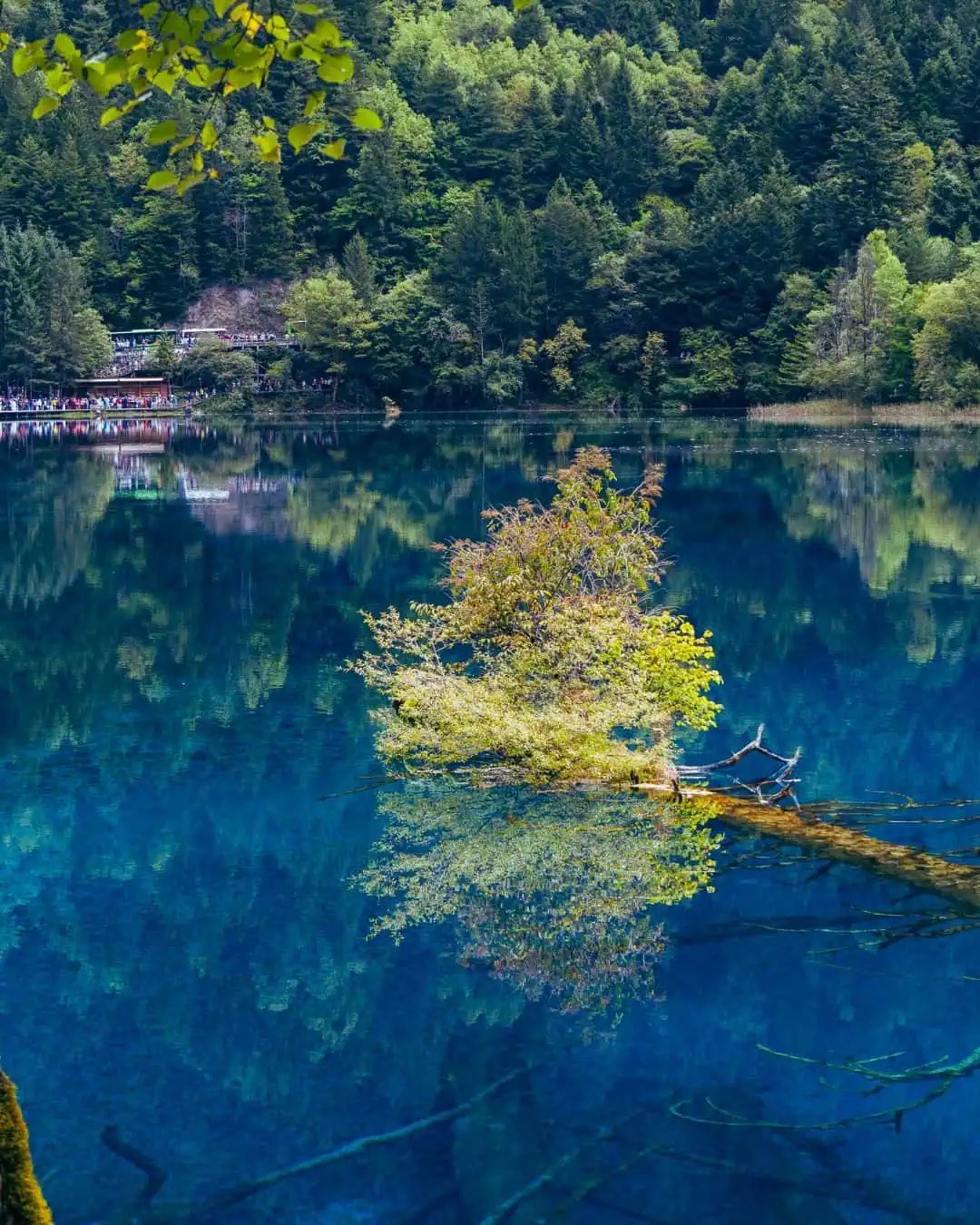
Mirror Lake was especially beautiful in the quieter moments. The water was so still that it reflected the surrounding forest, creating a peaceful scene that felt a world away from the busier parts of the park.
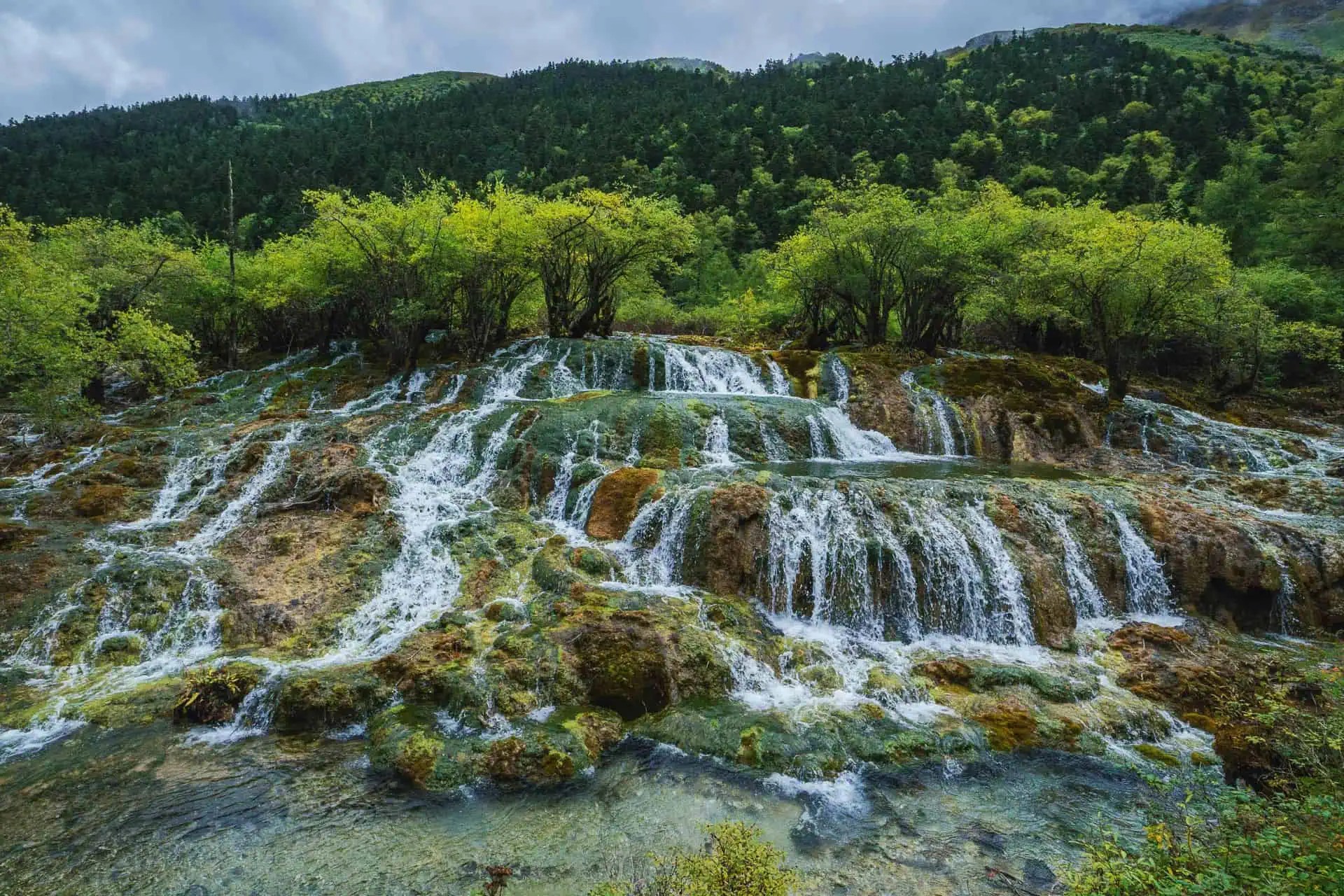
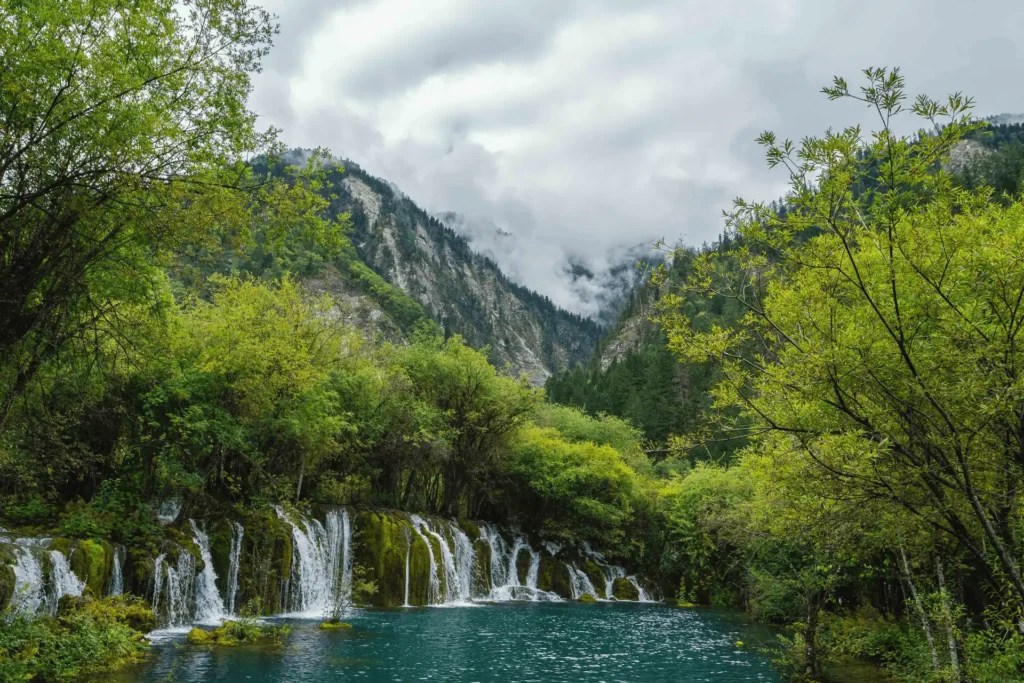
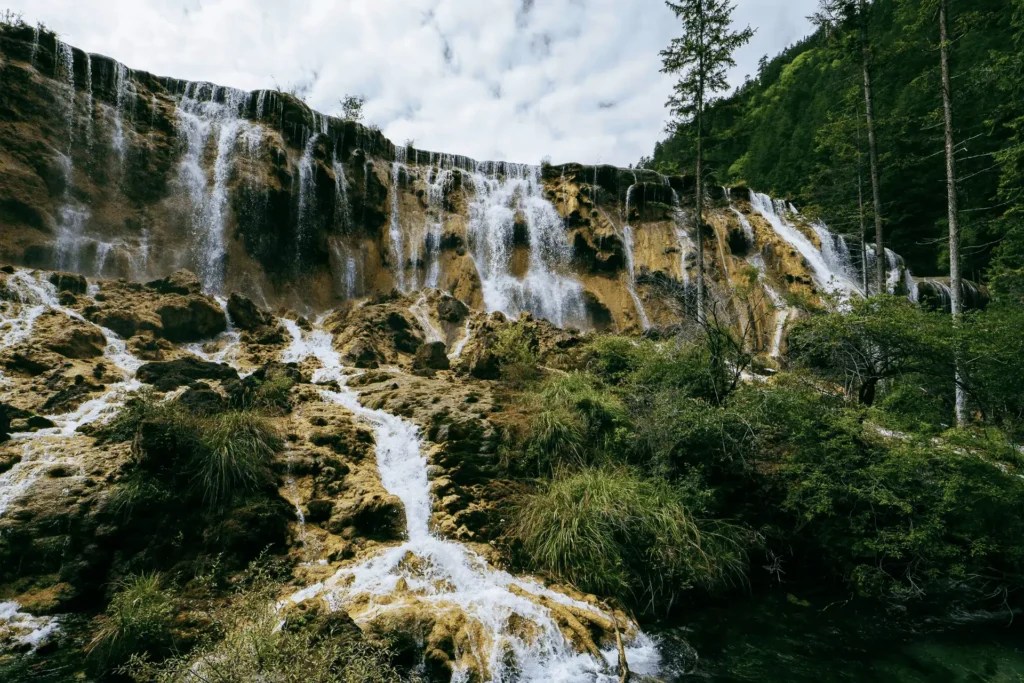
From Mirror Lake, we continued toward Nuorilang Waterfall, one of Jiuzhaigou’s most famous landmarks. Stretching roughly 270–320 meters (885–1,050 feet) wide, it’s one of the widest travertine waterfalls in the world. The broad cascade is an impressive sight and a worthwhile stop along the route.
My tip: Whenever possible, walk between nearby attractions rather than relying entirely on the shuttle buses. For this stretch, we walked from Pearl Shoal Waterfall along the trail beside Mirror Lake before continuing to Nuorilang Waterfall. You’ll still need the buses to cover longer distances across the park, but walking lets you enjoy the scenery at a slower pace and escape some of the crowds.
We eventually reached the central junction and stopped for lunch before exploring the left side.
4. Long Lake and Colorful Pond
After lunch, we shuttled up the left branch to see Long Lake and Colorful Pond.
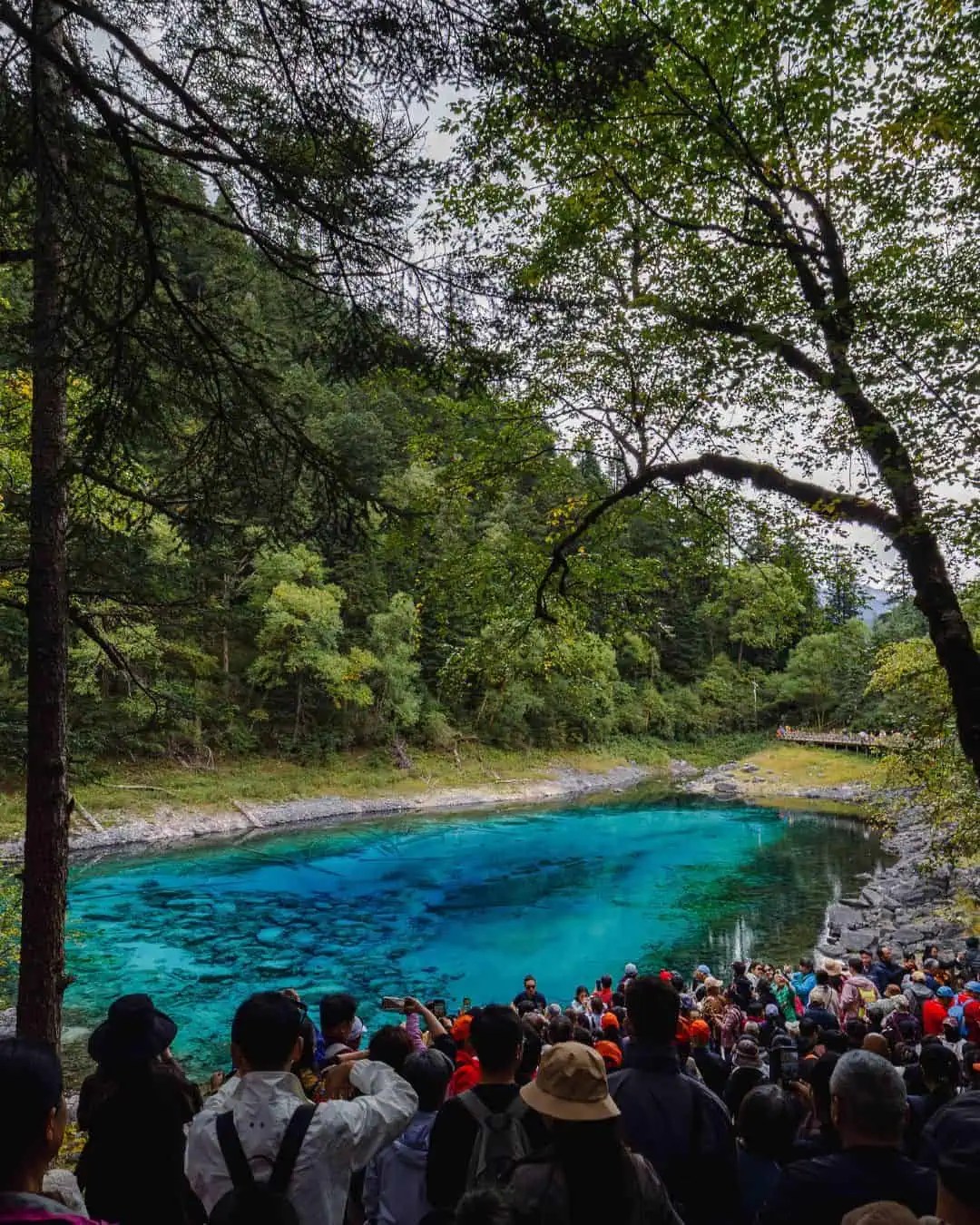
Long Lake is Jiuzhaigou’s largest lake, surrounded by mountains and forest. Colorful Pond is smaller but famous for its brilliant blue and turquoise water. Both are worth seeing, although this part of our visit was noticeably busier than the morning.
The walk from Long Lake toward Colorful Pond involves plenty of stairs, and by the afternoon, the narrow paths were packed with visitors moving in both directions.
I’d still visit both lakes, but be prepared for a chaotic experience if you leave this branch until later in the day.
Of course, starting here in the morning doesn’t guarantee a quieter visit. The right branch would have just as many or even more crowds in the afternoon.
After visiting Colorful Pond, we boarded a shuttle heading toward the park exit.
Tips: buses descending from the branches will stop at the central junction and then continue toward the exit. If you’ve finished exploring both sides, staying on a bus will save you an unnecessary transfer.
By this point, we’d seen so many colorful pools that we were happy to skip a few more stops rather than spend extra time navigating the crowds and waiting for buses.
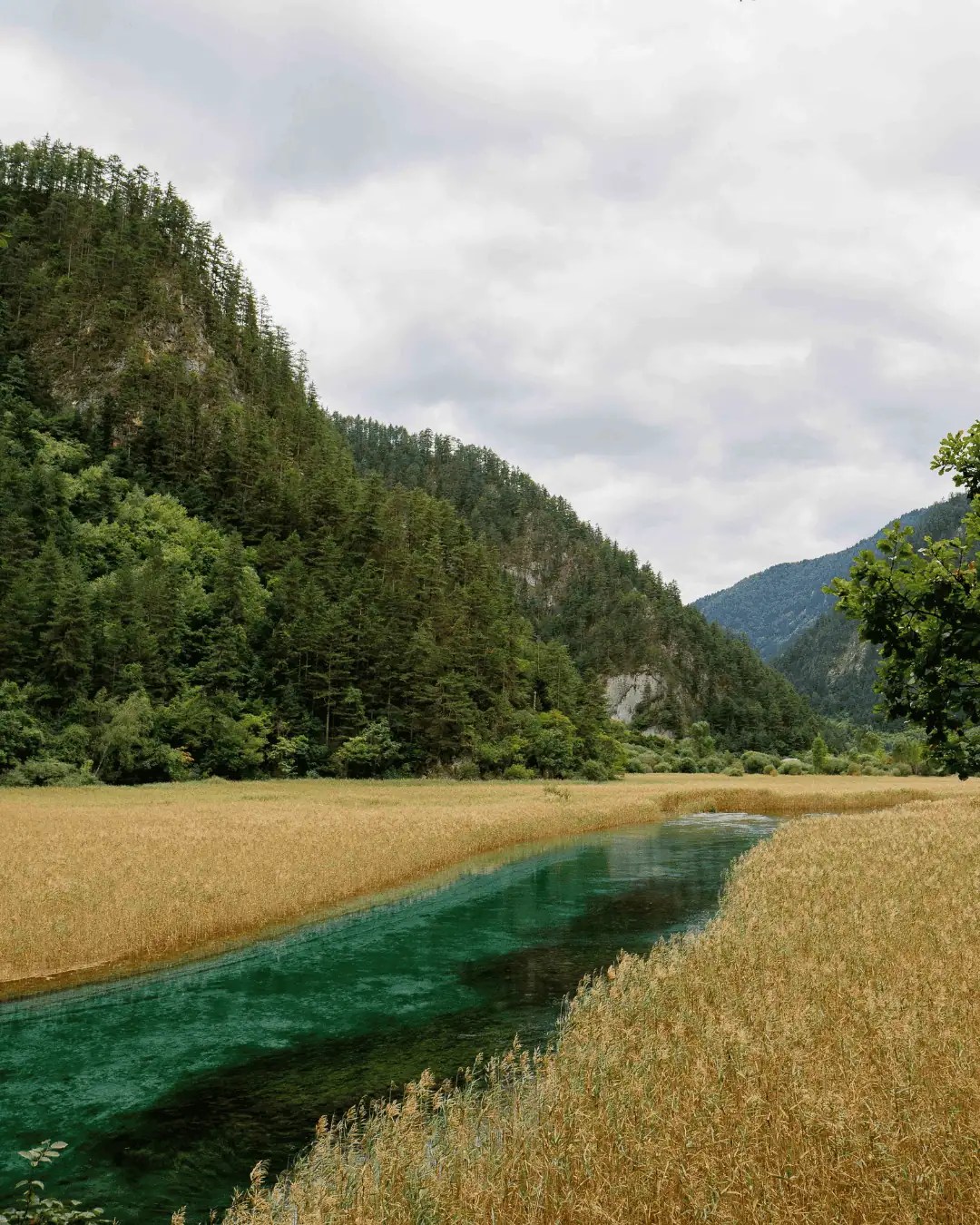
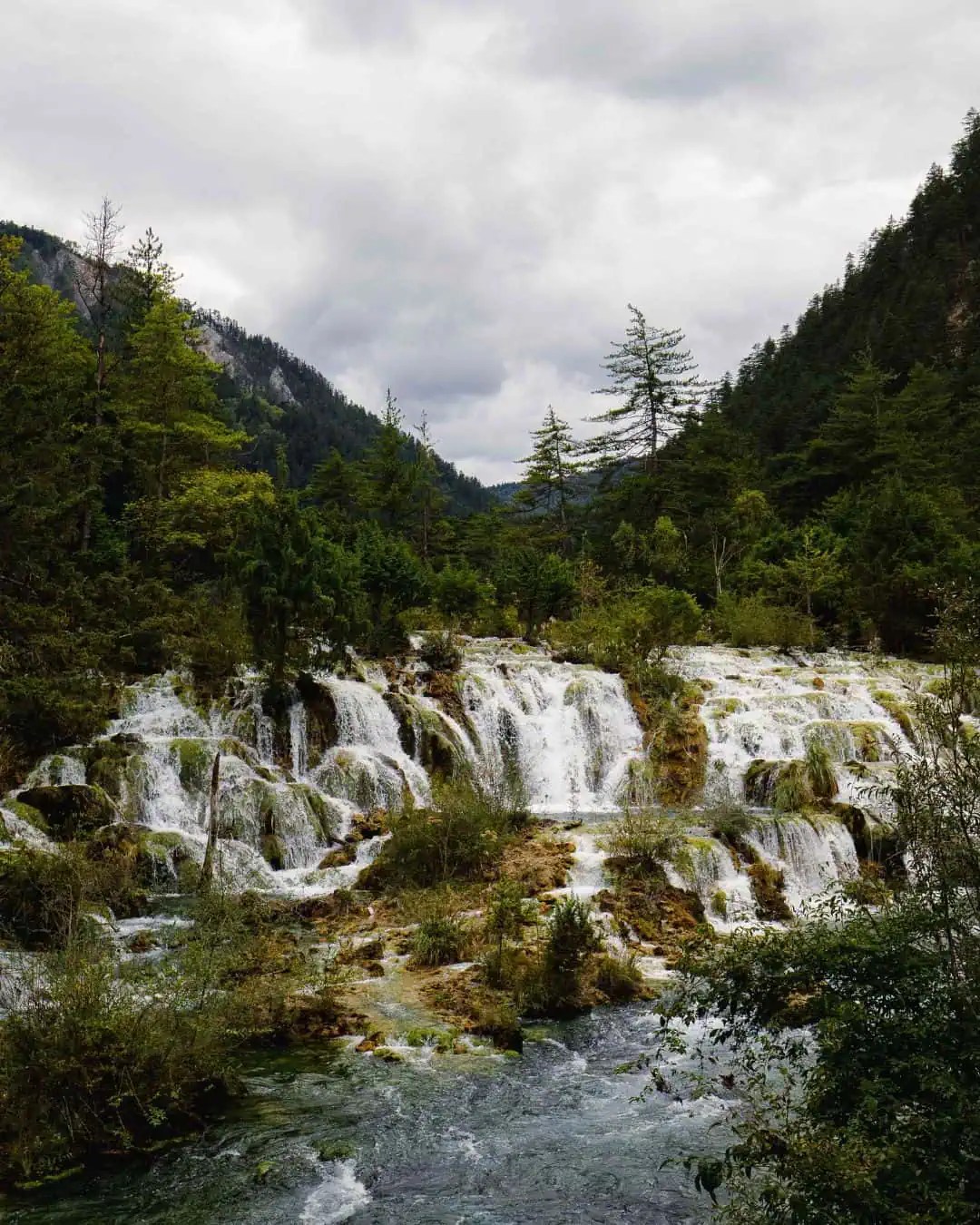
We got off around Double Dragon Sea, walked down toward Bonsai Sea, saw the reeds along the river and then caught another shuttle for the rest of the journey to the exit.
It had been a long, tiring day, but we’d managed to see Jiuzhaigou’s famous lakes and waterfalls!
Is Jiuzhaigou Worth Visiting ?
Absolutely, but go in with realistic expectations.
The scenery is spectacular. The water is so clear and colorful that even after spending an entire day looking at lakes, I was still amazed by how beautiful everything was.
The crowds, on the other hand, were exhausting. Shuttle buses constantly moved visitors around the park, and the most popular viewpoints often felt more like busy tourist attractions than peaceful natural spaces. Even though Jiuzhaigou is enormous, certain trails and viewing areas become bottlenecks.
If you love nature but prefer quieter hiking destinations, you might have mixed feelings about visiting. The scenery is incredible, but the crowds can make it difficult to feel immersed in the landscape.
For me, the best moments were the quieter stretches of trail where we could enjoy the lakes without constantly navigating around other visitors.
I’d still recommend visiting Jiuzhaigou, especially if it’s your first trip to Sichuan. Just plan your route ahead of time, arrive early, and leave yourself room to enjoy the scenery on foot.
Getting Back to Chengdu From Jiuzhaigou
We expected the journey back to Chengdu to be straightforward, but it ended up being one of the most stressful parts of our trip.
We booked a 10 a.m. shuttle from Jiuzhaigou to Huanglong-Jiuzhaigou Railway Station, planning to catch a high-speed train back to Chengdu. Unfortunately, an accident on the mountain road stopped traffic for hours. We didn’t reach the station until almost 3 p.m.
We had to change our train tickets to the 6:19 p.m. departure and didn’t get back to Chengdu until around 8:30 p.m. It made for a very long day!
My biggest tip is to leave plenty of buffer time between your shuttle and train. Mountain roads can be unpredictable, and a journey that normally takes a few hours can take a whole day.
I’d avoid booking a train that departs shortly after your expected arrival. We used the Trip.com app for our train tickets, which made it easy to change our departure time when we were delayed.
We ended up spending two nights back in Chengdu to rest before continuing our trip to Zhangjiajie.
Visiting Huanglong and Jiuzhaigou During Rainy Season
The rainy season in Guizhou generally lasts from May to October, with July and August being the peak months of heavy rainfall.
Rain can have a big impact on travel in this part of Sichuan. Heavy downpours can lead to slippery trails, road closures, and landslides, so it’s worth building some flexibility into your itinerary.
We actually ended up visiting Huanglong and Jiuzhaigou because our original plans fell through. We’d planned to visit Siguniangshan before continuing north toward the Tibetan Plateau, but a mudslide closed the road the night before we were supposed to go. With several major mudslides also reported elsewhere in China that year, we decided to scrap that section of our itinerary and head to Huanglong and Jiuzhaigou instead.
Even then, our return journey to Chengdu was delayed by the accident.
I would book cancelable hotels/tickets where possible, checking local weather forecasts and road conditions, and keeping your plans flexible. Avoid trails that have been closed or deemed unsafe, and leave plenty of time between mountain transfers and any onward flights or train journeys.
The biggest lesson from our trip? Don’t plan your itinerary so tightly that one road closure throws everything off. Having a little breathing room can save you a lot of stress.
Final Thoughts: Should You Visit Huanglong and Jiuzhaigou?
Huanglong and Jiuzhaigou were two of the most memorable stops on our trip through Sichuan. I’d never seen water quite like this, and both parks were well worth the detour.
If you have the time, I’d recommend visiting both. Huanglong is easier to explore in half a day, with colorful terraced pools and quieter forest trails, while Jiuzhaigou deserves a full day to take in its lakes and waterfalls.
If you can only visit one, I’d choose Jiuzhaigou for its variety of scenery. That said, Huanglong was the more relaxing experience for me, especially hiking the quiet trails in the morning before reaching the crowds near the Five-Color Ponds.
Neither park was without its challenges. The crowds in Jiuzhaigou could be overwhelming, and the unpredictable mountain roads made getting around more complicated than we’d expected. But I’m still glad we made the detour.
The water really is that blue, and seeing these landscapes in person was a highlight of our trip to China.
Explore More of China 🇨🇳
Planning to explore more of China? Check out my other China travel guides for more tips, favorite places, and adventures around the country!
Love the photos from this trip? I also sell prints of these landscapes and more of my travel photography in my Etsy shop, Night Star Studio. If you’d like to bring a little piece of your travels home, feel free to take a look!


